
- Benefits of Growing Blueberries
- Variety selection criteria
- Beneficial properties of the fruit
- Planting and agricultural practices
- The best varieties of garden blueberries
- Early ripening
- Alvar
- Bluegold
- Bluecrop
- Blu-ray
- Bluetta
- Herbert
- Goldtraube
- Jersey
- Northland
- Patriot
- River
- Rubel
- Sunrise
- Sierra
- Spartan
- Centeklir
- Chippewa
- Chanticleer
- Earlyblue
- Mid-season varieties
- XXL
- Aino
- Bluejay
- Bonus
- Darrow
- Denis Blue
- Kaz Plishka
- Legacy
- Legation
- North Blue
- North Country
- Pink lemonade
- Polaris
- Putte
- Taiga beauty
- Thoreau
- Narrow-leaved
- Hardyblue
- Elizabeth
- Late-ripening blueberries
- Berkeley
- Boniface
- Brigitte Blue
- Jorma
- Midder
- Nelson
- Elliot
- We select the variety depending on the region
- Urals and Siberia
- Middle belt
- Northwest
- Leningrad region
- For the south
Garden blueberries are a plant distinguished by their beauty and usefulness. Planting several bushes in a garden creates a hedge. Every summer, garden blueberries yield a harvest of delicious and healthy berries, regardless of the variety planted.
Benefits of Growing Blueberries
The bush begins blooming in mid-spring or late spring. Therefore, the risk of frost damage to the buds from early spring frosts is minimal. Blueberries are rarely affected by plant diseases.
Compared to other berries, hedgehog stands out for its frost and drought resistance. Fruiting begins in the second year after planting. Thanks to this characteristic, you won't have to wait long for a harvest.
Growing blueberries is a win-win situation. This undemanding plant produces excellent fruit while also serving as an ornamental plant. To ensure proper growth, the bushes are fed with mineral fertilizers without the addition of organic matter.
Variety selection criteria
For commercial cultivation, preference is given to varieties suitable for mechanical harvesting. The selected varieties must be productive. Certain blueberry varieties are prized for their large fruit.
If you can't afford to constantly tend to your bushes, low-maintenance varieties are an excellent solution. Self-fertile blueberries are ideal for areas with inclement, frequently changing weather. With consistent rainfall and the absence of bees, you can be sure of fruit production, as the plant's ability to self-pollinate facilitates this.
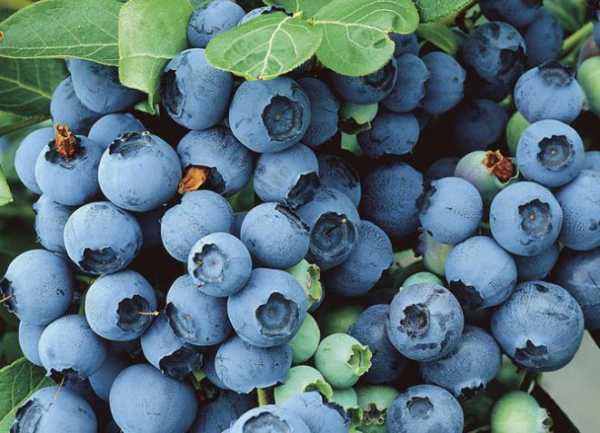
Garden blueberry bushes are classified into low-growing and tall-growing varieties. Therefore, this criterion is also taken into account when choosing a variety. Those who want to harvest the sweetest berries also pay attention to this fact.
Beneficial properties of the fruit
Blueberries are rich in antioxidants and vitamins, which in turn have a beneficial effect on the overall functioning of the body. Both large and small berries are eaten. Especially useful for people with poor eyesight or eye problems.
Planting and agricultural practices
Growing blueberries is impossible without following the rules of planting and subsequent care:
- Location. Blueberries grow well in sunny areas sheltered from the wind.
- Acidity. Should be within normal limits—from 3.5 to 4.5 pH.
- Planting season. Either spring or fall is suitable. Spring is preferable, as the planted blueberries have time to establish roots before the snow falls. The bushes are planted before the buds swell. Fall planting follows the same technique as spring planting. However, pruning is required at the end of the planting process, especially when the seedlings reach one year of age.
- Watering. Even in rainy weather, the soil is saturated with moisture once every 10 days.
- Loosening. This is done 4-5 times per season. Do not dig deeper than 10 cm into the soil. The root system is located close to the surface, so there is a risk of damage.
- Weed removal. Weeds from other plants in the area absorb nutrients, leaving nothing for the blueberries.
- Fertilization. Top dressing is done in early spring. Minerals stimulate crop growth.
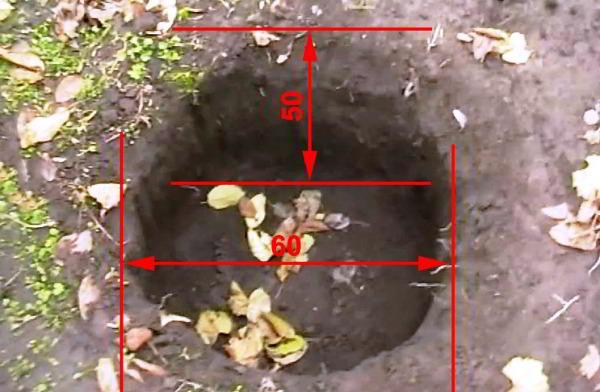
Regular pruning during bud swelling promotes fruit production. This applies to bushes that are 2-4 years old.
The best varieties of garden blueberries
Every gardener, without exception, wants to plant only the best varieties in their plot. These varieties should also produce fruit consistently, rarely get sick, and be low-maintenance. Each ripening category has its own representatives.
Early ripening
The time it takes for tall and dwarf blueberries to reach technical maturity differs. In the former, the fruits become edible in the second half of July. Dwarf blueberries ripen in mid-July.
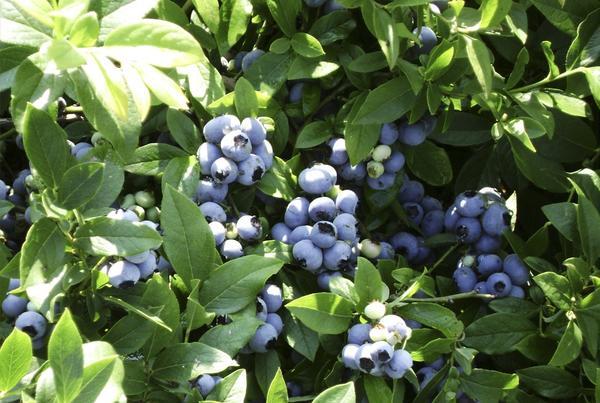
Alvar
This blueberry variety was bred in Finland. The bushes are compact yet sturdy. Flowers appear among the foliage in early June.
Bluegold
Gardeners plant this variety for its high yields. A single bush can yield between 4 and 7 kg of berries per season. Bluegold is virtually disease-resistant and tolerates winter cold well.
Bluecrop
The best blueberry for temperate climates. Its upward-growing branches allow the bush to reach a height of 2 meters. It requires seasonal pruning. Due to its high annual yields, it is a favorite among gardeners and agricultural producers.

Blu-ray
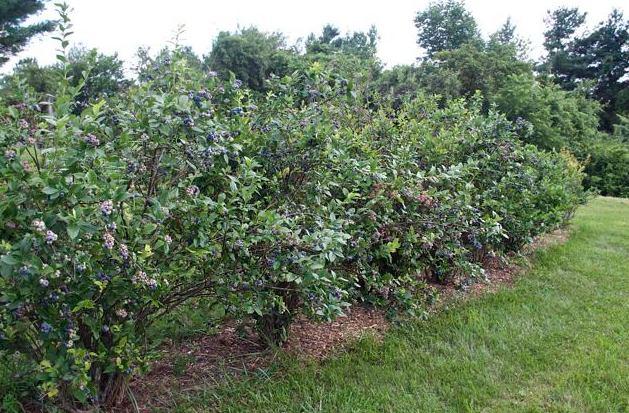
Bluejay's high yield is both an advantage and a disadvantage. The large number of berries depletes the crop. This characteristic is essential when considering this variety for cultivation.
Bluetta
An American-bred variety, Bluetta produces high blueberry yields. It is also prized for its ornamental qualities.
Herbert
Highbush blueberries have a delicate flavor. They hold firmly to the branches when ripe and don't split. This variety is easy to propagate and overwinters well. Gardeners report yields of up to 9 kg per season.
Goldtraube
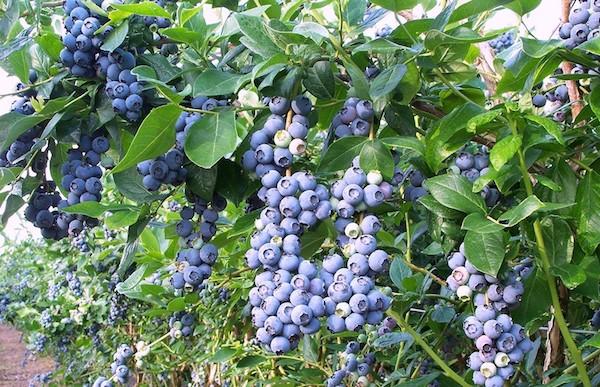
The Goldtraube blueberry requires regular pruning. Annual growth is 70-71 cm. The berries are eaten fresh but are also suitable for processing. They are used to make desserts and drinks. The fruit's flavor is complemented by blueberries, lingonberries, and cranberries.
Jersey
There's hardly a gardener who hasn't planted this blueberry variety. It was developed many years ago and is considered one of the oldest. The flavor of the berries harvested from the bush will please even the most discerning of gourmets.
Northland
The name comes from its ability to thrive even in cold regions. The branches remain firm and produce fruit throughout the coming season, despite winter temperatures dropping below -40°C (-40°F). One bush produces 4 to 7.5 kg of berries.
Patriot
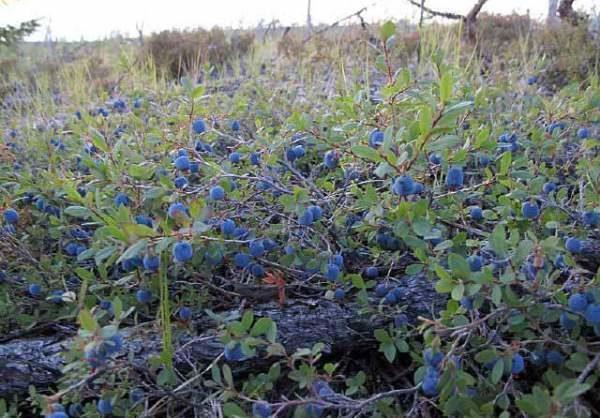
The root system thrives in any soil composition. Best results are achieved when grown in heavy, well-drained soils. It has strong immunity to twig canker and late blight.
River
The fruits are 1.5 cm in diameter and bright blue. They are delicious and aromatic. They hold firmly to their stems and withstand long-distance transportation.
Rubel
Each bush yields 5.5-7 kg of blueberries per season. The fruits have a characteristic round shape and a familiar blue color. The bush description is standard.
Sunrise
This large-fruited variety produces 3-4 kg of berries per season. The spreading bush reaches 1.2-1.8 m in height. The blueberries are 2 cm in diameter.
Sierra
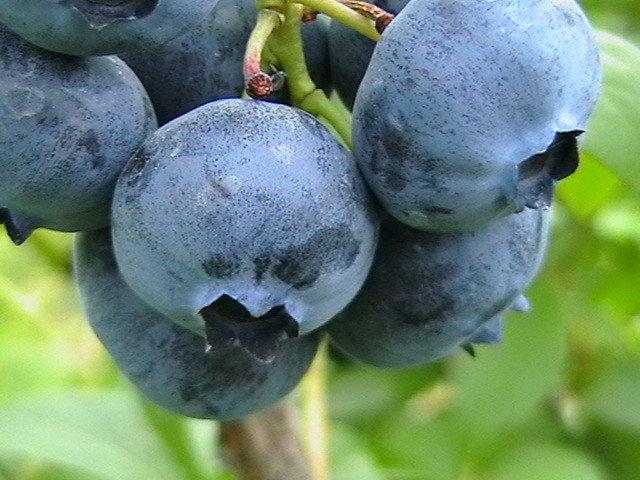
Sierra blooms in May. The berries are suitable for a variety of dishes. It can withstand temperatures down to -28 degrees Celsius.
Spartan
Ideal for fresh consumption. The flavor is sweet with tart notes. The fruits hold their shape well and can be stored for a long time. Temperature fluctuations do not affect yield.
Centeklir
Origin: America. This variety is considered ultra-early. The firm, medium-sized berries are tasty and have a slight tartness when eaten.
Chippewa
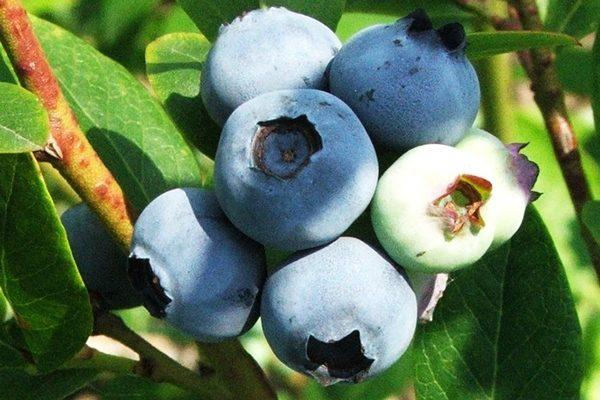
This variety prefers acidic soils with good drainage. It thrives in sunny areas and is grown in cold climates.
Chanticleer
This variety is often found on small plantations. It is grown commercially, as the berries are mechanically harvested twice a season. The blueberry has a wine-fruity flavor.
Earlyblue
This variety is most common in areas with frequent spring frosts and temperature fluctuations. Its main advantage is its high winter hardiness.
Mid-season varieties
The varieties included in this group ripen at the beginning of August.
XXL
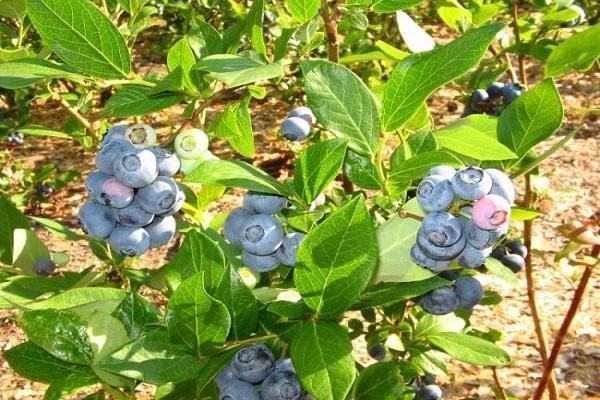
As the variety's name suggests, the berries are large and tasty. Each berry weighs between 2-3 grams. The bluish-gray fruits are formed from large, bell-shaped white flowers.
Aino
The bush rarely reaches 1 m in height, typically 75-90 cm. Aino is the result of Finnish selection. With the onset of autumn, the green leaves turn red. High yields are guaranteed when planted together with the Alvar variety.
Bluejay
Rarely found in the region, it is considered more of an exotic plant. It grows in warm climates and tolerates short-term frosts and mild winters.
Bonus
Beneath the light blue skin lies firm flesh. This berry is a bonus for those who love sweet berries, as it's sometimes considered too cloying. It's suitable for freezing and eating fresh.
Darrow
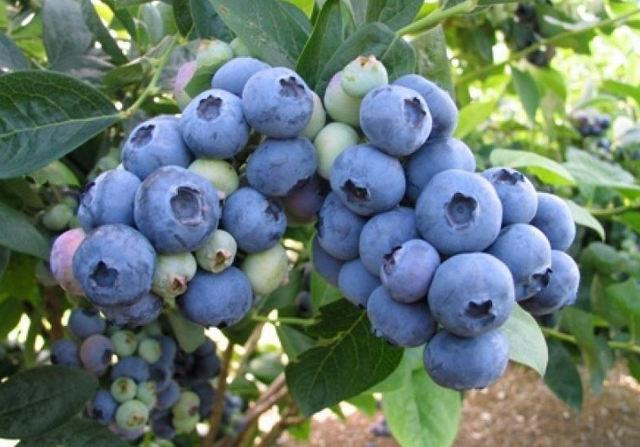
Despite its small height, the bush is considered spreading with strong branching. The berries are large and sweet.
Denis Blue
This variety arrived in the country from New Zealand. Its flavor makes it a dessert variety. Large berries grace a small bush.
Kaz Plishka
This variety was developed by a Polish breeder. The berries are spherical in shape and dark blue in color. The fruits are covered with a bluish bloom.
Legacy
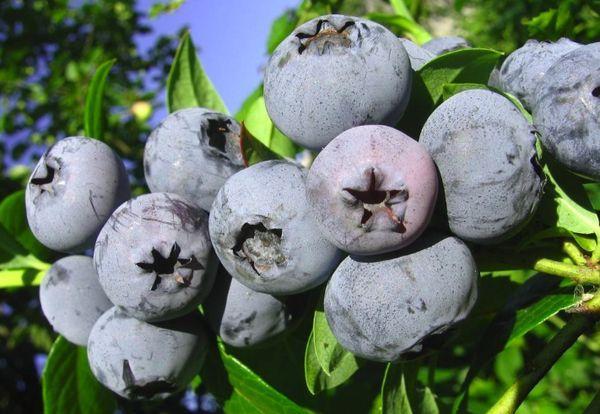
During the fruiting season, the upright bush becomes densely covered with berries. They are medium-sized and have a small scar. The ease of separating the fruits from the stems makes it possible to harvest blueberries mechanically.
Legation
The tall blueberry variety Legacia is considered one of the most productive. Ripening begins in mid-July and continues until early August.
North Blue
North Blue berries are ready for consumption in early August. They produce high yields of delicious and aromatic fruit. A single bush produces only 2-3 kg of berries, but fruiting is regular.
Take a look Also
North Country
The variety was developed in the 1980s by American breeders. Since then, it has become famous throughout Europe. It is grown locally for personal consumption.
Pink lemonade
During flowering, white and pink flowers appear on the branches. Pink Lemonade is a self-pollinating variety. Cross-pollination has been shown to increase the quantity and quality of fruit.
Pink lemonade berries are medium-sized, firm, and very sweet. The harvested fruits are used to prepare a variety of dishes. The bushes make a beautiful garden ornament.
Polaris
A mid-season, frost-tolerant garden blueberry variety. The bush's branches grow upward, reaching a height of 1.3 m.
Putte
Through selection, the variety retained the characteristics of its wild ancestor. It requires no winter protection, and the berries have a delicate aroma and a sweet taste. The skin is dark purple, almost black, and covered with a waxy, bluish coating on top.
Taiga beauty
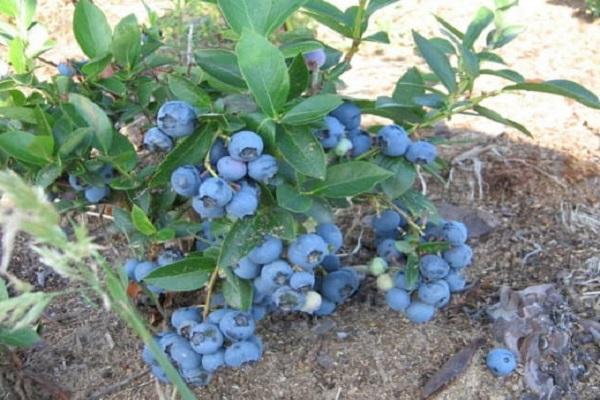
It's considered a versatile variety, as it's grown for its berries, both for consumption and for sale. The branches grow vertically, and the shoots are covered with small, dark green leaves.
Thoreau
This variety is compared to Bluecrop, as the berries ripen during the same period. However, harvesting begins a week earlier. Toro has better winter hardiness than Bluecrop.
Narrow-leaved
This small bush, up to 0.5 m tall, easily propagates from cuttings and seeds. Garden blueberries have an interesting feature: new shoots emerge from dormant buds located near the root system. After a while, the area becomes completely covered with bushes, creating a stunning view.
Hardyblue
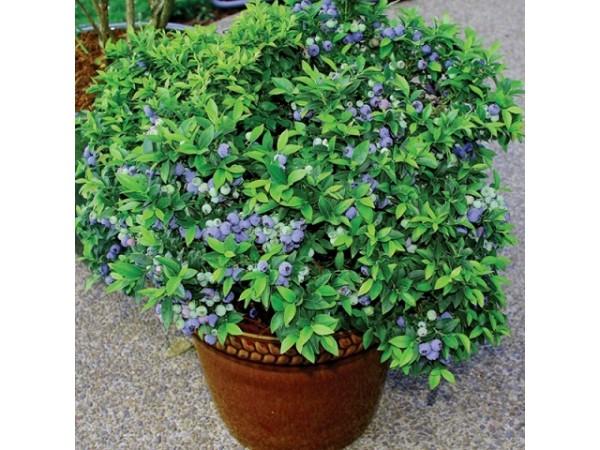
This variety combines two qualities: ease of care and productivity. The fruits ripen evenly. It is grown for large commercial harvests.
Elizabeth
The variety's flavor makes it one of the best. The shoots often have a reddish tint, indicating a high ability to survive winter frosts. The bush is upright and spreading. It doesn't take up much space in the garden.
Late-ripening blueberries
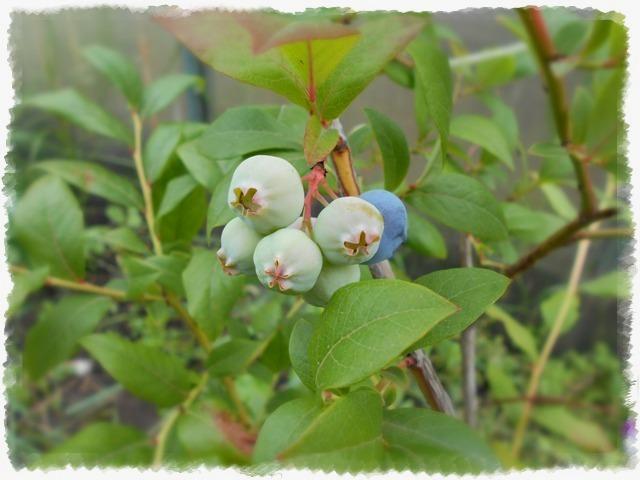
The berries ripen in the first half of August. Late-ripening varieties are just as valuable as early ones. The appearance of berries in late summer allows you to enjoy them when other bushes have stopped bearing.
Berkeley
Winter temperatures, reaching -27 degrees Celsius, do not affect the ability to reproduce easily. Fruit ripens in the second half of August. Yields vary from season to season. A bush can yield 4, 5, 6, or 8 kg of berries.
Boniface
The variety's origin is considered to be Poland, as it was developed there. It easily thrives in neighboring countries. After planting, gardeners note the rapid growth of the bush with ascending branches.
Brigitte Blue
This compact plant, prized for its compact size, produces tasty and aromatic fruit. It prefers sunny sites and thrives in moist soil. With proper care, it produces abundant fruit and is disease-free. Fruiting begins at four years of age. Each planted bush produces approximately 6 kg of berries.
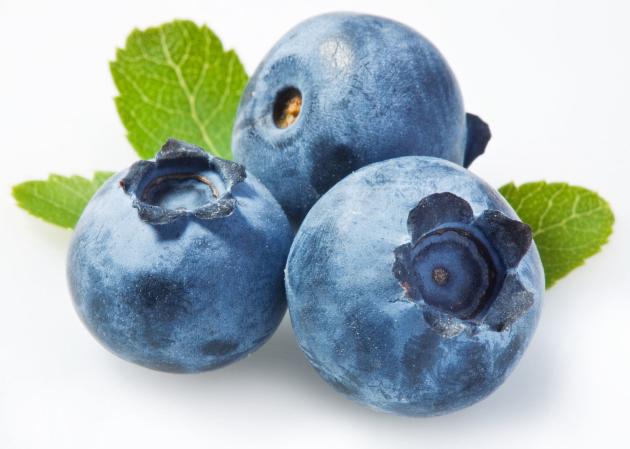
Jorma
Planted in areas with limited space. The bush is compact and medium-height, measuring 1.5 m from ground level to the highest branch.
As the fruit develops, the branches become covered with dark-colored berries. These berries have a distinctive flavor characteristic of this species.
The variety is considered high-yielding and can withstand frosts down to -30 degrees.
Midder
Large berries have a small, dry scar, resembling a crown. Blueberries are large and have a distinctive blue hue. The fruits ripen gradually on the bush. The ripening period begins in July and continues until August.
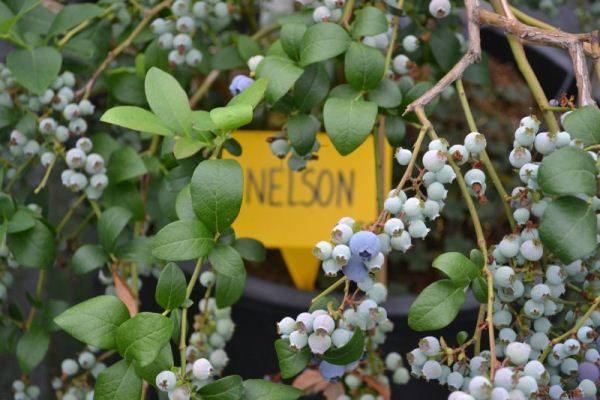
Nelson
This variety is quite common, so every blueberry grower has heard of it. This garden blueberry variety is characterized by excellent flavor. It requires little care and produces a consistent harvest with excellent flavor.
Elliot
The berry was found to contain a high anthocyanin content. This is why the variety gained widespread popularity and continues to enjoy increased attention. Elliot is not particularly fussy about watering. It grows in any soil composition, but has some peculiarities. It is sensitive to humid air, so it is best to avoid growing it in regions with high humidity. It does not tolerate low temperatures well, requiring winter protection.
We select the variety depending on the region
One of the most important criteria for choosing a blueberry variety is the climate of the area where the bush will grow. Gardeners who don't take this into account end up with blueberries that are prone to disease.
As a result, it develops poorly and produces low yields. Each blueberry variety is suited to a specific growing zone.
Blueberry bushes that were bred decades ago are enjoying great success. Newly developed varieties are also worth considering. Professional blueberry growers can advise on which varieties are best suited to specific locations.

Urals and Siberia
Residents of the northern part of the country are lucky to have blueberries. They are frost-resistant, so they can be planted safely in these regions. It's recommended to choose early and mid-early varieties. In these cases, bush height doesn't matter much.
Good options are Toro, Rancocas, Early Blue, Northland.
By choosing one of these varieties, you can avoid covering your blueberries for the winter. Their high resistance to constant cold will save the plant. Blueberry varieties for the Urals and Siberia also tolerate temperature fluctuations well.
Middle belt
This region is characterized by a temperate climate. Summers are warm, and winters are not too harsh. Late frosts are possible in the spring, and heavy rainfall is observed in the fall.
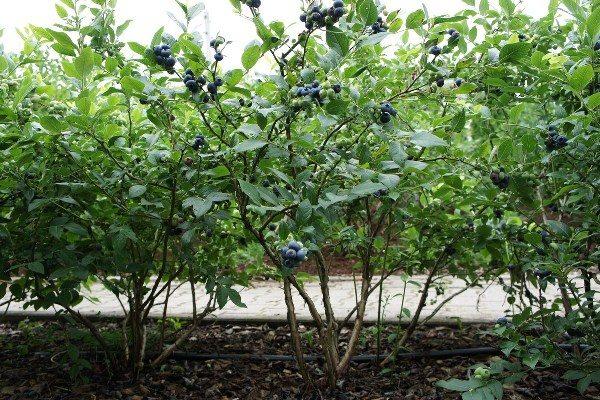
Planting is done in the spring before the buds begin to swell. In temperate climates, planting in the fall is also possible. Typically, this is done during October. For fall planting, the selected soil should have a pH of 3-4.
Northwest
The weather conditions in the area are not particularly consistent. The region experiences heavy precipitation. Downpours can quickly give way to warm, sunny weather. Temperature fluctuations generally negatively impact crop development. Even in summer, the air is cold.
Self-pollinating varieties are planted in the northwest. Patriot and Bluecrop are considered among the best. A harvest is guaranteed even in cold, rainy weather. Nothing will prevent firm, tasty, and fragrant fruits from appearing on the branches.
Other varieties of garden blueberries can also be used. Early and mid-early varieties are preferred.
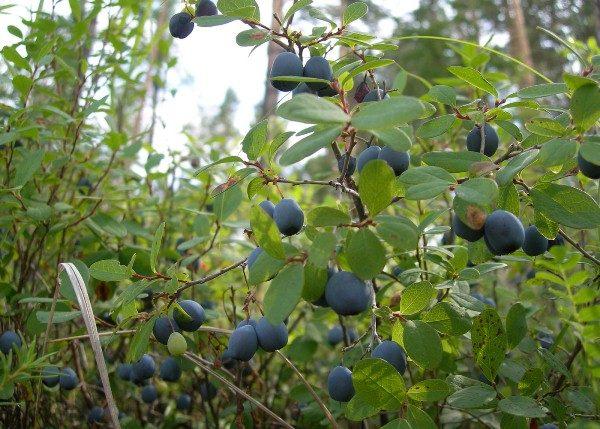
Leningrad region
In this case, varieties must possess two characteristics: frost resistance and winter hardiness. Frost resistance means the crop can easily tolerate low temperatures. Winter hardiness refers to the ability to withstand temperature fluctuations during the day and night.
Both low-growing and tall-growing blueberry varieties are being selected for the Leningrad Region. Early-ripening varieties are being targeted. Mid-season varieties are also acceptable.
Their unique feature is that they produce a harvest before the winter cold sets in. By autumn, the branches are already bare of berries and ready for the coldest time of year. The cold snap in October and November is a kind of training for winter.

Heavy snowfalls aren't a problem for blueberries. They thrive under a thick layer of snow. The blanket acts as a shelter from severe frosts.
Optimal varieties:
- Spartan;
- Dixie;
- June;
- Bluetta;
- Blu-ray.
The listed varieties have one common characteristic: early harvest ripening.
For the south
Blueberries are a berry intended for growing in cold climates. However, they have been successfully grown in southern regions for many years. Varieties suitable for planting have been acclimatized, guaranteeing a harvest. The only thing blueberries dislike is drought, which is even more severe than the most severe frosts.
The south is good because the weather conditions allow for planting early, mid-early and late varieties of berries.
Before planting, it's important to carefully plan the location of each variety. This trick will ensure fresh blueberries on the table from early July to early October. Finnish blueberry varieties have shown good results.
Many don't take on growing blueberries, as they consider the berry capricious. Those who think it's exclusively an exotic crop are also mistaken. The cultivation practices are standard and no different from those of other crops. The availability of tall, medium, and short varieties makes it possible to choose the ideal one.
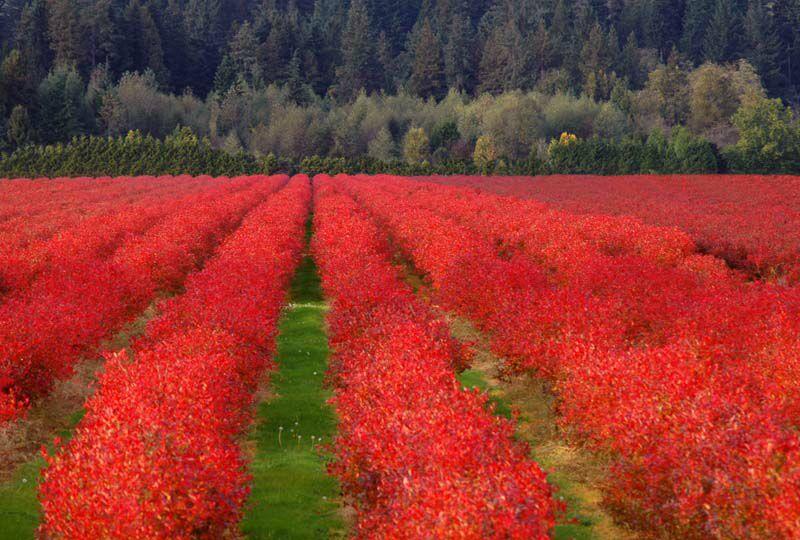
Thus, you can design your garden plot to suit your needs. Blueberries are also prized for their ornamental qualities. Their red leaves, which change color in the fall, attract the attention of guests and passersby. They grow quickly, adapt to the local climate, and delight gourmets with delicious berries that exude an incredible aroma.
Related posts:
 Description and rules for growing the Northland blueberry variety
 Description of the Denis Blue blueberry variety and the subtleties of growing it
 Description of the Early Blue blueberry variety, planting and care
 Blueberry recipes for the winter, including freezing or blending with sugar to preserve all the vitamins
 Description and characteristics of the Elizabeth blueberry variety, planting and care
 Description and characteristics of the Toro blueberry variety, growing rules
 Description and subtleties of growing the Spartan blueberry variety
 Blueberry planting and care guidelines in the Moscow region, including the best varieties