
- History of Duke blueberry breeding
- Habitat
- Description and characteristics
- Bush
- Flowering and fruiting
- Collection and scope of application of fruits
- Frost and disease resistance
- Advantages and disadvantages of the variety
- Landing conditions
- Site selection and preparation
- Timing and technology of planting seedlings
- Specifics of care
- Irrigation
- Fertilizer
- Loosening and mulching the soil
- Formative pruning
- Preventive treatments
- Pests
- Wintering of the crop
- How to grow blueberries
- Gardeners' reviews of the variety
The Duke blueberry is considered one of the most frost-hardy varieties. It was developed by American breeders who crossed Early Blue and Ivanhoe in 1972. This variety is easy to grow and maintain. The sweet-tart berries with a tart finish are excellent for freezing and processing for culinary use.
History of Duke blueberry breeding
Duke blueberry (garden bilberry, highbush blueberry, Vaccinium scutellum) is a popular American cultivar, developed by Arthur Galetta and other renowned breeders. The variety was officially registered in the Russian Federation State Register only in 2025.
Habitat
The culture is found primarily in North America. In Russia, it grows in the Moscow region, central Russia, and the Volga region.
Description and characteristics
Blueberry Duke is an early, high-yielding variety., which adapts perfectly to climatic conditions with large temperature fluctuations.
Bush
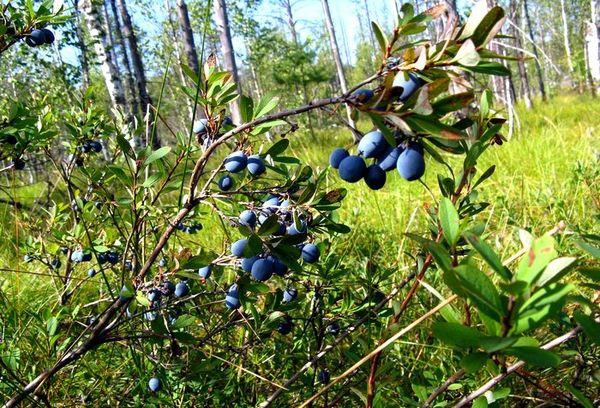
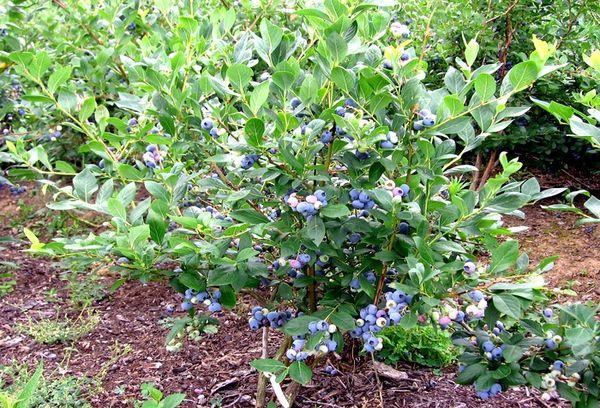
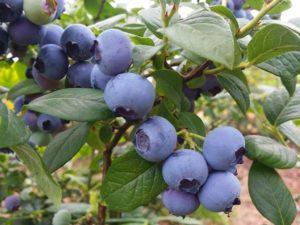
Duke blueberry is a tall-growing plant, producing upright, vigorous bushes. Mature plants reach a height of 1.7-1.9 meters. Shoots are weakly developed but branch extensively. The smooth, oval leaves range in color from dark green (in summer) to bright red (in fall).
Flowering and fruiting
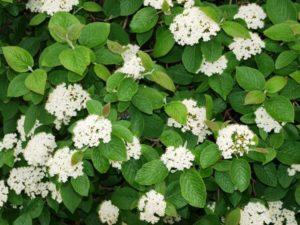
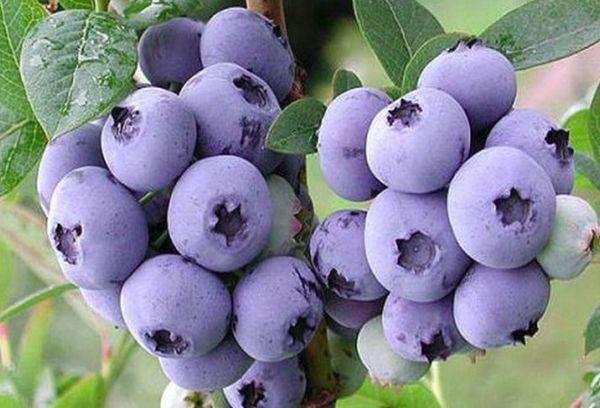
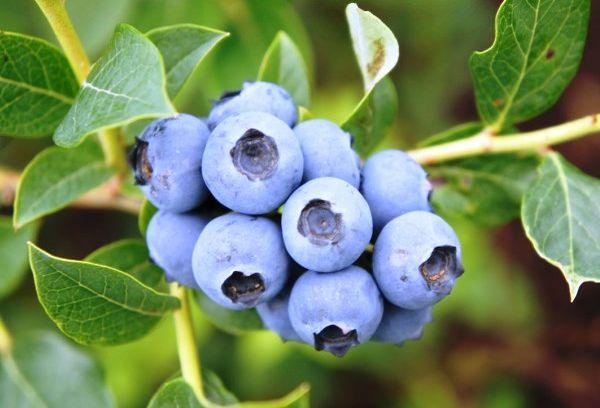
The Duke blueberry begins blooming in late May. The flowers are bell-shaped and delicately pink. The fairly large berries, up to 2 centimeters in diameter, ripen by the end of July.
Collection and scope of application of fruits
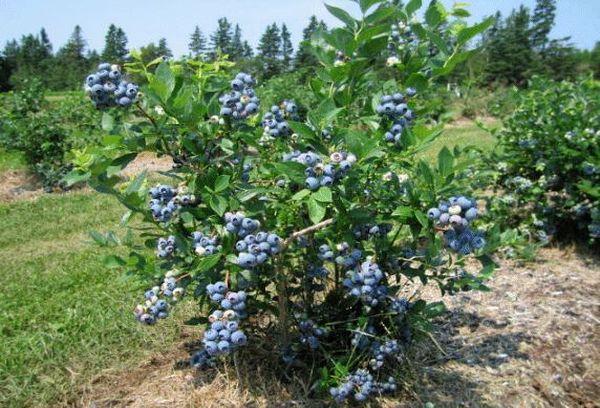
The Duke blueberry produces large, round berries with sweet-tart flesh and numerous seeds. A single bush yields 4 to 8 kilograms of fruit, which can be eaten fresh or preserved or frozen.
Frost and disease resistance
Blueberries' high frost resistance is ensured by their buds and wood, which protect the plant from winter cold.
Advantages and disadvantages of the variety
The variety's main advantages include high yield, hardiness, and late flowering, which prevents fruit spoilage from spring frosts. Disadvantages include the need for periodic pruning and intolerance to excessive moisture.
Landing conditions
Spring is considered the optimal time for planting outdoors. Seedlings can be placed in containers in late fall, constantly monitoring the soil pH.
Site selection and preparation
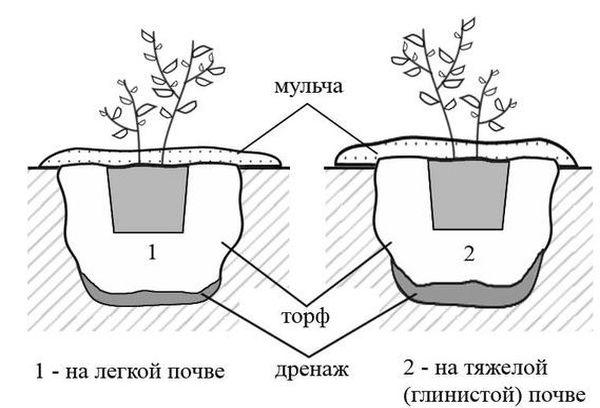
Blueberries are best planted in an open, sunny location, sheltered from strong winds. The plant requires very light, acidic soil. A pH of 3.5 to 5 is considered optimal.
Timing and technology of planting seedlings
When planting, seedlings should not be planted deeper than 7-8 centimeters into the soil. The minimum distance between adjacent plants is 1 meter. In the central part of the country, young seedlings are planted in the spring; in the south, in early fall.
Specifics of care
Duke blueberry is a very unpretentious plant; to care for it, you should adhere to the following rules:
- Use warm water for watering. Watering should be done in the morning or evening.
- Blueberries are watered twice over a ten-day period. A mature bush requires 9-12 liters of water.
Treatment with a solution of soda or laundry soap helps against aphid attacks.
Take a look Also
Irrigation
Blueberries require regular watering. However, stagnant water and overwatering have a negative impact on the root system. Watering requirements are similar to those for garden crops such as potatoes and carrots. The active fruiting stage requires intensive watering.
Fertilizer
Fertilize the bush annually. Duke blueberries are best fertilized with nitrogen fertilizers combined with potassium and phosphorus supplements. Compost and various types of manure are not recommended for this purpose.
Loosening and mulching the soil
Many gardeners recommend mulching the soil around the plant. Peat and pine sawdust, applied in a layer of 7.5 to 10 centimeters, are excellent for this purpose.
Formative pruning
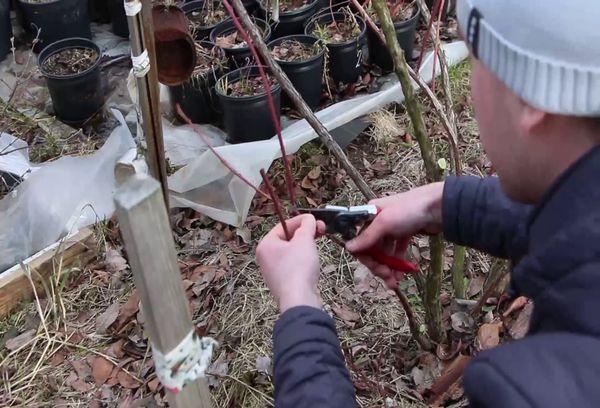
Pruning is only permitted if the plant is at least 6 years old. Typically, four young and four old branches are left. Berry bushes are pruned in early spring, before the buds begin to open en masse. Diseased, weak, or deformed shoots are always removed.
Preventive treatments
Sprawling bushes require support, which can be achieved by installing special supports. If necessary, branches can be tied together and tied to stakes.
Pests
Hares are big fans of blueberry bark, so gardeners need to protect their plants from rodents. Other pests include cockchafers, leaf rollers, and aphids.
Gray rot
To prevent gray mold, spray the plant with ferrous sulfate after spring. High-nitrogen products help combat the fungus.
Anthracnose
To prevent anthracnose, regularly thin the crown and remove fallen leaves from under the bush. Treatment is carried out with Fitosporin and its analogues.
Wintering of the crop
The crop is considered frost-resistant, but in case of winters with little snow, it is recommended to cover the plants with agrofibre or other material.
How to grow blueberries
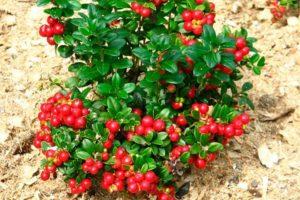
Nurseries use seeds to propagate blueberries. However, it's much easier and quicker to propagate the bush from cuttings and layering.
Gardeners' reviews of the variety
Most gardeners describe the Duke blueberry as an easy-to-grow and resilient variety, producing aromatic fruit with excellent flavor. With regular watering, care, and timely fertilization with Bordeaux mixture, even novice gardeners will have no trouble growing this variety.
Related posts:
 Description and characteristics of 45 of the best varieties of garden blueberries
 Description of the Denis Blue blueberry variety and the subtleties of growing it
 Description of the Early Blue blueberry variety, planting and care
 Description and rules for growing the Northland blueberry variety
 Characteristics and description of the Patriot blueberry variety, planting and care
 Description and characteristics of the Toro blueberry variety, growing rules
 Description of the Chandler blueberry variety, planting and care instructions
 Blueberry recipes for the winter, including freezing or blending with sugar to preserve all the vitamins