
- Description and Features
- History of selection
- Characteristics of the variety
- Berries
- Flowering period
- Ripening time
- Applications of berries
- Resistance to diseases and pests
- Taste and medicinal properties
- Advantages and disadvantages of the variety
- How to plant correctly
- Recommendations for choosing deadlines
- Site and soil requirements
- Site selection and preparation
- How to select and prepare planting material
- Planting diagram
- Care instructions
- Watering mode
- Mulching
- Top dressing
- Trimming
- Preparing for winter
- Weeding
- Diseases and pests
- Mummification of fruits
- Spotting
- Fruit moth
- Gall midge
- Features of reproduction
- Harvesting and storage
- Tips and recommendations
Many gardeners plant not only familiar cultivated plants but also those found in the wild. Blueberries are one of those berries that rarely grow in gardens. However, breeders continue to develop new varieties to ensure their proper growth in the garden. Therefore, the Bluegold blueberry variety was developed for gardening.
Description and Features
Bluegold blueberry is a shrub that can reach 1.2 meters in height. Frost-resistant, it is common in Central Russia, Siberia, and the Urals. It is planted for its berries or as a decorative addition to gardens. The blueberry tree remains beautiful until late autumn, with its leaves changing from green to yellow and then to burgundy. In spring, abundant foliage covers the plant's many shoots, followed by abundant flowering, which gradually gives way to the appearance of numerous blue berries.
History of selection
This highbush blueberry was first bred in America in 1989. The variety was developed by breeder Arlen Draper. Highbush blueberry varieties native to North American swamps were used during development.
Characteristics of the variety
The plant grows quite quickly, with numerous new shoots appearing in the spring. The appearance of the Bluegold blueberry can be described as follows:
- the branches are straight, the crown is formed in the shape of a ball, the bark is brownish in color;
- there are quite a lot of leaves, the length can reach 3.5 cm;
- the root is poorly developed, fibrous;
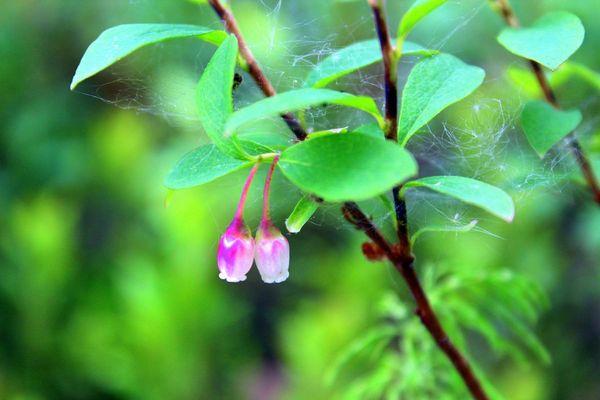
- Blueberry flowers are small, have a pinkish tint, and are collected in clusters of 7 on a brush.
Bluegold blueberry is a beautiful plant that is undemanding to temperature conditions.
Berries
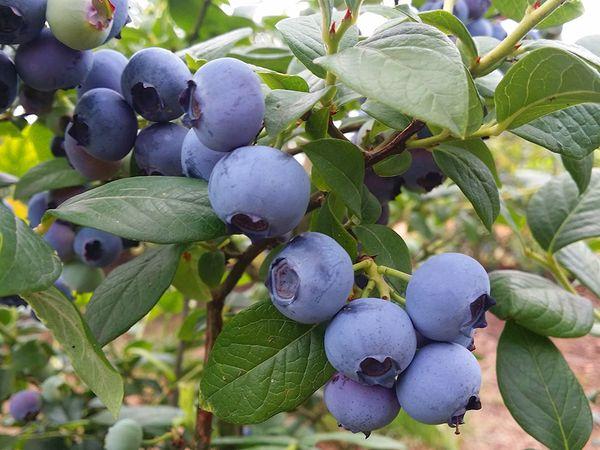
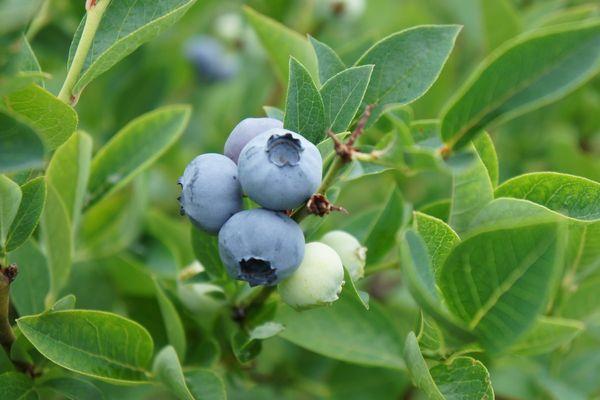
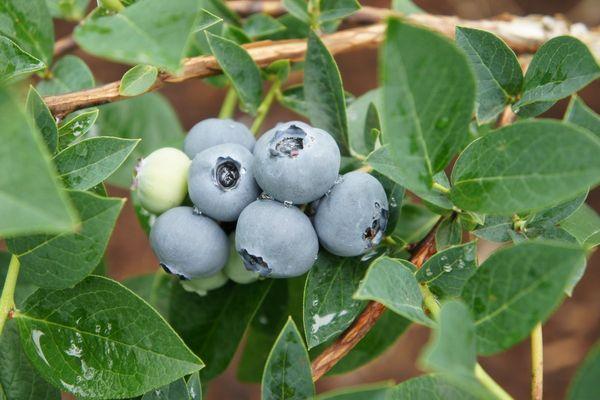
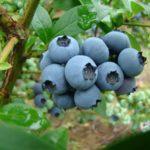
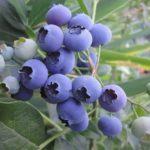
Bluegold blueberries are round and light blue in color. Their sweet and sour flavor develops as they ripen, but their color is noticeable much earlier.
The berries reach 18 mm in size and weigh approximately 2 grams. The pulp contains numerous seeds. The berries separate from the stems fairly easily. When overripe, they may fall off; if deprived of moisture, they dry out and lose their shape.
Flowering period
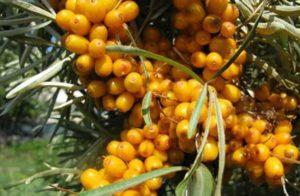
The Bluegold variety begins blooming in the first half of June. The flowering period lasts approximately 20 days, depending on the surrounding climate.
This type of blueberry is self-pollinating, producing both male and female flowers, so insects and special pollinators are not required.
Ripening time
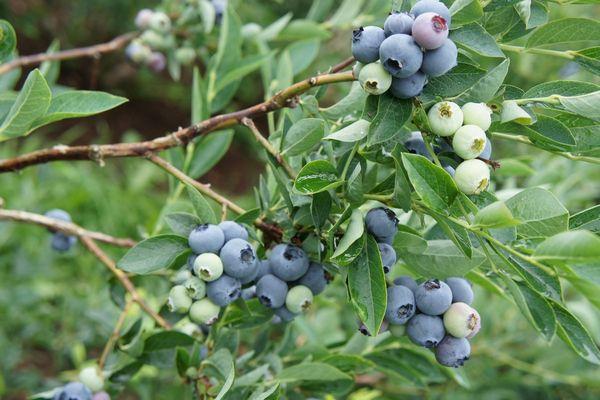
The clusters produce an average of seven berries, which fully ripen in August. The process is gradual, so the harvest can be collected until the end of the month. The first fruits appear on the bush when it is three to four years old. The best harvest occurs in the tree's sixth year.
With good fruiting, up to 7 kg of berries can be collected from a bush.
Applications of berries
Bluegold blueberries contain many beneficial vitamins and minerals, so they're best eaten fresh. However, they retain their beneficial properties when frozen or made into preserves and jams.
Resistance to diseases and pests
This variety has moderate resistance to pests and various diseases. It is most susceptible to various fungi. Cytosporosis, phyllostictosis leaf spot, and septoria leaf spot are dangerous. Among the pests, the bush is susceptible to heather arrowroot, leaf rollers, and geometer moths.
Taste and medicinal properties
Bluegold blueberries have a pleasant flavor. The berries contain numerous organic acids, flavonoids, and phenolic acids. Consuming these fruits is beneficial for blood vessels and capillaries. They improve endocrine function and reduce inflammation. These beneficial substances accelerate the elimination of heavy metals from the body.
Advantages and disadvantages of the variety
The Bluegold variety has many advantages over other similar berries:
- long-term storage is possible;
- dense pulp of berries;
- large volume of harvest;
- self-pollinating variety;
- resistance to low temperatures.
However, this variety also has several disadvantages, although not too significant:
- in the heat the berries dry out quickly;
- when overripe, the fruits fall off;
- The bush grows very quickly.
How to plant correctly
To get a good harvest, you need to plant the plant correctly. Subsequent care is also important.
Recommendations for choosing deadlines
It's best to plant young bushes in the spring. During the warmer months, the plants will establish themselves well and begin to develop branches and roots. If the region is warm, fall planting is acceptable.
Site and soil requirements
Bluegold blueberry bushes are planted in areas with good lighting, protected from the wind.
For planting, choose flat or elevated areas; this type of berry does not like very moist soil.
Site selection and preparation
Acidic soil is best. A special mixture is prepared for planting: high-moor peat, pine needles, sawdust, and sand. If the soil is heavy and clayey, a drainage layer is recommended.
How to select and prepare planting material
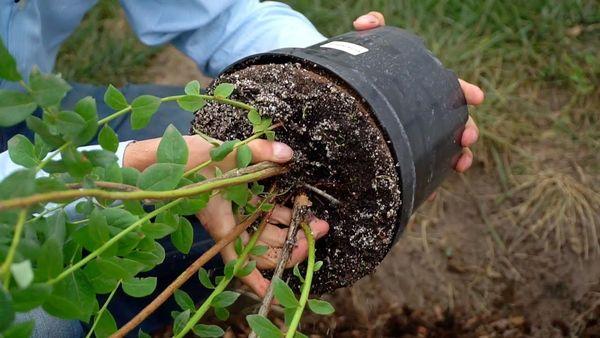
It's recommended to purchase genuine, high-quality seedlings from nurseries. Before purchasing, carefully inspect the plant for damage and disease. If the root system is exposed, soak the seedling in water for a couple of hours before planting. Plants with closed roots should be watered before replanting.
Planting diagram
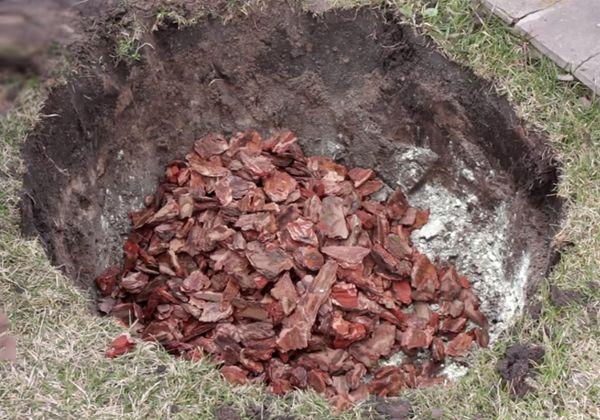
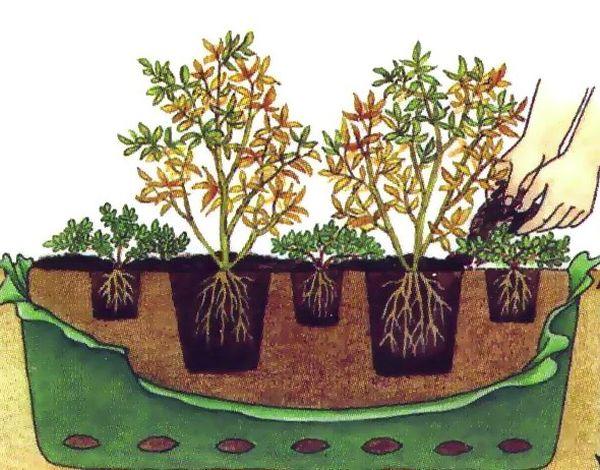
Before planting the seedling, dig a hole half a meter deep and approximately 60 cm in diameter in the designated area. Fill the bottom of the hole with crushed stone and the prepared soil mixture. After planting, water the plant thoroughly and apply mulch. Leave at least 1 meter between plants.
Care instructions
Proper care will allow the plant to develop well and bear fruit better, so it is recommended to follow the necessary rules.
Watering mode
The plant dislikes stagnant water, but moderate watering is necessary. The top 15-20 cm of soil should always be moist.
In rainy summers, watering is unnecessary; in dry summers, once every 2-3 days is sufficient. It's best to do this in the evening using a sprinkler.
It is better not to pour water under the roots so that they do not become exposed and dry out.
Mulching
Peat, sawdust, or pine needles can be used for mulching. It's recommended to apply mulch in the fall to prevent roots from freezing during the winter. In the spring, mulch is applied to maintain the necessary soil moisture.
Top dressing
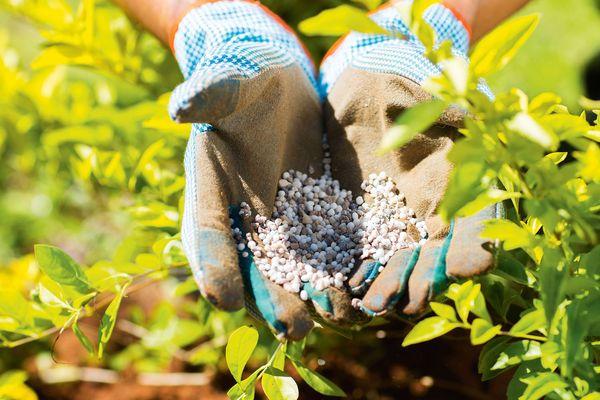
Timely fertilization will ensure a good harvest. Suitable fertilizers include ammonium sulfate, potassium sulfate, ammonium nitrate, and superphosphate. Ash, compost, and potassium chloride should not be used.
Trimming
It's recommended to trim the crown of blueberry bushes periodically. After winter, remove frozen branches, and in the fall, shape the tree by removing excess branches.
Preparing for winter
The Bluegold variety tolerates low temperatures well, so it doesn't require extensive winter protection. Young trees can be covered with plastic, draped over arches. If there's enough snow in winter, the plant can be covered with it to create a snowdrift.
Before wintering, the plant is fed with potassium magnesium sulfate and the root system is covered with mulch.
Weeding
Frequent loosening and weeding provide good access of oxygen to the root system and help get rid of various weeds.
Diseases and pests
Blueberries are often affected by fungal diseases and harmful insects. These problems must be addressed to prevent the plant's death.
Mummification of fruits
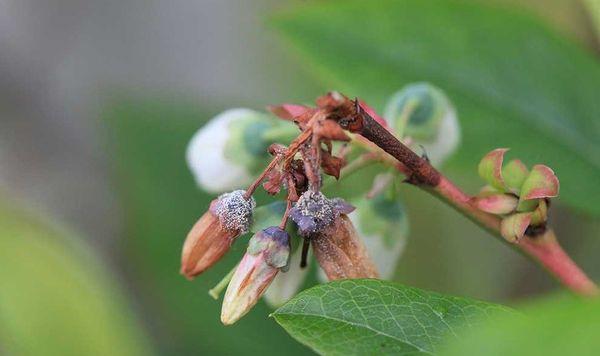
The disease is characterized by the drying of branches and the formation of a gray mass. Later, the berries begin to dry out and take on an orange-brown tint. To prevent further progression of the disease, damaged fruits and branches are removed and sprayed with specialized products. Bordeaux mixture or Topsin solution are the best options.
Take a look Also
Spotting
The disease is characterized by wilting and leaf drop, with red spots appearing on the leaves. The plant is treated with Bordeaux mixture or a solution of Rovral. The disease can be avoided by following watering guidelines, mulching the soil, and using preventative treatments with specialized products.
Fruit moth
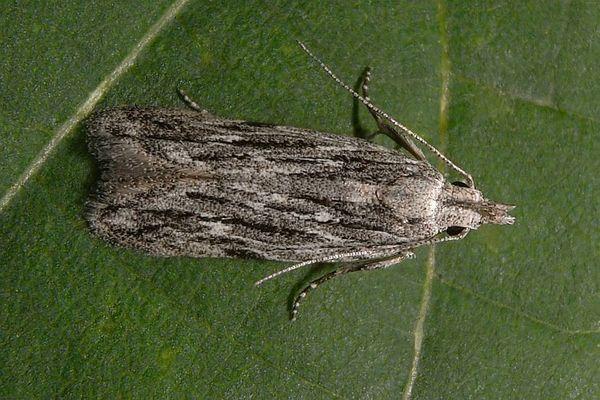
This butterfly can cause quite serious damage to a bush. The caterpillars eat leaves, buds, and even blueberries. To get rid of the pest, the bushes must be treated with Lepidocide several times, every 10 days.
Gall midge
When plants are affected by such a pest, eggs may be found on the back of the leaves. You can get rid of it by removing damaged branches and treating them with Fufanon.
Prevention of damage to plants by pests includes spraying with special insecticides and removing diseased and damaged branches.
Features of reproduction
The Bluegold variety is propagated by cuttings. Two-year-old seedlings are used for this purpose.
Propagation by layering is possible. To do this, bend a single shoot toward the soil in the spring and bury it. Care is the same as for a mature bush. By autumn, a good seedling will emerge. However, this method is only effective in warmer regions.
Harvesting and storage
Blueberries should be picked when the berries easily detach from the stem. Don't wait too long, as the berries may fall off or dry out. Pick from the top of the tree down.
Blueberries can be stored for up to 15 days in containers lined with cloth or paper. They can be kept untouched in the refrigerator for up to six months. They can be made into a puree with the addition of granulated sugar.
Tips and recommendations
Bluegold blueberries are a wonderful plant that's easy to grow in cold climates. To get a bountiful harvest, follow the rules for selecting seedlings and preparing the planting site. Don't forget about proper care, such as treating the bushes against harmful insects, and ensuring timely watering and weeding. If all the conditions are met, Bluegold blueberries will reward you with a bountiful harvest of delicious and nutritious berries.
Related posts:
 Description and rules for growing the Northland blueberry variety
 Description and characteristics of 45 of the best varieties of garden blueberries
 Blueberry recipes for the winter, including freezing or blending with sugar to preserve all the vitamins
 Description and characteristics of the Elizabeth blueberry variety, planting and care
 How to feed and what fertilizers are best for blueberries, soil acidification
 Description of the Early Blue blueberry variety, planting and care
 Description of the Denis Blue blueberry variety and the subtleties of growing it
 Description and growing guidelines for the Reka blueberry variety