
- Description and characteristics of the Reka variety
- The main pros and cons of berry crops
- Selection and cultivation regions
- Necessary climatic conditions for growing crops
- Bush and root system
- Fruiting
- Flowering and pollination
- Ripening time and harvest
- Taste and uses of berries
- Variety immunity
- Resistance to drought and frost
- Planting technology
- Choosing a location
- What kind of soil does the River blueberry prefer?
- Preparing the planting hole and seedling
- Timing and rules for planting operations
- Care requirements of the variety
- Watering mode
- What fertilizers should be applied?
- Pruning a plant
- Preventive treatment of the bush
- Mulching and loosening the beds
- Preparing for the winter period
- Methods of reproduction
- Gardeners' reviews of the Reka variety
The Reka blueberry variety was developed in 1982. It got its name from the berry's resemblance to a river. Since its introduction, this variety has become increasingly popular among gardeners. Characteristic features of this variety include rapid berry growth and a large annual harvest. It is suitable for growing in regions with a temperate climate and periodic weather fluctuations.
Description and characteristics of the Reka variety
The Reka blueberry is an early crop. It begins bearing fruit in the first half of June. Under unfavorable conditions, this period may shift to the end of July.
This variety combines the best qualities of its parent crops:
- high productivity;
- rapid development and growth of plants;
- high taste qualities of fruits.
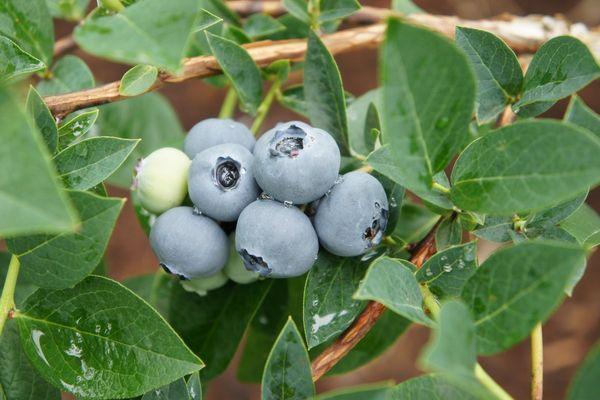 For many years, this blueberry variety was popular in New Zealand, the United States, and Canada. It arrived in Russia much later, and is only now being adopted by local gardeners.
The main pros and cons of berry crops
The advantages of the Reka blueberry variety include:
- early ripening of berries;
- taste qualities of fruits;
- appearance of berries;
- increased resistance to frost;
- large fruit size;
- dense structure of berries;
- universal use of the harvest.
This variety also has its disadvantages, among which the following should be highlighted:
- poor tolerance to strong gusts of wind and drafts;
- excessively active growth of new shoots;
- high sensitivity to soil composition;
- duration of the flowering period of the crop.
Selection and cultivation regions
The variety was developed in 1982 by New Zealand breeders. After extensive testing, the crop was added to the New Zealand state register in 1989. Bluecrop, Ashworth, and Earlyblue were crossed to create this variety. The crop produces its best yields in temperate climates.
Take a look Also
Necessary climatic conditions for growing crops
A moderate climate is ideal for optimal growth and development. Suitable temperatures range from 16-24°C. The plant does not tolerate strong gusts of wind or drafts.
Bush and root system
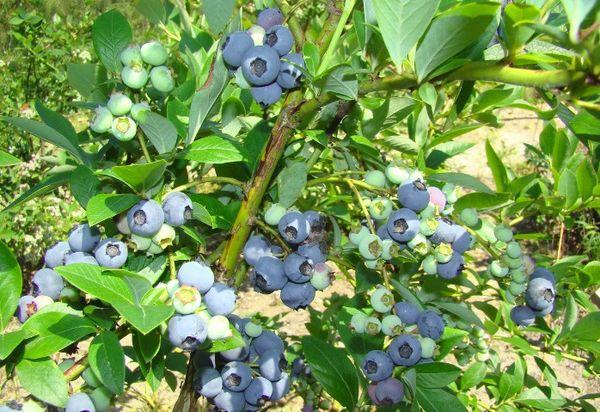
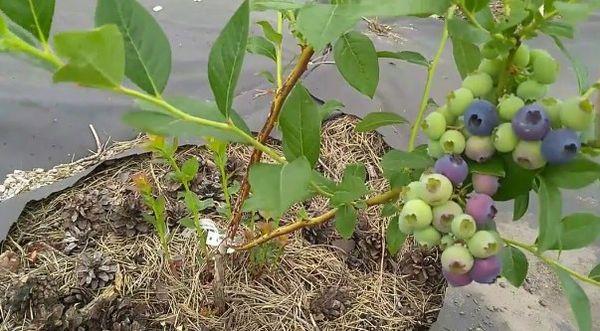
Blueberries are classified as branched subshrubs. However, the Reka variety is a tall plant, which, given the right conditions and proper care, can grow up to 2 meters. The plant has brown bark and is resistant to branch wilt. The root system is extensive and develops quickly.
On average, a blueberry bush lives up to 100 years, but continues to bear fruit only until 60 years.
Fruiting
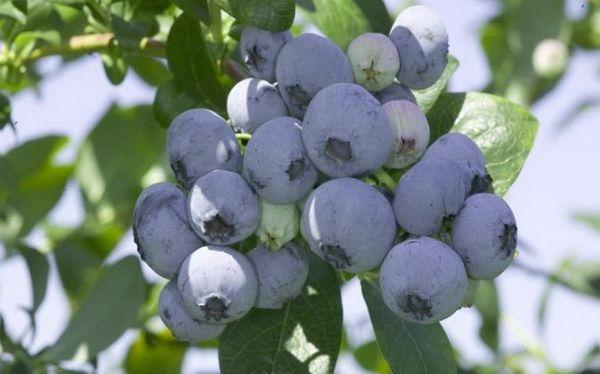
Fruiting begins 3-4 years after planting, with a high yield. A single inflorescence produces approximately 12-20 berries.
Flowering and pollination
Flowering begins in early May, but may be delayed to June in cool weather. This variety is cross-pollinating, so it's a good idea to plant several other shrubs that bloom at the same time next to the Reka blueberry.
Ripening time and harvest
The fruits fully ripen in early or late August. Harvesting should be done immediately after ripening, otherwise the berries quickly spoil and become susceptible to pests. The harvest per season can reach 10 kilograms, but the average yield is 5-6 kilograms. The size of a single berry ranges from 15-20 millimeters in diameter.
Taste and uses of berries
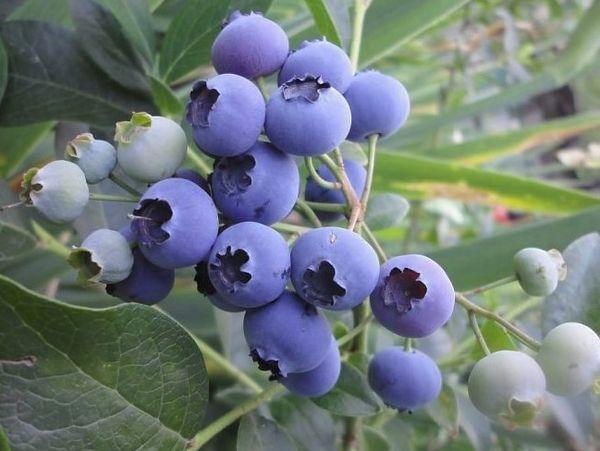
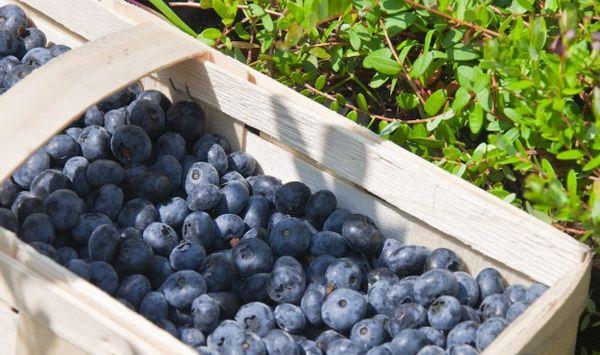
Tasters rate the Reka blueberry variety 4.8 out of 5 stars for its flavor. The fruits have a moderately sweet taste with a subtle tart aftertaste. The berries have a dark blue, fairly firm skin and juicy, watery flesh. The harvest can be transported over long distances due to its firm flesh, which is virtually undamaged by the weight of other berries.
Variety immunity
The Reka variety has average disease and pest resistance. The plant is often attacked by fungal infections and the following insects:
- geometer moth;
- yellow jaundice;
- leaf roller;
- arrowhead.
Resistance to drought and frost
The Reka blueberry variety doesn't like cold weather, but can withstand temperatures as low as -30°C. The bush is drought-intolerant and requires constant watering. Excessive drought or frost can cause the plant to become diseased, and yields may decrease.
Take a look Also
Planting technology
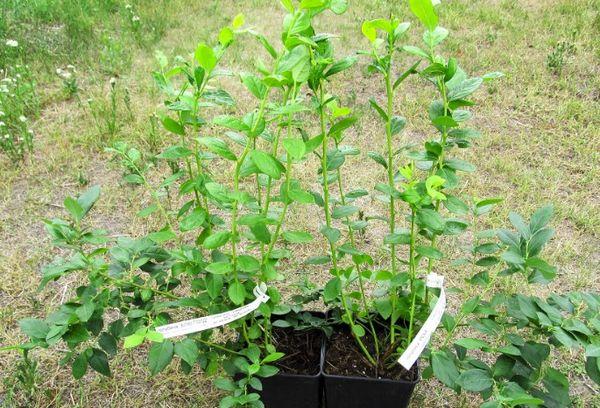
To properly plant a blueberry bush, you should first select the desired site, purchase healthy planting material, and prepare the soil for planting.
Choosing a location
For planting, choose a well-drained plot of land with slightly acidic soil. It's important to choose a location where water doesn't stagnate, otherwise the plant may develop root rot and die. For best growth, provide protection from strong winds and drafts.
What kind of soil does the River blueberry prefer?
Blueberry Reka prefers fertile, sandy, peaty soil with a slightly acidic base. Heavy clay loam is also suitable for development.
Preparing the planting hole and seedling
Before planting, dig a hole 60 centimeters deep and 50 centimeters wide. It's important to set aside the topsoil.
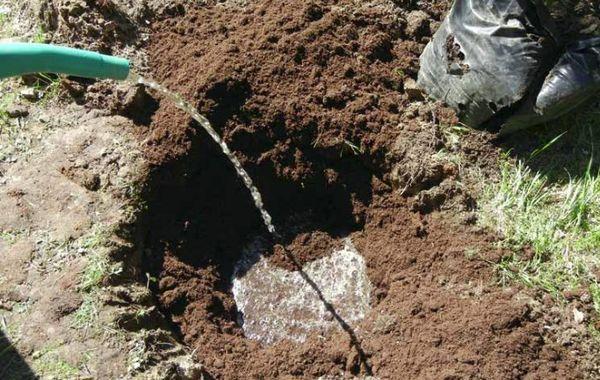
When purchasing a seedling, you should check it for the absence of the following signs:
- visual damage on the surface;
- withering;
- spots of different colors;
- raid;
- traces of the rotting process;
- damage, formations on the root system.
Before planting, the seedling should be soaked for 1-2 hours in water with a solution to stimulate the root system.
Timing and rules for planting operations
In cooler regions, planting should be done in the spring, and in warmer regions, in the fall. When planting, follow these steps:
- Place the seedling in the hole and straighten the root system.
- Cover the roots with soil, leaving the neck above the surface of the ground.
- Compact and water the crop generously.
- Mulch around the plant using peat or dry soil.
Care requirements of the variety
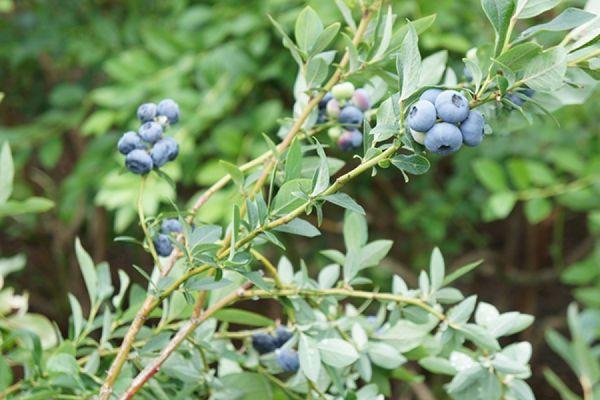
With proper care, a blueberry bush bears fruit abundantly and is not susceptible to diseases and pests.
Watering mode
This variety doesn't tolerate drought, so regular watering is essential. Water the blueberry bush twice a week. It's important to water the plant only when necessary, otherwise, overwatering can cause root rot.
What fertilizers should be applied?
Blueberries should be fertilized twice a year:
- in spring – nitrogen substances;
- in summer – with phosphorus-potassium fertilizers.
Pruning a plant
Reka blueberry bushes require regular pruning. This includes removing diseased, damaged, and oversized shoots. Pruning will help the plant develop better and produce fruit evenly.
Preventive treatment of the bush
This variety blueberries are highly susceptible to fungal diseasesFor this reason, annual preventative treatment is necessary. This requires spraying the plant with Bordeaux mixture before the leaves begin to unfurl.
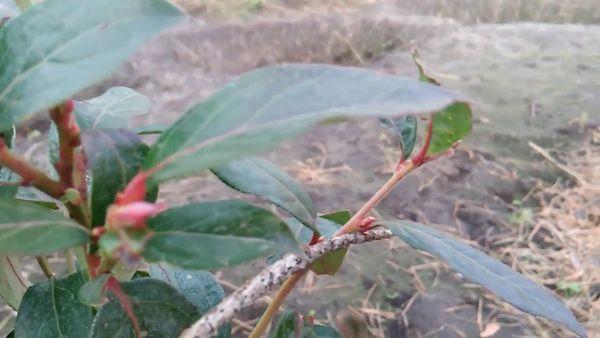
If the bush is damaged by various pests, it should be treated with medicinal products:
- Actellic;
- Inta-Vir;
- Fufanon.
Mulching and loosening the beds
Mulching is used to retain soil moisture and prevent overheating or overcooling of the crop's root system. The following are used for this procedure:
- dry straw;
- wood sawdust;
- peat.
Loosening should be done after each watering, as this saturates the upper layers of soil with oxygen and better saturates the soil with moisture.
Preparing for the winter period
The plant is quite frost-resistant and can tolerate temperatures as low as -30°C. Young plants that haven't yet had time to adapt may require preparation. To do this, cover the branches with one of the following materials:
- spruce branches;
- lutrasil;
- other inorganic materials.
Methods of reproduction
There are 3 methods for propagating blueberries:
- green cuttings;
- seeds;
- cuttings.
The most common method of propagation is cuttings. The planting material is prepared in early spring. Healthy shoots with five developed buds are cut and placed in peat moss, leaving only two buds above the surface. Once the cuttings have developed roots, they are transplanted into open ground.
Gardeners' reviews of the Reka variety
Vladislav, 37 years old, Vladivostok.
"A few years ago, I started growing the blueberry variety Reka. There are no fruits yet, but the bush is developing quickly and has almost reached its peak growth."
Igor, 40 years old, Chelyabinsk.
"The Reka variety is suitable for blueberry connoisseurs; plant care is relatively difficult because the crop does not tolerate local conditions very well."
Related posts:
 Description and rules for growing the Northland blueberry variety
 Description and characteristics of 45 of the best varieties of garden blueberries
 Blueberry recipes for the winter, including freezing or blending with sugar to preserve all the vitamins
 How to feed and what fertilizers are best for blueberries, soil acidification
 Description and characteristics of the Elizabeth blueberry variety, planting and care
 Description of the Denis Blue blueberry variety and the subtleties of growing it
 Description of the Early Blue blueberry variety, planting and care
 Description and characteristics of the Toro blueberry variety, growing rules