
- Botanical description of blueberries
- Is it possible to grow from a seed?
- Suitable varieties
- Preparatory work
- Selection and stratification of seeds
- Preparing the container and soil mixture
- Landing schemes and rules
- Necessary conditions for sprouting
- Temperature and humidity
- Illumination of the place
- Ventilation
- What to do after the seedling appears
- Watering
- Top dressing
- Formation of a bush
- Mulching
- Transfer
- Protection from insects and diseases
- Will the berry plant bloom and bear fruit?
- How to propagate at home
- What are the most common problems encountered?
Many people are interested in how to grow blueberries from seeds at home. This requires choosing the right planting material and carrying out all the necessary preparations. To achieve good results, seedlings need optimal temperature conditions, adequate humidity, and timely fertilization. Young plants also need protection from diseases and pests.
Botanical description of blueberries
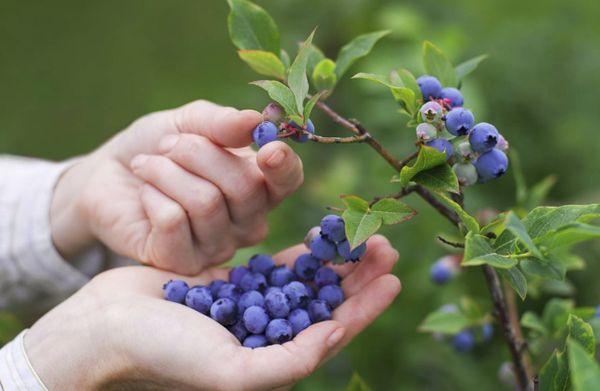
Blueberries belong to the Ericaceae family. Fruiting begins 3-4 years after planting. Today, many varieties of blueberries are known, varying in height, berry size, and flavor. Flowering and fruiting times can also vary..
The bush begins to grow when the temperature rises to 7°C (44°F). If the temperature rises above 18°C (64°F), the bush can grow by 1 millimeter literally overnight. The plant's roots can be either skeletal or procumbent. The plant is frost-resistant but highly sensitive to fluctuations in soil moisture.
Is it possible to grow from a seed?
Blueberries are rarely grown from seed. This is typically done by breeders to develop new varieties. However, some gardeners also resort to this method. To do this, it's recommended to collect the seeds of ripe fruits, dissolve the pulp in water, and stir. The seeds that settle to the bottom are suitable for planting in the ground. It's recommended to collect them, dry them, and sow them.
Experts advise performing this manipulation in August.
Suitable varieties
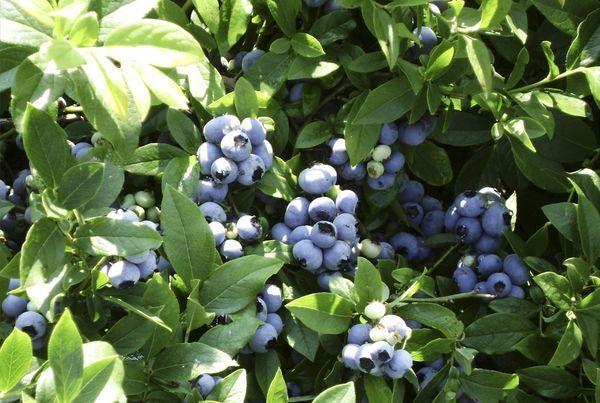
Garden blueberries come in many varieties. To achieve good results in cultivation, it's important to choose the most suitable one. The following varieties are used for seed propagation:
- Early Blue – This variety is characterized by spreading bushes reaching 1.6-1.7 meters. It grows quickly and produces large, light-blue fruits, reaching 18 millimeters in diameter. Ripening begins in June.
- Canadian Nectar – has tall bushes reaching 1.8-2 meters. They are covered with large, round, blue berries. Ripening usually begins in the second half of August.
- Patriot is a tall-growing variety that can withstand temperatures as low as -30°C. The harvest can be completed in late June.
- Blue Crop is a tall cultivar, reaching 2 meters in height. It produces medium-sized berries and is highly frost-tolerant.
- Forest Treasure is a fairly tall plant, reaching 2.2 meters. It is distinguished by its long fruiting period.
- Golubaya Rossyp is a variety obtained by crossing different populations. It is characterized by high frost resistance. The berries reach 0.6 grams in weight and have a sweet and sour taste.
- Elizabeth – grown in the eastern regions. This plant can withstand severe frosts. Fruiting begins in late summer.
Preparatory work
To get a strong plant, you need to properly prepare the planting material, soil, and container.
Selection and stratification of seeds
Blueberry seeds can be purchased at any specialty store or collected yourself. When collecting seeds, consider the ripening time, berry size, and temperature tolerance. When collecting seeds yourself, it's recommended to keep certain considerations in mind. To do this, use only ripe berries.
To extract the seeds, crush the berries by hand. Rinse the resulting mixture thoroughly with water. Only the seeds that remain at the bottom of the container are suitable for planting in the ground.
The seeds should be dried briefly on paper. After this, they are ready for planting in the ground. Alternatively, the planting material can be completely dried and placed in paper bags. In this form, it can be stored for more than 10 years.

Before planting, dried seeds undergo stratification. This important procedure prepares the seeds for germination. To improve germination, seeds should be placed in moist sand or moss. They should remain in this environment for three months. The temperature should be maintained at 3-5 degrees Celsius.
Preparing the container and soil mixture
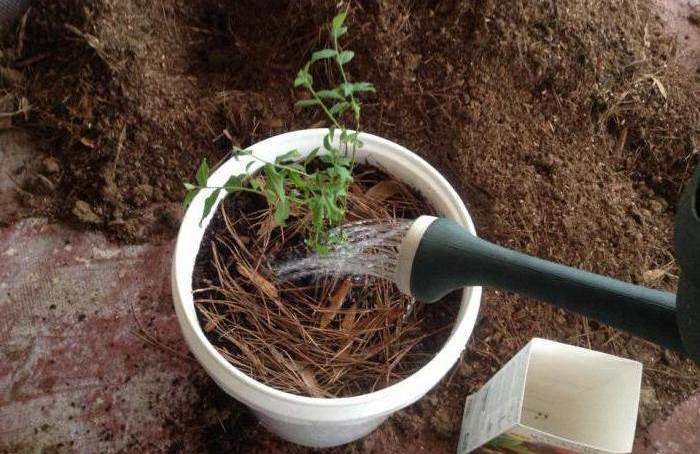
It's recommended to sow fresh seeds in the soil at the end of summer. Stratified seedlings are planted in the spring. You can use regular flower pots or containers for this purpose. Filling the containers with high-moor peat is recommended. To achieve good results when growing blueberries from seed, it's important to choose the right soil. The plant thrives in marshy areas.
To ensure rapid growth, it's recommended to use a mixture of sand and peat. Add pine branches or wood chips to the bottom of the hole where the seedlings will be planted.
Next, add a layer of a mixture of peat and sawdust. For mulching the top layer of soil, it's recommended to use pine needles, compost, or rotted sawdust. It's important to remember that sprinkling blueberries with ash is strictly prohibited. This substance reduces acidity, which will prevent the plant from producing a good harvest and will cause slow growth.
Landing schemes and rules
Plant the seeds shallowly, at a depth of 2-3 millimeters. After planting, lightly water the container. After these simple steps, move the seedlings to a well-lit area and cover them with glass.
It's crucial to water and ventilate the plant. The first shoots should appear within 2-3 weeks. At this point, it's recommended to remove the glass and continue watering.
When 4-6 small leaves appear, it's recommended to plant the plant in a greenhouse. During this time, it's important to constantly monitor its growth, water it, and apply a mineral fertilizer solution.
Necessary conditions for sprouting
To successfully grow blueberries, it is necessary to create optimal conditions for the plant.

Temperature and humidity
A favorable microclimate is essential for seed germination. Adequate humidity levels are essential. Temperature is also crucial, ranging from 23 to 25 degrees Celsius.
Take a look Also

Illumination of the place
Blueberries thrive in well-lit areas. Therefore, it's recommended to place them on a sunny windowsill. The container with the sprouts can also be placed on the balcony.
Ventilation
To ensure the blueberries receive sufficient oxygen, the container, covered with glass, should be regularly ventilated. If mold appears, it is recommended to treat the substrate with a fungicide.

What to do after the seedling appears
Once the seedlings emerge and develop 3-5 true leaves, they are transplanted into small containers or a greenhouse for further growth. It's important to maintain a 10-centimeter spacing between the plants. It's recommended to grow blueberries in a greenhouse for one year.
Watering
While seedlings are growing in a greenhouse or hotbed, they need to be watered regularly. It's important to remember to water sparingly to prevent root rot.
Top dressing
When growing blueberries, it's crucial to apply mineral fertilizers on a timely basis. To improve the soil, mix 1 tablespoon of Kemira with 10 liters of water. You'll need 1 liter of this mixture per square meter.
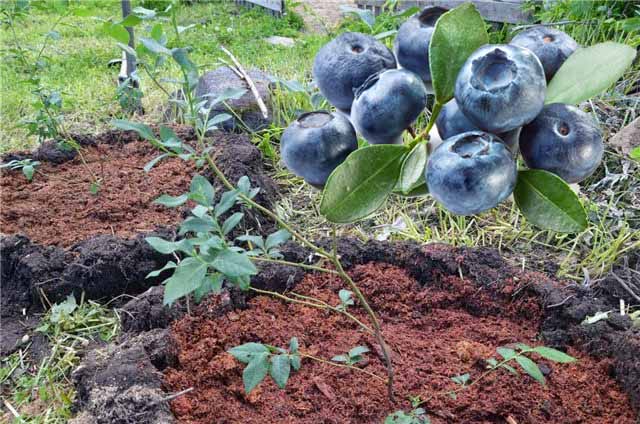
After fertilizing the crop, be sure to rinse the solution off the leaves. Fertilizer should be applied once every two weeks from April to mid-July.
Formation of a bush
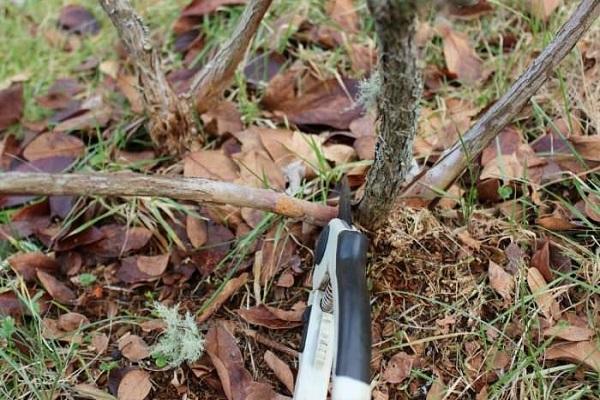
To form a fruitful bush, it's important to prune it regularly. This has a positive effect on the crop's yield. To create a strong base, perform formative pruning in the spring. This should be done before buds appear.
In the first year of development, the length of the shoots should not exceed 10 centimeters from the root.
It is recommended to prune the remaining branches. After winter, the bushes should be carefully inspected. Any broken, dry, or frozen branches should be removed. For young plants, it is recommended to leave 4-5 central shoots. These will eventually form full-fledged fruit-bearing bushes.
When choosing a technique for carrying out the procedure, it is worth considering the height and spread of the crown:
- straight bushes are cut in the center;
- Varieties with spreading branches should be pruned from the bottom and sides; otherwise, the bushes will begin to intertwine with each other, creating an impenetrable thicket.
Mulching
This procedure is recommended to be performed in October. Peat moss is used as a mulch. Its layer should be 7 centimeters thick. To increase soil fertility, the peat moss should be covered with spunbond. In some cases, two layers are even used. This helps prepare the plant for winter.
Transfer
In the spring, it's recommended to remove the spunbond and move the bushes to a seedling nursery. They should be grown there for 1-2 years. Then, the blueberry seedlings are transplanted to their permanent location.
Protection from insects and diseases
The most common blueberry problem is stem canker. This disease causes small red spots to form. Over time, these spots enlarge, become oval, and turn a chestnut-brown color. Gradually, the spots merge, causing the shoots to die.
 To prevent this disease, it's important to control soil moisture. Furthermore, it's not recommended to exceed the recommended dosage of nitrogen fertilizers. Blueberries are also susceptible to other fungal diseases, including Phomopsis, Botrytis, and Moniliosis.
Take a look Also
Birds that peck at the berries pose a threat to pests. A fine net helps protect the bushes. Insecticides are used to combat insect attacks. Actellic or Karbofos are suitable.
Will the berry plant bloom and bear fruit?
Blueberry bushes begin to bloom and bear fruit approximately 3-4 years after planting. At this point, their flavor can be assessed.
How to propagate at home
Blueberry propagation It's not just done with seeds. This procedure is also carried out in the following ways:
- Root cuttings. To do this, separate a cutting from the parent plant, place it in sand, and store it in a cool place. After 1-2 years, you can obtain a seedling. It will bear fruit the following year after planting in open ground.
- Layering. To do this, bend the branch to the ground in spring or summer. Afterward, it's recommended to cover part of it with soil to ensure its own roots develop. The following year, the seedling should be separated from the main plant and moved to its permanent location.

What are the most common problems encountered?
To ensure the plant develops fully, you need to take advantage of the experience of qualified gardeners:
- Pine sawdust is considered the ideal fertilizer for plants. It's recommended to add it sparingly. However, it greatly improves the soil quality.
- Avoid planting in areas with stagnant water. Excessive moisture will deprive the roots of oxygen, which can lead to plant death.
- The plant's main diseases are related to soil composition. At neutral pH levels, the foliage becomes paler. To save the plant, it must be dug up and removed from the soil. It is recommended to fill the hole with peat and replant the plant.
- Blueberries are best planted in the spring. These plants grow stronger and adapt more easily to the local climate.
- The plant doesn't tolerate overheated soil well. It's best to cover the area around the bush with sawdust or plant cranberries.
- It's important to constantly monitor soil pH. The plant requires gray peat, which is moss that has been rotting for several years.
Blueberries are a delicious and healthy berry that can be grown from seed. This is a rather complex and time-consuming process. Beginning gardeners rarely use this method. To achieve good results, you need to provide the crop with optimal conditions and strictly follow basic agricultural practices.
Related posts:
 Methods for planting and propagating cherries at home
 The best methods for growing grapes from seeds at home
 Conditions for growing mandarin at home and rules for caring for the tree
 Growing and caring for hazelnuts in open ground, rules for planting hazelnuts
 The best grape varieties for growing in the Urals, planting and care rules in summer
 Rules for planting and caring for pears in open ground, how to grow them correctly
 Timing and rules for propagating blueberries at home
 Description and rules for growing Solaris grapes