
- Why is pruning necessary?
- Basic rules for carrying out work
- What tools will you need?
- Types of pruning: timing and features
- Sanitary
- Rejuvenating
- Formative
- Pruning patterns for different varieties of barberry
- Ottawa
- Amur
- Ordinary
- Thunberg
- Caring for the plant after pruning
- Top dressing
- How to care for large cuttings
- Common mistakes and how to solve them
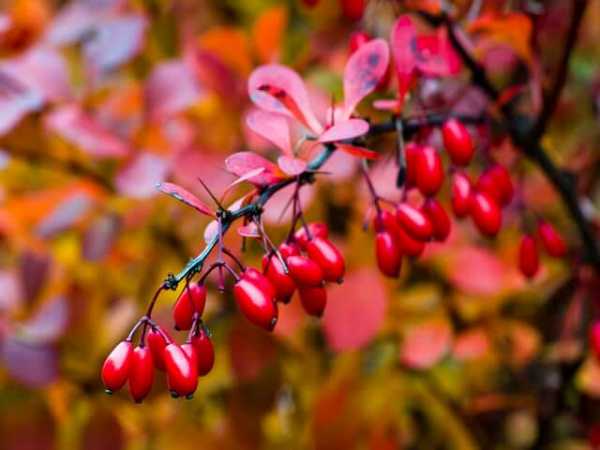
A long-lived and unpretentious plant Barberry is very popular in garden plotsThis shrub is both beautiful and beneficial. It grows very quickly, adding up to thirty centimeters of branch length each year. To improve its aesthetics and yield, it is necessary to periodically prune the barberry. It is important to know all the rules, features, and timing of this essential procedure.
Why is pruning necessary?
Barberry pruning should be done for several reasons:
- formation of a neat and attractive crown shape of a bush;
- increasing crop yields;
- simplification of picking ripe berries;
- protection against fungal spores and insect pests;
- rejuvenation of the plant and prolongation of its life in the garden.
Basic rules for carrying out work
Many beginning gardeners are interested in how to properly prune barberries to ensure maximum benefit to the shrub.
There are several recommendations on this matter:
- The procedure is carried out in the spring before the plant’s buds begin to form;
- branches affected by pests or diseases must be removed completely to prevent further infection;
- During pruning, it is necessary to remove weakened and withered parts of the plant, which spoil the appearance and do not bring any benefit;
- If barberry bushes serve as a hedge in a garden plot, the first pruning is carried out no earlier than two full years after the plants have been in life;
- after the bush reaches ten years, it requires regular rejuvenating pruning;
- the shape of a barberry bush, which performs a decorative function, can be spherical or conical;
- For high fertility, the bush should be planted in an area with plenty of sunlight and warmth, and regular pruning should be carried out.
What tools will you need?
To effectively prune barberry bushes, you will need the following tools and materials:
- garden pruning shears with sharp blades;
- a tool for pruning branches (needed for working with old and very dense bushes);
- protective thick gloves;
- a disinfectant, such as potassium permanganate solution;
- oil paint or garden varnish (necessary for processing cuts with a diameter exceeding 5 millimeters).
Take a look Also
All work on pruning barberry bushes should be carried out wearing a jacket made of thick fabric.
Types of pruning: timing and features
There are three types of barberry pruning procedures. Each has its own unique characteristics and must be completed within a specific timeframe.
Sanitary
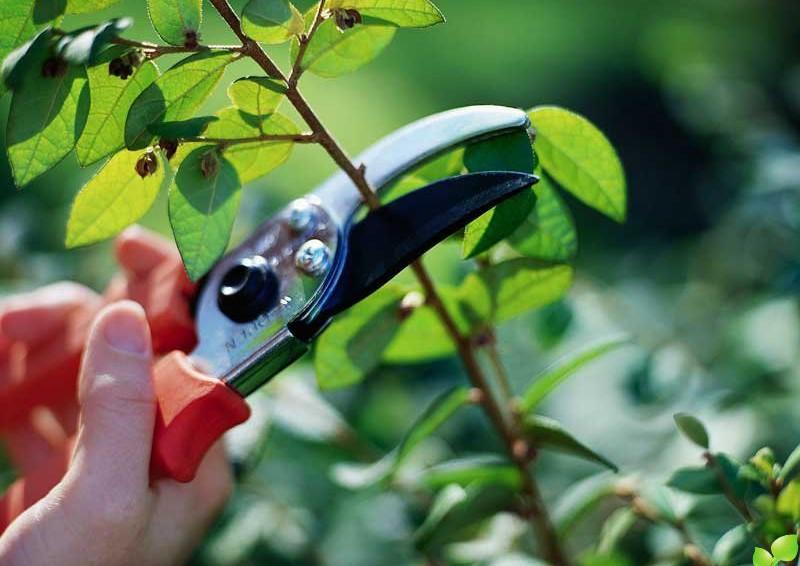
Sanitary pruning of barberry is the most important for the plant, as it protects it from diseases and pests. This procedure involves regularly thinning the shrub's crown and removing damaged branches.
When planting a barberry bush in the spring in March or April, it is necessary to remove weakened branches and slightly shorten the length of healthy ones.
In the second year of the plant's life, all shoots need to be cut off, leaving stumps at a level of 8-10 centimeters from the soil surface.
In the third year, shoots are again cut 3-5 centimeters higher than during the previous pruning.
Additional sanitary pruning should be carried out in the fall - September and October are favorable months for this procedure.
Rejuvenating
Barberry bushes that are 8-10 years old and have lost their former decorative appeal require rejuvenating pruning. This procedure is performed in the spring and involves completely cutting back the old shoots. This stimulates the vigorous growth of new, healthy shoots.
Formative
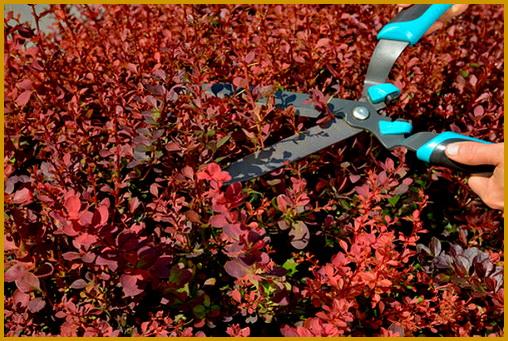
Crown shaping should be performed during the first 4-5 years of a barberry bush's life. This process is preferably performed in summer or early fall. Pruning shears or pruning shears are used to shape young plants into the desired shape.
Formative pruning of mature shrubs is carried out the following year after the rejuvenation procedure, using powerful electric shears.
When creating a hedge or plant sculpture in a garden, topiary is used instead of formative pruning. This allows barberry bushes to be shaped into spheres, cubes, pyramids, or cylinders.

Pruning patterns for different varieties of barberry
It is useful for beginning gardeners to know that the patterns and principles for shaping barberry bushes vary depending on the variety of this fruit plant.
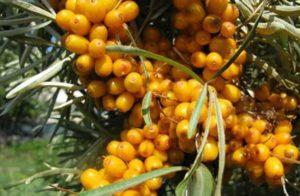
Ottawa
This shrub averages one and a half to three meters in height. It is characterized by shoots that branch off at an acute angle from the trunk and grow upward. When using the Ottawa barberry variety in group plantings, regular formative pruning is required. During the initial pruning, each shoot should be shortened by half its length.
All that remains is to maintain the desired shape—pruning any excess in spring, summer, and fall. A self-growing shrub doesn't require such treatment. The only thing you need to do is leave the desired number of trunks on the bush.
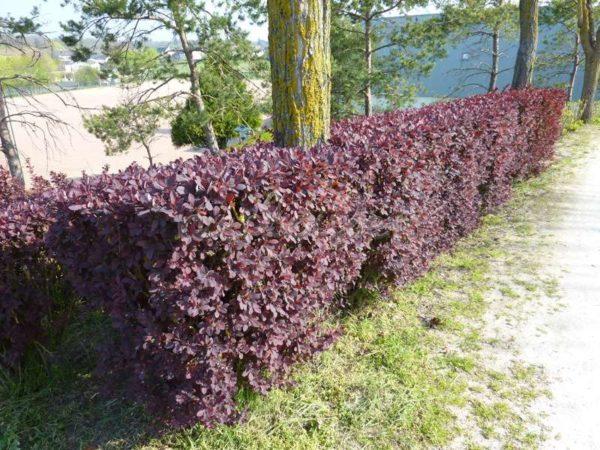
Amur
Amur barberry is a tall shrub (up to three and a half meters) that looks impressive both singly and in groups. It is often used as a hedge. Formative pruning allows you to adjust the height of the bush and make it more compact.
Ordinary
Common barberry is characterized by its multicolored leaves, giving it a striking appearance in gardens. The shrub reaches a maximum height of three meters. When used as a decorative plant sculpture or hedge, the crown should be pruned at least twice a year.
Thunberg
Thunberg barberry belongs to the dwarf varietiesIt is characterized by slow growth, which means there is no need for frequent shaping work.

This variety is often used in decorative borders. To give the bushes a more lush and dense appearance, lightly trim the shoots.
Caring for the plant after pruning
To maintain the attractive and healthy appearance of a barberry bush after pruning, it's important to provide it with proper care. This includes treating the cuts and fertilizing the plant.
Top dressing
The types of fertilizers needed for shrubs depend on the situation. In the spring, after pruning, the plant needs nitrogen, which is found in simple organic fertilizers. To achieve this, spread a water solution of mature compost around the trunk.
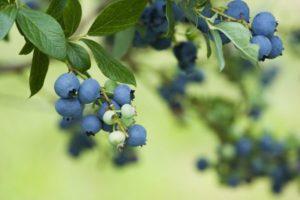
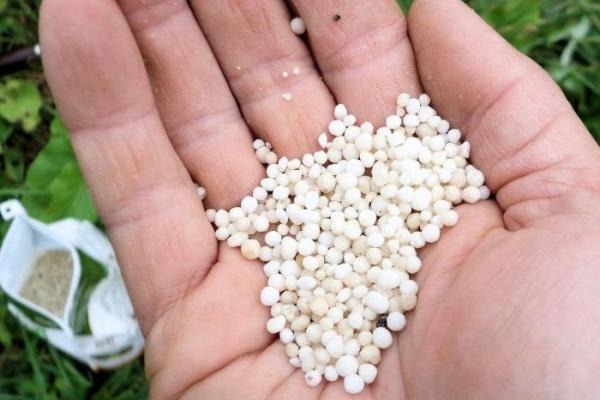
In summer, after formative or sanitary pruning, barberries need phosphorus and potassium. To achieve this, feed the plant with stove ash or bone meal. You can also use ready-made mineral fertilizers.
The decorative formative pruning procedure is completed with foliar feeding of the shrub. For this purpose, liquid solution of potassium humate or an infusion of fermented herbs.
How to care for large cuttings
If the cuts are 5-7 millimeters or more in diameter, they must be properly processed. This prevents the penetration of pathogenic bacteria and dangerous fungal spores.
Immediately after pruning, apply a thin layer of any of the following products to the cut:
- special antiseptic for garden crops;
- garden var;
- brilliant green solution;
- oil paint.
In such cases, wood does not rot, and fresh bark grows quickly.
Common mistakes and how to solve them
Inexperienced, novice gardeners may encounter difficulties when pruning barberries. It's important to be aware of these in advance to prevent:
- Remaining burrs can cause rot in the core of the plant's shoots. To prevent this, use sharp tools that ensure precise cutting.
- Hollows may form in the place of remaining stumps after several years. This can be prevented by prompt and proper treatment of the cuts.
- Too drastic a rejuvenation pruning can slow down further plant growth. Therefore, it's best not to perform the procedure in one go; it's better to divide the work into 2-3 stages.
Related posts:
 Planting and caring for barberry bushes in open ground
 Description of the 20 best varieties and types of barberry, planting and care rules
 Useful properties and contraindications of barberry fruits, rules of application
 When is the best time to harvest barberries, how to dry them, and storage rules
 How to propagate barberry at home using cuttings in summer, growing rules
 Timing and rules for peach pruning, formation scheme after harvesting
 How to prune grapes step by step for beginners
 A diagram and how to prune blueberries for beginners