
- Benefits of barberry: advantages of planting it in your garden
- Description and characteristics
- Bush
- Flowering and fruiting
- Habitat
- What conditions does the plant require?
- Optimal climatic conditions
- Illumination of the area
- Suitable soil composition
- Favorable and unfavorable neighbors
- Planting barberry in open ground
- Preparing the site and planting hole
- Preparing the seedling
- Planting layout schemes
- Timing and process of planting
- How to care for a plant
- Watering
- Top dressing
- Weed control
- Loosening and mulching the soil
- Diseases and pests: preventive and curative treatments
- Crown formation
- Preparing the bush for winter
- Methods of reproduction
- Seeds
- Cuttings
- Layering
- By dividing the bush
- Popular varieties and types
- Ottawa
- Thunberg
- Ordinary
- Red
When landscaping a garden with ornamental shrubs, it's easy to get overwhelmed by the sheer number of them. A sure-fire option is the versatile barberry, which boasts a wide variety of leaf colors and flowers in all shapes and sizes. This allows you to realize your every fantasy and create a unique composition. When deciding to get a barberry, it's important to familiarize yourself with planting and caring for the shrub.
Benefits of barberry: advantages of planting it in your garden
Many gardeners choose barberry because:
- The shrub serves as an accent in a landscape composition. It is planted as a striking element in the garden, looking impressive both alongside conifers and when planted alone.
- Barberry fruits, endowed with a sour taste, are actively used in cooking for preparing compotes, seasonings, and marinades.
- The plant's beneficial properties are widely used in pharmacology; medicinal tinctures, teas, tablets, and ointments are made from the fruits, roots, and stems.
- Traditional healers, knowing the properties of barberry, use it as a weapon against many diseases.
Thanks to such a list of benefits, barberry is well known to gardeners all over the world.
Description and characteristics
Barberry belongs to the Berberis genus of shrubs and the Berberidaceae family. Species differ in foliage color, plant shape, and size.
Bush
Barberry is a thorny, branched, woody shrub growing up to 2 m in height, with powerful roots and simple, sometimes leathery, 3-4 cm long leaves gathered in bunches, alternately arranged on flexible stems. They are ovoid or elliptical in shape.
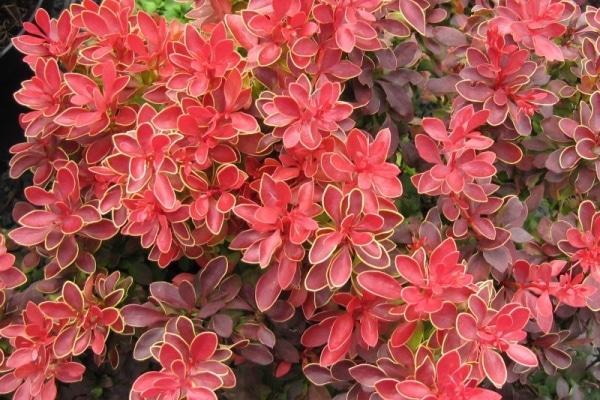
The plant's value lies in the varied color of its leaves: light and dark green, purple, reddish-brown, violet, and yellow. The bark is light brown on the outside and dark yellow on the inside. The plant's upright shoots are yellowish, turning whitish-gray over time. The shoots and trunks are covered with thorns, resembling tridents in appearance.
Flowering and fruiting
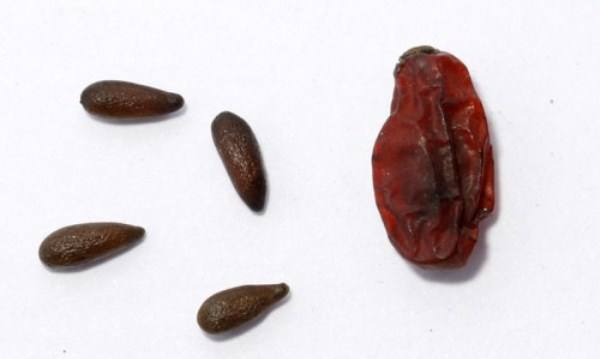
The plant's flowers are bisexual, solitary or in clusters, and bloom in the last ten days of May to early June. They are pollinated by bees. Barberry's fruits, ripening in September and October, are eye-catching, captivating with their vibrant red color and containing 1-5 oblong seeds.
Habitat
Barberry thrives in the Transcaucasus, Southern and Eastern Europe, Siberia, and the Urals, growing in dry, sunny areas near forests and on mountain slopes. The plant is also found in central Russia, southern Europe, and Crimea.
What conditions does the plant require?
When growing barberry in your garden, you should consider the climate and weather conditions in which it will grow, as well as know its key characteristics, namely, its requirements for light, fertility, acidity, and moisture.
Optimal climatic conditions
Suitable areas for cultivation are regions with a mild climate. Barberry is an easy-to-grow plant. With proper planting and care, it tolerates both winter cold and summer heat well, and can thrive even in poor soil.

Illumination of the area
All barberry species are sun-loving and thrive in partial shade, although the foliage will not develop its beautiful purple color under these conditions. Shade also negatively impacts the yield and flavor of the crop's fruit.
Suitable soil composition
Barberries prefer neutral soil. The soil mixture should contain sand, humus, and garden soil. Barberries thrive in moderately acidic soil. If your soil is highly acidic (above 7.0 pH), add slaked lime before and after planting.
 It is important to take into account that close proximity to groundwater can cause root rot.
Favorable and unfavorable neighbors
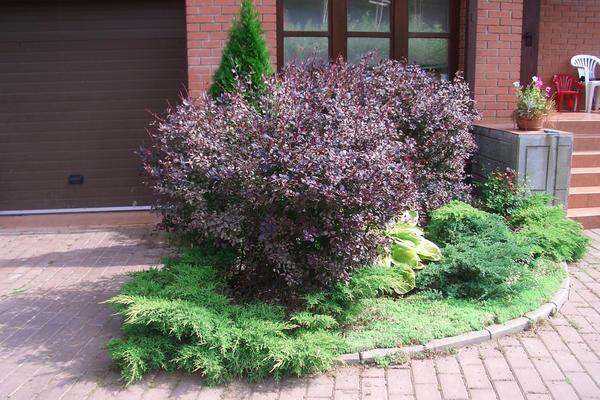
Conifers are considered the best companions for barberries. Stunning compositions can be achieved by combining various shrubs, garden flowers, and dwarf tree varieties.
It would be a bad idea to plant barberry near fruit trees, namely apple, pear, and plum trees.
These crops drain all the nutrients from the soil, preventing the barberry bush from obtaining micronutrients. They also shade the barberry, preventing its full development.
Planting barberry in open ground
Planting barberries in open ground is easy and doesn't require much effort. It's important to properly prepare the site and planting hole, as well as the seedlings, and know the timing and layout of the plantings.
Preparing the site and planting hole
To ensure that your barberry will delight you with its beautiful appearance and that its care and cultivation will be hassle-free, you should carry out the following activities on the plot before planting:
- Remove weeds.
- Dig up the soil.
- Fertilize the soil, taking into account its fertility and acidity.
A planting hole should be dug in advance, measuring 40 x 40 x 40 cm. Place drainage material at the bottom, then add sand, turf soil mixed with compost, 200 g of superphosphate, 100 g of potassium sulfate, and some minerals. If the soil is highly acidic, add 400 g of lime and 200 g of wood ash.
Preparing the seedling
High-quality planting material is considered crucial when establishing barberry, as a weak seedling infected with parasites and fungi will not produce a full-fledged, fruitful plant. The bush must have strong roots and be free of visible defects.
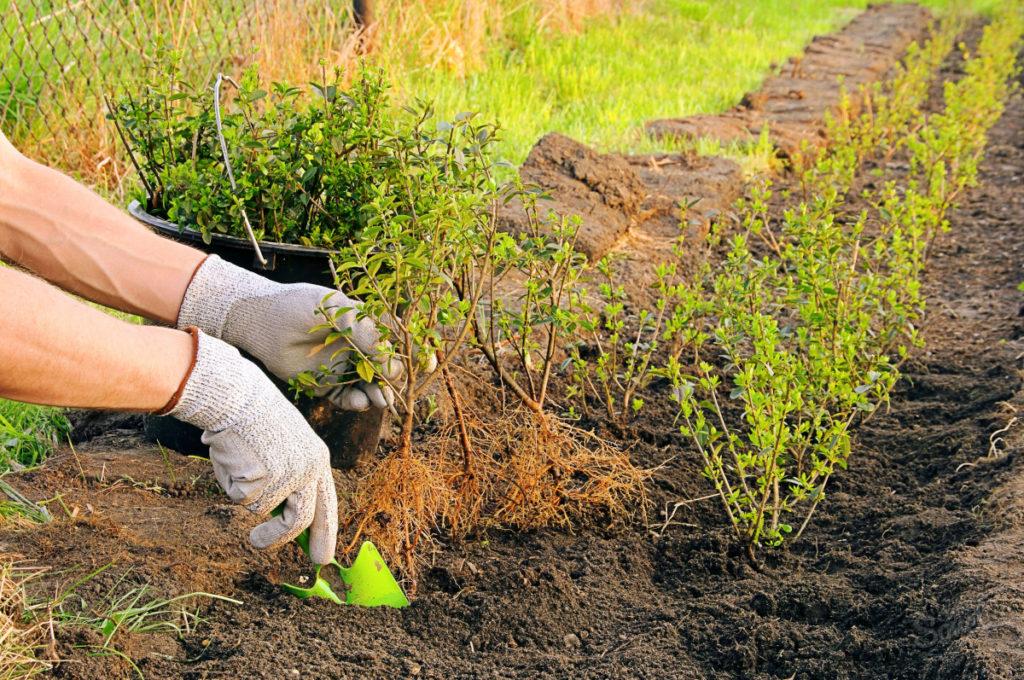
When buying a seedling without a container, you need to plant it in the ground immediately, otherwise the plant will wither.
Planting layout schemes
Barberry grows quickly, so planting holes should be spaced 1.5-2 m apart. When creating a hedge, plant seedlings at a distance of 30-40 cm between each planting.
Timing and process of planting
Planting of seedlings can be carried out both in spring (late March – early April) and in autumn (mid-September – early October).
Landing algorithm:
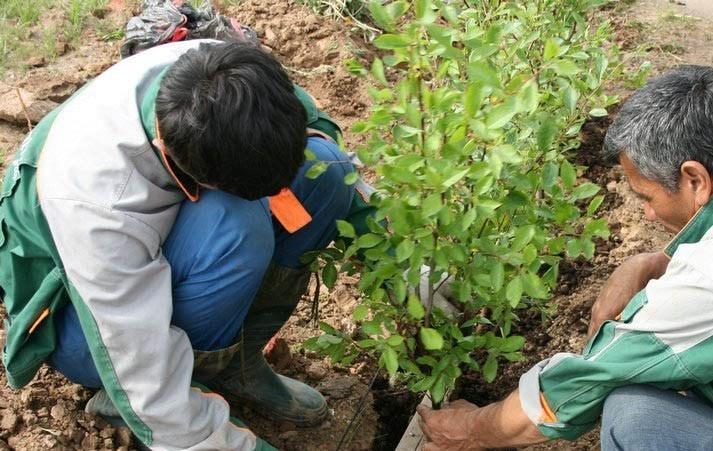
- Plant the seedlings in the holes so that the neck is 3-4 cm underground.
- Water the plantings thoroughly using warm water.
- Mulch the soil around the trunk with sawdust and leaves.
Tip! After planting, trim the top of the seedling, leaving 3-4 developed buds. This will help the plant survive the planting process more easily and grow into a bush more quickly, adding beauty to your garden.
How to care for a plant
Properly managed barberry care, taking into account its biological characteristics and intended uses, will help it grow a healthy, graceful shrub. This will help it maintain its vitality and strength over a long period.
Watering
In summer, watering barberries is not recommended unless rainfall is favorable. Only during extreme heat and drought should the soil be regularly moistened with warm water at the roots, being careful not to splash it on the foliage. Newly planted bushes require frequent watering until they become established, and in August, when the fruit begins to swell.
Top dressing
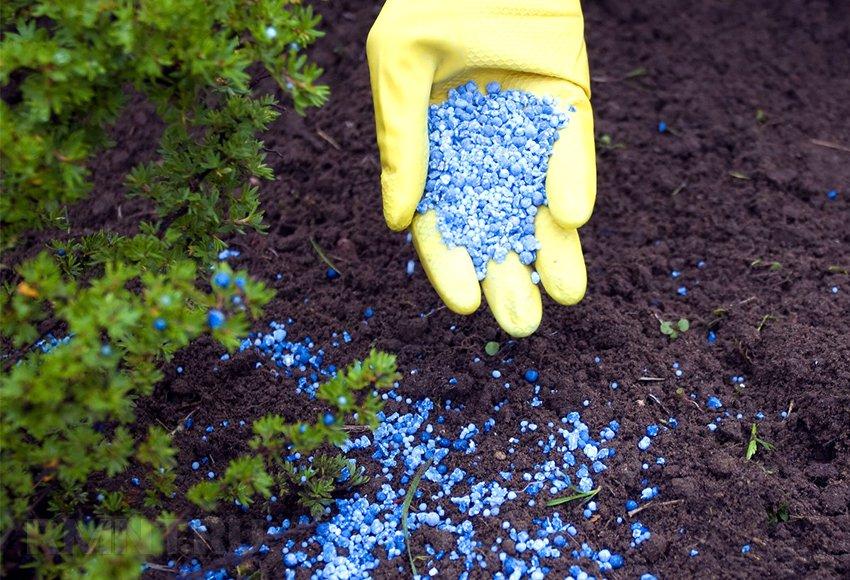
Fertilizing barberries should begin in the second year after planting, once every three years. In the spring, apply nitrogen fertilizer by diluting 20-30 g of urea in 10 liters of water per plant. This will stimulate intensive growth and the formation of foliage and stems. In the fall, to ensure abundant flowering and fruiting, apply phosphorus and potassium, using 15 g of superphosphate and 10 g of potassium salt per plant.
Weed control
Maintenance also includes active weed control. This involves weeding several times per season, eliminating all weeds that are detrimental to the barberry's growth and rob it of vital moisture and essential nutrients.
Loosening and mulching the soil
Loosening the soil removes excess moisture and oxygenates the soil. After weeding, it's recommended to mulch the soil with peat, sawdust, or tree bark. This will reduce the need for watering and loosening the soil and prevent weed growth.
Diseases and pests: preventive and curative treatments
Barberries are resistant to fungi and pests, but if improperly cared for, they can be susceptible to diseases such as powdery mildew, rust, and bacterial wilt. Fungicides are recommended for control.
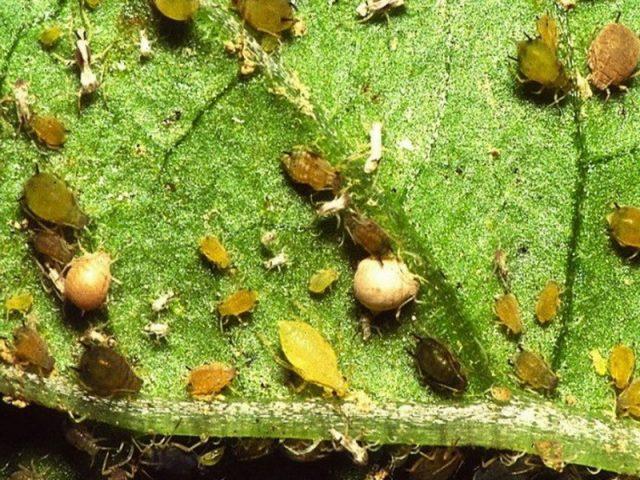
Dangerous pests that have taken a liking to the plant are the barberry aphid, which damages the foliage, and the geometer moth, whose larvae destroy the tasty berries.
For prevention purposes, you should adhere to the basic rules:
- When planting, maintain a distance between bushes, following the recommendations of agricultural technicians regarding the placement of plants.
- Ensure regular and moderate ventilation, and also avoid drying out the barberry root system.
- Systematically add organic and mineral elements that increase resistance to viruses and aggressors.
- Carry out sanitary pruning in spring and autumn to prevent insect larvae from reproducing in the bark of dead shoots.
- Constantly inspect the plant bushes and, upon detection of the first symptoms of diseases or pests, take prompt action.
Important! Detecting the disease at an early stage means saving your barberry bush as quickly as possible.

Crown formation
Pruning barberry is the most beneficial activity the plant requires. When pruning, follow these guidelines:
- Prune in spring before the first buds form.
- Remove pest-infected stems using specialized tools to prevent further infection of the plant. Burn the infected parts after completion.
- If the barberry is used as a hedge, it should be trimmed 2 years after planting, removing 2/3 of the bush at the beginning and end of the summer period.
- The plant can be given a variety of shapes, not limited to the choice of geometric figures.
- Barberry aged 10 years or more requires regular rejuvenating pruning, which involves removing old shoots down to the base of the plant.
By applying these rules in practice, you can diversify the design of the site and give it originality.
Preparing the bush for winter
To ensure your barberry survives the winter and thrives next year, delighting you with stunning blooms, you need to take care of the plant in the fall. Start by tidying up the area around the bush. This includes:
- removal of debris and digging of soil;
- fertilizing with compost;
- carrying out sanitary pruning;
- mulching using loose peat.
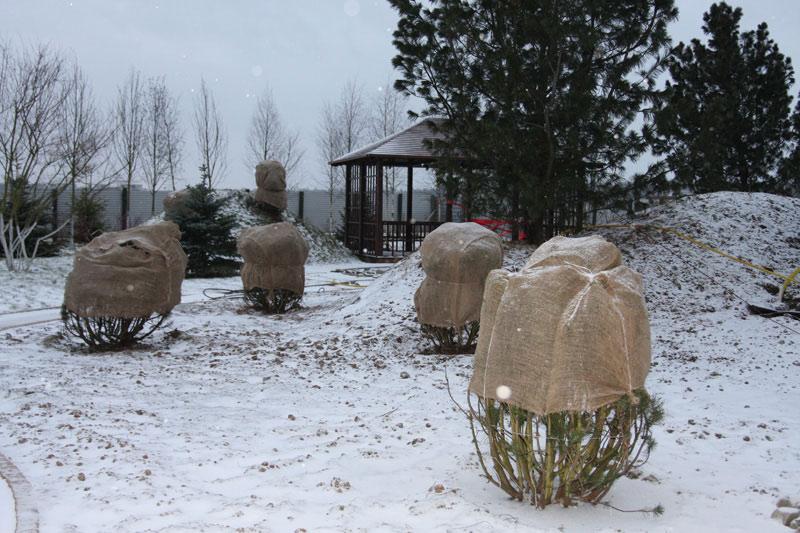
Young five-year-old barberry bushes are frost-sensitive, so cover them with spruce branches before frost sets in. Tie the thorny bush with rope, construct a box around it, fill it with dry leaves, and wrap the top with agrofibre.
Methods of reproduction
There are several options for propagating barberry: germinating from seeds, preparing cuttings, rooting lateral shoots, or separating the mother bush.

Seeds
To create a spectacular bush from small seeds, select ripe, large fruits and remove the seeds from the pulp. Rinse them under running water, treat them with a weak potassium permanganate solution, and dry them.
Sow seeds in the fall in fertile soil, planting them in furrows 1 cm deep. Overwintering under the snow, the seeds will strengthen and sprout vigorously in the spring.
They need to be thinned out, leaving the largest seedlings. Next season, the plants can be planted in a designated spot in the garden.
Cuttings
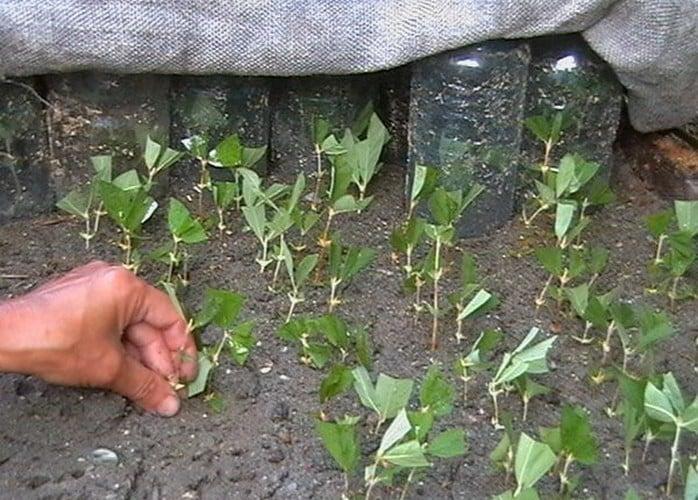
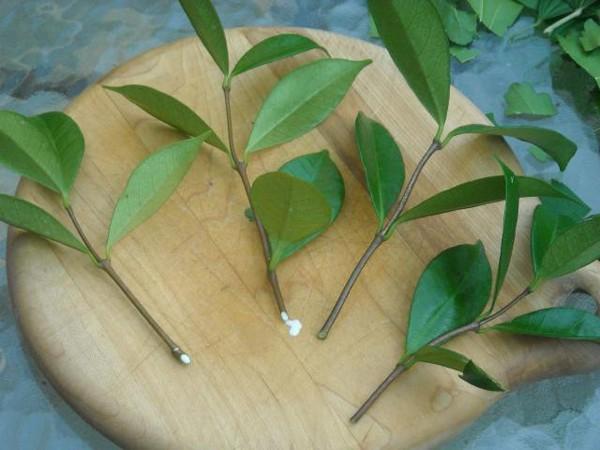
The best time to take cuttings is early morning in July. To do this, take 15-cm-long cuttings from the side branches. Remove the lower leaves, treat the bases with a rooting stimulant, and plant them in a soil mixture containing peat and sand, covering with plastic wrap. Once the cuttings have rooted and begun to grow, they should be planted in containers filled with moist, loose soil with added minerals. The following year, the plant can be replanted outdoors.
Layering
To propagate barberry by layering, select a strong one-year-old shoot, bend it to the ground, and cover it with potting mix, ensuring only the tip of the shoot is visible above the soil. At the end of the season, when the shoot has formed roots, carefully separate it from the bush and replant.
By dividing the bush
This method requires the following steps: dig up a healthy mother bush and divide it into sections with a sharp knife. If the barberry roots are strong and large, carefully saw them apart and plant them in holes filled with moist soil.
Popular varieties and types
There are approximately 175 varieties of barberry, each with its own characteristics. The following species grace garden plots.
Ottawa
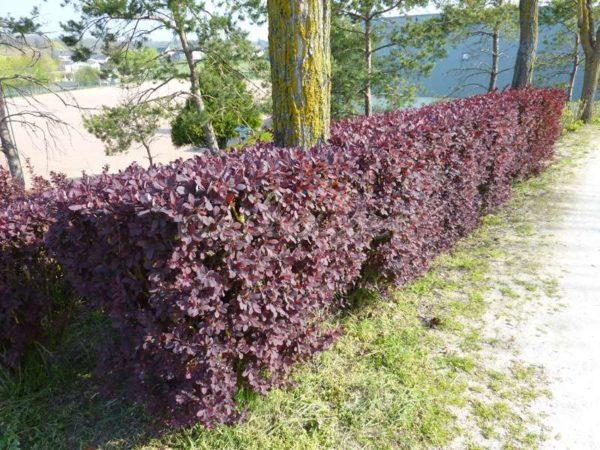
An elegant barberry growing to 2 meters tall. The foliage is purple all season, turning crimson in the fall. This variety is popular for its yellow flowers with a reddish tint, borne in clusters of 8-10. Flowering occurs in late May. The fruits are a deep red.
Thunberg
This species is a beautiful deciduous plant growing to 1.5 meters in height. The foliage boasts yellow or red coloring in spring and summer, turning brown in autumn. The yellow flowers are edged with red. The barberry blooms for only 8-12 days.
Ordinary
A branched plant distinguished by brownish-gray shoots and elliptical, thin, membranous foliage, dark green above and gray-green beneath. Its glossy, honey-scented, yellow flowers, gathered in racemes about 6 cm long, make it popular with gardeners. Barberry blooms for 13-20 days, after which numerous bright red fruits adorn the bushes.
Red
What's unique about this barberry variety is that it delights with its red-purple foliage throughout the growing season, not just in autumn. The leaf coloring depends on the variety; it can be entirely red or only the outer edge.
Related posts:
 Description of the 20 best varieties and types of barberry, planting and care rules
 Useful properties and contraindications of barberry fruits, rules of application
 When is the best time to harvest barberries, how to dry them, and storage rules
 When and how to prune barberries for beginners
 How to propagate barberry at home using cuttings in summer, growing rules
 Signs of pest and disease attacks on barberry, treatment methods
 Description of the Barberry tomato, its characteristics and care
 The best eggplant varieties for growing in a polycarbonate greenhouse: planting and care