
- Beneficial properties and medicinal effects of berries
- Existing contraindications
- When to harvest barberries
- Depending on the growing region
- Depending on the variety
- Signs of fruit ripeness
- Collection rules
- Manually
- With the help of special devices
- Duration and storage conditions of fresh product
- Methods of harvesting
- Drying
- Freezing
- Making jelly
- Jam
- When to harvest and how to store other useful parts of the plant
- Bark
- Roots
- Leaves
- Seeds
We've all been familiar with these small red berries since childhood, primarily from candy and lemonade. But barberries are also widely used in cooking and as an effective medicinal herb. To preserve barberries' excellent flavor and medicinal qualities, it's important to know how and when to harvest the berries, as well as the leaves, roots, and bark.
Beneficial properties and medicinal effects of berries
The healing properties of barberry have been known since ancient Greece. A tincture of barberry leaves is used to treat and prevent liver, kidney, and bile duct diseases. It acts as a choleretic and anti-inflammatory agent. The bark, roots, and leaves of the shrub contain 11 alkaloids, including berberine, which helps reduce heart palpitations and lower blood pressure.
A tincture made from them helps with bleeding, inflammation, colds, and even fever. A drink made from barberry berries is used for gastritis; their juice has antimicrobial and antipyretic properties.
The fruits are used to remove toxins and generally cleanse the body, and they help slow down the aging process.
Barberry tincture is sold in pharmacies; doctors recommend it for hepatitis, uterine bleeding, and gallstones. Berberine is also made from it. In cosmetology, it is used in the form of decoctions and various tinctures, as well as for masks. Barberry is widely used in cooking, particularly as an essential ingredient in Uzbek pilaf. Its berries are also used to make liqueurs, candies, wines, jams, preserves, jellies, lemonades, syrups, and various condiments.
Existing contraindications
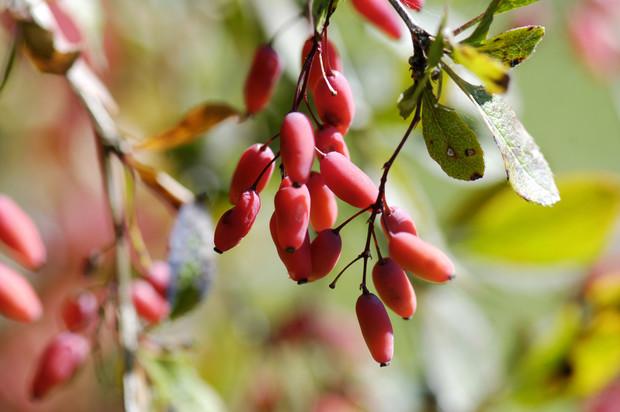
Only ripe berries, red or reddish-brown in color, should be harvested. Unripe barberries are poisonous. Because they stimulate muscle activity, they should not be consumed during pregnancy, as they can cause miscarriage. They are also not recommended during lactation.
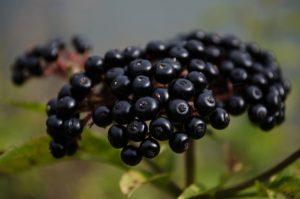
Moreover, the berries have a strong sedative (calming) effect. Consuming large quantities of the berries or barberry-based medications can lead to poisoning, severe dizziness and nausea, swelling, cramps, and nosebleeds. Barberry berries and barberry-based medications are contraindicated for those with liver cirrhosis.
When to harvest barberries
The fruits should be picked only when ripe—green berries can cause food poisoning. Harvest times vary depending on the growing region and variety.
Depending on the growing region
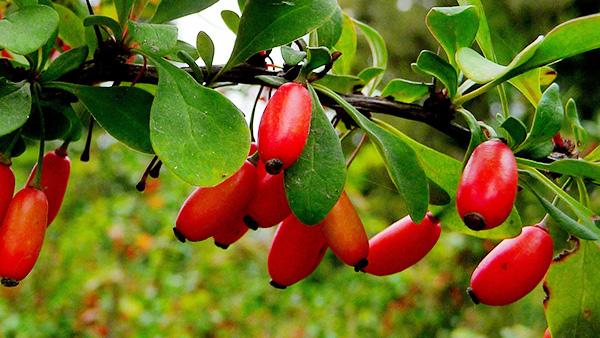
In the central part of the country, barberry harvesting begins in the third ten days of August or early September. In the southern regions, harvesting begins in the first half of August. Barberries are also harvested after the first frosts; their flavor only improves. The berries can easily hang until mid-January or early February without significant loss of quality.
Depending on the variety
Fruit ripening times vary depending on the species and variety. In temperate climates, various varieties begin to ripen in late August or early November.
Signs of fruit ripeness
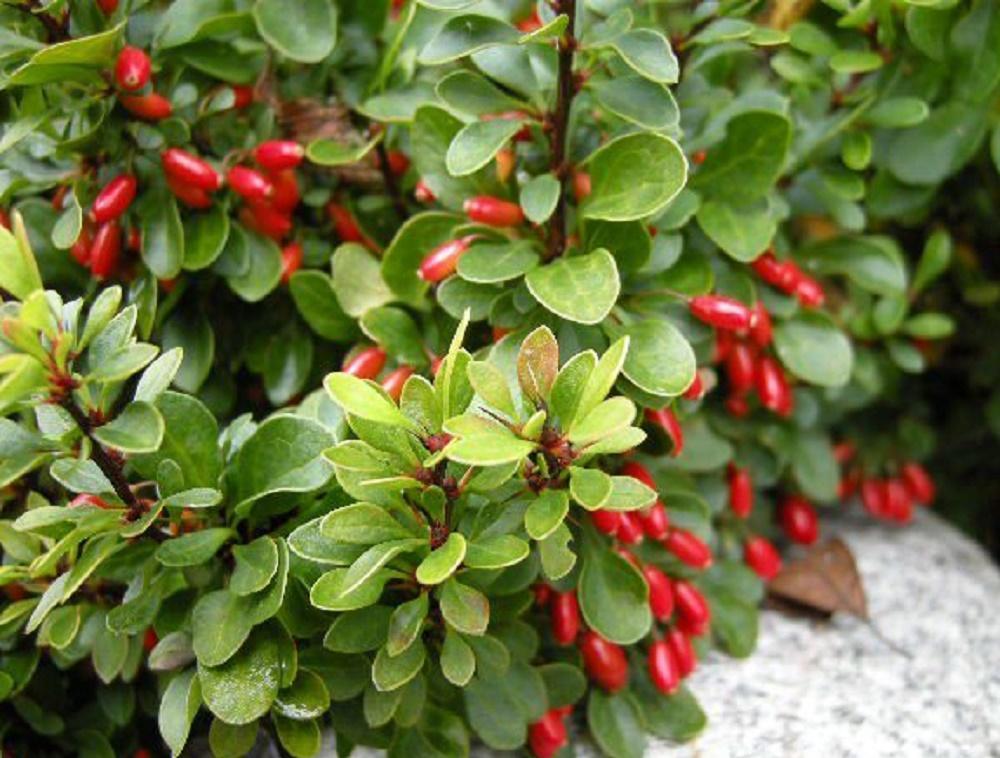
The berries are picked when they're red or pinkish-red, preferably firm and elastic. Overripe fruits are dark red, soft, easily crushed, and quickly turn to mush.
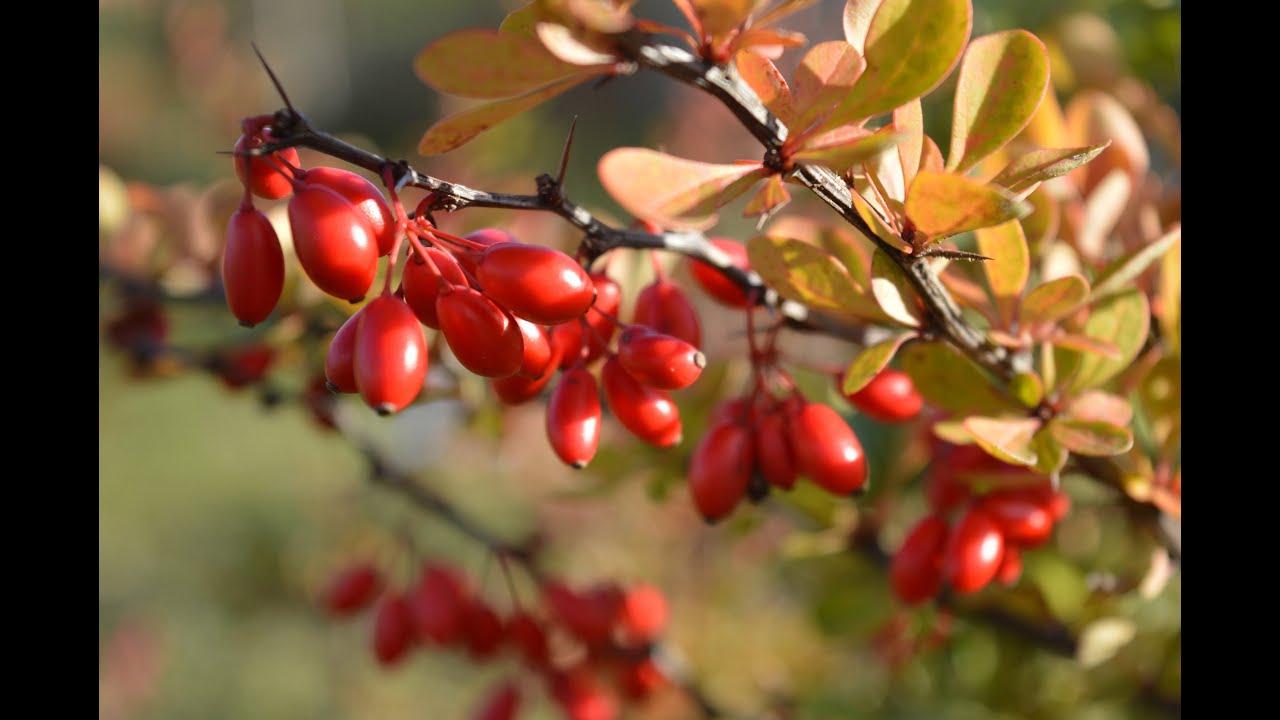
It's important to know that the Thunberg barberry, a popular variety among gardeners and landscape designers, is not edible. The fruits are edible, but bland—they lack any flavor or the signature tartness for which they are so beloved.
Among the edible species, the greatest varietal diversity is found in common barberry:
- Lutea;
- Asperma;
- Dulcis;
- Atropurpurea.
Amur, Canadian and spherical barberries also have edible fruits.
Collection rules
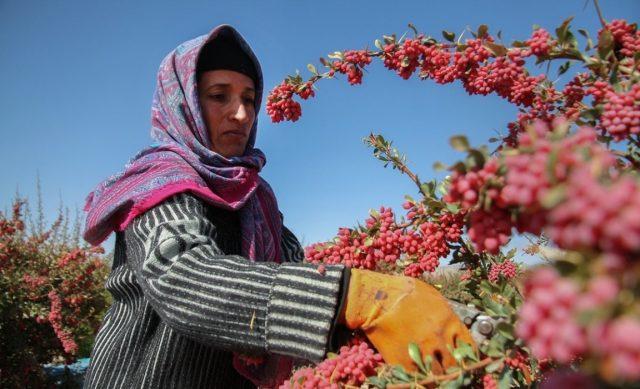
Barberries must be picked quite carefully - the sharp thorns that cover the branches can seriously prick your hands.
Manually
Harvesting barberries is no easy task. This is all thanks to the dense, rather thorny branches, which can be difficult to reach without scratching your hands. For comfort and protection, wear regular household gloves with one knuckle cut off. The fruits are placed in small baskets or boxes.
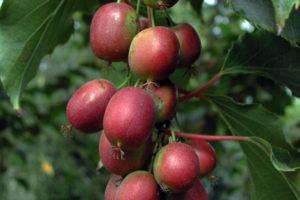
Ripe berries come off without much effort and can be picked in whole bunches.
With the help of special devices
For easier picking, small baskets are worn around the neck to collect the picked berries. A small rake is also effective, used to push aside thorny branches while the free hand picks the berries.
Duration and storage conditions of fresh product
Fresh berries have a short shelf life; at room temperature, they quickly lose their quality and can rot. Store them in a cool, dry place, such as the refrigerator.
Methods of harvesting
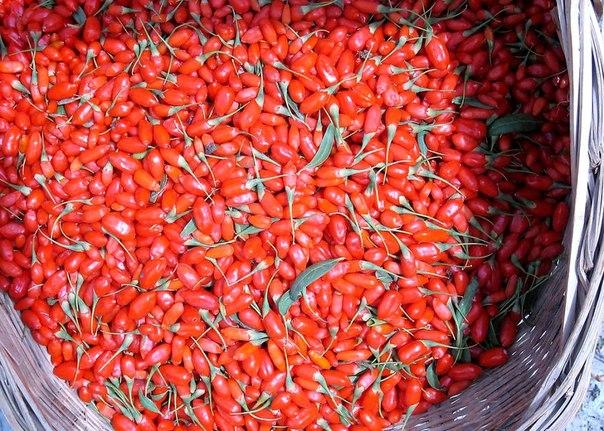
To preserve barberry berries for a long period of time, various methods are used, such as processing, drying and freezing.
Drying
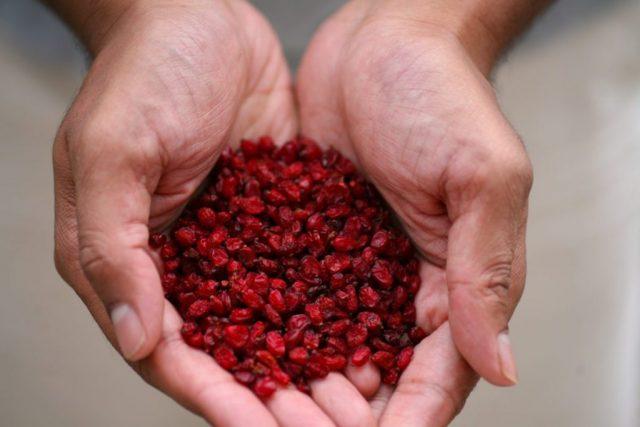
This is the most common method for harvesting barberries. The berries are harvested in late autumn, when they contain the most nutrients. Drying begins with washing the berries first. Allow them to air out, allowing the moisture to evaporate, then spread them in a thin layer on baking sheets and place them in the oven.
An electric dehydrator can also be used successfully. Drying is done in two stages: first at 45–50°C, then increasing the temperature to 60°C. The berries are ready when they do not stick together when squeezed in your fist. Store barberries in glass, airtight jars. Under proper conditions, they can easily be stored for up to two years.
Freezing
This is another effective way to store barberries. The berries are washed, dried, portioned into small bags or containers, and placed in the freezer. This way, the fruits can be stored for over a year.
Making jelly
A beautiful and delicious jelly is made from berries using water, sugar, the berries themselves, and a little gelatin. It can be eaten fresh or canned.
Jam
Jam made from berries not only has excellent flavor but also medicinal properties. The recipe specifies proportions that allow you to make jam even from a small amount of berries.
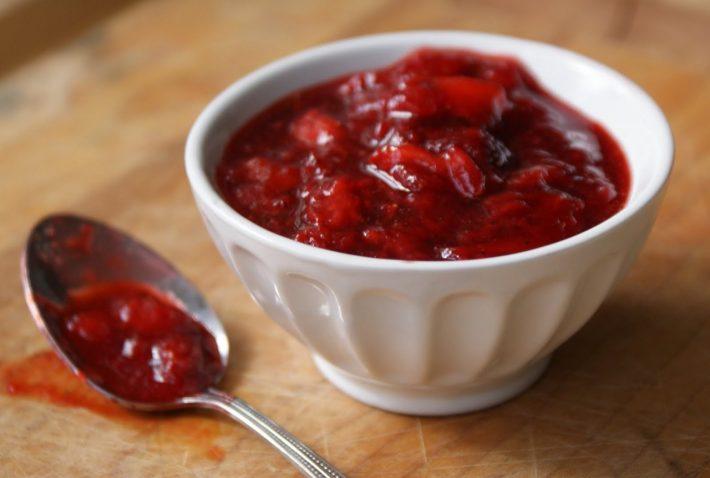
To prepare it you need:
- carefully sort through the berries, discarding all rotten and spoiled ones;
- pour water over the fruits (200 grams) and let stand for 6-7 hours;
- add 200 grams of sugar to 200 milliliters of water and cook a medium-thick syrup;
- put the barberries into the syrup and cook until it becomes transparent and the berries sink to the bottom;
- Add a pinch of vanillin to the finished jam and roll it into sterilized jars.
When to harvest and how to store other useful parts of the plant
To preserve useful and medicinal properties of barberry All parts of the plant must be harvested at their specific time.
Bark
For medicinal purposes, the bark is harvested in early spring. Before storage, it is thoroughly dried in the shade.
Roots
The roots are dug up in late autumn, or even earlier in northern regions, when the barberry is already dormant. This procedure is carried out before the soil freezes. Up to a third of the barberry roots can be dug up. Damaged or rotten areas are cut out and left to dry, without rinsing at all; any stuck-on dirt is simply scraped off.
Dry the roots in the shade, in the attic or in electric dryers.
Leaves
The foliage is harvested from late May to early June. This process begins when the barberry begins to bud. Young, non-woody branches up to 10 centimeters long are cut, along with the foliage, and then dried. This must be done in the shade. Properly dried leaves retain their beneficial properties for up to two years.
Seeds
Barberry seeds are harvested in late autumn, when the berries are well ripened. It's best to harvest after the first frost, as this is when the berries have the highest concentration of nutrients.
Related posts:
 Planting and caring for barberry bushes in open ground
 Description of the 20 best varieties and types of barberry, planting and care rules
 Useful properties and contraindications of barberry fruits, rules of application
 When and how to prune barberries for beginners
 How to propagate barberry at home using cuttings in summer, growing rules
 Signs of pest and disease attacks on barberry, treatment methods
 Description of 36 of the best sweet and large varieties of gooseberries
 Description of the Barberry tomato, its characteristics and care