
- Popular varieties of actinidia
- Pineapple
- Bayern
- Balsam
- Wakey
- Viti Kiwi
- Jumbo
- Giraldi
- Geneva
- Green Balsam
- Golden Braid
- Issei (or Issai)
- Kens Red
- Kokuva
- Lunar
- Primorskaya
- Purple garden
- September
- Taiga emerald
- Relay
- Where is it recommended to plant the crop?
- The nuances of planting work
- Agricultural technology and care
- Watering
- Fertilizing a tree
- Trimming
- Preparing for winter
- Protection from diseases and pests
- Reviews from gardeners about growing
The exotic perennial actinidia variety Arguta, despite its impressive appearance, is still rarely seen in garden plots. It boasts a dense crown with distinctive foliage of unusual coloring and annually produces exceptionally tasty fruits, which is what makes it so attractive. A mature vine spectacularly twines around any support and is widely used in landscape design.
Popular varieties of actinidia
Actinidia arguta is a dioecious plant, with male and female plants growing separately. Let's look at the most common varieties of this incredibly beautiful vine.
Pineapple
The high-yielding Arguta Ananasnaya variety grows up to 10 meters tall, effectively twining around any support. It can reach up to two meters in a season. It blooms with white flowers in May and bears fruit in late October, producing oval berries with a distinctive flavor. A single plant produces up to 7 kg of berries per year, which are excellent for transport.
Bayern
Actinidia Bayern grows up to 4 meters tall. The plant tolerates frosts down to -30°C. It blooms in May, and in October, oval-shaped berries with a distinctive sweet and sour flavor ripen on the branches. Under favorable ripening conditions, a single bush can yield up to 13 kg of berries. The berries cling firmly to the branches and remain attached for a long time.
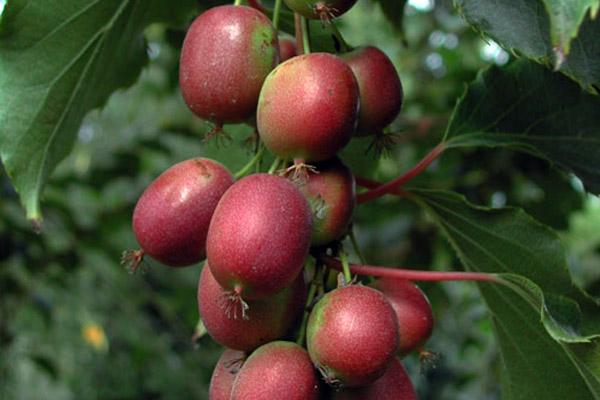
Balsam
The late-ripening Balsamnaya variety is self-sterile and requires male plants for fertilization. It blooms in June, and by late October, large, bright green berries with a sweet-tart flavor, weighing up to 6 grams, ripen on the branches.
Wakey
The male plant of the Veiki variety is universal and suitable for pollinating all Arguta actinidia. It blooms in June with small flowers. Small fruits weighing about 8 grams ripen on the female plants in early October. Ripe berries hold well on the branches and do not fall off.
Viti Kiwi
The self-pollinating Vitikivi can bear fruit without the help of other plants. However, a nearby pollinator significantly increases its yield. It grows up to 10 meters tall and beautifully twines around supports. Already in the second year after planting, it produces green, oval-shaped fruits with tasty, juicy flesh.
Jumbo
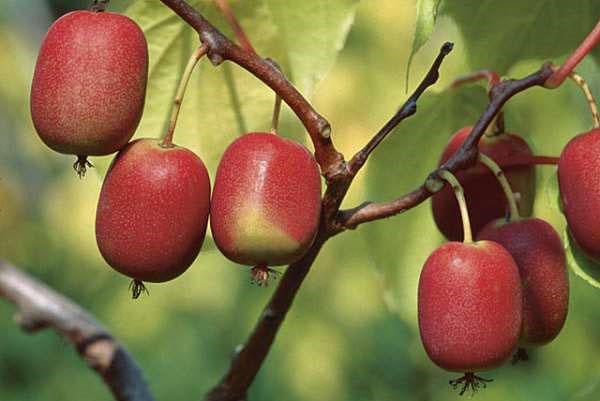
The Jumbo variety tolerates temperatures down to -28°C and grows up to 8 meters in height. It blooms in May, and in the second half of September, elongated, yellowish fruits ripen on the branches. This variety is distinguished by its large berries. Ripe berries do not fall from the branches and are stored for a long time.
Giraldi
A self-sterile, vigorous vine with long stems, Giraldi grows up to 10 meters and beautifully twines around provided supports. It blooms in June and bears dark green, apple-pineapple-flavored fruit in September. It is noted for its winter hardiness and good-quality berries. A mature plant requires sturdy support.
Geneva
The self-sterile, late-ripening Geneva variety grows up to 30 meters tall. It blooms with beautiful, snow-white flowers adorned with bright scarlet stamens. In late September, the vines bear large, barrel-shaped berries, often weighing up to 8.5 grams. The plant tolerates prolonged frosts down to -30°C (-22°F), but often suffers from recurrent frosts during the flowering period.
Green Balsam
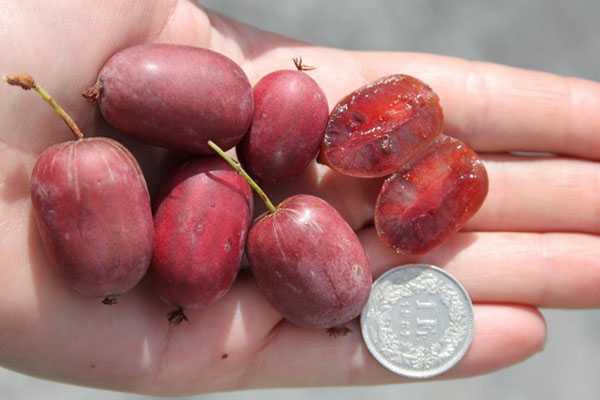
The unpretentious Green Balsam tolerates temperatures down to -25°C and is resistant to fungal infections. It grows up to 10 meters. It bears fruit in late September, producing large berries with a unique flavor and tender flesh. Each berry weighs 10 grams. The yield per plant is up to three kilograms.
Golden Braid
The vigorous vine, Golden Braid, grows up to 7 meters tall with beautiful leaves and blooms in late June with white flowers tinged with green. In August, it bears delicious amber-green fruits weighing up to 10 grams. The fruits do not fall off when ripe. The plant is winter-hardy, withstanding temperatures down to -40°C.
Issei (or Issai)
The self-pollinating Issey variety is distinguished by its early fruiting: single fruits ripen on the branches in the first few years after planting. It tolerates frosts down to -25°C, but is sensitive to prolonged dry periods. It bears fruit in late September, producing sweet fruits no larger than 3 cm.
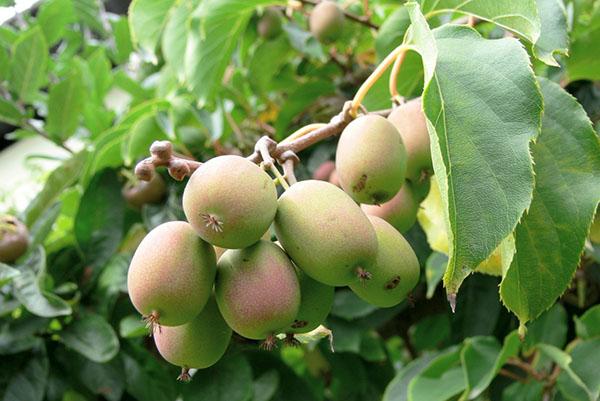
Kens Red
The frost-hardy Kens Red variety easily tolerates temperatures down to -25°C. By the end of September, the vines bear berries up to 4 cm long with very firm flesh. They transport well and have a long shelf life.
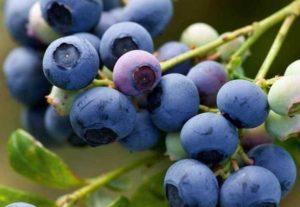
Kokuva
The self-pollinating Kokuva variety produces brown-green fruits in mid-October that hold well on the branches and do not fall off. Each berry weighs 18 grams.
Lunar
The large vine, Lunnaya, grows up to 20 meters tall without pruning. It is self-pollinating, producing lemon-scented fruits weighing up to 4 grams, ripening in late September. It does not respond well to overwatering or drought.
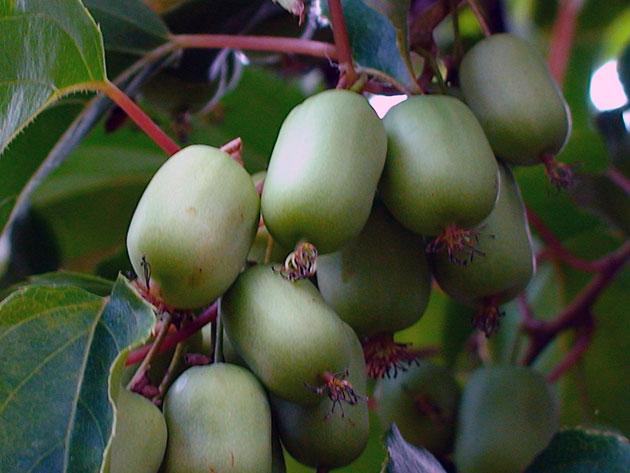
Primorskaya
The vigorous, late-ripening Arguta Primorskaya bush boasts ovoid, yellow-green leaves. After blooming with beautiful white flowers, the plant produces yellow-green berries with a sweet-tart flavor and a distinctive apple aroma. Each berry weighs 5.9 grams.
Purple garden
The Purple garden vine reaches 5 meters in length. The plant tolerates frosts down to -25°C. The berries have a distinctive shape and ripen in early October. They average 6 grams in weight. Ripe berries hold well on the branches and do not fall off when overripe.
September
Arguta Oktyabrskaya grows up to 7 meters in length. The plant is distinguished by its exceptional winter hardiness and tolerates temperatures down to -40°C. It bears emerald-colored berries with distinctive dark stripes. The average berry size is 2 cm.
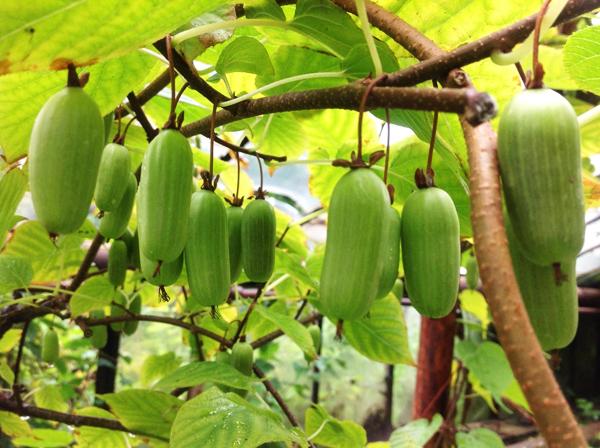
Taiga emerald
The self-sterile actinidia "Taiga Emerald" grows no taller than 4 meters. It bears dark green, cylindrical berries in September. The berries have a sweet and sour taste, weighing 4 grams each.
Relay
The Estafeta variety is distinguished by its large, olive-green fruits, which ripen in mid-September. Each berry weighs up to 17.2 grams. This delicate plant is often damaged by frost.
Where is it recommended to plant the crop?
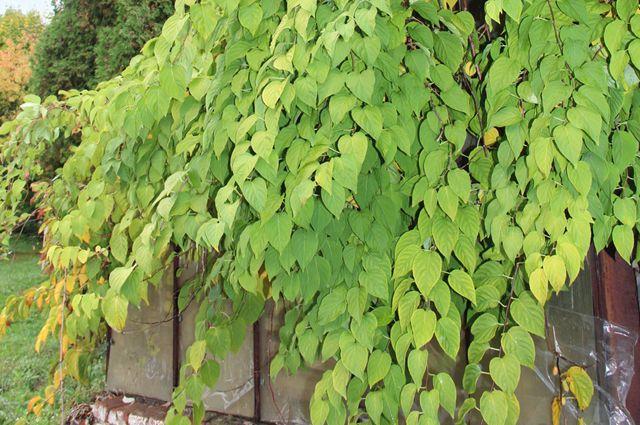
In the Moscow region, actinidia is planted in open ground no earlier than May. During the first few years, a young seedling requires shade. This should be taken into account when choosing a location.
The nuances of planting work
Plants are spaced at least three meters apart. A large hole measuring 50 x 50 cm is required for planting. To prevent root rot, a drainage layer is placed at the bottom. Humus and superphosphate are added to the soil. The plant is carefully placed in the hole, covered with soil, and the soil is thoroughly moistened. The root zone is immediately mulched. The young seedling is protected from direct sunlight.
Agricultural technology and care
The cultivation technology for this crop is very simple and consists of several stages:
- timely watering;
- plant feeding;
- annual pruning;
- protection from pests and diseases.
Timely care and attention in the first years of life contribute to the formation of a healthy plant.
Watering
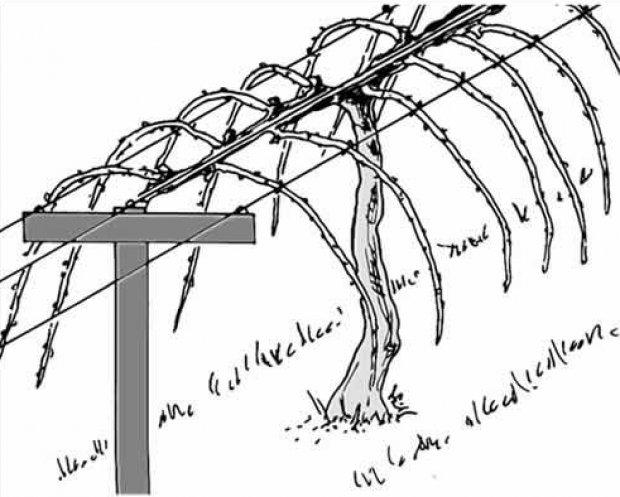
Actinidia is watered according to weather conditions and the time of year. The soil should be slightly moist: the plant dislikes both drying out and overwatering.
Fertilizing a tree
With proper soil preparation before planting, actinidia requires no fertilizer during its first years of life. In subsequent years, organic fertilizers are added during shallow autumn tilling of the trunk area. In early spring, actinidia is fed with mineral fertilizers.
Trimming
Starting at three years of age, after the foliage has fallen, pruning is performed. This involves removing dry, fruitless, and crown-clogged branches. The plant is rejuvenated every 10 years.
Preparing for winter
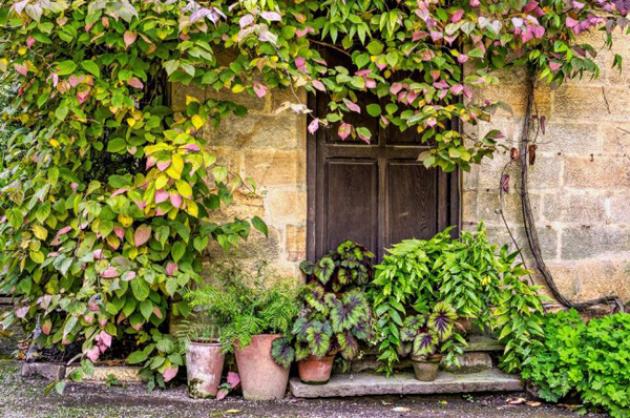
Young plants need to be insulated with several layers of covering material.
The vine should be insulated before the first frost. Premature insulation can cause the stems to rot and the plant to die.
The roots also need protection: the entire root zone is covered with a thick mulch layer of dry leaves, straw or sawdust.
Protection from diseases and pests
Actinidia arguta is fairly resistant to many diseases, but gray mold and leaf spot often affect it. Bordeaux mixture and other systemic fungicides will help prevent diseases and grow a healthy plant.
Reviews from gardeners about growing
According to gardeners who grow this exotic plant in their gardens, the Arguta actinidia thrives on arches and other supports. In regions with cold winters, young plants often freeze, so when planting, select regional varieties and provide insulation during the first few years.
The beautiful climbing plant, Actinidia arguta, is low-maintenance and, if proper agricultural practices are followed, allows you to enjoy delicious berries even in the Moscow region.
Related posts:
 Which tomato varieties are best for open ground?
 What varieties of tomatoes are best to plant in a polycarbonate greenhouse?
 Descriptions of the 20 best cherry varieties for the Moscow region, their planting and care
 Description of 30 grape varieties for Siberia, planting and care for beginners
 Simple step-by-step recipes for making lingonberry jam for the winter
 20 Best Cherry Varieties for the Central Russian Region with Descriptions and Characteristics
 Description of the best pepper varieties for greenhouses and open ground in 2025
 Description and characteristics of the 45 best types of peaches, growing rules