
- Varieties
- Short stature
- Medium-sized
- Vigorous
- Self-fertile
- Ordinary
- Sweet-fruited
- Review of popular varieties
- Zholobovskaya
- Red coral
- Red bunch
- Roseum
- Maria
- Ulgen
- Shukshinskaya
- Summer cottage
- Eskimo
- Nanum
- Compactum
- Dwarf Nana
- Kilimanjaro Sunrise
- Unusual and original
- Pride
- Serrated
- Canadian
- Forked
- Wrinkled-leaved
- Sargent
- Folded
- Laurel-leaved
- David
- Bullenezh
- Repair
- Features of cultivation
- Soil
- Watering
- Top dressing
- Prevention of diseases and pests
- Leaf roller
- Leaf beetle
- Gall midge
- Geometrid moth
- Sawfly
- Aphids and moths
- Powdery mildew
- Gray rot
- Fruit rot
- Yellowing and mosaicism
- Leaf spot
- Trimming
- Sanitary
- Thinning
- Formative
- Rejuvenating
- Regional features
- Middle zone
- Krasnodar Krai
- Crimea
- Siberia and the Urals
- Moscow region
Today, numerous varieties and cultivars of viburnum have been developed. It is spectacular at any time of year: in summer, it delights with its profuse flowering, and in autumn, it amazes with the varied shades of its foliage. The ripening berries are beneficial for health. Ornamental varieties are stunning and often become the centerpiece of landscape design.
Varieties
A wide variety of varieties are planted in suburban areas, differing in bush height and berry flavor.
Short stature
Common low-growing varieties are: Eskimo, Dwarf Nana, Nanum, Compactum.
Medium-sized
Red Coral, Zholobovskaya, Red Grape, Leningrad Selective - medium-sized viburnum.
Vigorous
Dachnaya, Zakat, Maria, Roseum, Shukshinskaya are vigorous varieties.
Self-fertile
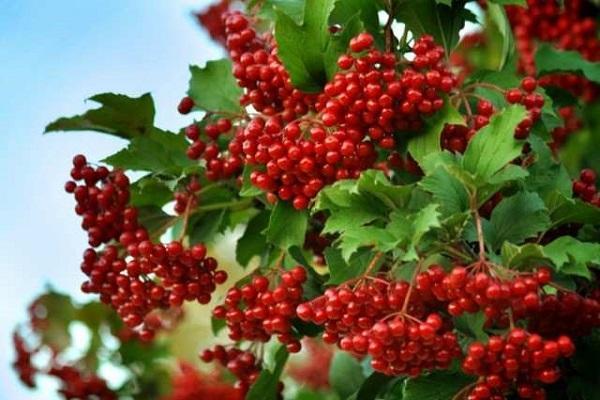
Viburnums Garden, Sunset, Red Bunch, and Elixir do not require joint planting.
Ordinary
Depending on the variety, the common viburnum grows up to 4 meters. The juicy yellow berries, up to 10 mm in diameter, ripen in September. The berries have a slightly bitter and astringent flavor.
Sweet-fruited
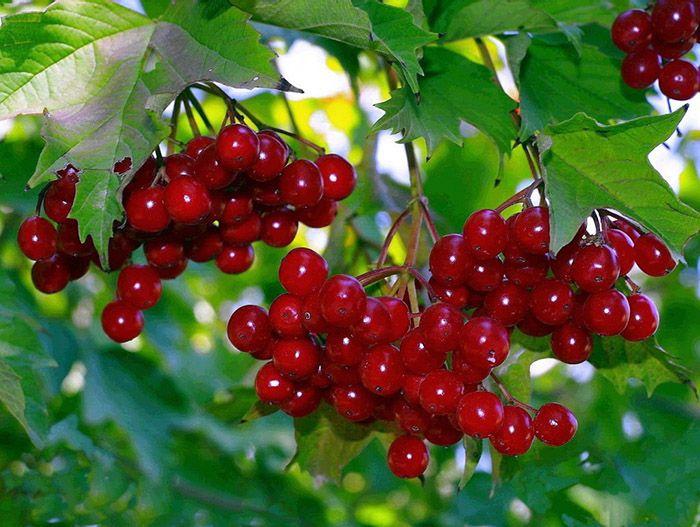
Sweet-fruited viburnum is distinguished by its berries, which have a very slight bitterness. It is grown for its delicious harvest. The plant begins bearing fruit early, at three years of age, and continues to delight with delicious berries until it is 25 years old.
Review of popular varieties
Gardeners grow many varieties of viburnum with varying characteristics in their gardens. Let's look at the most popular.
Zholobovskaya
The harvest ripens in mid-September. The fruits have a slightly bitter taste and weigh 0.5 g.
Red coral
A compact, medium-sized plant, up to two meters tall, blooms in late May. Berries weigh 0.9 g. A single bush yields up to 10 kg.
Red bunch
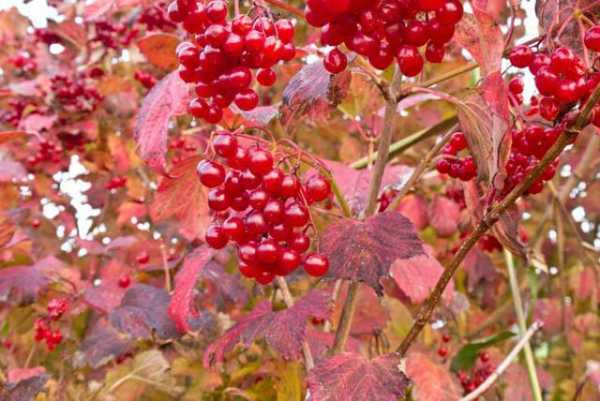
This medium-sized, self-fertile bush produces dark-red berries on short stalks. They are characterized by reduced bitterness and weigh 0.7 g. A single bush yields up to 4 kg.
Roseum
The Roseum variety grows up to 4 meters tall. Green foliage turns yellow-red in autumn. It blooms from May to June with white flowers, gathered in cap-shaped inflorescences that cover the entire bush. It does not bear fruit.
Maria
This medium-sized bush produces light-red berries with a tart, sweet-sour flavor. Each berry weighs 0.6 g. A single bush yields no more than 3 kg.
Take a look Also
Ulgen
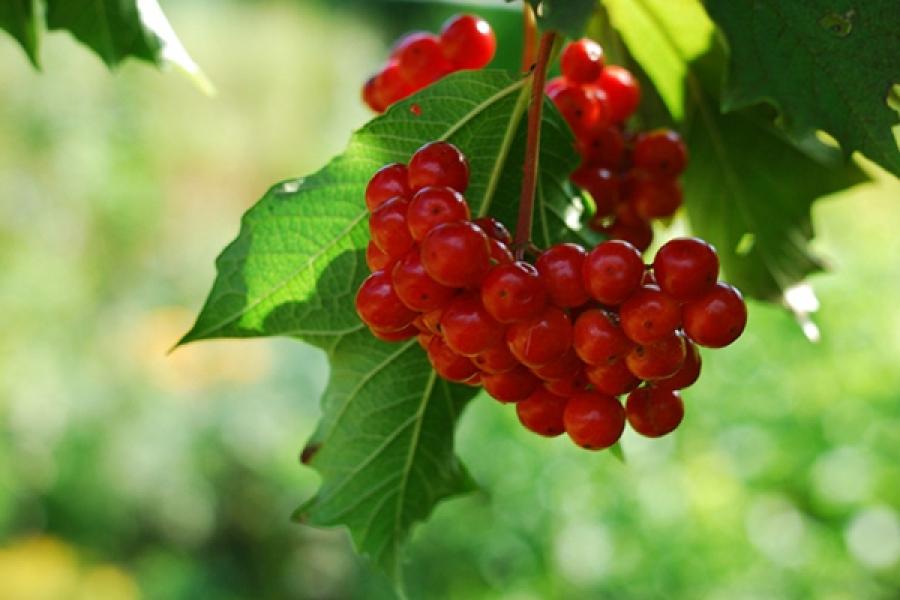
A compact, self-sterile bush with a moderately spreading crown and gray shoots. The berries have a slightly bitter taste. Yields up to 10 kg per bush.
Shukshinskaya
A self-sterile variety up to 3 m tall and with a crown size of up to 4 m. It bears berries weighing 0.5 g. The yield is up to 8 kg per bush.
Summer cottage
This mid-early, self-sterile variety grows up to three meters. It produces deep red, non-bitter berries weighing 0.9 g.
Eskimo
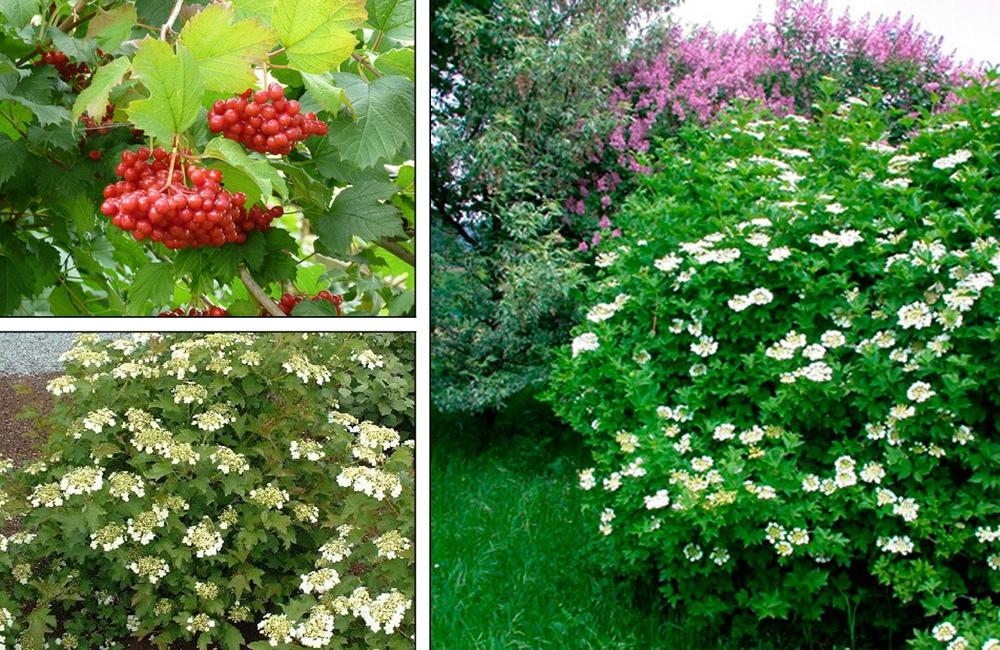
The miniature size of the Eskimo viburnum is attractive to gardeners, as it grows no more than 1.5 meters tall. It does not bear fruit.
Nanum
The Nanum variety is a dwarf shrub up to 0.8 meters tall with a slow-growing crown and lacy leaves. Flowering and fruiting are virtually nonexistent.
Compactum
It grows very slowly, no more than 10 cm per year. It doesn't grow taller than 1.5 meters. The berries ripen in August and don't fall for a long time.
Dwarf Nana
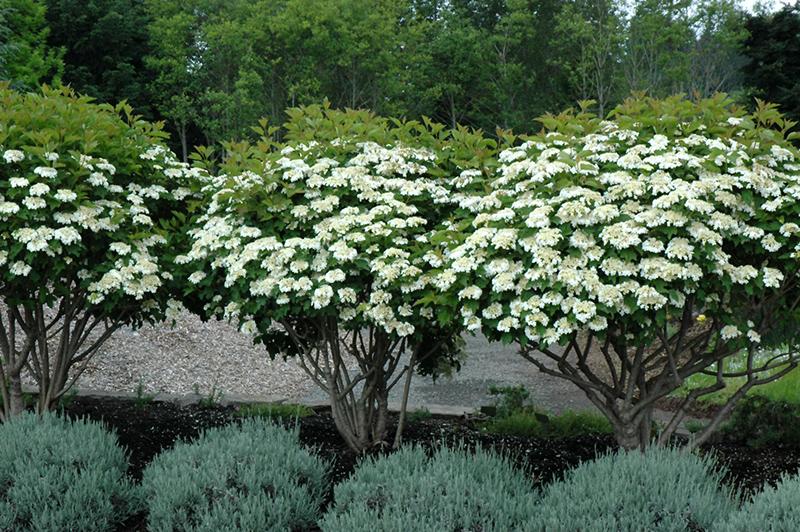
The dwarf Nana grows to no more than a meter. Young foliage is reddish, turning crimson in the fall.
Kilimanjaro Sunrise
A pyramidal crown and branches growing parallel to the ground, large snow-white flowers with a distinctive pink edge—these are the main characteristics of the Kilimanjaro Sunrise variety. It bears red berries that later turn black.
Unusual and original
Unusual varieties of viburnum are often used as ornamental shrubs and are active participants in landscape design.
<img class="aligncenter wp-image-55012" src="https://harvesthub.decorexpro.com/wp-content/uploads/2019/06/1-271.jpg" alt="viburnum gordovina» width=»600″ height=»450″ />
Pride
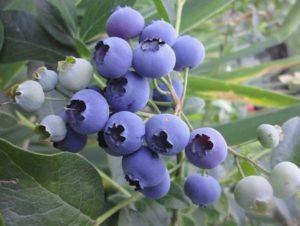
The Gordovina black chokeberry is characterized by its tall bush, with a mature plant often reaching up to 5 meters. The berries fully ripen in September, turning from red to black.
Serrated
The dense crown and large size of the bush distinguish it from other varieties of viburnum. It grows up to 5 meters in height and boasts beautiful serrated foliage with distinctive deep notches. It bears blue berries.
Canadian
A tall tree, up to 6 meters. It blooms with small white flowers and bears blue berries.
Forked
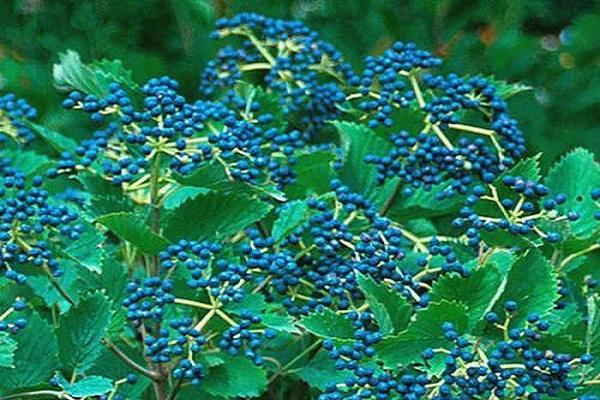
The unique Vilkata (Forked Viburnum) is a favorite among gardeners. Its distinctively patterned foliage turns red in spring, turning green in summer, and a striking lilac in autumn. It bears red berries.
Wrinkled-leaved
The evergreen Viburnum 'Wrinkled-leaved' grows up to three meters tall. It has heavily pubescent shoots and thick, wrinkled leaves. It bears black berries 0.7 cm long.
Sargent
A vigorous, branched shrub up to 4 meters tall. It blooms in May. The deep red berries ripen in early October.
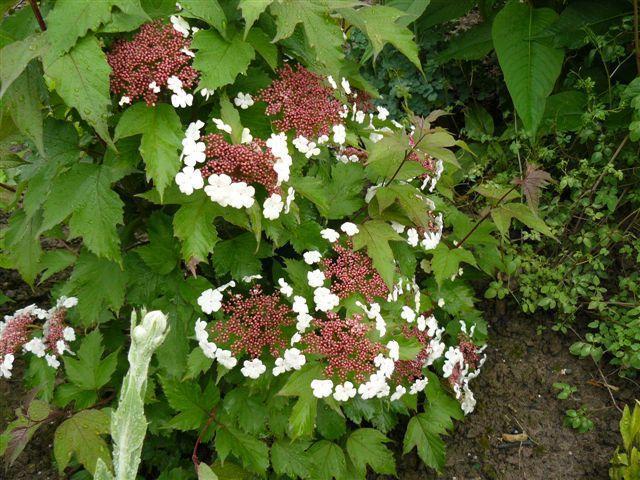
Folded
The stepped branching and striking velvety leaves distinguish the Viburnum plicata from other varieties. It grows up to three meters tall. There are two forms: tall and long-blooming.
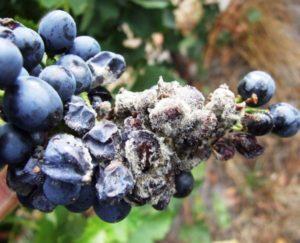
Laurel-leaved
The evergreen Viburnum laurel grows up to 3 meters tall. It produces fragrant flowers with a pink tint and bears dark blue berries.
David
This evergreen shrub grows no taller than one meter. It produces beautiful flowers with a delicate pinkish hue and bears blue berries.
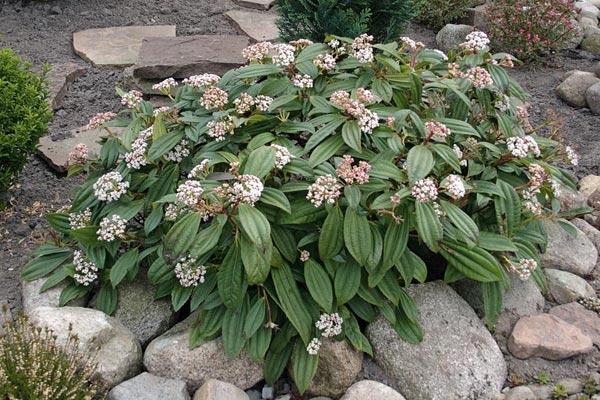
Bullenezh
Viburnum Buldenezh is a spreading shrub up to 4 meters tall. It lives up to 50 years and is distinguished by its long flowering period, lasting a full month. The flowers are distinguished by their fragrance-free appearance.
Repair
Many varieties of viburnum, when grown in mild climates, bloom twice a season. For example, Viburnum plicata Watanabe blooms for the first time in June and again in October.
Features of cultivation
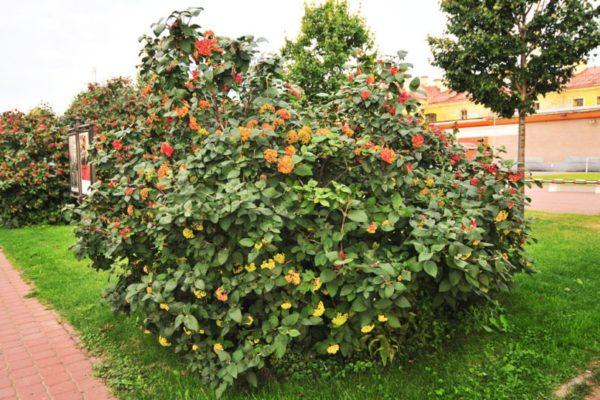
Viburnum is undemanding in care, but without following the necessary technological steps, it is unlikely that you will be able to grow a healthy and beautiful bush.
Soil
The plant is very unpretentious: standard varieties grow easily even on sandy and clay soils.
Decorative varieties require lighter and more fertile soil.
Watering
Viburnum thrives on moisture. During dry periods, it should be watered at least once a week. A mature, fruiting bush requires up to 40 liters of water.
Top dressing
In spring, viburnum is fed with urea. Before flowering, it is given potassium. After flowering, it requires nitroammophoska. In the fall, organic fertilizers are applied.
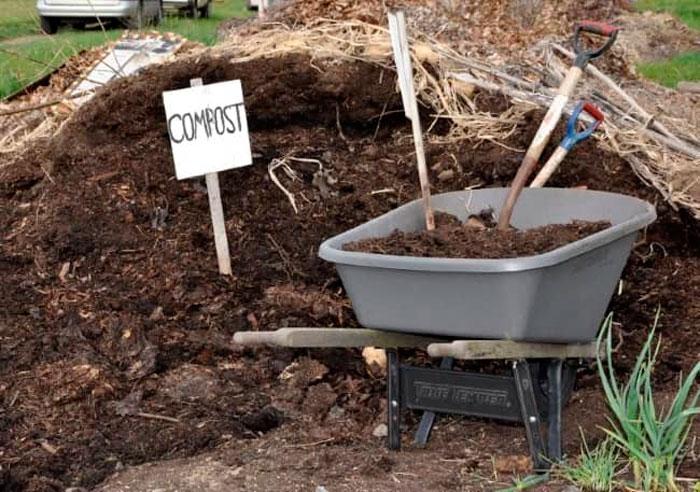
Prevention of diseases and pests
Viburnum is susceptible to various diseases. Preventative spraying with Bordeaux mixture will help prevent the development of common diseases.
Leaf roller
The olive-colored caterpillar damages viburnum buds and leaves, causing them to curl. Severe damage significantly reduces yield.
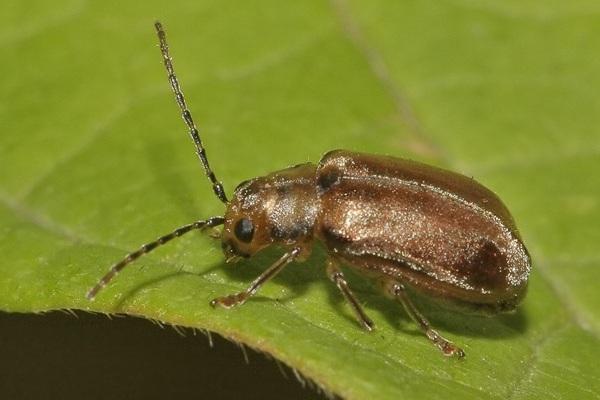
Leaf beetle
Light-brown leaf beetle larvae, up to 6 mm long, feed on young viburnum leaves. They then move on to berries and shoots.
Gall midge
The gall midge lays its eggs in the flower buds. As a result, the buds are severely damaged, changing shape and color. The flowers fail to open.
Geometrid moth
The yellow-green insect causes severe damage to flowers, severely destroying flower buds.
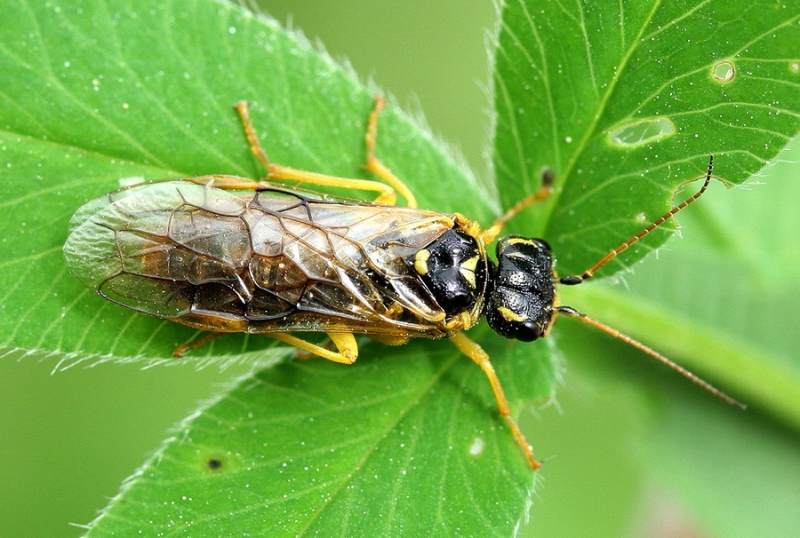
Sawfly
When the leaves emerge, sawflies appear on the viburnum and lay their eggs. The hatched larvae feed on the foliage, grazing it from all sides.
Aphids and moths
They settle on leaves and suck out all the nutrients. Damaged foliage curls and shoots become deformed.
Powdery mildew
Is there a whitish coating with characteristic droplets of liquid on the leaf blade? This is powdery mildew. The affected plant will not produce fruit or ovaries.
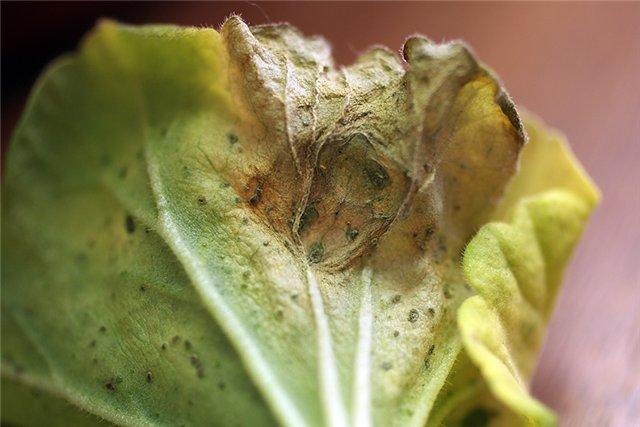
Gray rot
Brown spots on leaves indicate the onset of gray mold. The spots quickly spread and dry out. Damaged berries also turn brown.
Fruit rot
When viburnum is affected by fruit rot, the leaves, flowers, and berries dry out. The berries gradually mummify.
Yellowing and mosaicism
The affected leaf blade becomes mottled with green spots. It gradually becomes deformed, and plant growth is stunted.
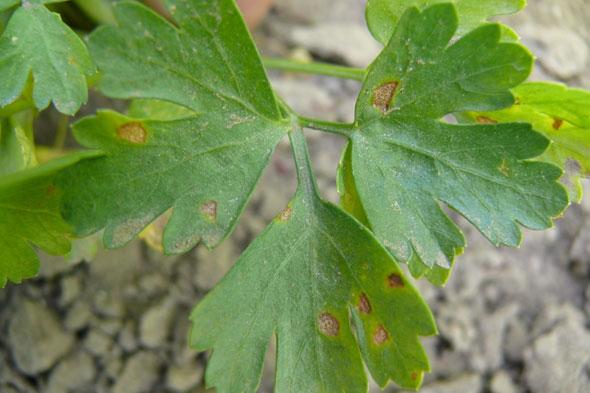
Leaf spot
Angular gray spots with a characteristic brown border indicate the onset of leaf spotting. Over time, the entire leaf blade becomes damaged.
Trimming
Proper pruning helps to form a healthy plant and obtain large berry harvests.
Sanitary
After a frosty winter, sanitary pruning is carried out.
At the same time, all frozen and dried shoots, as well as branches with signs of various diseases, are removed.
Thinning
Thinning pruning involves removing dense areas and trimming branches that are not forming correctly.
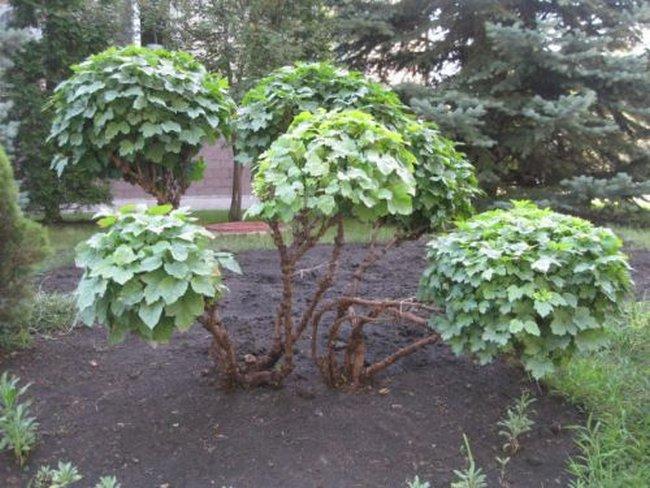
Formative
Every spring, strong shoots are shortened to stimulate the development of lateral shoots.
Rejuvenating
Rejuvenation pruning is performed no more than once every five years. During this pruning, all old branches are removed, leaving about 20 of the strongest shoots. It is better to cut weakly flowering bushes completely at a height of 30 cm from the root collar.
Regional features
Climate conditions vary significantly across Russia. To successfully grow viburnum, it's important to plant plants that are suitable for specific climates.
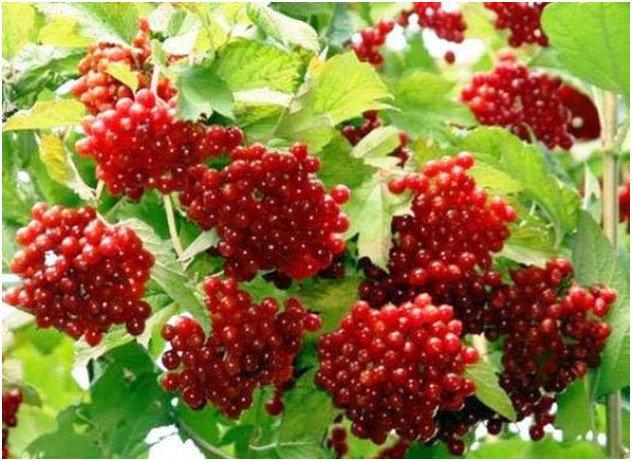
Middle zone
The following varieties are widespread in central Russia:
- Zholobovskaya;
- Souzga;
- Ulgen;
- Taiga rubies.
They feel equally good in high temperatures in summer and low temperatures in winter.
Krasnodar Krai
Good berry yields are obtained from the following varieties when grown in the Krasnodar region:
- Red bunch;
- Garnet bracelet;
- Elixir;
- Aurora.
They are undemanding to moisture and tolerate drought well.
Crimea
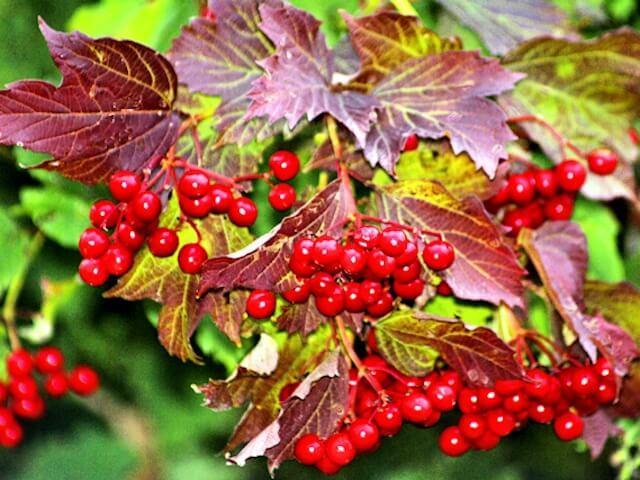
The following varieties of viburnum feel great here:
- Awabuki;
- Burkwood;
- Pride;
- Cinnamon-leaved.
In southern Crimea, viburnum blooms in mid-December. Mass flowering occurs in May.
Siberia and the Urals
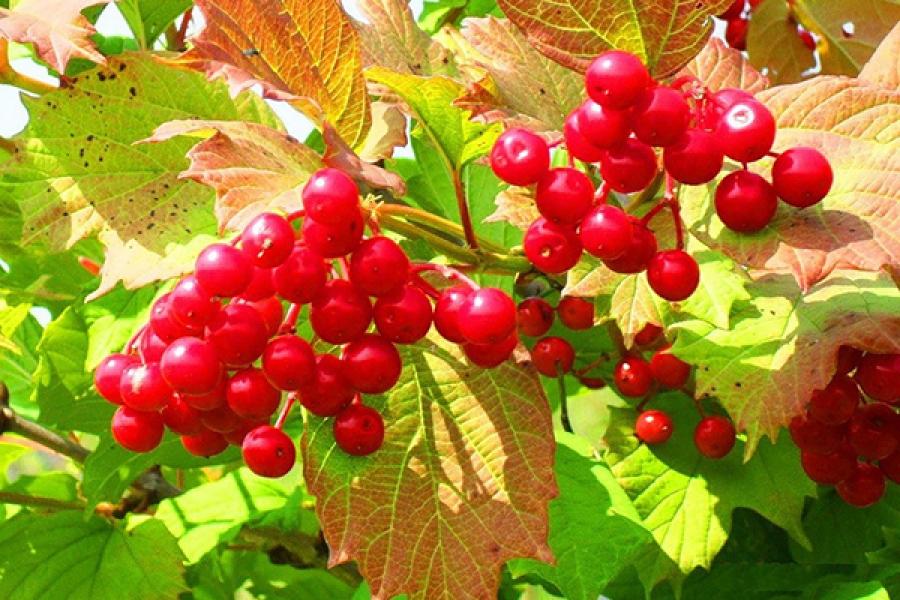
For the cold winters of Siberia and the Urals, winter-hardy varieties are used when planting. Common varieties include:
- Shukshinskaya;
- Sunset;
- Lightning;
- Maria;
- Rowanberry.
They are able to withstand cold winters and recurrent frosts.
Moscow region
The following varieties are the most popular among gardeners in the Moscow region:
- Souzga;
- Ulgen;
- Zholobovskaya,
- Taiga rubies.
Viburnum is a plant that is easy to care for and requires little soil. Its striking beauty is impossible to miss in autumn. Numerous varieties with varying characteristics often make it a key feature in landscape and park design.
Related posts:
 Medicinal properties and contraindications of viburnum, useful recipes
 How to prune viburnum: diagrams and guidelines for beginners
 Top 10 ways to preserve viburnum for the winter at home
 21 Best Homemade Viburnum Recipes for Winter
 Description of the Gordovina viburnum variety, planting and care instructions
 Characteristics and descriptions of the 40 best red currant varieties
 Description of 30 grape varieties for Siberia, planting and care for beginners
 Description of 34 best gooseberry varieties for Siberia and the Urals, cultivation techniques