
- Is it possible to grow an olive tree at home?
- Ornamental olive plant: all the pros and cons
- Which varieties are suitable for indoor growing?
- Crimean
- Nikitskaya
- Urtinskaya
- Askelano
- Mession
- Sevillano
- Coregialo
- Najvi
- What will you need?
- Capacity and required soil
- Conditions of detention
- Lighting and location
- Air temperature and humidity
- Preparation of planting material
- Planting and germinating seeds
- Planting cuttings
- Caring for seedlings
- Watering
- Pruning and shaping a tree
- Care during flowering
- Landing and transplanting
- Diseases: prevention and treatment
- Methods of reproduction
- Seeds
- Cuttings
- What difficulties may arise?
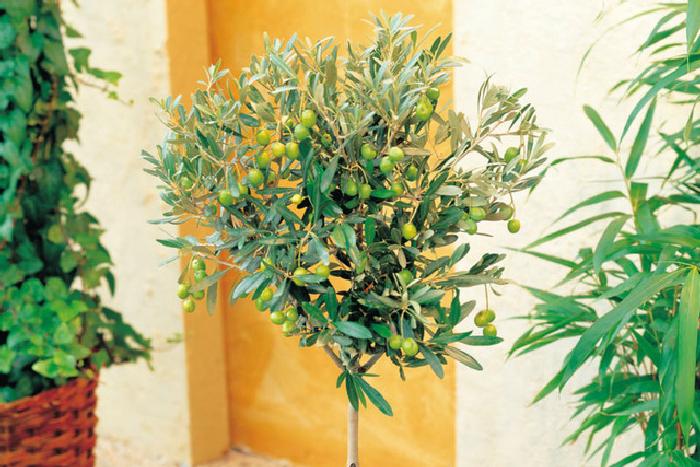
In the wild, olive trees grow exclusively in warm climates. However, not everyone knows that they can also be grown in a pot. Proper care of olive trees indoors will help you grow a beautiful ornamental plant. Olive trees can be grown from cuttings or seeds. However, the fruit will only appear 10 years after planting and won't be very tasty.
Is it possible to grow an olive tree at home?
Growing an olive tree from a cutting is considered the easiest method. You can also buy a pre-grown tree, but a mature plant will be quite expensive.Growing olive trees from seed is very popular. However, it's important to keep in mind that this is a rather complex and labor-intensive method. Such a tree will only begin to bear fruit after 12 years, compared to 3 years for a plant grown from a cutting.
Ornamental olive plant: all the pros and cons
The ornamental plant has many advantages:
- excellent appearance;
- rapid growth;
- ease of care.
However, the crop is not without its drawbacks. These include the lack of fruit and the risk of fungal infections and pests.
Which varieties are suitable for indoor growing?
Growing olives in pots is used for interior decoration. For this purpose, it's best to choose European varieties, which are characterized by their miniature size.
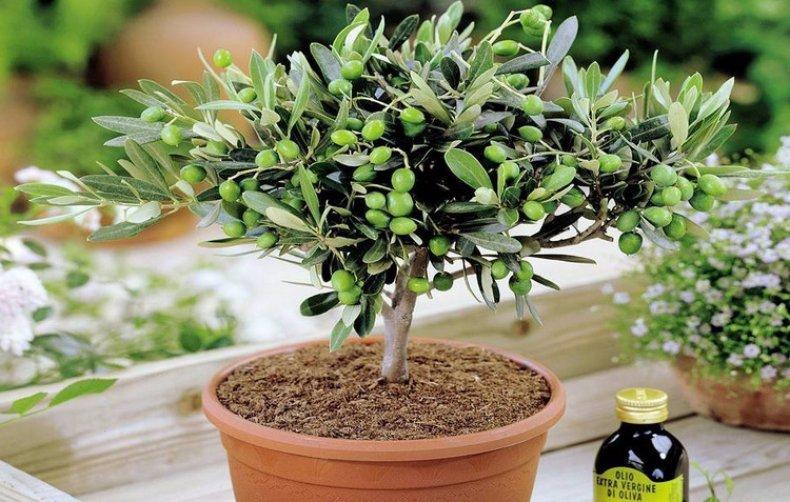
Crimean
This is a beautiful variety that grows naturally in Crimea. It has excellent ornamental qualities.
Nikitskaya
In its natural habitat, the tree grows on the southern coast of Crimea. This plant is ideal for indoor cultivation.
Urtinskaya
Another good variety with excellent flavor. It's grown indoors for decorative purposes.
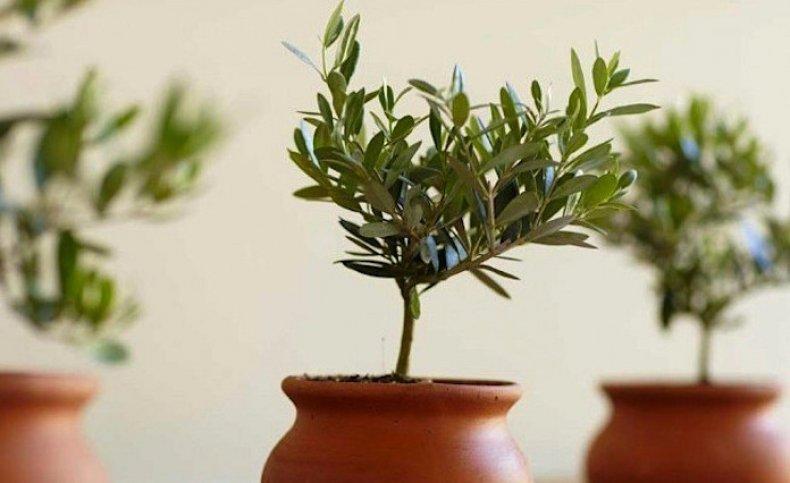
Askelano
This Spanish variety is a favorite among many gardeners. It has dark green leaves and delicious fruit.
Mession
This tree produces medium-sized fruits, which are oval in shape and versatile in use.
Sevillano
This is a large-fruited Spanish variety. When grown in natural conditions, the fruit weighs 10-12 grams.
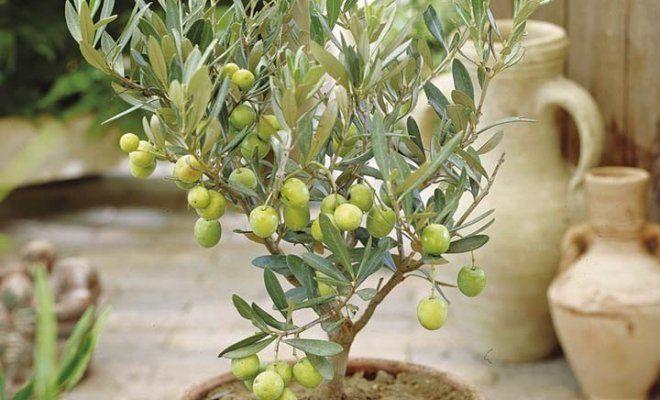
Coregialo
This variety is characterized by relatively small fruits. They are distinguished by their elongated oval shape and almost black color.
Najvi
This is a Georgian olive tree variety. A characteristic feature of this plant is its high moisture requirements.
What will you need?
Growing an olive tree yourself requires taking many factors into account. It's crucial to choose the right soil composition, location, temperature, and container.
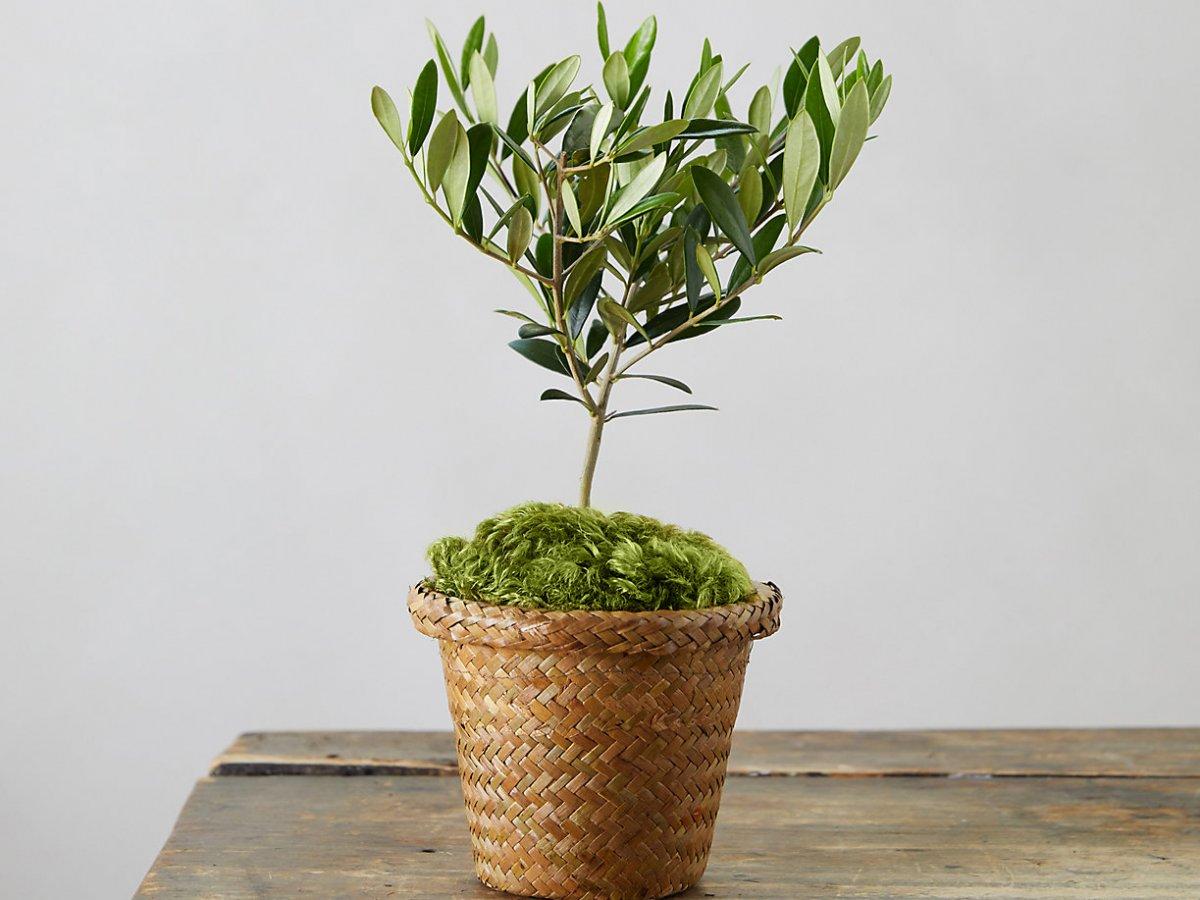
Capacity and required soil
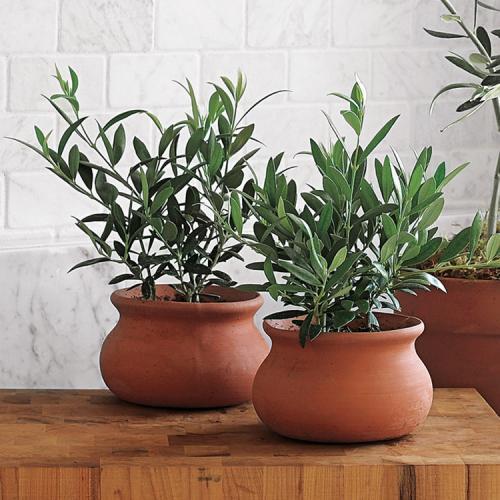
Initially, it's best to choose a large pot for your olive tree. It should be at least 60 centimeters deep and wide. The container must have drainage holes.
This will help drain excess moisture and draw the required amount of liquid from the tray. Olive trees do not tolerate excess moisture or stagnant water.
When choosing soil, choose one with a neutral pH. It should be rich in limestone. However, avoid overly fertile soil. Sandy or loamy soil is ideal. As for structure, choose a fine-grained consistency. The soil should also be sufficiently loose.
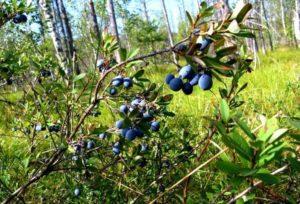
Waterlogged soil and poor drainage will cause the leaves to wilt. Avoid areas where excess water accumulates. When planting, ensure adequate drainage.
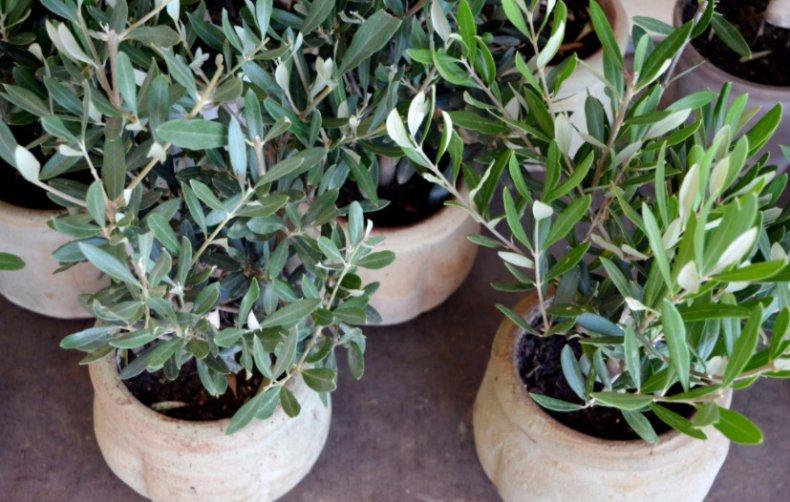
Conditions of detention
To ensure the plant's full development, it is necessary to select the optimal parameters of lighting, humidity, and temperature.
Lighting and location
For the tree to thrive, it requires bright, intensified light. In summer, it's best to move the olive tree to the garden or balcony to ensure full sun exposure. Shaded areas will slow the tree's growth and prevent it from blooming. In winter, it's best to provide the tree with maximum sunlight indoors.
Air temperature and humidity
This houseplant can tolerate hot weather well. However, winter temperatures should not fall below 5°C (41°F). In a colder room, the tree will lag behind in its development. Severe frosts can cause the plant to die. During the growing season, temperatures should be at least 20°C (68°F).
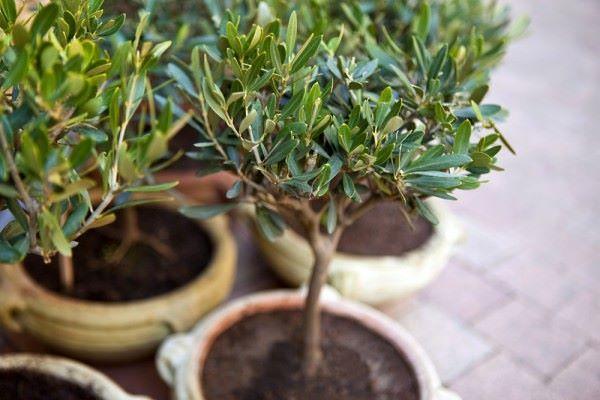
Olive trees are considered undemanding when it comes to humidity. Natural humidity outdoors or indoors is sufficient. In hot weather, it is recommended to mist the tree with water. The water should be at room temperature. This procedure is performed 2-3 times per day.
Preparation of planting material
Olive trees are typically grown from seeds. This is a fairly complex and time-consuming method, but it allows you to become familiar with the tree's development cycle and ensure its successful survival. Before planting, the seeds should be soaked for 12 hours. This is recommended in a caustic soda solution.
Planting and germinating seeds
After soaking, rinse the seeds and transplant them into a pot. Initially, use a container no more than 9 centimeters in diameter. The plant requires a depth of 2 centimeters. The soil should contain nutrients and have optimal moisture levels. It's also important to keep in mind that the soil should be light and loose. A mixture of peat, sand, leaf mold, and turf works well.
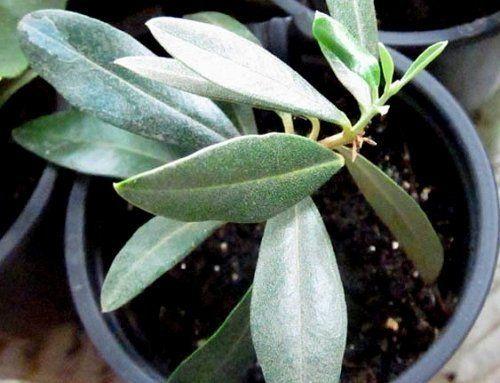
Seedlings will appear in a couple of months. During this time, carefully monitor soil moisture. It is recommended to water the plant as the soil dries out. It is important to ensure that the soil is neither too wet nor too dry. The germination rate is around 40-50%.
Often, the seeds fail to germinate or produce weak sprouts. After a while, these plants die.When growing a tree this way, the first fruits will only appear after 10 years. If you want to stimulate flowering and fruiting, it is recommended to graft the mature tree onto a cultivar.
Planting cuttings
When using cuttings, the tree will retain the characteristics of the mother plant. The first fruits will appear in the second or third year. To plant a cutting, take two- to three-year-old branches. It is recommended to thoroughly treat the cuts with a growth stimulant. Then, plant the cuttings in sand at a depth of 10 centimeters. Cover the seedlings with glass or plastic.
Take a look Also
The ideal temperature for rooting is 25-27 degrees Celsius. This usually takes about one month. Then, shoots will begin to emerge. After 3-4 months, the roots will be fully formed. At this point, the seedling is transplanted to its permanent location. For this purpose, a larger pot is used.
Caring for seedlings
To ensure the seedlings develop fully, they need to be well cared for. This requires regular watering, pruning, and fertilizing.
Watering
When grown indoors, olive trees can tolerate short periods of drought. However, they struggle with prolonged periods without water. Young olive trees require regular watering.
Mature plants should be watered less frequently. It's important to allow the soil to dry out. Excess water should be removed from the trays. During the cold season, water the tree quite infrequently.

Pruning and shaping a tree
Olive trees require regular pruning. This is done for sanitary purposes. In early spring, it's a good idea to prune away any areas infested by insects. Olive trees can also be pruned in the spring for decorative purposes. Hand pruning shears can help create a spherical crown. When pruning, remove weak branches, leaving strong ones.
When carrying out this manipulation, it is important to take into account that olive fruits can only grow on last year’s branches.
Therefore, it is recommended to prune them extremely carefully to avoid destroying the crop.
Care during flowering
During flowering, the plant requires more careful care. During this period, it's important to monitor the soil condition. Water the plant as needed, especially when the top layer of soil is dry.
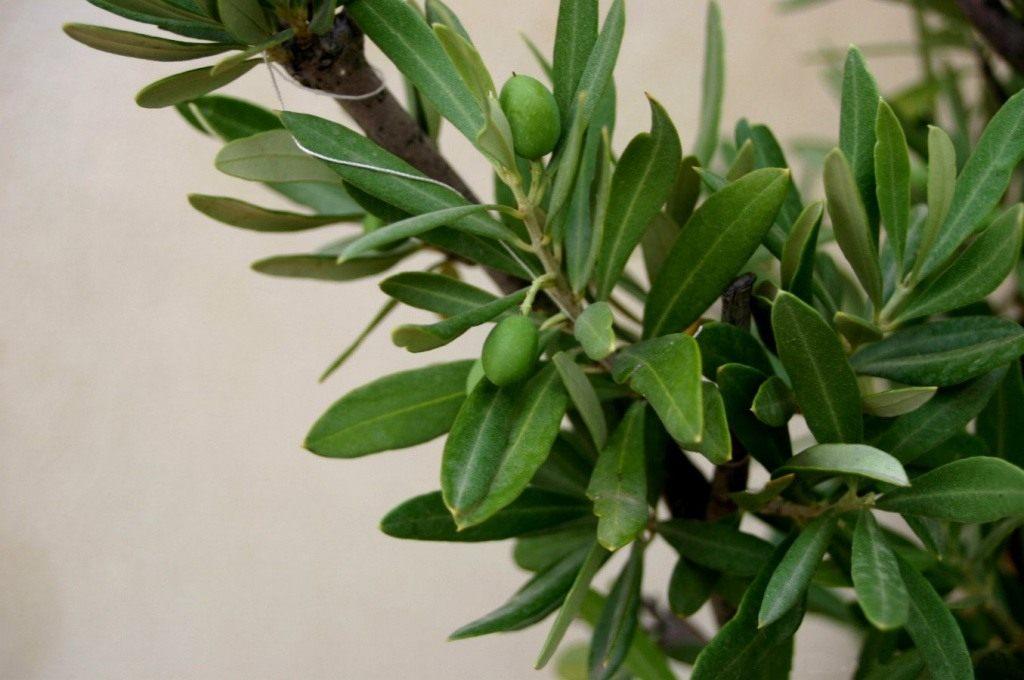
If moisture is insufficient, the leaves become dull and curl. They then begin to fall off, leading to the death of the plant. Olive trees typically produce yellowish or completely white flowers. They have a delicate fragrance and appear in mid-June. When grown indoors, the delicate flowers last for several months.
In the wild, pollination is achieved by insects and wind. At home, it's a good idea to shake the branches regularly. Self-pollination produces olives of varying sizes. Cross-pollination helps improve olive quality and yield.
Landing and transplanting
As the root system develops, the plant's pot may become too small. This makes repotting necessary. Experienced gardeners recommend doing this every two years. If the roots are cramped, this negatively impacts the plant's growth.
Repotting should be done by turning over the root ball. The pot should be a few centimeters larger. A clay container is essential. This material will ensure adequate aeration for the root system.
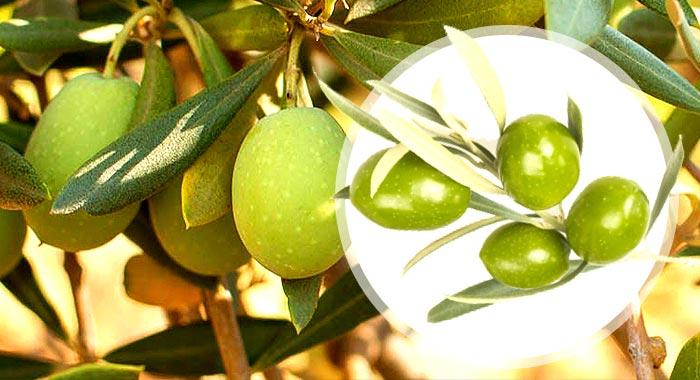
To ensure proper drainage, be sure to line the bottom of the container with expanded clay or broken brick. When repotting, use a general-purpose potting soil. Keep in mind that even sick plants require repotting. This procedure serves as a life-saving measure.
This applies to specimens that were oversaturated with moisture and experienced root rot.
To identify the problem, it's worth assessing the plant's appearance. Root rot will cause it to shed leaves. In this situation, remove the affected roots, disinfect the plant, and trim the upper stems after repotting.
Diseases: prevention and treatment
Olive trees have excellent immunity to pests and diseases. However, poor care, excessive watering, improper temperature conditions, or insufficient light can lead to bacterial and fungal infections.
Tuberculosis is considered the most dangerous disease for olive trees. When it progresses, the tree becomes covered in large blisters. Infections are usually incurable, but small lesions can be pruned. Copper sulfate is used to treat the disease.
Excessive moisture can lead to rust or rot in olive trees. To combat rot, biological fungicides are recommended. These include Fundazol. Karbofos, Actellic, and other insecticides are widely used to eliminate pests. These insecticides help control olive moths. Black scale insects are very harmful to the plant. They lay numerous eggs in the bark of the tree. These insects can attack both sick and healthy trees. To avoid problems, it's important to provide the tree with comprehensive care.
Methods of reproduction
There are several methods of olive tree propagation, allowing gardeners to choose the best option.
Seeds
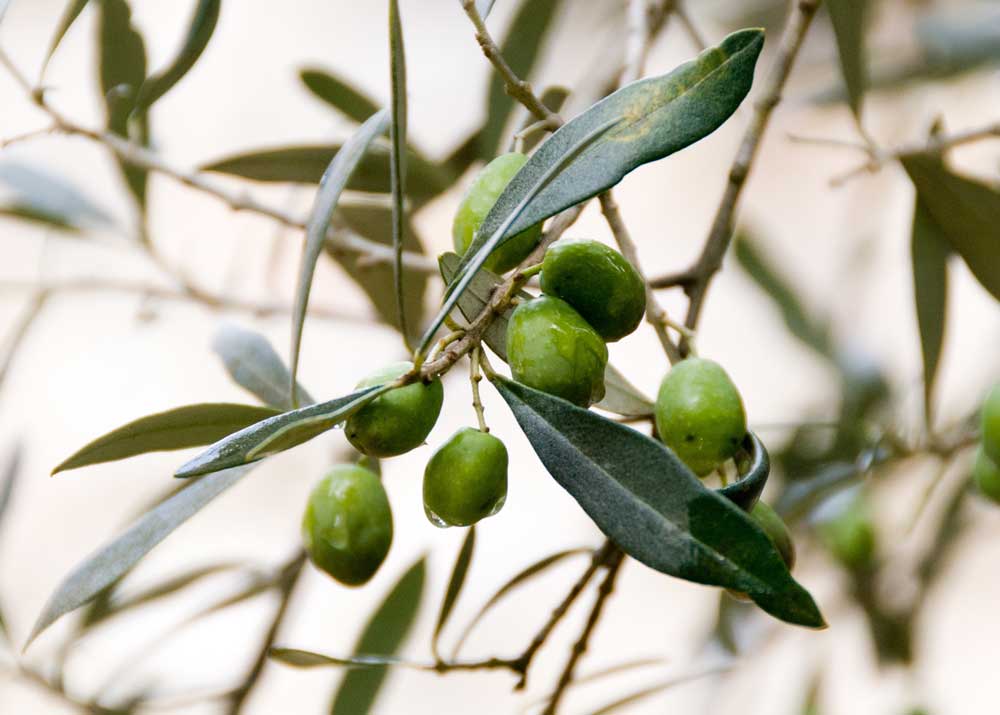
The pits should be taken from live olives. Canned olives are not suitable, as heat treatment destroys their biological connections. The seeds should be soaked for 12-14 hours in a weak alkaline solution. The alkali concentration should be 10%. For the first planting, a pot with a diameter of 10 centimeters is required. The pits should be washed and placed in the soil to a depth of 2 centimeters. The first shoots will appear in 6-8 weeks. The plant will not produce ovaries until 10 years have passed.
Cuttings
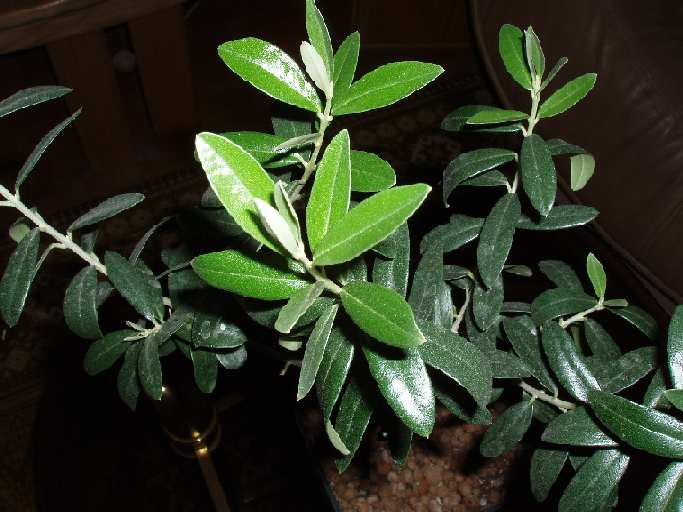
This is the most popular method of propagating the plant. Planting material should be collected in the summer. To do this, cut 20 centimeters of shoots from a plant aged 2-4 years. The shoot should be 3-4 centimeters thick. To root the cutting, soak it in a growth stimulant such as Ecosil or Kornevin for several hours. Then, place the planting material in water or moist sandy soil.
For the procedure to be successful, the plant needs to be provided with favorable conditions:
- temperature – not less than 20 degrees;
- good lighting without direct sunlight;
- high humidity.
What difficulties may arise?
The main challenge in growing olive trees is the risk of infestation by harmful insects and diseases. The most dangerous pests for the tree are black scale insects.However, an excess of chemicals negatively impacts crop yields. Therefore, gardeners recommend supporting the plant's immunity with mineral and organic fertilizers.
The olive tree is a beautiful ornamental plant that's perfectly acceptable to grow indoors. To achieve good results, it's important to strictly adhere to proper agricultural practices and practice disease prevention.
Related posts:
 Methods for planting and propagating cherries at home
 Description and cultivation of the 15 best cherry plum varieties for the Moscow region, planting and care rules
 How to plant walnuts, care for them, and grow them at home
 Descriptions of the 20 best cherry varieties for the Moscow region, their planting and care
 Peach tree care and agricultural secrets, pest control
 Conditions for growing mandarin at home and rules for caring for the tree
 Rules for planting and caring for pears in open ground, how to grow them correctly
 Description and characteristics of the 27 best plum varieties for the Urals, planting and care