
- Description of the Chandler highbush blueberry variety
- The main pros and cons of berry crops
- Selection and growing regions
- Necessary climatic conditions for growing crops
- Bush and root system
- Fruiting
- Flowering and pollination
- Ripening time and harvest
- Taste and uses of berries
- Beneficial properties and contraindications of the fruit
- Susceptibility to diseases and insects
- Resistance to drought and frost
- Features of planting on the site
- Selecting and preparing a site
- Suitable soil
- Dates and methods of disembarkation
- To the ridge
- In special wells
- In containers
- Further care
- Watering mode
- What fertilizers should be applied?
- Pruning a plant
- Preventive treatment of the bush
- Mulching and loosening the beds
- Transfer
- Preparing for the winter period
- Methods of reproduction
- Seeds
- Cuttings
- Gardeners' reviews of the Chandler variety
Blueberries are native to North America. There, they grow on mountain slopes, river floodplains, and undergrowth. Wild blueberry varieties have been developed, differing in bush size, fruit production, and frost resistance. Chandler blueberries were created by European breeders over 25 years ago. This variety was the first to appear on the domestic market.
Description of the Chandler highbush blueberry variety
If you want to plant a crop in your garden, first familiarize yourself with its characteristics.
The main pros and cons of berry crops
Gardeners have mixed reviews of the Chandler blueberry. Its undeniable merits include:
- long and stable fruiting;
- high productivity;
- frost resistance;
- weight, high taste qualities and juiciness of berries;
- fruit resistance to sun;
- simple agricultural technology.
A significant drawback of the Chandler blueberry is its poor drought tolerance. A lack of moisture negatively impacts vegetation, yield, and berry flavor (berries turn out sour, small, and soft).
Blueberries are not suitable for long-distance transportation and often become sick.
Selection and growing regions
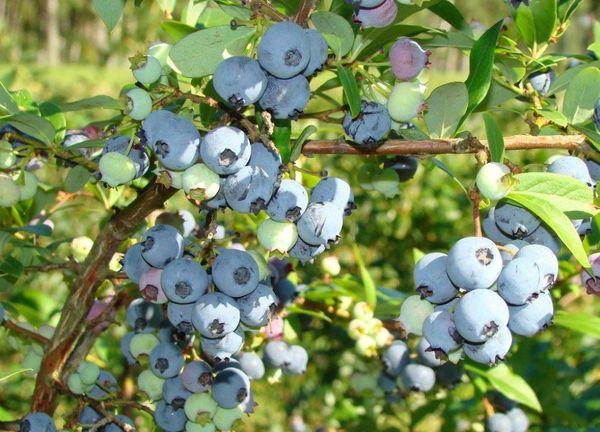
This blueberry variety is cultivated in regions with harsh winters and in the south. It is grown for culinary and decorative purposes. The bush remains green from spring to fall. Toward mid-fall, it turns yellow, then bright burgundy. The leaves fall with the first snow.
Necessary climatic conditions for growing crops
Chandler blueberries are recommended for growing in southern regions, as they can freeze in middle and northern latitudes if not protected by a special shelter.
Bush and root system
Blueberries are a deciduous perennial plant with a late fruiting season. They reach a height of 1.5-1.7 meters. The shoots are strong and grow quickly. The bush is branched and spreading, with a crown up to 1.5 meters high. The leaves are large, white and pink.
The plant has a superficial and poorly developed root system. The roots are fibrous and very thin.
Fruiting
Let's consider the fruiting characteristics of the crop.
Flowering and pollination
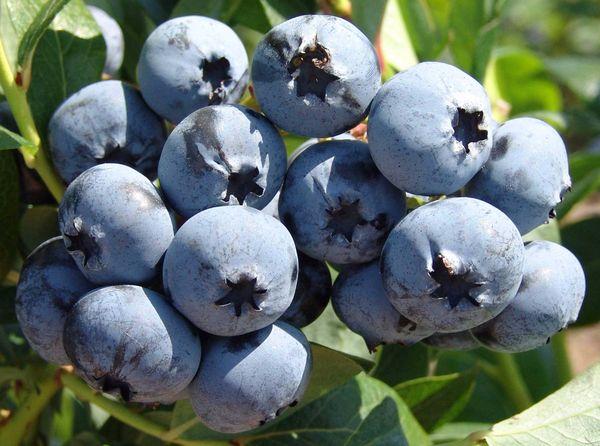
The Chandler variety begins blooming towards the end of June and continues until mid-July. The crop is partially self-sterile, so agronomists recommend planting several blueberry varieties at once.
Take a look Also
Choose varieties with the same flowering period; for example, Elizabeth and Bonus go well with Chandler.
Ripening time and harvest
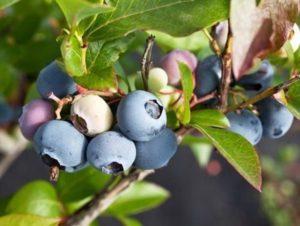
Fruiting begins in late August and continues until mid-autumn. This generally takes about a month and a half. One healthy bush can produce 8 kg of blueberries. Berries should be picked from the bottom of the bush, gradually working their way up.
Taste and uses of berries
Blueberries are widely used to make wine, preserves, jellies, and candied fruit, and as a garnish for desserts. Many people prefer to eat blueberries raw. They have a sweet and sour taste. The berries are juicy and exude a pleasant aroma.
Beneficial properties and contraindications of the fruit
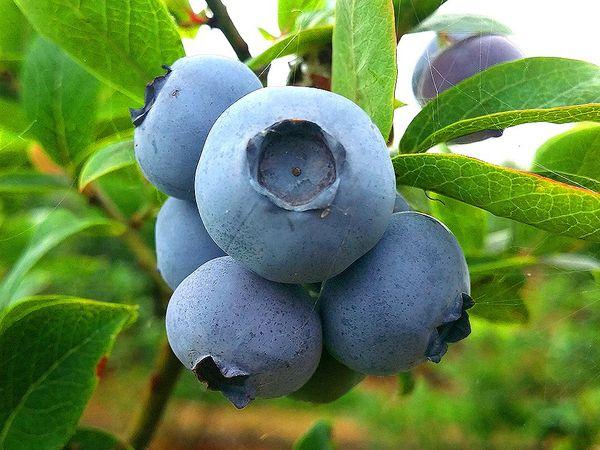
Blueberries are beneficial for the entire body. They are used to treat eye, heart, and vascular diseases, as well as gastrointestinal and central nervous system problems. The berries are rich in antioxidants, vitamins, and microelements. Their fiber content has a positive effect on digestion.
Despite its many benefits, blueberries are not recommended for people who suffer from:
- hepatitis;
- problems with the biliary tract;
- tendency to thrombosis;
- individual intolerance to the product.
Susceptibility to diseases and insects
Blueberries are not resistant to the Phomopsis fungus. Affected areas of the stem begin to dry out, and the leaves quickly turn yellow and fall off. Topsin can be used to control the pest. As a preventative measure, treating the bushes with a mixture of potassium hydroxide and copper sulfate is recommended in the spring. Leaf rollers and cockchafers can infest the bushes; these can be controlled with Iskra and Inta-Vir.
Resistance to drought and frost
With proper cover, Chandler can tolerate temperatures down to -28 degrees Celsius. The variety is susceptible to drought and begins to bear fruit poorly.
Features of planting on the site
To ensure that blueberries bear fruit well, several important points must be observed when planting them.
Selecting and preparing a site
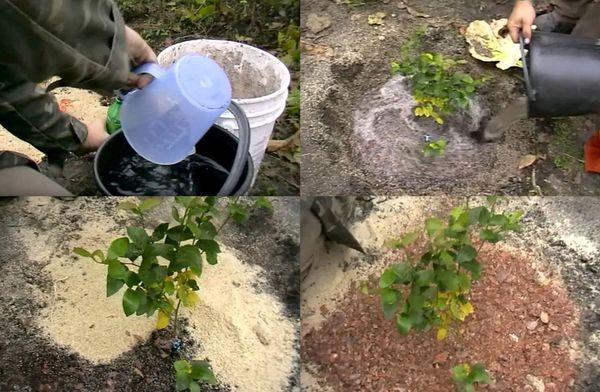
Fruiting and bush growth are directly dependent on sunlight, so even partial shade is unacceptable. Plant the crop in an open, well-ventilated area. Before planting, dig the area.
If the soil is not acidic enough, treat it with colloidal sulfur.
Suitable soil
Blueberries prefer loose soil containing sufficient sand and peat. The optimal pH is 3.8-4.8. They can be planted near mint, sorrel, and horsetail. At pH levels of 6 or higher, the plant's growth will be significantly slowed. Chandler may die in neutral or alkaline soil.
Dates and methods of disembarkation
There are several ways to plant the crop.
To the ridge
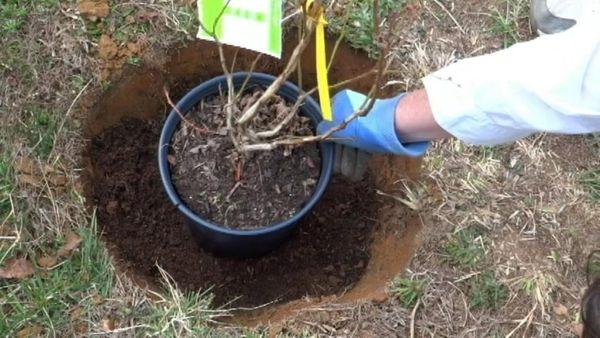
Remove a 10-centimeter layer of soil and spread it around the area where you'll be planting the blueberries. Fill the resulting hole with sand, peat, perlite, and sawdust to create a small mound. Plant the seedling on this mound. Cover the planting area with a 10-centimeter layer of sawdust.
In special wells
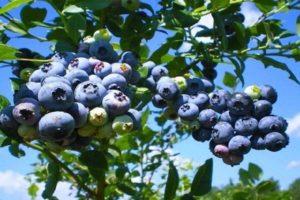
Dig a 50x50 cm hole 40 cm deep. Line the sides with waterproof fabric, and fill the bottom with high-moor peat, pine sawdust, and river sand in a 5:1:1 ratio. Before planting, it's a good idea to fertilize the area with pine humus at a rate of 2 buckets per 1 m² of soil and add 30 g of nitroammophoska.
In containers
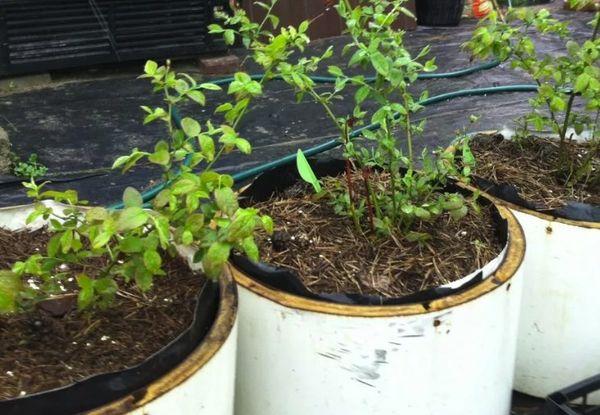
Choose a wide container, several times larger than the root system of the purchased seedling. To fill the container, choose one of the following mixtures:
- high-moor peat and river sand (1:1);
- peat, soil from the site and sand (1:1:1).
Mix the selected soil with 50 g of colloidal sulfur and stir. Soak the seedling in water for an hour before planting. Fill the container where the blueberries will grow one-third full with soil. If the seedling's roots are tangled, gently straighten them, then place it in the pot and fill with the remaining soil. Tamp lightly, cover with a few centimeters of mulch, and water thoroughly.
Further care
Blueberries are a capricious plant and therefore require special care.
Watering mode
Water your blueberries twice a week. Use 10 liters of settled water per bush. Avoid using cold water, as it will negatively impact the plant's health. Regular watering will ensure a good harvest and bud formation.
You can use drip irrigation: it will moisten the leaves well and protect the bush from the negative effects of high temperatures.
Without watering, the quantity and quality of berries will decrease significantly.
What fertilizers should be applied?
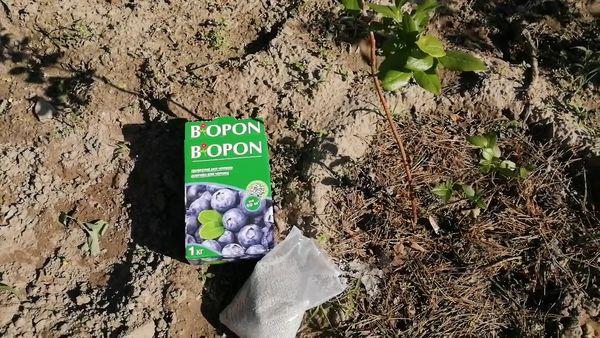
The bushes need to be fertilized with nitrogen. Apply the first half of the fertilizer in early spring, and the second half during flowering and fruit set. Apply the final fertilizer before mid-July to ensure the blueberries survive the winter properly. It's best to avoid using nitrates, as they are harmful. for blueberries and soil generally.
Pruning a plant
Prune spreading bushes when they are 3-4 years old. Until then, only sanitary shaping is permitted. Be sure to remove damaged, hanging, and non-fruiting branches, as these negatively impact the growth and rooting of healthy shoots.
Please note! A mature bush should have 6 branches. When it reaches 5 years of age, perform rejuvenation pruning.
Preventive treatment of the bush
The crop is most often affected by stem canker. The disease manifests as small red spots that gradually darken and become oval. Eventually, the stem dies. There are several ways to prevent the disease:
- do not plant blueberries in waterlogged soil;
- Don't overuse nitrogen.
Take a look Also
Cut off and burn affected stems. Treat the bush itself with a 0.2% solution of Euparen and Topsin. Spray the plant three times in a row a week before flowering, and repeat after harvesting.
Bordeaux mixture is suitable for prevention: spray the bushes with it before the leaves appear and after they fall.
Mulching and loosening the beds
You can mulch the plant with hay, peat, sand, sawdust, leaves, and straw. Be sure to cover the bushes to protect them from temperature fluctuations, diseases, and pests. Mulch improves soil fertility, makes it loose, and helps retain moisture.
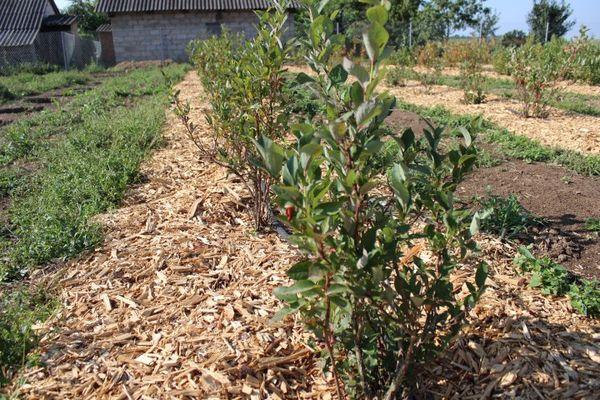
Experts recommend using sawdust for this purpose, as it is the most durable. The mulch layer should be 10 cm thick.
Apply the first mulch after planting the bushes in their permanent location. Subsequent mulching should be done as needed, reducing the layer to 5 cm.
Transfer
If you need to replant a mature fruiting bush, be sure to dig up the soil first and check its pH. It's best to replant the plant in a special well (described above).
Preparing for the winter period
Despite their frost resistance, in regions with harsh climates, it is recommended to cover blueberries with lightweight cloth or burlap. It is important to use a breathable fabric. Then, cover them with a layer of snow.
Methods of reproduction
Chandler blueberry is propagated in two ways.
Seeds
Collect seeds from ripe, high-quality fruits. Dry the separated seeds and plant them in shallow holes in the fall. As the plant grows, it requires regular weeding, watering, and fertilizing. Then transplant the young bush to its previously prepared permanent location.
Cuttings
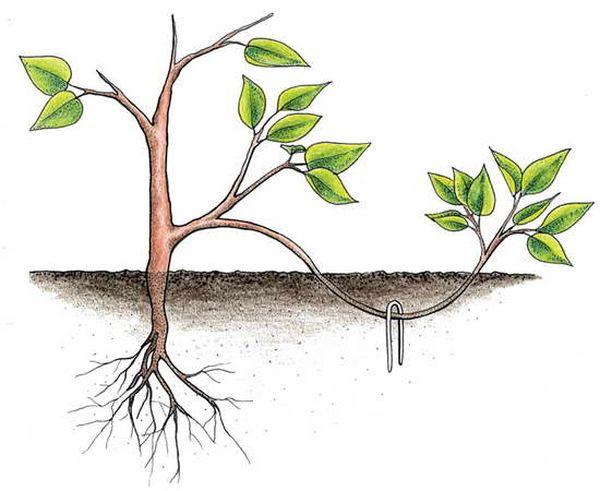
Begin preparing for this propagation method in November. Separate the cuttings from the parent plant, place them in sand, and keep them in a cool place. With proper care, they will become viable seedlings in 24 months. Plant the seedlings in prepared open soil. The first berries will appear in 12 months.
Gardeners' reviews of the Chandler variety
Gardeners speak highly of blueberries. Many note their excellent fruiting, ease of care, and frost resistance. Gardeners attempting to grow the crop on an industrial scale say it's difficult and unprofitable.
Related posts:
 Description and characteristics of 45 of the best varieties of garden blueberries
 Description and rules for growing the Northland blueberry variety
 Description of the Denis Blue blueberry variety and the subtleties of growing it
 Description of the Early Blue blueberry variety, planting and care
 Blueberry recipes for the winter, including freezing or blending with sugar to preserve all the vitamins
 Description and characteristics of the Toro blueberry variety, growing rules
 Description and characteristics of the Elizabeth blueberry variety, planting and care
 Description and subtleties of growing the Spartan blueberry variety