
- Description and Features
- History of selection
- Characteristics of the variety
- Berries
- Flowering period
- Ripening time
- Applications of berries
- Resistance to diseases and pests
- Taste and medicinal properties
- Advantages and disadvantages of the variety
- How to plant correctly
- Recommendations for choosing deadlines
- Site and soil requirements
- Site selection and preparation
- How to select and prepare planting material
- Planting diagram
- Care instructions
- Watering mode
- Mulching
- Top dressing
- Trimming
- Rejuvenating
- Formative
- Preparing for winter
- Diseases and pests
- Mummification of fruits
- Septoria
- Gray rot
- Harvesting and storage
- Tips and recommendations
Exotic berries are increasingly appearing in the gardens of our summer residents and gardeners. The Toro blueberry variety yields up to 10 kg of ripe berries annually, rich in nutrients and microelements. This tall plant requires regular care and attention, and has high soil pH requirements. The harvested fruit is not only eaten fresh but also frozen and preserved.
Description and Features
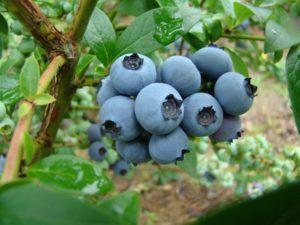
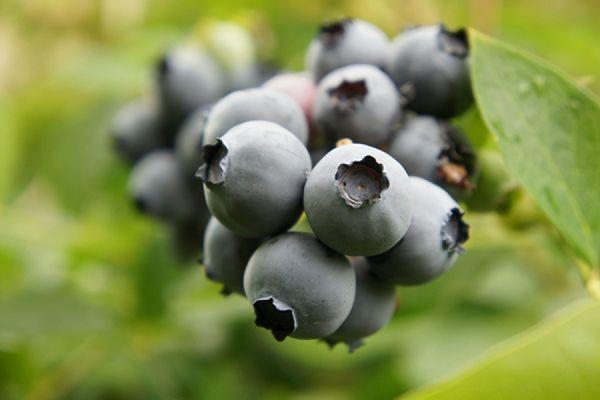
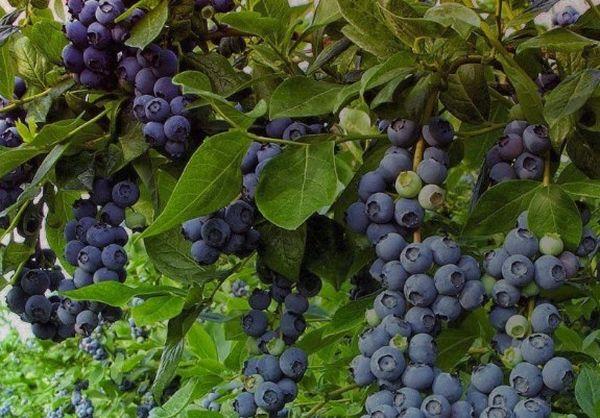
The upright Toro blueberry bush reaches 2 meters in height. It gains strength over the years. The berries, which are blue when ripe, have a characteristic white bloom. The fruits have a balanced, pleasant flavor and firm flesh.
The bush begins to bear fruit four years after planting. Each year, the harvested blueberry crop increases. The berries ripen around early August and are harvested in two stages. The first harvest is done by hand, and the second can be mechanically harvested.
History of selection
Gardeners first discovered the Toro blueberry in 1987. This variety is the result of the work of American breeders, created by crossing Ivanhoe and Earlyblue. Toro is suitable for cultivation not only in private plots but also on an industrial scale.
Characteristics of the variety
Toro blueberries have specific characteristics not only in their berry characteristics but also in their cultivation and care. These should be familiarized with before planting them in your garden.
Berries
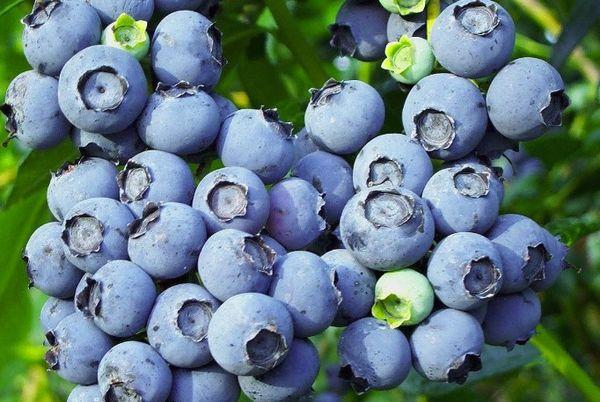
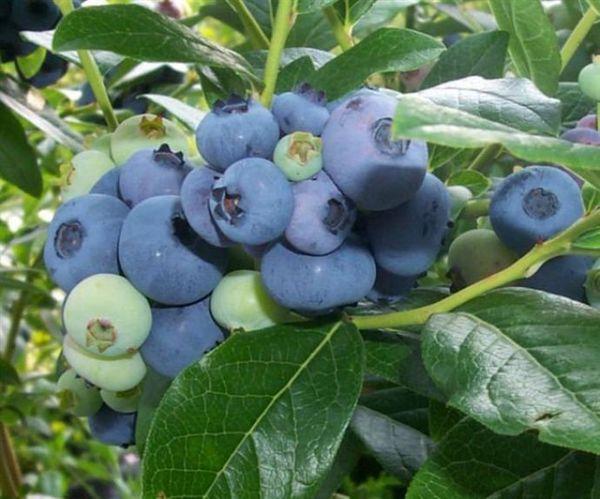
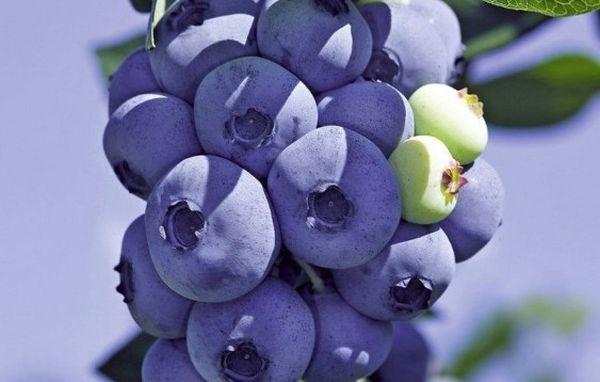
Toro berries are large, reaching 2 cm in diameter. They have a balanced, sweet and sour flavor. When ripe, they turn blue.
The fruits are collected in clusters and do not lose their commercial and taste qualities until the end of the harvest period.
Flowering period
The Toro blueberry blooms in May. The flowers are white and pink, gathered in clusters.
Ripening time
The harvest ripening period occurs in the first days of August, and in the southern regions even at the end of July.
Applications of berries
Toro blueberries are versatile. They are suitable for fresh consumption, freezing, and making jam and other culinary delights.
Resistance to diseases and pests
The Toro blueberry variety has low disease resistance, so careful attention to agricultural practices is required. Otherwise, the plant will suffer from harmful insects and pathogens.
Taste and medicinal properties
Tasters highly praised the pleasant sweet-tart flavor of Toro fruits. They contain a large amount of anthocyanins, which inhibit the growth of cancer cells. Regular consumption of the berries increases the body's production of natural collagen.
The carotene they contain is almost completely absorbed and has a positive effect on the development of a beautiful tan. Blueberries are used in dietary nutrition and to combat vitamin deficiency.
Advantages and disadvantages of the variety
The Toro blueberry has a number of advantages that make gardeners prefer this variety:
- tasty fruits with a high content of nutrients and microelements;
- high frost resistance;
- large-fruited;
- the harvest is easy to collect from the bush;
- the fruits are suitable for long-term storage;
- the berries have excellent commercial qualities;
- universal use of the crop.
The only drawbacks noted are a short fruiting period and increased soil acidity requirements. Furthermore, blueberries require regular care.
How to plant correctly
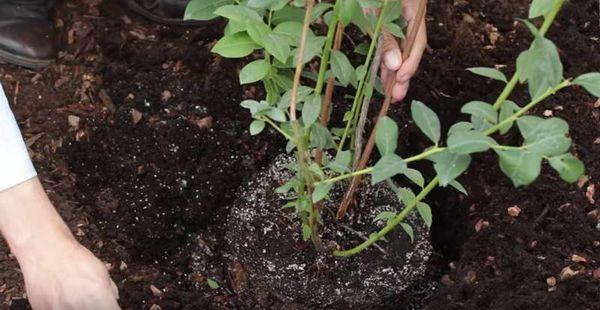
Young Toro blueberry bushes, 1-2 years old and at least 0.5 m tall, are suitable for planting in open ground. The planting process has certain peculiarities.
Recommendations for choosing deadlines
Blueberries are planted in early spring, before the buds have opened, or in autumn, when the growing season has come to an end.
Bushes with a closed root system are planted throughout the summer season.
Site and soil requirements
Blueberries don't like stagnant water, so choose a well-lit, well-drained location for growing them. The soil pH should be between 3.8 and 4.8. Furthermore, soil high in calcium is preferred for growing Toro.
Site selection and preparation
Once a planting site has been selected, preparation begins. To do this, dig a 0.6-meter-deep planting hole and add a drainage layer of broken brick or small pebbles to the bottom.
After this, nutrient solution is poured into the hole. blueberry substrate, consisting of peat, sand and rotted pine litter, mixed in equal proportions. Fresh pine litter should not be used, as it will not provide the required level of acidity in the soil.
How to select and prepare planting material
For planting, select seedlings aged 1-2 years. These are the ones that take root best and begin producing crops sooner. Plants should be absolutely healthy, showing no signs of disease, defects, or mechanical damage.
It's preferable to purchase planting material from reputable retailers, branded stores, or nurseries. Before planting, bare-root plants should be soaked briefly in a rooting stimulator.
Planting diagram
When planting blueberries, leave a distance of 2.5 x 1.5 m between adjacent plants. If planting in rows, leave about 0.9 m between bushes, and up to 4 m between rows.
Care instructions
The future harvest depends not only on the correct planting and selection of high-quality seedlings, but also on subsequent care, for which the Toro blueberry places high demands.
Watering mode
Blueberries are moisture-loving crops and require frequent irrigation. The amount of water depends on weather conditions. In spring and summer, blueberries should be watered 1-2 times a week. In autumn, the frequency of irrigation is reduced.
Mulching
Mulching the area around the trunk of a tree is done to retain soil moisture and prevent weeds. It is recommended to use peat, pine needles, or sawdust as mulch; as they decompose, they will fertilize the soil and provide it with micronutrients essential for plant growth and development.
Top dressing
The first feeding of blueberries is done before the sap begins to flow. A complex fertilizer containing potassium, nitrogen, and phosphorus is used for this purpose. The same fertilizer is applied a second time, during flowering. This fertilizer can be applied again when fruiting begins. With the onset of autumn, additional fertilizers should be used to strengthen the bushes and build their strength before the cold weather sets in.
Ready-made fertilizers specifically designed for blueberries are available at gardening stores. Avoid using bone meal, dolomite meal, or wood ash with blueberries, as they tend to deacidify the soil, which is harmful to this plant.
Trimming
Formative and rejuvenating pruning are essential care procedures for Toro blueberries; without them, yields are significantly reduced and the bushes themselves look untidy.
Rejuvenating
During rejuvenation pruning, all branches older than 5 years are removed. This promotes stable and regular fruiting and prevents a decline in yield.
Formative
Formative pruning of blueberries is done to thin out the crown. This involves removing all unnecessary, crowding branches. It's important to remember that second-year shoots produce the largest harvest. You can prune branches that don't produce flower buds at all.
Preparing for winter
Before the onset of cold weather, the young bush is carefully bent to the ground and secured. It is then covered with a breathable material (such as spunbond or canvas) and topped with spruce branches. The covering must be secure to prevent the blueberries from opening up inclement weather. Avoid covering the plants too early, as the shoots may begin to grow in the warmer weather and then die when frost sets in.
Diseases and pests
If agricultural practices aren't followed or weather conditions are unfavorable, Toro blueberries can be susceptible to a number of diseases that need to be detected promptly. Timely treatment and preventative measures can help avoid many problems.
Mummification of fruits
This fungal disease causes blueberries to rot from the inside out, damaging the seeds. Over time, the berries fall apart. They should be picked and destroyed to prevent further spread of the infection.
Septoria
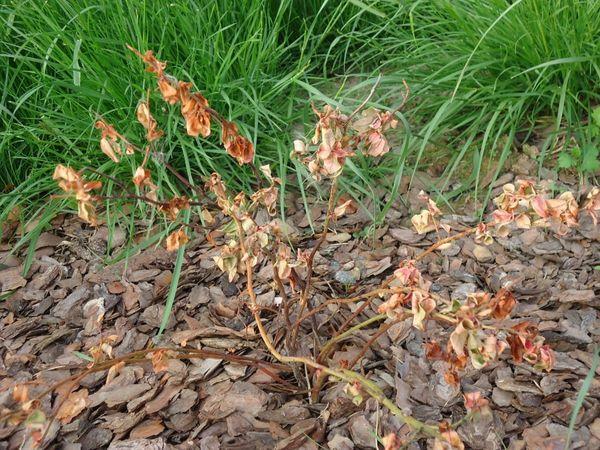
This disease has another name: white spot. Black spots initially appear in the center of blueberry leaves, which gradually expand and turn white. This fungal disease can only be cured by treating with fungicides.
Gray rot
This dangerous disease affects the bush from the roots to the fruit. Stems and stalks turn black as a result of rotting. It can only be controlled in the early stages by treating with specialized products, such as Fitoverm. If the disease is allowed to progress, the blueberry plant must be completely uprooted and burned. Excessive moisture is often the cause of the infection.
Harvesting and storage
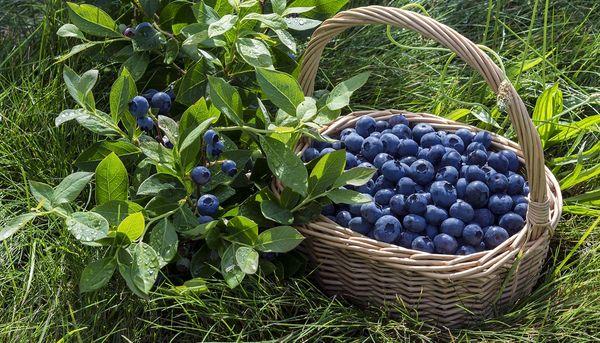
Ripe Toro blueberries are easy to pick from the branches. Harvesting season begins in early August, but if for some reason harvesting isn't done on time, the berries retain their marketability and flavor for a long time on the bush. Clean, dried blueberries can be stored in a glass container in the refrigerator for up to 14 days.
Frozen fruits retain all their beneficial properties for up to 6 months. The harvested fruit is also used to make healthy and delicious jams, candied, and even dried. Some home cooks make compotes and kissels from the fruit.
Tips and recommendations
Toro blueberries are very sensitive to soil acidity, so experienced gardeners recommend watering the soil around the trunk in spring and fall with a 9% vinegar solution (approximately 700 ml per bucket of water). Avoid using fertilizers that deacidify the soil.
To facilitate the process of harvesting fruit, use special combs, which can be purchased at a gardening store or made yourself from scrap materials.
Related posts:
 Description and characteristics of 45 of the best varieties of garden blueberries
 Description and rules for growing the Northland blueberry variety
 Description of the Denis Blue blueberry variety and the subtleties of growing it
 Blueberry recipes for the winter, including freezing or blending with sugar to preserve all the vitamins
 Description of the Early Blue blueberry variety, planting and care
 Description and characteristics of the Elizabeth blueberry variety, planting and care
 Blueberry planting and care guidelines in the Moscow region, including the best varieties
 Description and subtleties of growing the Spartan blueberry variety