
- Botanical description
- Cloudberry growing area
- In the Moscow region
- In the Novgorod region
- In the Vologda region
- In Karelia
- In Arkhangelsk
- In Murmansk
- In the Leningrad region
- Useful and medicinal properties
- Areas of application
- Traditional medicine
- Cooking
- Cosmetology
- Harvest time
- fruits
- Foliage
- Signs of ripeness
- Can you pick green berries?
- Rules for the collection and processing of fruits
Deep in the northern Russian forests grows a "royal" berry, known as cloudberry, which has long been served to princes and tsars in Rus'. It is remarkably rich in vitamins, microelements, and acids. The berry is very fragile and has a short shelf life, so it's important to know when to harvest cloudberries. Harvesting times vary depending on the plant's location. The general harvest time is midsummer.
Botanical description
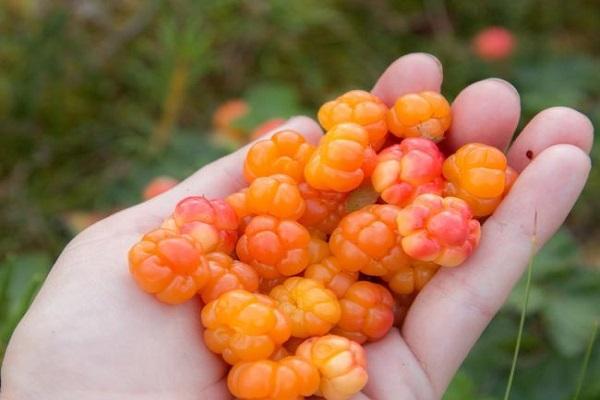
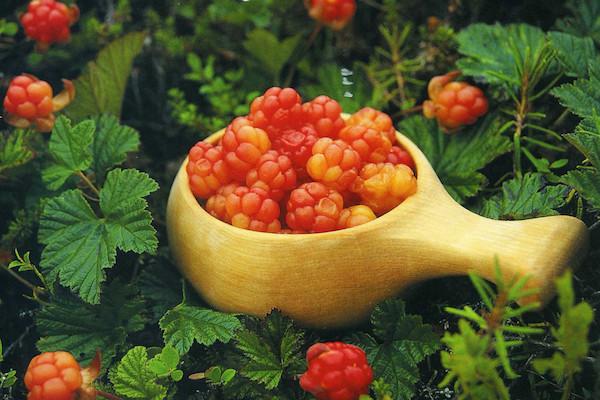
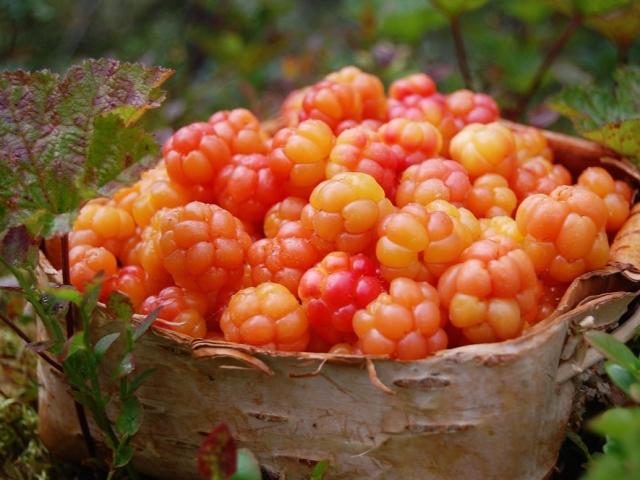
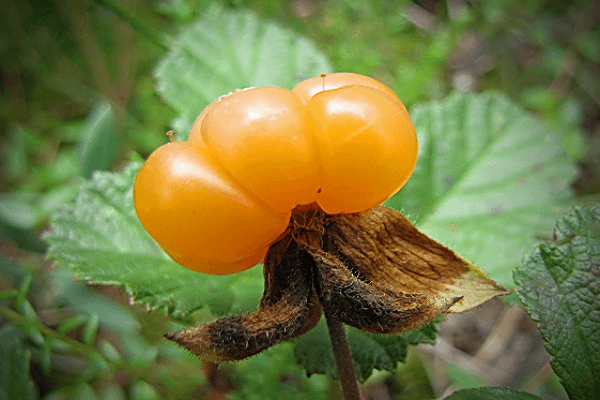
Cloudberry is a plant belonging to the Rosaceae family. The fruit resembles a raspberry in shape. When ripe, the berry changes color from red to yellow. It is a subshrub, 30 centimeters tall. The berries are orange, translucent, like amber.
Cloudberry growing area
It grows in densely vegetated areas in northern regions. It is common in Scandinavia, Canada, the northern United States, Great Britain, and Ireland. In Russia, it is found in the northern regions of European Russia, Siberia, and occasionally in temperate latitudes. It grows in marshy areas, near bodies of water, and among dense forests.
In the Moscow region
Rarely encountered. Due to the warm climate in the Moscow region, it grows near swamps.
In the Novgorod region
The bushes are distributed in sparse areas near bodies of water, in swamps and in dense forests.
In the Vologda region
This region has many marshes, providing ample space for cloudberries to grow. Frequent rainfall and long winters encourage the growth of dense forests with little sun, a perfect environment for the berry to thrive.

In Karelia
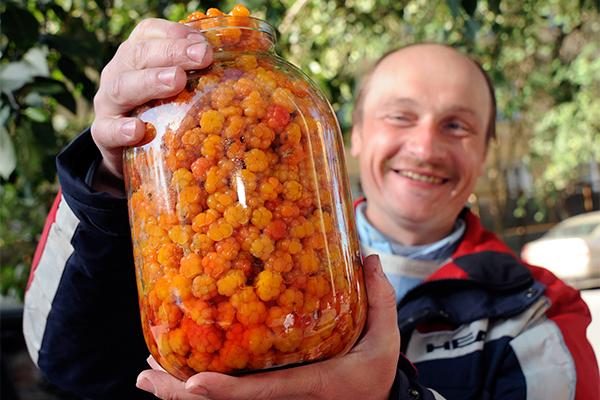
A Russian region rich in cloudberries. The plant grows throughout the region. The berries are found near bodies of water and in open areas.
In Arkhangelsk
Due to the marshes and cold climate, the plant is found everywhere. A large harvest can be gathered in a short time, so people come from other regions to the Arkhangelsk region to pick the berries. The Primorsky and Kargopolsky districts are visited by many people during the ripening season.
In Murmansk
The northern European region of Russia is home to the largest number of cloudberries. The plant is found everywhere: near roads, settlements, and in open clearings.
In the Leningrad region
The region's climate favors the growth of northern berries only in the Priozersk and Kirovsky districts. These areas have more marshy areas and dense vegetation.
Useful and medicinal properties
The plant contains all the vitamins and nutrients beneficial for the body's health. This makes eating the berries beneficial, capable of curing illnesses and strengthening the immune system.
Medicinal properties of cloudberry:
- treatment of colds;
- strengthening the immune system;
- fight against viruses and infections;
- acceleration of metabolism;
- cleansing the gastrointestinal tract;
- treatment of urogenital infections;
- healing of wounds and skin inflammations;
- lowering blood pressure in hypertension;
- strengthening nails and hair.
Cloudberry juice has long been used to treat skin with scabies.
Areas of application
The berries, leaves and roots of the plant are widely used in the production of cosmetics, in folk medicine and in the production of drugs.
Traditional medicine
In folk medicine, cloudberries have long been used to treat scurvy. Infusions of the berries and leaves are used to treat coughs, headaches, and fever. They are also used as a remedy for kidney, stomach, and intestinal ailments.
Cooking
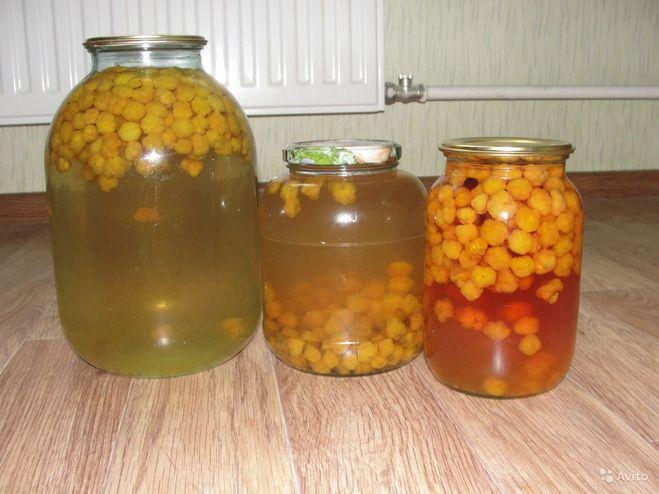
The fruits are used to make preserves, jellies, marmalades, juices, compotes, and kissels. They are dried and used as food in winter. They are also added as a filling to baked goods.
Take a look Also

Cosmetology
Thanks to its healing properties, the plant is used in cosmetics. Extracts from this northern berry are used to make shampoos, creams, lotions, soaps, and facial serums. Cloudberry contains more vitamin C than citrus fruits, so cosmetics can whiten and improve the skin's surface.
Harvest time
Cloudberry harvesting varies depending on the season and location. Harvesting begins in July and ends in August.
fruits
The fruits are harvested when ripe, when they are soft and yellow-orange in color. The harvest season begins in the second half of July and continues for another month.
Foliage
It is recommended to harvest the leaves at the beginning of the plant's flowering period. Depending on the region, this is done from early May to mid-June. At this time, the leaves contain the greatest amount of vitamins and microelements.
Signs of ripeness
The berries change color as they ripen. They start out green, then fade to white, pink, red, and yellow. The red color of the berries can sometimes be misleading, suggesting they are ripe. Cloudberries are harvested when they turn a yellow-orange color. Because of the translucency of ripe berries, they are compared to amber.
Can you pick green berries?
Unripe cloudberries are used to produce medicinal extracts. They are also used in folk medicine and are used to make healing decoctions.
Green berries are first dried, covered with boiling water and stored.
Rules for the collection and processing of fruits
Cloudberries, like raspberries, are delicate berries. Harvesting and storing them require some knowledge and tricks. To properly harvest the berries, they must be picked with the sepals attached to avoid crushing them during transportation. A shallow basket is the preferred container for harvesting. Ripe berries drain and spoil immediately, so they must be processed immediately.
Berries are dried, frozen, or made into jam. Dry in a well-ventilated area at room temperature, away from sunlight. Another drying method is in the oven at a low temperature, up to 40 degrees Celsius. Leave the oven door open.

Related posts:
 Growing and planting cloudberries in the garden, care instructions for open ground
 A simple recipe for cloudberry jam for the winter
 How to properly preserve cloudberries for the winter at home
 TOP 5 recipes for preserving cloudberry compote for the winter at home, and storing the preserves
 Description of 36 of the best sweet and large varieties of gooseberries
 When and how to properly pick gooseberries with your own hands to avoid getting pricked
 The best eggplant varieties for growing in a polycarbonate greenhouse: planting and care
 Beginner's Guide to Growing Grapes in Open Ground in Central Russia