
- Advantages of seed propagation
- Choosing a Blueberry Variety
- When and how to prepare planting material
- Berry selection criteria
- Preparing seeds for sowing
- Substrate preparation and sowing
- When to expect the sprout to appear?
- Specifics of transplantation to a permanent location
- Care Features
- Watering
- What to feed
- Forming young seedlings
- Protection from insects and diseases
- Do I need to cover it for the winter?
- Will a bush grown from a seed bear fruit?
Blueberries have always been considered a forest crop. However, curious gardeners enjoy experimenting with interesting things and trying to cultivate exotic and unusual plants in their gardens. The desire to grow delicious garden blueberries from seeds and harvest this incredibly healthy berry annually at home has also been a popular one. With hard work, this dream often becomes a reality.
Advantages of seed propagation
Propagation by seed allows for the rapid cultivation of large numbers of plants that are adapted to the environment and less susceptible to disease. Garden blueberry varieties, the result of painstaking breeding, produce abundant yields with the desired flavor characteristics. However, blueberries grown from seed grow slowly and do not begin bearing fruit for at least five years after planting.
Choosing a Blueberry Variety
Depending on their size, garden blueberry varieties are divided into:
- short;
- medium-sized;
- tall.
These are frost-hardy plants with excellent-tasting berries. The wide range of garden blueberries available on the market allows you to choose varieties suitable for your height and desired characteristics.
When growing in pots, it is worth giving preference to low-growing varieties, and for planting, use large containers of at least 60 cm in diameter.
When and how to prepare planting material
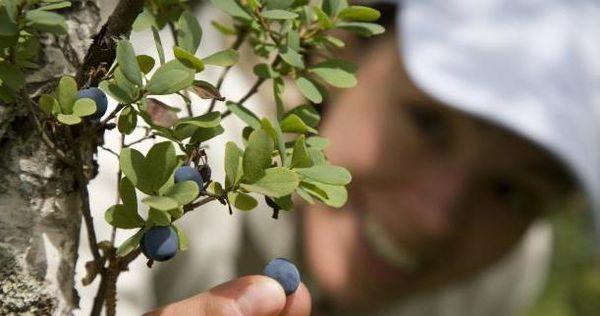
To successfully grow blueberries at home, it's best to buy ready-made seeds, which are readily available today. However, experienced gardeners often use fully ripe berries to obtain seeds.

The seeds are extracted from the harvested berries, dried at ambient temperatures, and stored in a cool place. Over the winter, the seeds undergo stratification and are ready for planting in early spring.
Berry selection criteria
To harvest seeds, select strong, healthy bushes from which large, dark-colored berries with juicy, dense flesh are harvested.
Preparing seeds for sowing
The seeds are stored throughout the winter in the refrigerator or any other cool place. At low temperatures, the seeds ripen, gain strength, and their germination rate increases significantly. In the spring, they are removed and sown in pre-prepared soil.

Substrate preparation and sowing
Blueberries are sensitive to light, so sowing seeds indoors should not be done before March. Artificial lighting can be provided if necessary. Under these conditions, the seeds germinate quickly and develop vigorously. Careful soil preparation ensures seed germination and their successful development into a healthy plant.
Blueberries require acidic soil with a pH of 3.5 to 5.5. Soil with low pH requires acidification.
For planting, prepare a soil mixture consisting of peat and pine litter. Use equal parts. A small amount of humus and sand will improve the soil structure and promote healthy growth.
An excellent option for fruitful blueberry cultivation is ready-made soil for azaleas with medium acidity.
The seeds are sown in pre-prepared pots or boxes, thoroughly watered and covered with film until seedlings appear.
When to expect the sprout to appear?
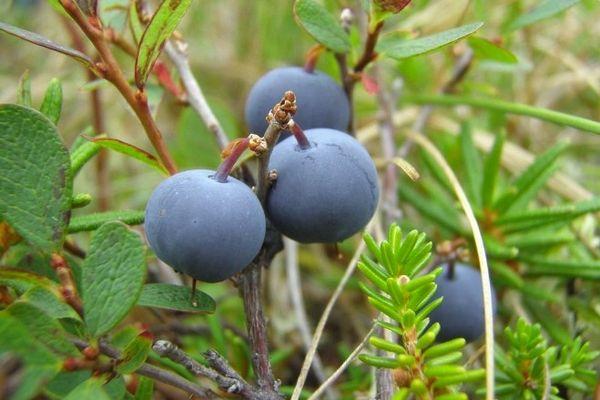
After sowing the seeds in the ground, the first shoots can be expected within a few weeks. Once the seeds have sprouted, the plastic wrap is removed.
Growing blueberries from seeds requires a lot of effort and attention, and favorable results aren't always guaranteed. It's much easier to purchase ready-made container-grown blueberries for large-scale cultivation. They thrive in open ground, and the mortality rate of transplanted plants is minimal.
Take a look Also

Specifics of transplantation to a permanent location
In most regions, blueberries are planted outdoors in the spring. By the first frost, the plants have time to take root and grow strong. Fall planting is only suitable for areas with mild climates and warm winters. A long, warm autumn allows the plants to adapt to the environment and survive the winter well.
When planting seedlings in a permanent place, prepare large holes measuring 80 x 80 and fill them with suitable soil.
The seedlings are planted carefully, without disturbing the root ball and trying not to damage the delicate roots.

Care Features
Home conditions are not natural for growing blueberries, so attention and careful care are more important than ever.
Watering
Blueberries are sensitive to moisture. They don't want the soil to dry out completely. Water the plants with rainwater that's been settled for 24 hours. Care is taken to ensure the soil remains slightly moist at all times.
What to feed
When growing blueberries, soil acidity is regularly monitored, as it is essential for successful plant development and fruiting. Any changes in the soil pH are adjusted to the required standards.
Every three years the plants are fed with organic matter, and complex fertilizers are added annually.

Forming young seedlings
Blueberries aren't pruned immediately after planting. Only in the third or fourth year do they begin annual pruning. This involves removing frozen, dried, and damaged branches. A mature plant requires 6-8 strong, developed branches for good fruiting. Weak and underdeveloped shoots are removed. Old branches are gradually replaced with new ones.
Aging bushes immediately affect yield, so plants over 15 years old require heavy rejuvenating pruning. This is done in early spring at temperatures no higher than 5°C, at a height of about 30 centimeters above ground level. The cuts are carefully treated with garden pitch.
Protection from insects and diseases
To ensure successful plant growth and berry ripening, annual preventative measures are required. Timely pruning and treatment of bushes with Bordeaux mixture can prevent a number of common diseases and ensure healthy plants.
Take a look Also
Aphids and scale insects are particularly prevalent on growing blueberry bushes. To protect against these pests, spray the plant with insecticides.
Do I need to cover it for the winter?
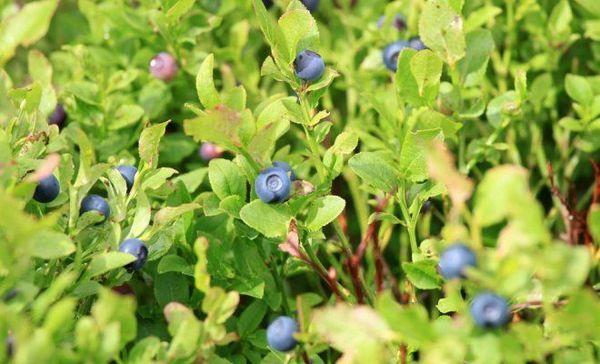
Blueberries tolerate subzero temperatures well. Mature plants require no cover. The roots of young seedlings are protected from severe frosts with a thick layer of sawdust mulch.
Will a bush grown from a seed bear fruit?
When propagated by seed, the characteristics of the mother plants are generally not passed on. Therefore, it is impossible to predict the fruiting performance of a mature plant. Some bushes may bear large berries and produce large harvests. Other bushes, under the same growing conditions, often produce small berries in small quantities. To achieve good harvests, the healthiest and most fruitful plants are selected and propagated by cuttings or division of the overgrown bush.
Preparing suitable soil, using high-quality seeds, and paying close attention to growing plants allows you to grow garden blueberries at home and enjoy their healthy fruits.
Related posts:
 Rules and methods for preserving blueberries at home for the winter
 How to grow blueberries outdoors, planting and care
 15 simple recipes for making blueberry jam at home with apple and lemon in a slow cooker
 Is it possible to soak treated cucumber seeds before planting and how to do it correctly?
 TOP 10 simple recipes for blueberry compote for the winter at home, and storing the prepared ingredients
 The best eggplant varieties for growing in a polycarbonate greenhouse: planting and care
 Simple step-by-step recipes for making "Five-Minute" blueberry jam for the winter
 Top 10 easy blueberry jelly recipes for the winter