
- Botanical description of the crop
- Habitat
- Application in landscape design
- Useful properties of berries
- The best varieties of blueberries
- Forest
- Garden
- Necessary conditions
- Climate
- Illumination of the area
- Soil composition and acidity
- Favorable and unfavorable neighborhood
- Landing features
- Deadlines
- Choosing a location
- Preparatory work
- Landing plan and technology
- Seasonal care
- Watering
- Weeding and loosening
- Mulching
- Fertilization
- Correct pruning
- Protection from pests and diseases
- Shelter for the winter
- Transfer
- Methods of reproduction
- From seeds
- By dividing the bush
- Cuttings
- Features of blueberry fruiting
Many people are interested in how blueberries grow. In the wild, this plant is found in forests. However, thanks to the efforts of breeders, these bushes can now be planted in gardens. Today, there are many blueberry varieties that are known for their frost resistance. However, this crop is quite demanding when it comes to growing conditions and requires strict adherence to agricultural guidelines.
Botanical description of the crop
Blueberries are perennial, low-growing plants in the Ericaceae family. They reach a height of 15-30 centimeters. The branches form an acute angle with the main trunk. The leaves are ovoid and fall off in winter. The plant is characterized by creeping roots with numerous offshoots.
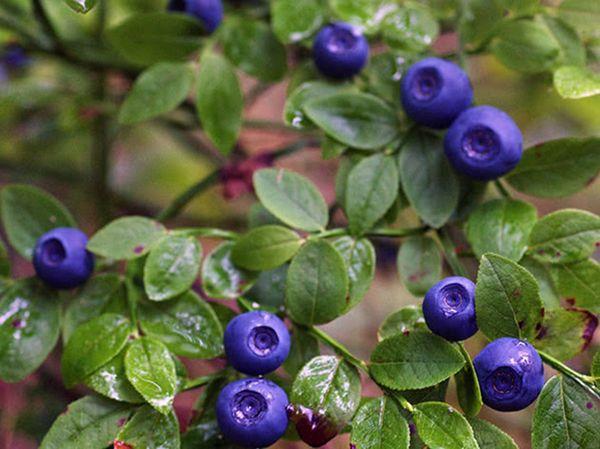
Flowering begins in May. The flowers are greenish-white. The corolla has five teeth. The flower is tilted downward, which protects the pollen from moisture. The berries are blue-black and are widely used for medicinal purposes. Blueberries are sometimes cultivated as an ornamental plant.
Habitat
Blueberries are found in coniferous forests and marshy areas. Sometimes, bushes can be seen in mixed plantings. In the wild, the berry grows only in the Northern Hemisphere. It is impossible to find the plant in warm climates or steppe areas.
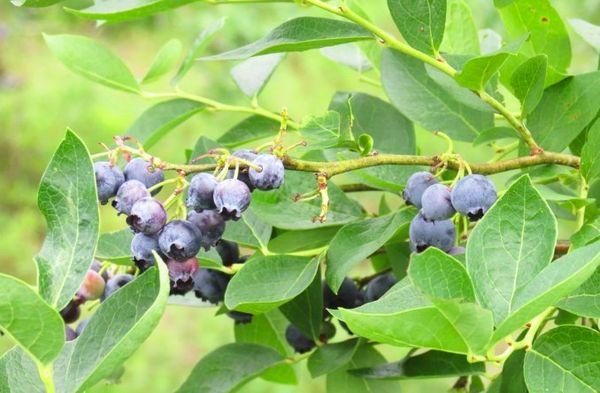
In Russia, the plant is found in Siberia, Karelia, and the Tyumen region. It also grows in the northern Urals and Trans-Urals. To grow blueberries in the Moscow region, it's best to choose specially adapted varieties.
In the wild, blueberries can be found in Northern Europe and East Asia. The berry thrives in areas with high or moderate humidity. In such areas, numerous bushes are found. In some areas, the berry covers an area of several dozen kilometers.
Application in landscape design
Blueberries are often used for ornamental purposes. They are most often used to enhance shady areas of the garden. The bushes blend harmoniously with conifers. Sometimes several blueberry bushes are planted in flowerbeds. The richly colored berries complement other plants beautifully.
Useful properties of berries
Blueberries are considered an incredibly healthy berry:
- The composition contains numerous organic acids, including citric, lactic, and malic acids. These components have a beneficial effect on the digestive system, help manage the symptoms of poisoning, and eliminate bowel problems.
- The presence of mineral salts of manganese, potassium, iron, and phosphorus in blueberries supports the normal functioning of the human body.
- The leaves of the plant help cope with the symptoms of diabetes.
- The presence of vitamins B, PP, C, and carotene helps strengthen the immune system. Berries have a beneficial effect on the health of the retina.
- The large amount of antioxidants in berries reduces the risk of developing heart and vascular pathologies.
- The plant has antibacterial properties, which helps relieve inflammation in the kidneys and genitourinary system.
- Blueberry leaf tea helps relieve headaches and cold symptoms.
The best varieties of blueberries
Today, many varieties of this berry are known. They differ in taste, fruiting period, and bush appearance.
Forest
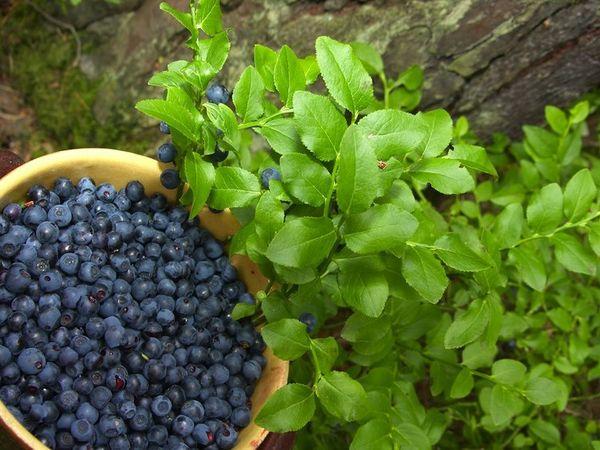
Wild blueberries grow in forests. Adapting the plant to gardening is quite challenging. This is due to the plant's increased sensitivity to transplantation. The crop also requires special growing conditions. Therefore, the berries are usually picked in forests.
Take a look Also
Garden
In the garden, you can grow special varieties of bush blueberries:
- Bluecrop is one of the most successful options, popular with many gardeners. This shrub is characterized by high frost resistance, able to withstand temperatures down to -35 degrees Celsius.
- Patriot – a bush reaching 1.5 meters in height with a sparse crown. The plant grows quite quickly. It is distinguished by slightly flattened fruits with a distinct aroma. Frost resistance and good immunity are considered advantages of this variety.
- Herbert is a tall plant, reaching 2 meters. This garden crop is characterized by late flowering, which helps avoid recurring frosts. The plant is highly resistant to frost and drought.
- Chanticleer is the earliest variety, blooming immediately after the last spring frost. The bush reaches 1.5 meters in height and produces a good harvest.
- Spartan is a fairly tall bush, reaching up to 2 meters. The harvest ripens in late July. A single bush can yield 5-8 kilograms of fruit. While not very large, they have a wonderful aroma and firm flesh. The plant is resistant to moniliosis.
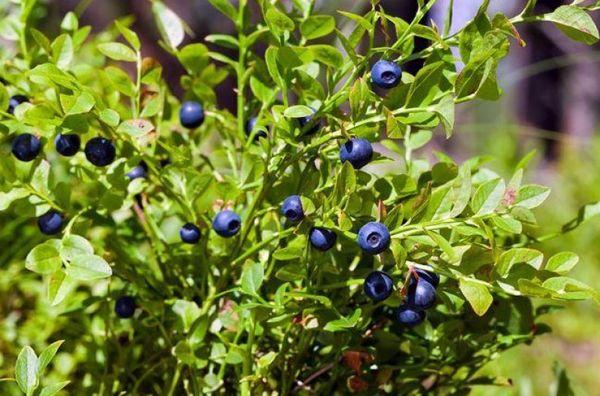
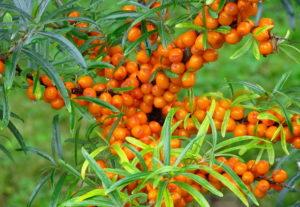
Besides the common blueberry, there's also the sunberry. This annual plant was bred from various species of creeping nightshade. It's characterized by good yields and large, glossy berries.
Necessary conditions
To successfully grow blueberries, they need suitable conditions. Choosing the right variety based on the region's climate will help ensure successful growth.
Climate
There are many indoor varieties of this plant that can be grown in a variety of climates. The bushes are not affected by low winter temperatures.
If there are less than 40-50 days between harvest and the onset of cold weather, early frosts down to -10°C (14°F) can damage the bushes. However, late spring frosts are unlikely to harm the plant, as blueberries bloom in the second half of May.
Illumination of the area
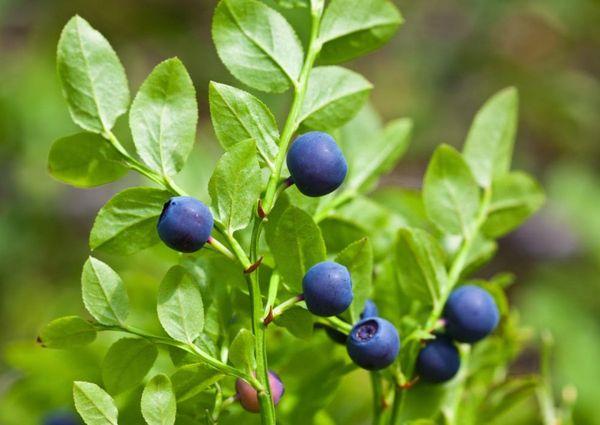
In nature, blueberries grow in pine forests. Garden varieties should be planted in sunny or partial shade areas.
Soil composition and acidity
The plant prefers fairly moist soil. It's best to choose soil with an acidic reaction.
Favorable and unfavorable neighborhood
When growing blueberries in your garden, it's not recommended to plant them near fruit, berry, or vegetable crops that require active organic fertilizer. Coniferous or deciduous trees, which don't require fertilizer, are a good choice.
Landing features
To plant blueberries in your garden, you need to consider many factors, including soil composition, planting time, and location.
Deadlines
It is recommended to plant the crop in the fall or spring. October and early November are considered the ideal time for planting.
Choosing a location
Semi-shaded areas with high humidity are ideal for blueberries. When planting blueberries in sunny locations, periodic misting of the above-ground portions is recommended.
Preparatory work
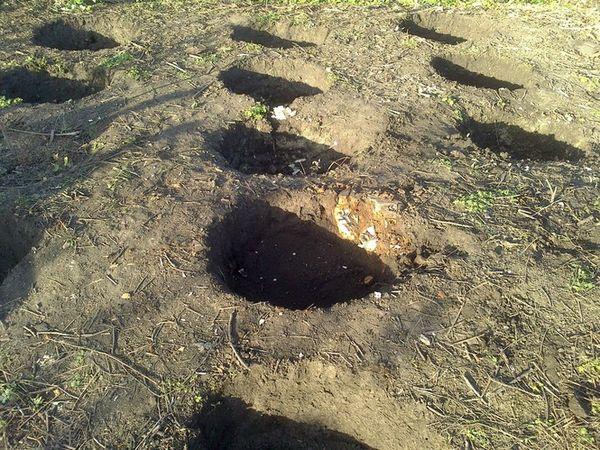
Blueberries don't grow well in ordinary garden soil. If the plant doesn't receive the right conditions, the leaves will turn yellow. Eventually, the bush will die. Therefore, it's recommended to prepare the soil in advance. If planting is planned for October, preparation should be completed no later than September.
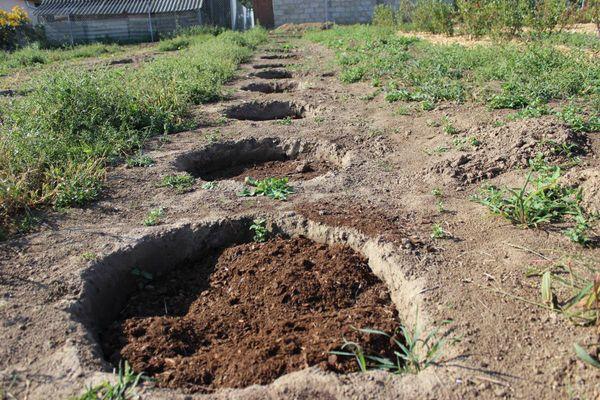
To do this, dig a 1.5 x 1.5 meter hole for each bush. The depth should be 60 centimeters. If the soil is light, it's enough to mix it with sawdust, peat chips, and oak bark. Maintain a 2:1 ratio.
To further acidify the soil, use sulfur powder. You'll need 150-250 grams per square meter. Mix heavy soil with river sand. Allow the soil to settle before planting.
Landing plan and technology
To plant bushes in a single row, it's recommended to maintain a distance of 1.5 meters between them. For two-row planting, the distance between rows should be 2.5 meters. Before planting, straighten the bushes' roots and loosen the soil.
Add water to the hole, place the plant in it, and cover with soil. Firm the soil around the plant and water it.
Seasonal care
To successfully grow blueberries in your garden, you need to provide them with proper care. When planting in open ground, strictly adhere to proper agricultural practices. Growing blueberries in the garden requires timely watering, loosening the soil, and pruning.
Watering
The plant's roots are located at a depth of 15-20 centimeters. To ensure its full development, it's important to ensure adequate soil moisture. During dry summer weather, it's recommended to water the berry crop twice a week. One bucket of water is required per bush.
Watering with an acidified solution once a month is recommended. This will help maintain the soil's pH levels. When watering heavily, avoid overwatering. This will cause the roots to rot and lead to the death of the crop.
Weeding and loosening
The plant's root system is located near the soil surface. Therefore, the procedure should be performed very carefully near the bush. The depth of application should not exceed 3 centimeters. Timely removal of weeds is also important.
Mulching
Carrying out this procedure helps to reduce the frequency of loosening, retains moisture in the soil, prevents the development of weeds and overheating of the soil in summer.
To perform this procedure, it's recommended to cover the soil with a layer of sawdust, 10 centimeters thick. It's recommended to carefully mix the sawdust into the soil. Don't cover the root collar. Using shredded kitchen peelings is a good solution.
A less effective method is considered to be the use of leaves and straw.
Fertilization
Proper and balanced fertilization is essential for a bountiful harvest. Organic fertilizers such as compost or manure are ideal. Peat crumbs are also a good option. These fertilizers are applied to the topsoil every 2-3 years. Apply 3-4 kilograms of fertilizer per square meter.
When choosing mineral fertilizers, superphosphate or potassium magnesium sulfate are preferred. If the soil is low in acidity, 50-60 grams of sulfur is recommended for each plant.
Correct pruning
Blueberries often experience excessive density above ground. The bush needs to be pruned annually, beginning in the third year. When pruning, keep in mind that flower buds should be evenly spaced across the crown. Damaged and weak shoots should be removed.
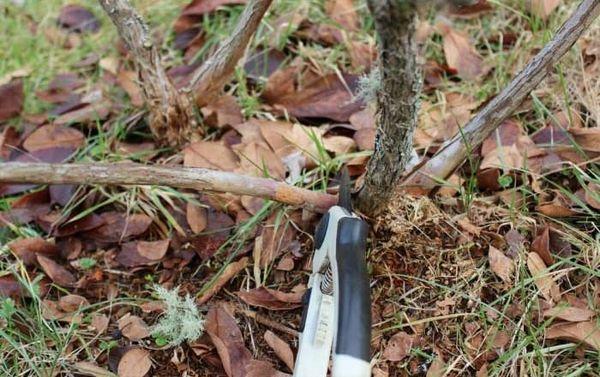
The top sections of older branches should be pinched back. Five to six buds should remain on them. This helps increase the size of the berries. Mature shoots that have been producing fruit for more than four years should be pruned to the ground. Bushes older than 15 years require more drastic measures. For this, it is recommended to completely cut off the top and leave a stem no taller than 25 centimeters.
Pruning should be done in early spring, before buds appear. Pruning can also be done in the fall, after the leaves have fallen.
Protection from pests and diseases
If blueberry care isn't properly done, there's a risk of pest attacks. Blueberries typically suffer from aphids and scale insects. These pests feed on the sap of stems and leaves. To control these pests, insecticides such as Actellic, Aktara, and Inta-Vir are used.
Blueberries often suffer from fungal infections. These include gray mold, rust, and mycosphaerellosis. These infections cause holes in the leaves, small berries, and root rot. Fungicides can help combat these infections.
Shelter for the winter
Frost-hardy varieties don't require winter protection. However, common blueberries often suffer from low temperatures. Covering them with burlap, heavy fabric, or film can help prevent plant death.

Transfer
Repotting is necessary for rejuvenation purposes or when choosing a more suitable location. Garden blueberries tolerate transplanting well. Older plants experience a significant increase in yield after this procedure.
To transplant blueberries, dig up the plant in spring or fall. This should be done with a large lump of soil. After this, the plant is moved to its new location. It is then recommended to cover the plant with soil, water it, and apply a layer of mulch.
Old bushes should be rejuvenated through pruning. To do this, it is recommended to cut back all branches, leaving 20 centimeters of stumps.
Methods of reproduction
Blueberries can be propagated in a variety of ways, including cuttings, division, and seed.
From seeds
To obtain seeds, take ripe berries and crush them. Rinse the resulting pulp in water. When immersed in liquid, the seeds will rise to the surface. Dry and disinfect the seeds. Then place them in pots filled with peat. They can be germinated indoors before transplanting the plant to its permanent location.
By dividing the bush
To propagate the crop using this method, the mother plant should be dug up and divided into partial clumps. It's best if they have five intact buds. The crop is planted in the usual way.
Cuttings
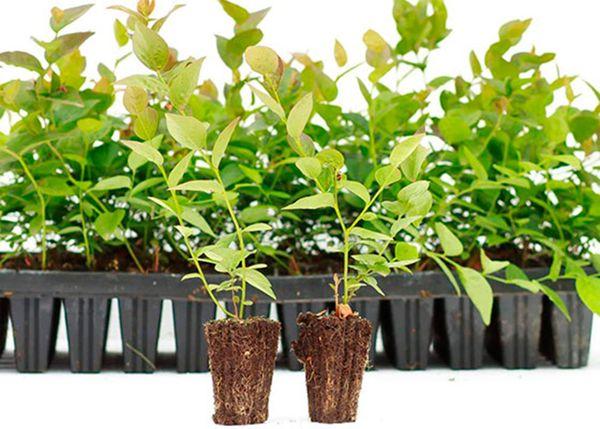
To propagate the plant by cuttings, it's important to prepare the planting material. For this, it's recommended to select the most vigorous bushes and prune healthy branches from them. Place the resulting cuttings in containers filled with peat and water them regularly. In the fall, transplant the cuttings to the prepared holes.
Features of blueberry fruiting
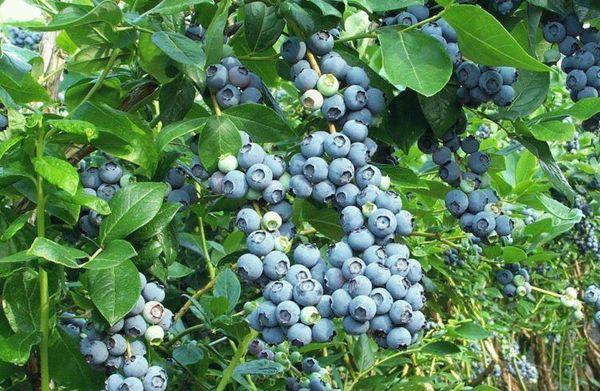
Blueberries bloom in May or early June. Then the berries appear. They are perfectly shaped and 1-1.5 centimeters in diameter. The skin is bluish-black and covered with a bluish bloom.
The harvest period begins in August or early September. On average, a bush yields 7-10 kilograms of berries. Fresh berries can be stored for 1-1.5 months at 0°C.
Blueberries are a popular plant characterized by excellent taste and numerous health benefits. Today, there are many varieties of this crop that can be grown in garden plots. To achieve good results, it is necessary to strictly adhere to basic care guidelines.
Related posts:
 Rules and methods for preserving blueberries at home for the winter
 15 simple recipes for making blueberry jam at home with apple and lemon in a slow cooker
 How to grow blueberries from seeds at home: the intricacies of planting and care
 Top 10 easy blueberry jelly recipes for the winter
 Growing and caring for hazelnuts in open ground, rules for planting hazelnuts
 TOP 10 simple recipes for blueberry compote for the winter at home, and storing the prepared ingredients
 How to properly freeze blueberries for the winter at home: step-by-step recipes and storage rules
 Methods for planting and propagating cherries at home