
- The Importance of Pruning for Blueberries
- Bush growth
- Stimulation of crop yield
- What you need to know before the procedure
- At what age do you form a bush?
- Optimal timing
- Necessary materials and tools
- Types and purposes of trimmings
- Rejuvenating
- Forming
- Sanitary
- Rules for pruning
- In a container
- Pruning an adult bush
- When should blueberries be cut at the root?
- What care is needed after the procedure?
- Pruning errors
Blueberry pruning is done annually. In early spring, remove small shoots emerging from the ground and branches growing inward. The blueberry crown should not be too dense. Shoots are pruned early in their development. The tops of the bushes are not pruned, as this is where the berries appear. However, all lower branches growing from the main shoots can be removed. In the fall, only sanitary pruning is performed; the bush is left undisturbed to ensure it survives the winter.
The Importance of Pruning for Blueberries
Like any garden crop, blueberries require pruning. Dry, broken, and diseased branches should be regularly removed, as they won't produce berries. However, such branches can cause disease and sometimes even the death of the bush. Without pruning, blueberries run wild: numerous branches grow, draining the plant's sap, causing the berries to become small and tasteless. Dense blueberry thickets attract insects, which can be harmful not only to this plant but to other garden crops as well.
Bush growth
Formative pruning is of great importance, affecting the growth of the bush. This procedure helps limit the growth of excess branches and create a compact crown. The goal of pruning is to shape the bush to the desired proportions, leaving only the fruit-bearing branches.
Stimulation of crop yield
To increase yields, older bushes are pruned rejuvenatingly. Over several years, old shoots with low fruit production are gradually pruned. They are replaced with new, younger shoots growing from the root. This procedure prolongs the life of the bush.
What you need to know before the procedure
Before pruning a blueberry bush, it's important to determine its age. It's best to leave a young bush alone and allow it to develop a bit of strength. When pruning blueberries, remember that fruiting occurs on two-year-old branches and older shoots.
If you cut off the ends of old branches, you risk losing your harvest. After five years, the yield from branches declines. The bush renews itself through root shoots emerging from the ground, but in the first few years, these are removed, leaving 5-10 main shoots.
At what age do you form a bush?
Blueberries are recommended to be pruned starting at two or three years of age. Small branches growing from the base are removed first, leaving only three to five, and in subsequent years, six to ten strong vertical shoots. For example, a three-year-old bush should have four old branches and three to four young ones.
Optimal timing
Sanitary pruning is performed in spring or fall. During this procedure, the plant should be in a deep dormant phase. However, some gardeners recommend pruning in summer, during the plant's active growth period.
Summer pruning has its advantages—it allows you to identify dead, diseased, and non-fruiting branches. Formative pruning is done in early spring, before buds open and sap begins to flow. You can shape the crown in the fall, just before winter, after the leaves have fallen.
Necessary materials and tools
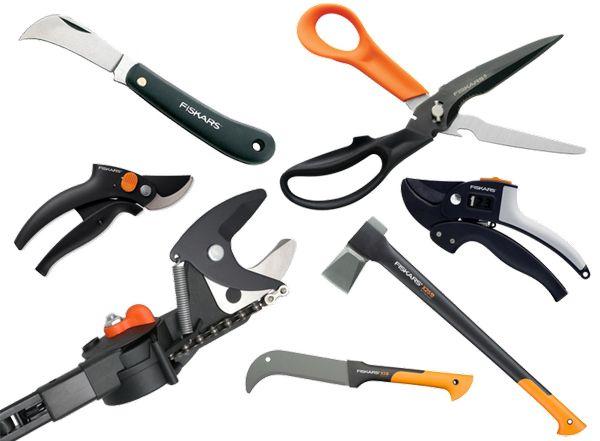
To carry out the procedure you will need the following garden tools:
- pruning shears - for removing thin branches, up to 1.5 centimeters in diameter;
- lopper - cuts thick (up to 3 centimeters) shoots;
- garden saw - used for cutting large and old branches;
- garden knife - for removing thin branches, allows you to make oblique cuts.
Types and purposes of trimmings
There are several types of pruning, each with a specific purpose and use.
Rejuvenating
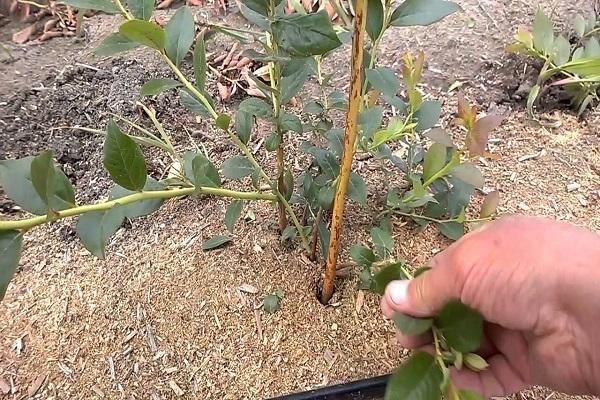
This type of pruning is recommended for older bushes over 10 years old. Blueberries live up to 30 years. With age, yield decreases, short side shoots appear on older branches, fewer and fewer berries ripen, and the berries themselves become smaller. You can rejuvenate the bush by cutting back two or three older branches to the root each year, allowing two or three new shoots (root suckers) to develop.
Over the course of several years, this procedure will help completely rejuvenate the shrub. Rejuvenation can be achieved by using long lateral branches growing on the old shoot. In this case, the old branch is cut above the young one.
Forming
Formative pruning is typically performed in early spring, before buds emerge and sap begins to flow. For all blueberry varieties, small branches growing from the base are removed in the third year of life. Four to seven of the largest shoots are left. With age, the number of branches growing from the base increases, sometimes reaching up to 10.
The lower lateral branches are trimmed back to knee height (up to 30 centimeters). The main shoots should be bare at the bottom; they can branch only at the top. The upper lateral shoots should be long; short ones are removed.
The pruning method and pattern for subsequent years of the plant's life depend on the blueberry variety. Tall, upright-stemmed plants are thinned to prevent the center of the bush from becoming too dense, and the top is pinched at a certain height. For spreading bushes, lodging lateral branches and drooping lower branches are removed.
Sanitary
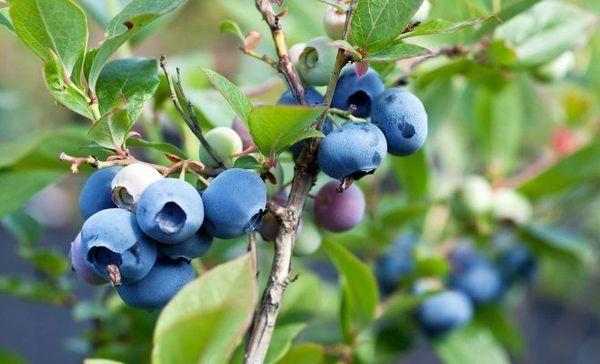
This pruning can be done in spring or fall. All frozen, dried, and diseased branches are removed. Broken shoots and those damaged by fungi or insects can be pruned in summer.
By cutting off problem areas, the plant is freed from sources of infection.
Rules for pruning
Pruning a young plant helps create a strong bush that will only produce fruit-bearing branches. It's important to know how to prune blueberries correctly without damaging them.
Take a look Also
Pruning rules:
- The bush is pruned when it is dormant.
- Branches are removed to the stump, not to the ring, as with a tree. Removing a shoot to the ring can destroy the main branch.
- After pruning, the cuts are disinfected with copper sulfate and sealed with garden pitch.
- Young bushes undergo formative pruning, mature bushes undergo crown thinning, and old bushes undergo rejuvenating pruning.
- On a young plant, remove all small shoots that have emerged from the ground. Five to ten strong shoots should remain at the base of the bush.
- The tops of the branches can be slightly shortened only once (in the 2nd or 3rd year of the plant’s life).
- Lower lateral branches should be removed, but it's recommended to leave the upper ones alone. Berries don't appear on the lower branches. Blueberries grow on the tips of the main and upper lateral shoots.
- The sparser the branches, the larger the berries.
- On a mature bush, inner branches that thicken the crown, as well as diseased or broken ones, are pruned. Upper branches are not shortened, as they contain flower buds.
- At 10 years of age, rejuvenating pruning of the old bush is carried out.
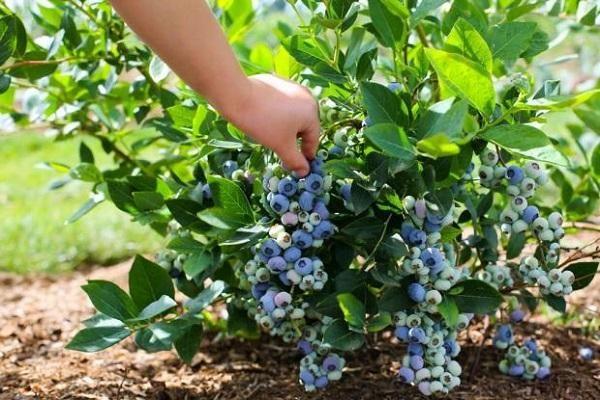
What a properly pruned shrub should look like:
- shoots from the base grow vertically upwards;
- from the ground surface to knee level there are no branches or ramifications;
- at the top of the main stems there are lateral branches 15-25 centimeters long (no less);
- the branches do not touch each other, the crown is light and not dense.
In a container
Container-grown bushes also require timely pruning. Small, bushy shoots growing at the base of the seedling are removed first. Several (3-5) strong, vertically directed shoots should be left. In the second or third year of growth, branches can be shortened by a third of their length.
Pruning an adult bush
A mature shrub also requires pruning. Every year, trim back any new growth emerging from the ground, as well as any diseased, dead, or young branches growing inward. On skeletal shoots, always remove the lower lateral branches, leaving the upper ones alone. In addition to thinning, an older shrub requires rejuvenation pruning. This is done in the plant's 10th year.
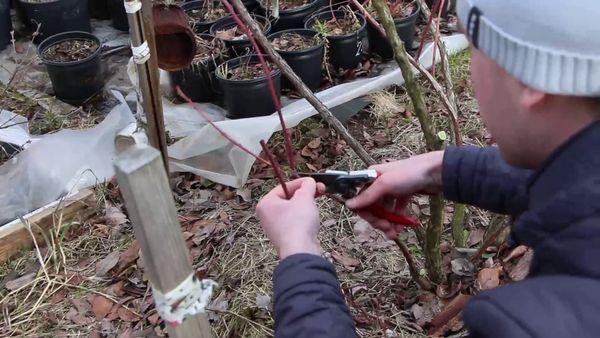
When should blueberries be cut at the root?
Reasons why a bush is cut to ground level:
- The shrub froze severely in winter, preventing leaves and flower buds from blooming in the spring. It's recommended to cut the plant back completely. The root shoots that emerge in the new season should be left. In a few years, these shoots will form a new bush.
- An old, wild blueberry bush with small berries and branches that bear little fruit can no longer be saved. It's best to cut such a bush back to the ground.
- The shrub bears almost no fruit, expending a lot of nutrients to maintain its lush crown. Old bushes can be cut back to the ground.
What care is needed after the procedure?
After pruning, the cuts and wounds should be disinfected. To treat the wounds, use a solution of copper or iron sulfate, potassium permanganate, or Bordeaux mixture. Once the cut has dried, it should be sealed. For sealing, use garden varnish or Ran Net paste, as well as products such as Blago Sad and Robin Green.
In spring, the shrub can be whitewashed with lime and fertilized with urea. In the fall, in addition to whitewashing, it is recommended to apply potassium and phosphorus fertilizers to the soil. The shrub can be watered with a solution that boosts the plant's immunity, such as Epin.
To prevent diseases, bushes are sprayed with fungicidal solutions (Skor, Fitosporin, Gamair) after pruning.
To prevent possible infection, it is also recommended to disinfect garden tools before pruning, for example, with alcohol or a potassium permanganate solution.
Pruning errors
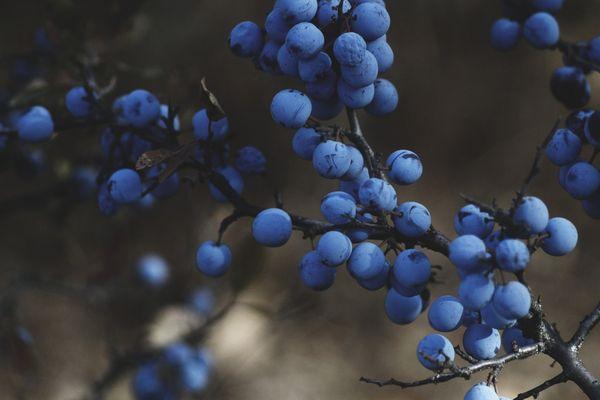
Novice gardeners often make unforgivable mistakes that reduce the bush's yield. Incorrect pruning can even kill blueberries. It's important to follow the basic rules for this procedure.
How to avoid mistakes when pruning shrubs:
- You can't cut the tops of the bush too much. Flower buds appear on them. If you cut off all the top branches, for example, during harvest, you may be left without berries the following year.
- It's not recommended to leave cuts open or cover them with soil. The wounds can become infected, causing the plant to become ill.
- It's not advisable to leave fallen leaves, branches, or last year's mulch under a pruned tree. These can harbor fungi and viruses. Pruned blueberries will need some time to recover. After pruning, the plant is susceptible to any infection. This procedure is very stressful for blueberries. Prune no more than 1/3 of the branches at a time.
Related posts:
 When and how to prune currants, the scheme and timing
 Timing and rules for peach pruning, formation scheme after harvesting
 When and how to prune cherry trees correctly, and tree shaping schemes for a good harvest
 When and how to prune an apple tree, and is it possible to shape the crown in summer?
 Timing and rules for pruning sea buckthorn for beginners
 Rules and timing for pruning cherry plum in summer, crown formation scheme
 How to prune grapes step by step for beginners
 When and how to prune barberries for beginners