
- Description of the Earlyblue blueberry variety
- The main pros and cons of berry structure
- Selection and growing regions
- Necessary climatic conditions for growing crops
- Bush and root system
- Fruiting
- Flowering and pollination
- Ripening time and harvest
- Taste and uses of berries
- Variety immunity
- Resistance to drought and frost
- Features of planting on the site
- Selecting and preparing a site
- What kind of soil does blueberry prefer?
- Dates and methods of disembarkation
- To the ridge
- In special wells
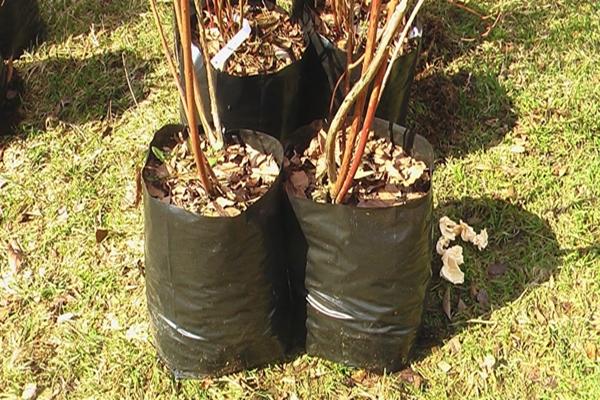
- In containers
- Further care
- Watering mode
- What fertilizers should be applied?
- Pruning a plant
- Preventive treatment of the bush
- Mulching and loosening the beds
- Preparing for the winter period
- Reproduction technique
- Seeds
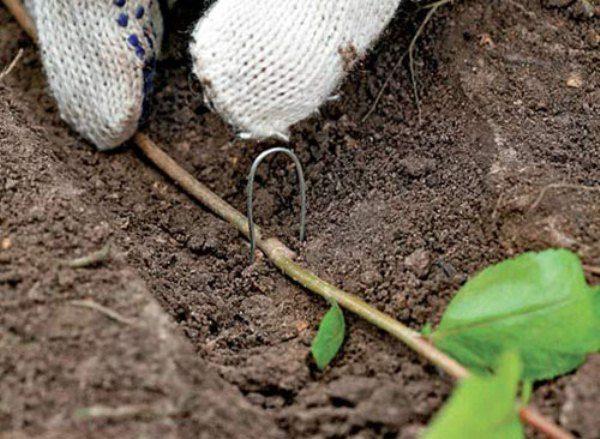
- Layering
- Cuttings
- Gardeners' reviews of the Earlyblue variety
The Earlyblue blueberry variety is particularly popular with gardeners due to its early ripening time, attractive bush appearance, harmonious fruit flavor, and resistance to adverse weather and climate conditions. If you want to grow this crop in your garden, you should thoroughly research the plant and the intricacies of its cultivation.
Description of the Earlyblue blueberry variety
The Earlyblue variety is a medium-sized variety. In May, the plant delights with large, white or white-pink bell-shaped flowers. In warm, sunny locations, blueberries produce large, juicy, and delicious fruits. Planting in shade reduces fruit production and the nutritional value of the berries.
The main pros and cons of berry structure
Advantages of the Earlyblue blueberry variety:
- early ripening of the crop;
- excellent taste and presentable appearance;
- high yield rates;
- attractive external characteristics of the bush, which make it possible to use the plant for decorative purposes;
- winter hardiness, allowing the crop to successfully withstand severe cold;
- frost resistance, the ability of the plant to withstand temperatures down to -37 degrees;
- minimal maintenance.
Disadvantages of berry crops:
- picky about soil type;
- low transportability;
- irregular fruiting;
- susceptibility to wind gusts.
Selection and growing regions
The Earlyblue blueberry was developed in the USA in 1952. The variety is grown in Europe both commercially and in amateur gardening.
Necessary climatic conditions for growing crops
The plant thrives in acidic soils and moist, swampy areas. It grows successfully in temperate and cold climates.
The plant is unpretentious and can quickly adapt to different climatic conditions.
Bush and root system
The plant produces moderately long stems with a red tint. The upright shoots reach 1.8 m in height. The bushes don't produce many shoots, so they don't require regular pruning.
The root system is branched, fibrous, located at a depth of up to 30 cm.
Fruiting
The Early Blue variety is characterized by irregular fruiting. The berry ripening period is extended.

Flowering and pollination
Earlyblue blueberries require cross-pollination, so plant two other varieties nearby that bloom at the same time. This will increase the fruit yield and reduce the risk of crop loss due to adverse weather conditions. Cross-pollinated blueberries produce larger fruit, excellent flavor, and thinner skin.
Ripening time and harvest
The Earlyblue blueberry variety ripens in early July. A single bush can yield up to 5-7 kg of healthy fruit.
Harvesting time depends on climatic conditions.
The fruits ripen unevenly, so they must be picked manually or mechanically 3-4 times at intervals of several days.

Taste and uses of berries
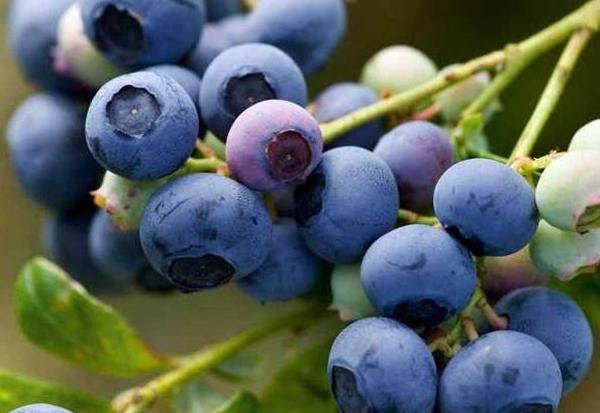
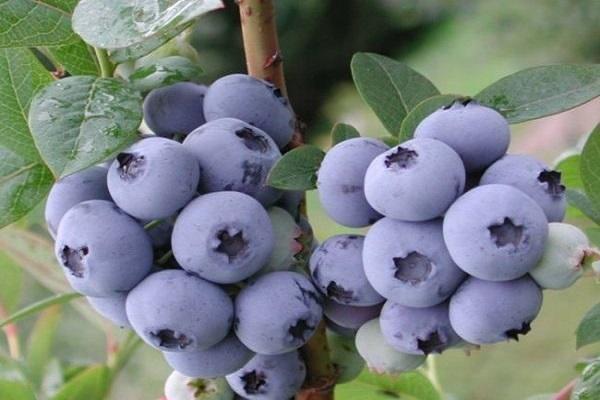
The berries are light blue with a distinct blue bloom, round, and slightly flattened. The flavor is tart, harmoniously balancing sweetness and acidity. The flesh is green with a pink tint. The fruits are large, weighing up to 2.2 g, and are collected in elongated, open clusters.
Earlyblue blueberries are not only delicious fresh but also suitable for processing. They can be used to make jam, marshmallows, compote, mousse, wine, and kvass.
Variety immunity
The Earlyblue variety has increased resistance to powdery mildew, but can be affected by gray mold, which damages the above-ground portion of the plant and causes berry rot. Unfavorable growing conditions can trigger brown rot and anthracnose.
Bushes blueberries are susceptible to such pests:
- aphid;
- white butterflies, which feed on plant sap, deform leaves and shoots.

Resistance to drought and frost
Earlyblue blueberries are highly frost-resistant and recover quickly from frost damage. The plant can withstand temperatures as low as -37 degrees Celsius. Winter protection is only necessary in regions with prolonged frosts. The plant is also drought-tolerant.
Features of planting on the site
The main requirements for planting are choosing the right location and maintaining soil acidity.
Selecting and preparing a site
Earlyblue blueberries do not respond well to high humidity, so it is not recommended to plant this variety in swampy areas or clay soil.
Before planting, prepare the site by clearing weeds and digging it over. The planting hole should be dug a week and a half before planting to allow the soil mixture time to settle.

What kind of soil does blueberry prefer?
Humus-rich soil is considered ideal for planting the Earlyblue blueberry variety. Its pH should be between 3.5 and 4.5. To achieve this pH, enrich the soil with ammonium sulfate or sulfuric acid, or water the soil with a solution of malic, acetic, and citric acids. Gardeners recommend preparing a soil mixture of high-moor peat, forest soil, and rotted spruce branches.
Dates and methods of disembarkation
Planting is best done in early spring before the sap begins to flow. It's important to plant before the buds swell, otherwise the blueberries may fail to establish and die.
Close planting is recommended, as the compact habit allows for reduced spacing between plants in a row, which increases commercial yields. The distance between plants should be 150 centimeters, and between rows, 2.5 meters.

To the ridge
Planting Earlyblue blueberries on a raised bed doesn't require much time. To do this:
- Dig a trench 10 centimeters deep and 1 meter wide.
- Pour some soil mixture into it, forming a small mound.
- Plant the bushes at the very top of the ridge.
- Water and mulch with a 10 cm layer of sawdust.
It is recommended to plant blueberries on a ridge if the groundwater is close.
In special wells
Planting blueberries in special wells involves the following processes:
- Make holes at least 80 centimeters wide and 40 centimeters deep.
- Fill the prepared holes with nutritious soil.
- Place the seedlings in the holes and cover them, carefully compacting the soil around the stem.
- Carry out watering.
When planting, do not add organic matter to the soil.

In containers
Container planting is a more expensive method than ridge planting. Its advantage is that the plants grow more vigorously, are less susceptible to diseases, and produce maximum yields.
To do this, you need to follow the following procedure:
- Take special containers, which can be plastic or wooden containers.
- Make several holes in them.
- Fill with soil mixture.
- Dig the containers into the ground.
- Plant the bushes and water them.
Important! Containers should be five times larger than the seedling's root ball. Wide containers are best to allow the roots to expand freely.
Further care
Caring for blueberries The process of cultivating the Early Blue variety involves carrying out a series of measures aimed at ensuring the survival of the shrubs after planting and creating comfortable conditions for the growth and development of the plant.
Watering mode
Yield depends on soil moisture, so it's important to ensure adequate watering. The shrub should be watered twice a week, twice daily in the morning and evening. The amount of water should be determined based on soil conditions and rainfall.
On average, each bush needs 1 bucket per watering session.

What fertilizers should be applied?
Earlyblue blueberries require nitrogen-based fertilizers in three stages: during the initial sap flow, during flowering, and during fruit set. In the spring, during the intensive vegetative growth phase, mineral fertilizers should also be applied. In midsummer and early fall, the soil should be enriched with phosphorus.
It is not recommended to use organic matter for fertilizer.
Pruning a plant
Early Blue blueberries should be pruned in the spring before bud break, removing diseased shoots and branches older than 7 years. To increase yield and prevent diseases and pests, thin the bush, leaving upright shoots and removing weak and crooked young branches.

Preventive treatment of the bush
To prevent diseases and harmful insects, it is recommended:
- treat bushes with Bordeaux mixture in spring;
- thin out, removing excess shoots and dead branches;
- prune plants in a timely manner to ensure good air circulation;
- Spray blueberries with fungicides after harvesting.
You should also monitor the condition of the bushes and begin treatment at the first symptoms of disease.
Mulching and loosening the beds
When loosening the soil, it is important to remember that the roots of the Early Blue blueberry are located close to the surface of the soil, so this procedure should be carried out manually and with particular care.
Mulching helps maintain the required level of soil moisture under the bush, as well as prevent the spread of weeds and create optimal conditions for the accumulation of organic matter.
Tip! You can use bark, sawdust, pine needles, and rotted leaves as mulch.

Preparing for the winter period
Earlyblue blueberries are frost-hardy, so they don't require additional winter protection, except in areas with prolonged cold temperatures. Mulching the soil with pine needles or shredded bark is sufficient.
In frosty areas, it's recommended to cover blueberry bushes with non-woven fiber, bending them down and securing them to the ground. This will protect the plant from sunburn and frost, as shoots freeze at night and heat up during the day, causing cracks in the branches.

Reproduction technique
The Earlyblue blueberry variety is propagated by seeds, cuttings and layering.
Seeds
The seed method is rarely used because it requires a lot of effort and time.
Stages of seed propagation technology of Earlyblue blueberry:
- Remove the seeds from overripe berries, crush them, and leave them for 2 days. Rinse the mixture through a sieve. Dry the resulting seeds.
- Place the seed material in a container filled with sand to a depth of 2-3 milliliters and place in the refrigerator for 3 months.
- To sow, take a pot and fill it with peat. Spread the seeds and sprinkle with sand to a thickness of up to 3 millimeters, then moisten. Cover the container with glass.
- If favorable conditions for seed germination are created, the first sprouts will appear in 3-4 weeks. When more than 4 leaves appear, the sprouts should be transplanted to a bed in a closed ground. In August, uncover the plants, and in the fall, mulch the beds with peat and cover them with spunbond. Leave them there over the winter, and in the spring, remove the cover and place them in a nursery, where they should grow for 2 years.
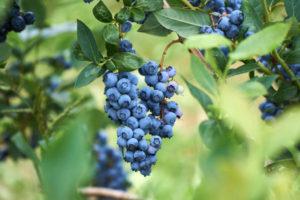
Only after this can the blueberries be transplanted into open ground and the harvest harvested in just 2 years.

Layering
Layering is not a widely used method of propagation, as it is time-consuming and does not produce a large number of seedlings. To propagate Earlyblue blueberries by layering, select a healthy bush in the spring before bud break and, taking several well-developed, low-growing branches, lay them on the ground. Then, cover their bases with sawdust. After 2-3 years, roots will form on these branches, and then the branch can be separated from the parent bush and replanted.
Cuttings
Propagation from cuttings can help expand your garden's berry collection. This requires:
- In the fall, select healthy, strong shoots, cut them, tie them into a bunch, and store them until spring in a room with a temperature of +2 degrees.
- In the spring, discard material that shows signs of disease or drying out.
- Cut the stems into 10 cm long cuttings, making an oblique cut under the lower bud and a horizontal cut 2-3 cm above the upper bud.
Plant the cuttings in a soil mixture of sand, peat, bark, and sawdust once the greenhouse temperature reaches 20°C (68°F). Cover with plastic wrap. With proper care, seedlings will form in two months. It's recommended to transplant them outdoors in August in temperate climates. In areas with early autumn, overwinter the plants in the greenhouse and only plant them in the garden the following spring.

Gardeners' reviews of the Earlyblue variety
Irina, 46 years old, Moscow region:
"I've been admiring the ornamental Earlyblue blueberry for 10 years now, and I also enjoy its medicinal berries, which have an excellent taste. A neighbor recommended it to me because the plant doesn't require much care and is frost-resistant."
Mikhail, 52 years old, Voronezh:
"I planted the Earlyblue blueberry variety five years ago. The plant is characterized by early ripening of tasty and healthy fruits, a beautiful appearance, and winter hardiness. The only drawback I can note is the need to acidify the soil. This has to be done several times per season."
Related posts:
 Description and characteristics of 45 of the best varieties of garden blueberries
 Description and rules for growing the Northland blueberry variety
 Description of the Denis Blue blueberry variety and the subtleties of growing it
 Blueberry recipes for the winter, including freezing or blending with sugar to preserve all the vitamins
 Description and characteristics of the Elizabeth blueberry variety, planting and care
 Description and characteristics of the Toro blueberry variety, growing rules
 Description and subtleties of growing the Spartan blueberry variety
 Characteristics and description of the Patriot blueberry variety, planting and care