
- Criteria for choosing a variety for the Moscow region
- The best-yielding varieties of blueberries
- Northland
- Patriot
- Bluecrop
- Northblue
- Early Blue
- Spartan
- Thoreau
- Necessary conditions for growing
- How to plant a plant in the Moscow region
- Deadlines
- Preparing the site and planting hole
- What fertilizers should be added to the hole?
- Scheme and technology for planting a seedling
- Care instructions
- Soil irrigation
- Mulching, weeding, loosening
- Trimming
- Pest and disease control
- Gray rot
- Stem cancer
- Fruit rot or moniliosis
- Preparing the bush for winter
- Reproduction
- Seeds
- Layering
- Cuttings
- Fruiting
- When does the bush begin to bear fruit after planting?
- Flowering and ripening of berries
- Collection and processing
- Difficulties in growing blueberries
Blueberries are a healthy wild berry, rich in vitamins and microelements. Today, varieties have emerged that make them suitable for growing in gardens in the central part of the Russian Far East. How to grow blueberries, planting and care in the Moscow region, a review of varieties best suited for gardening, and ways to achieve a good berry harvest—all of this is covered in detail in today's story.
Criteria for choosing a variety for the Moscow region
Blueberries have recently begun to be grown in gardens. Cultivated varieties developed by breeders differ slightly from the wild berry. They are sweeter, have larger fruits, and the bushes can reach 2 meters in height. There are early, mid-season, and late varieties suitable for the central part of the world.
The most frost-hardy of them can withstand temperatures down to -35°C. If the variety is chosen correctly and the berries are grown skillfully, blueberries will certainly delight the gardener with a bountiful harvest.
The best-yielding varieties of blueberries
Blueberry bushes make a great hedge for your garden. These tasty, healthy berries provide vitamins and boost your immune system, and are a favorite among both adults and children.
A rating of the most popular varieties will allow you to choose the best one for your own garden.
Northland
An American-bred variety, the berries are not too large and very sweet. They are good for eating fresh and are delicious in jams and preserves. The bushes are 1.25-1.8 meters tall, not too spreading, and can withstand temperatures down to -40°C.
Patriot
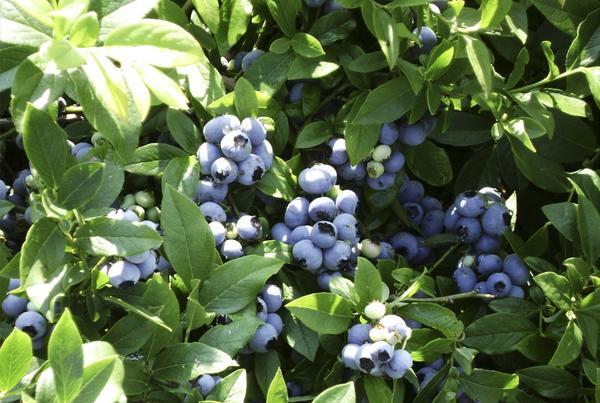
This variety thrives in heavy soils prone to waterlogging. It is winter-hardy and resistant to stem canker and late blight. The berries are sweet and ripen in the second half of July.
Bluecrop
This mid-season variety was bred in America. The berries are slightly flattened, the plant is frost-hardy, and resistant to most diseases. They transport and store well. They are delicious fresh and freeze well. The bushes are compact, reaching up to 1.5 meters in height.
Northblue
A low-growing variety (height: 60 centimeters to 1 meter) with large fruits. The berries have sweet, aromatic flesh. The plant is self-fertile, but it's best to plant several seedlings. Cross-pollination significantly increases the yield of the bushes.
Early Blue
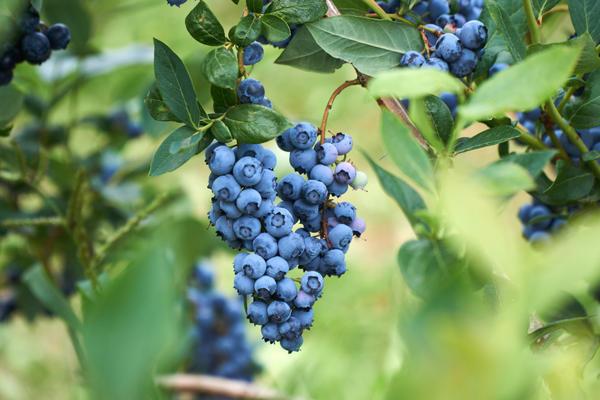
An early variety, the berries are tart and slightly sour, aromatic and delicious. They don't transport well and are rarely susceptible to powdery mildew. The berries are eaten fresh, frozen, and used to make preserves and marmalades. The bush grows from 1.2 to 1.8 meters tall.
Spartan
A large-fruited variety. The berries are slightly tart, with firm flesh, and store and transport well. Bushes reach 1.5-2.0 meters in height. Excellent winter hardiness.
Important: Blueberries tolerate low temperatures well, provided winters are snowy; without snow, bushes can freeze. This mid-season variety ripens after the berries have fully blossomed, and garden blueberries ripen in 3-5 stages.
Thoreau
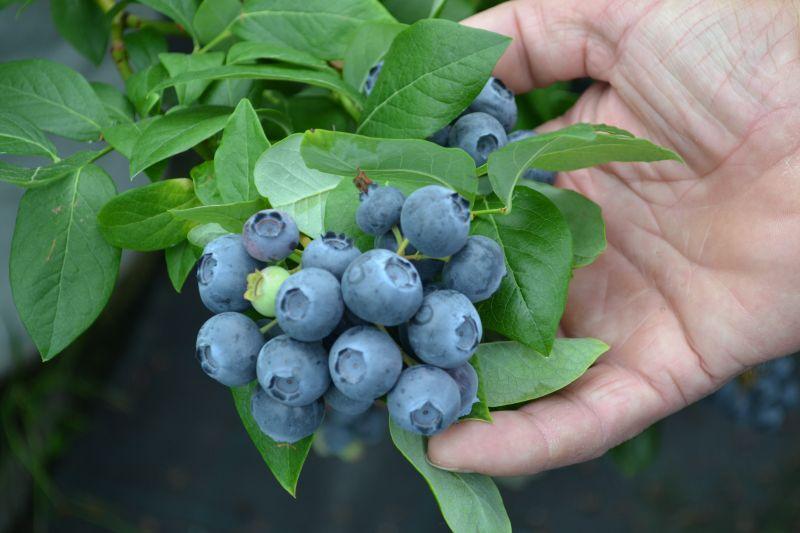
Large berries form clusters on a compact bush. The flavor is harmonious, and the fruits are sweet and aromatic. It ripens evenly. The berries do not fall off and are easy to transport. Tall bushes (up to 2.2 meters) require additional support.
Necessary conditions for growing
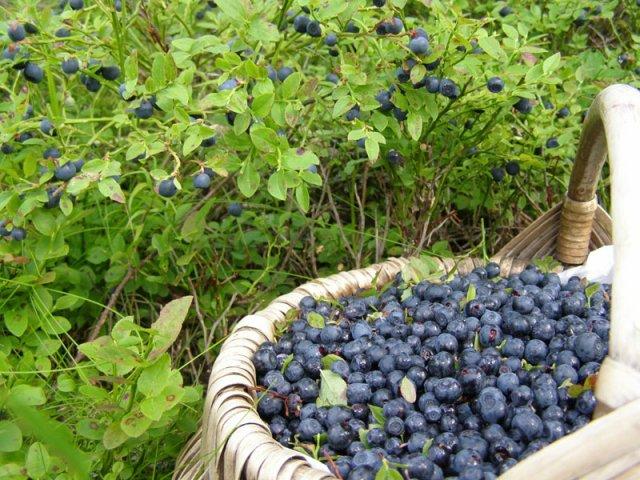
The main and fundamental condition for growing blueberries in your garden is planting them in acidic soil. In other areas, the bushes blueberries will not grow and bear fruitThe berry does not tolerate low-lying and waterlogged areas.
Garden blueberry varieties are hybrid and self-pollinating, but for a better yield it is better to have several bushes on the plot.
Growing berries from wild forest seedlings in your garden is useless—they don't thrive. To ensure a harvest, you should buy cultivars suitable for the Moscow region's weather conditions.
How to plant a plant in the Moscow region
If blueberry seedlings are purchased in pots with soil (closed root system), sellers say they are suitable for planting from spring to early fall. However, the best time for planting is mid-April. The plants require soil with a pH of 3.5-4. The berry prefers well-lit areas; in a garden, the bushes can be used as a hedge.
Deadlines
Blueberry bushes can be planted in both spring and fall. For the Moscow region, spring planting is preferable, as the seedlings have time to establish themselves well over the spring and summer.
Preparing the site and planting hole
Choose a well-lit area. Dig it up, remove weeds, and acidify the soil if necessary (either 2 teaspoons of dry citric acid per 8-9 liters of water, or 100 milliliters of table vinegar per 10 liters of water).
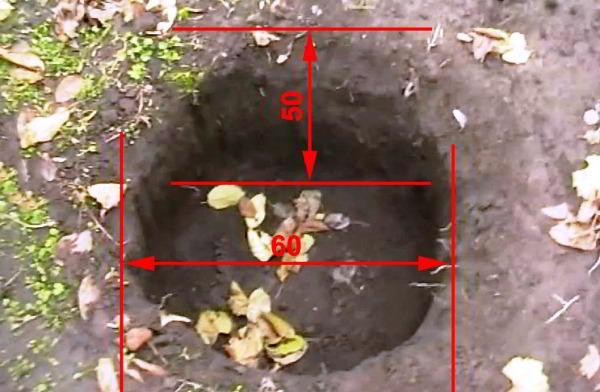
Planting holes 0.5 meters deep are spaced 50 centimeters apart for low-growing varieties. Tall blueberry bushes are planted 1-1.4 meters apart.
What fertilizers should be added to the hole?
Plants should be planted in a special soil mixture. Mix sand and peat in equal parts, add 50 grams of pine sawdust, chopped pine needles, and about 20 grams of sulfur per bucket of soil mixture.
Scheme and technology for planting a seedling
The technology for planting blueberries is very simple:
- at the bottom of the hole, form a mound of sand and peat mixture;
- the roots of the plant are spread out over the mound, with the seedling in the center;
- the hole is filled with the remaining soil, which is well compacted;
- the planting is watered.
Take a look Also
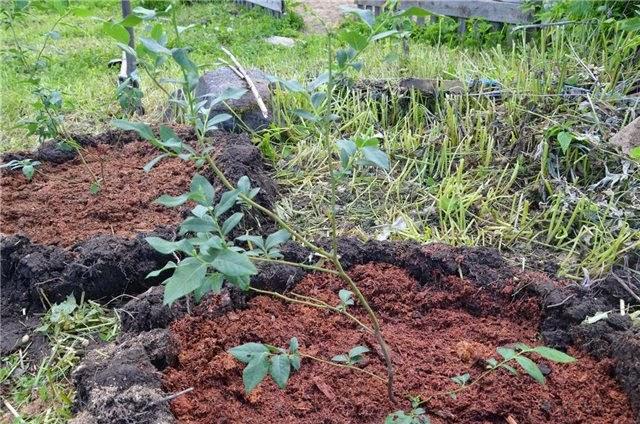
If the blueberry seedling was purchased in a pot, you need to place the pot in water or water it well so that you can remove the plant without damaging the root system.
Important: blueberries do not tolerate organic matter at all; sulfur, potassium, and Azofoska are used for fertilization.
Periodically, add some chopped pine needles or pine sawdust under the bushes.
Care instructions
The health of the bushes and the future harvest depend greatly on the care of the plantings. Proper agricultural practices allow you to obtain good harvests from a plot planted with blueberries for several years.
Soil irrigation
Of course, when watering, you need to pay attention to the weather in your region. Blueberries should be watered 1-2 times a week, applying 1.5-2 buckets of water under each bush. Avoid overwatering or overdrying the soil.
Mulching, weeding, loosening
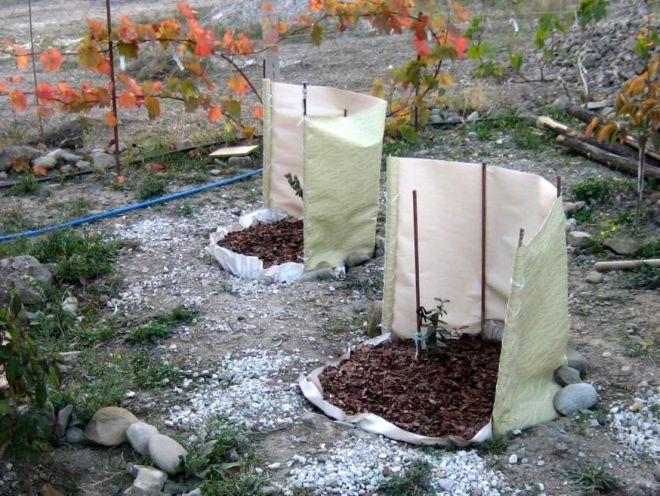
The soil under blueberry bushes in a garden plot is mulched with pine sawdust or shredded pine needles; these help retain moisture and provide additional fertilizer. The soil under the bushes is weeded, removing weeds, and carefully loosened, being careful not to damage the roots.
Trimming
The plant is pruned starting in the third year after planting. Lower branches, damaged, or dried twigs are removed. After the fifth or sixth year, the bushes are thinned, removing old branches and old axial shoots, and preventing the bush from becoming too dense. Sanitary pruning is performed in early spring, before the buds swell.
Pest and disease control
If agricultural practices aren't followed, plants may become diseased. Excessive moisture can lead to fungal infections and other diseases:

Gray rot
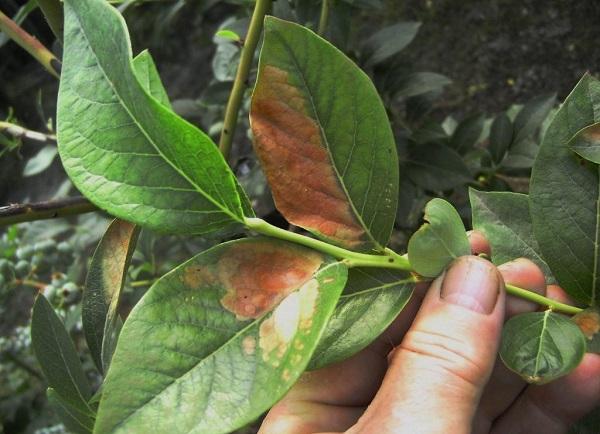
The disease occurs with excess moisture and high temperatures. It attacks the bush's branches, foliage, and berries. Initially, yellowish spots form, then they expand, a gray coating appears, and the infected parts of the plant die.
To protect the plant, you need to remove fallen leaves and twigs from under the bush in the fall.
In late fall and early spring, treat plants with copper sulfate or Bordeaux mixture. Topaz or Skor can also be used for spraying, following the manufacturer's instructions.
Stem cancer
Reddish spots appearing on the bush's branches spread, and the shoots die. To protect against the disease, the bushes are treated with Bordeaux mixture and Topsin.
Fruit rot or moniliosis
The disease affects blueberries and bushes. Bordeaux mixture is used for protection. To prevent the disease, carefully rake fallen leaves from under the bushes and spray the bushes with Bordeaux mixture in late autumn. Additional treatments are carried out in early spring, before the buds begin to swell.
Preparing the bush for winter
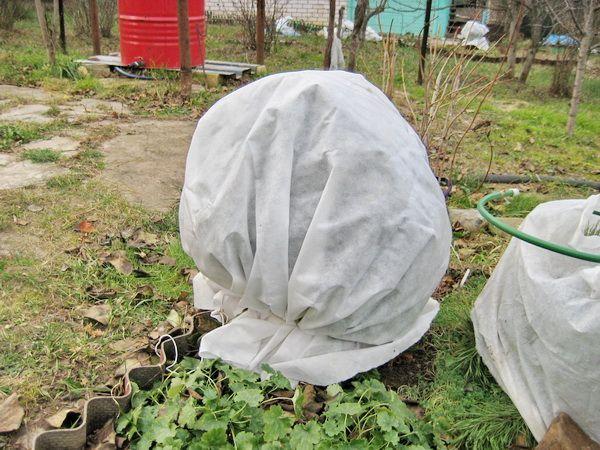
Blueberries in the Moscow region must be covered; even varieties with excellent winter hardiness can die in frosty, low-snow winters in open ground without additional protection.
Immediately after the leaves fall, the branches are tied together and bent to the ground. Cover the branches with spruce branches; straw can also be used.
A frame is constructed from several stakes, which is covered with burlap or spunbond when frost sets in. In the spring, the plant is uncovered, inspected, and frost-damaged branches are trimmed.

Reproduction
Blueberries are propagated by seeds, layering and cuttings.
Seeds
This is a very labor-intensive and lengthy process, usually used by breeders, since hybrid forms, when sown with seeds, do not retain maternal characteristics.
Layering
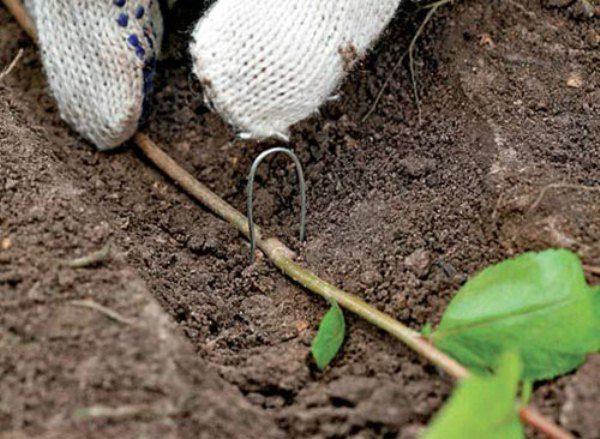
This is the simplest, albeit time-consuming, method for growing blueberry seedlings. A small furrow is made, a young, one-year-old blueberry shoot is pressed to the ground, secured with a wire staple, and covered with soil. The emerging shoots are hilled and watered. They are separated from the mother plant after 2-3 years.
Cuttings
In the fall, take small cuttings (7-15 centimeters). The best time to plant is early March. They are planted in a sand-peat mixture at a 45° angle to a depth of 5 centimeters. Then cover with plastic wrap and place in a warm location. Water and ventilate the seedlings periodically. Roots appear after 4 weeks, and the plastic wrap is finally removed after 2-3 months. The best time to plant is early March.
Young seedlings are transferred to open ground after 2 years.
Fruiting
If the seedlings have taken root well, all that remains is to wait for fruiting.
When does the bush begin to bear fruit after planting?
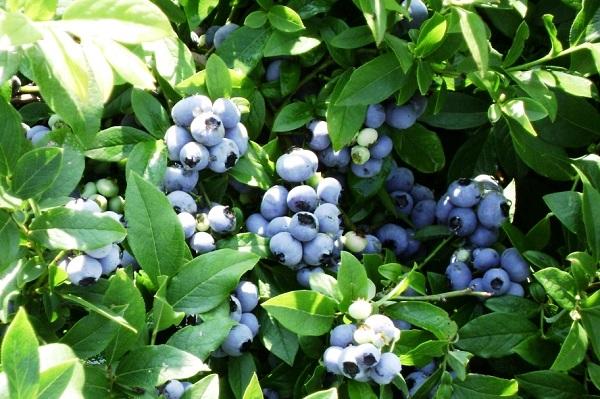
Of course, a young seedling needs to gain strength and grow. The first harvest ripens 3-4 years after planting. The largest harvest comes from 5-6-year-old bushes.
Flowering and ripening of berries
Flowering begins, depending on weather conditions, in mid-May and lasts 10-15 days. The berries ripen in July-August. After they turn deep blue, let them hang for 1-3 days; they will become larger, sweeter, and more aromatic.
Collection and processing
The berries are especially healthy when fresh, but they keep well frozen, and the fruits make excellent jams and preserves.
Difficulties in growing blueberries
There aren't any particular difficulties. Just remember to periodically acidify the soil in your blueberry plot and keep in mind that they don't tolerate organic fertilizers at all. Otherwise, care is the same as for regular berry bushes.
Blueberries aren't as common among gardeners as cherries or gooseberries, but many skilled gardeners are already not only planting them in their plots but also reaping excellent harvests. After all, this extra source of vitamins is beneficial for the whole family.
Related posts:
 Description and rules for growing the Northland blueberry variety
 Description and characteristics of 45 of the best varieties of garden blueberries
 Blueberry recipes for the winter, including freezing or blending with sugar to preserve all the vitamins
 Description and characteristics of the Elizabeth blueberry variety, planting and care
 How to feed and what fertilizers are best for blueberries, soil acidification
 Description of the Denis Blue blueberry variety and the subtleties of growing it
 Characteristics and description of the Bonus blueberry variety, planting and care instructions
 Description and characteristics of the Toro blueberry variety, growing rules