
- What is characteristic of the plant?
- Botanical description
- Necessary conditions for growth and fruiting
- Susceptibility to diseases and insects
- All about flowering and fruiting
- The beginning of the harvest season
- Berries ripening time
- Harvesting, storage and use of crops
- The best varieties of cloudberries
- Planting methods
- Seeds
- Cuttings
- Open-ground cultivation technology
- Optimal timing
- Preparing the seedling and planting hole
- Required soil composition
- Step-by-step landing algorithm
- How to care for the crop
- Regularity of irrigation
- What and when to feed
- Crown formation
- Seasonal treatment against diseases and pests
- Tips and advice from experienced gardeners
Many wild berries are already growing in gardens. But there are also some crops that are rare, as few people grow cloudberries in their gardens. In the wild, they can only be found in swamps. This berry crop is especially popular in northern regions.
What is characteristic of the plant?
Many people want to grow this unusual berry at home. It offers numerous health benefits, which is why cloudberries are cultivated on an industrial scale in northern European countries.
Botanical description
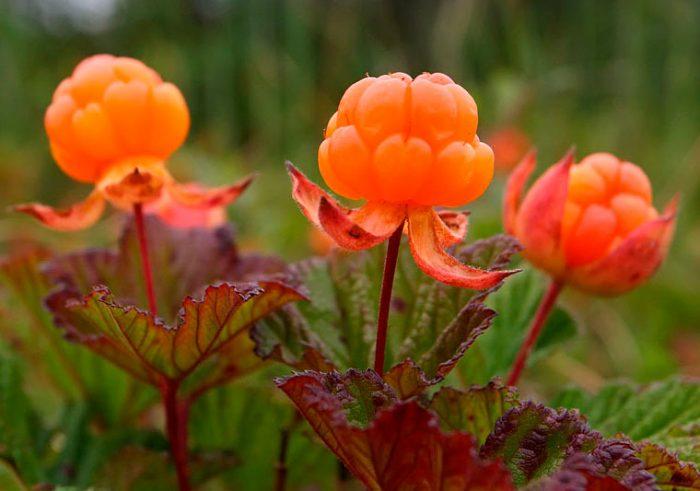
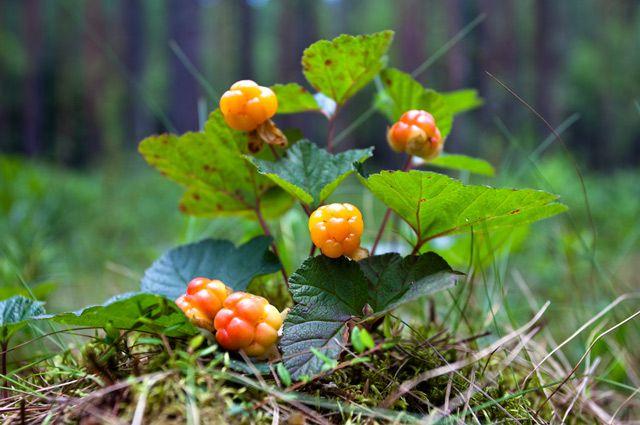
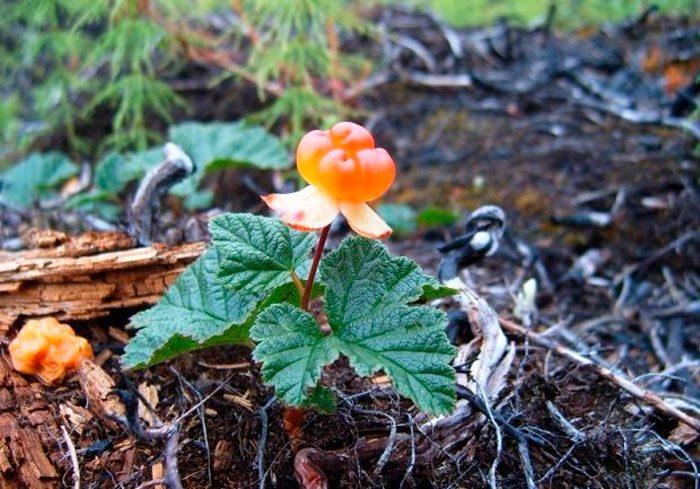
Cloudberry bushes don't grow very tall, reaching 25-30 centimeters in height. The bushes are sparsely foliated. It's rare to see three or four leaves on a shoot. They have a wrinkled surface, dissected into five lobes. The large leaves are green in color. Burgundy spots may appear on them in the fall.
The berry plant is interesting for its powerful rhizome, which spreads underground for several meters.
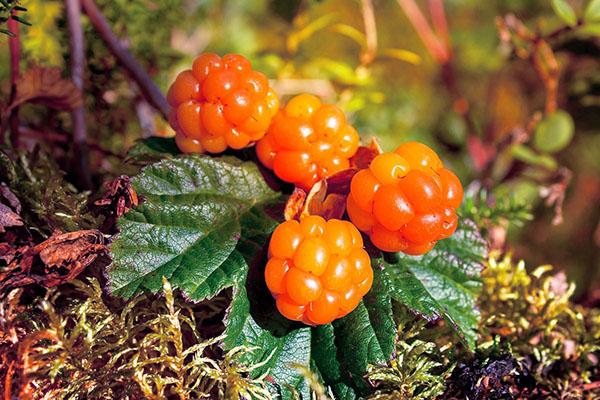
It prevents the plant from dying. After the above-ground part dies, the root lives on, giving birth to new shoots. Cloudberry blooms with white flowers, followed by the formation of a drupe. It resembles a raspberry in appearance. Initially, the berry is pale pink. As it ripens, it turns into an amber-colored fruit.
Necessary conditions for growth and fruiting
Cloudberries thrive in moderate temperatures. They thrive in cold climates, but can also be grown in the south. A temperature of 15-20 degrees Celsius (59-68 degrees Fahrenheit) is ideal for growth. However, high humidity is essential, especially for the soil.
Susceptibility to diseases and insects
Growing cloudberries in the garden is difficult. Their bushes are often susceptible to diseases caused by pathogenic fungi. Oidium and mildew are the most common diseases. Roots and leaves can turn black due to infection or become covered with gray mold.

Insects rarely attack berry bushes. Aphids, spider mites, and raspberry weevils are the most common.
All about flowering and fruiting
To grow cloudberries, you need to know how they bloom and when the fruit sets. Patience is advised, otherwise, your efforts will be wasted.
The beginning of the harvest season
Cloudberries begin blooming in July. However, fruit formation doesn't always occur. A bush may bear only male or female flowers. If pollination doesn't occur, there will be no berries. Insects, which thrive in large numbers in marshes, help the plant set berries.
Interestingly, some plants bear no fruit, while others are covered in bright orange berries. It all depends on whether the cloudberry bushes are dominated by female or male flowers.
Berries ripening time
The berry ripens gradually. The first fruits can be seen 1-2 weeks after flowering. Initially, the berries turn orange in well-lit areas. By mid-August, the first fruits can already be seen.

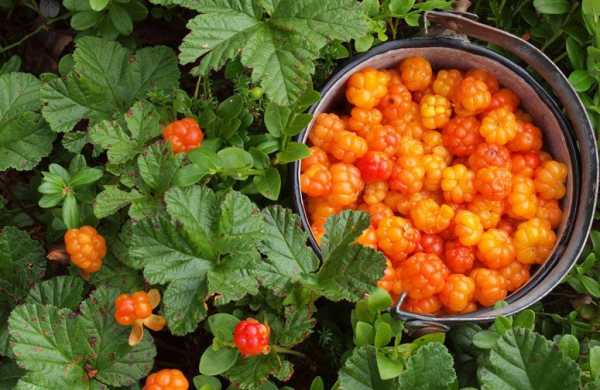
 Ripe cloudberries are picked by hand and placed in baskets to prevent choking. This continues until frost sets in. As soon as the temperature drops, the berries begin to spoil and become unfit for consumption.
Harvesting, storage and use of crops
Picked ripe berries can be frozen. They keep fresh for a long time in cold cellars. They are used to make jams, preserves, and compotes. A delicious and healthy cloudberry liqueur is also made with alcohol.
The berry, infusions of leaves and rhizomes are used in the treatment of:
- avitaminosis;
- cystitis, kidney inflammation;
- hypertension, heart failure;
- diseases of the digestive tract.
The crushed fruits are applied to purulent wounds. The leaves should be dried in the shade, in a ventilated area, or under a canopy. The rhizomes are washed and dried before using as a medicine. After grinding the raw materials, infusions are prepared, which are drunk to strengthen the immune system. The decoction is used to treat edema caused by problems with the heart.
In cosmetology, the plant is used for skin rejuvenation. A decoction of the leaves is used to wash the hair to make it strong and resilient, preventing hair loss.
The best varieties of cloudberries
Cloudberries aren't yet incredibly popular; they're just gaining momentum. Garden cultivation is represented by a single species. Breeders are just beginning to develop varieties of this marsh berry. Cloudberries, the royal berry, are often confused with arctic raspberries. However, they are completely different crops. Therefore, if you want to cultivate a bush, you should dig one up in the wild and plant it in your garden.
Planting methods
If you're looking to grow cloudberries in your garden, be prepared for the plant to take a while to establish itself. Seeds can be used for propagation, but their germination and survival rates are quite low.
Seeds
If you've already planted cloudberries in your garden, you can try propagating them from seed. The downside of this is the risk of unexpectedly getting something different from what you expected. The quality of the berries will be inferior to that of those propagated by cuttings.
Collecting seeds at home is difficult. You need to wash the drupes from the pulp and dry them thoroughly. And since the berries ripen only in late summer and fall, there's no time to prepare them for planting. You'll have to store them in the refrigerator. But frozen seeds are of little use: not all of them germinate.
Once you've finally managed to save the cloudberry seeds, they should be planted in nutritious soil, covered with plastic wrap. Once the seedlings emerge, place them in a sunny spot.
By feeding and watering the bushes on time, you will get strong seedlings.
Cuttings
One of the best ways to propagate cloudberries is by cuttings. Cuttings are made from natural materials. Strong, viable shoots are selected. The cuttings are cut to lengths of 12-13 centimeters. Containers filled with nutritious soil rich in peat are prepared for the cuttings.
After placing the cuttings in the soil, cover them with plastic wrap and place them in a warm location. The planting material should be aired daily and watered regularly.
To grow cloudberries, you need to create high soil and air humidity. A greenhouse or basement microclimate is suitable for this. It's best to plant seedlings in the fall. But before planting, keep them in comfortable conditions until they become established.
Open-ground cultivation technology
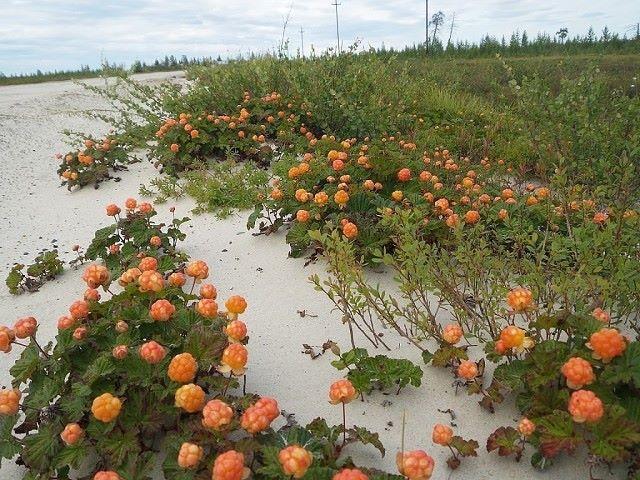
When you want to grow cloudberries in your garden, you need to determine whether the soil in your area is suitable for this demanding plant. This northern beauty requires both increased waterlogging and good lighting. Only under these conditions can you harvest the amber-colored berries in your garden.
Optimal timing
The timing of cloudberry planting should be determined based on the growing region. In northern regions, the berries thrive when planted in April-May. In Ukraine, Belarus, and the Krasnodar Krai, planting can be done in September-October. This will give the bushes time to establish themselves and grow stronger before the cold weather sets in.
Preparing the seedling and planting hole
Whether you're harvesting a seedling yourself or buying one from a store, pay attention to its appearance. Cloudberry root systems should be strong and well-branched. Weak roots are unlikely to thrive. Avoid plants with damaged roots, spots, or mold. Ideally, the plant should have three branches, each 3-4 centimeters long. Seedlings without leaves and with a weak root system will not grow and bear fruit.

The location on the plot for cloudberries is selected with:
- high acidity;
- shallow groundwater;
- swampy composition.
If you don't have such soil, you need to prepare it. You can increase the acidity with a vinegar solution (2 grams per bucket of water). Ground sulfur, at a rate of 30 grams per square meter, is also a good addition to the soil.
It's recommended to dig a 50-centimeter-deep trench or hole for the seedlings. Layer the soil and plastic sheeting in layers. Two layers are sufficient. Poke holes in the plastic sheeting to allow for air circulation in the soil.
Then, top it with a mixture of peat and soil. For better seedling survival, use soil from a natural cloudberry growing area. A special fungus should be added to the soil. Mycorrhiza will help beneficial elements reach the plant tissues of the crop.
Required soil composition
Waterproofing materials can help create a boggy area in the garden. In addition to polyethylene, roofing felt can be used. Clay can be used as a layer between the soil. After preparing the hole, add peat mixed with soil. Removal of forest litter is also suitable. The amount of peat should be three times greater. When measuring acidity, a pH of 4.5-5.0 is recommended.
Step-by-step landing algorithm
Prepare holes for planting cloudberries, spaced 20 centimeters apart. Fill them with soil to a depth of 10 centimeters. Place the cloudberry bush in the center, spreading out its root system.
When digging up a shoot from a swamp, some people wrap the roots in paper along with clods of soil. You can place the seedling with the wrapped roots.
Sprinkle the soil with a nutritious potting mix, compacting it. After a while, when the soil has settled, create a circle around the trunk. After planting, water the berry seedlings generously.
Take a look Also

How to care for the crop
When growing cloudberries, it's not just the site selection and planting hole preparation that's important, but also proper care. If the wrong measures are taken or if they're absent, the cloudberries will wither. The appearance of ovaries and fruits depends on the amount of nutrition, moisture, and lighting for young bushes.
Regularity of irrigation
As a bog berry, cloudberries require constant moisture. However, overly wet soil can lead to root rot. Water the plants daily in the evening, using 50 to 80 liters of water per square meter. For better growth, it's sometimes worth adding 2-5 grams of vinegar or citric acid crystals per 10 liters of water.
What and when to feed
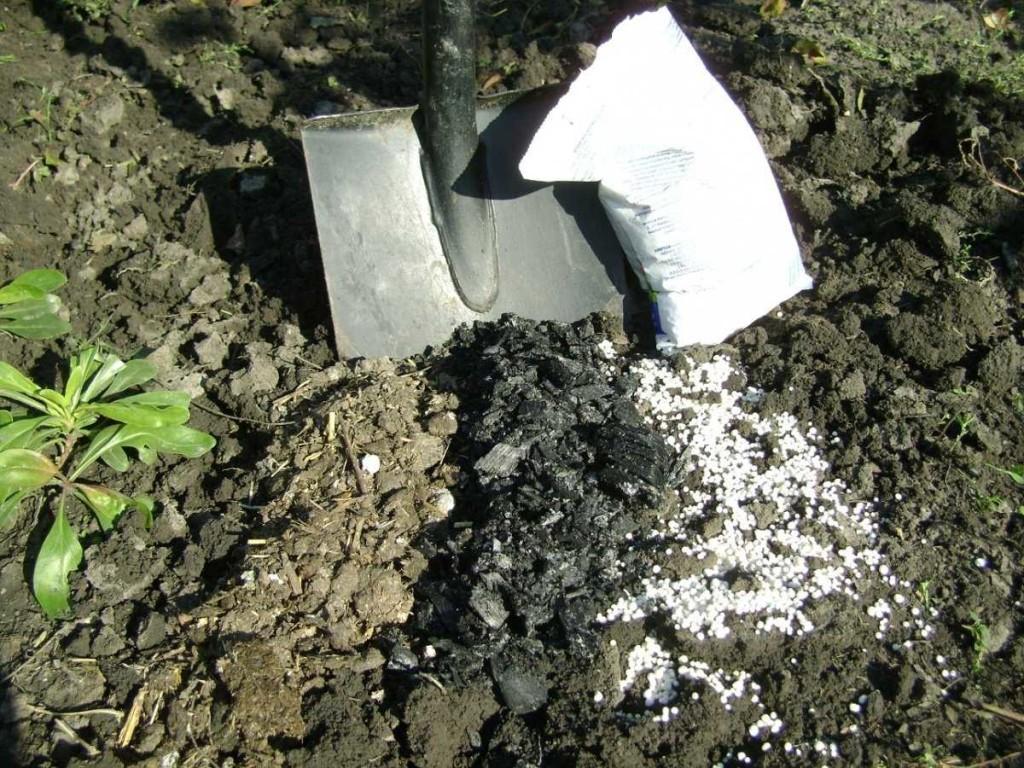
Cloudberries will require additional nutrients during flowering and fruit set. Fertilize the bushes with mineral supplements. Fertilize every 10-15 days. Fertilizing can be combined with watering.
Crown formation
Berry crops thrive when dry and weak branches are pruned in spring and fall. In spring, shoots are removed before buds appear. In fall, pruning should be performed after harvest.
Seasonal treatment against diseases and pests
Tender cloudberry shoots can often become seriously infected, leading to their death. Infection can be prevented by spraying the bushes with Karbofos. Effective products include Actellic and Metaphos. Use them according to the instructions and observe safety precautions.
If you regularly treat cloudberries with Bordeaux mixture, the plant will not get sick and will not become attractive to insect pests. The treatment will be successful if carried out three times per season.
Tips and advice from experienced gardeners
To learn how to grow cloudberries and enjoy ripe berries regularly, you should:
- create the same conditions for plants as in nature;
- collect berries as they ripen, not allowing them to overripe;
- harvest in the morning, in warm and dry weather;
- don't forget to acidify the soil;
- prevent the soil from drying out.
Delicious and healthy cloudberries will be a beautiful addition to your garden if you cultivate them wisely.
Related posts:
 A simple recipe for cloudberry jam for the winter
 How to properly preserve cloudberries for the winter at home
 When and in what season is it best to pick cloudberries, and how to do it correctly
 TOP 5 recipes for preserving cloudberry compote for the winter at home, and storing the preserves
 Description of 36 of the best sweet and large varieties of gooseberries
 Which tomato varieties are best for open ground?
 Descriptions of the 20 best cherry varieties for the Moscow region, their planting and care
 The best grape varieties for growing in the Urals, planting and care rules in summer