
- Selecting a site for crops
- What kind of soil do blueberries need?
- Special structure of the root system
- Optimal composition
- We determine the acidity of the substrate
- Litmus paper
- With vinegar and baking soda
- How to Make Acidic Soil for Blueberries Yourself
- With the help of organic substances
- Use of mineral preparations
- Planting plants to acidify the soil
- What to put in the planting hole before planting
- How to care for and what to add to the soil during the off-season
- Useful tips and recommendations from gardeners
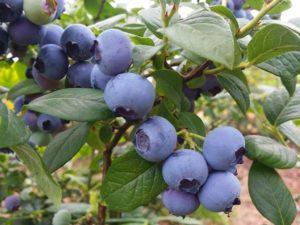
Garden blueberries aren't particularly demanding crops, but basic planting and care guidelines are essential. Like other members of the Ericaceae family, they are very sensitive to soil conditions. The soil for growing garden blueberries should be moist and moderately acidic. Only then will the plant thrive and delight its owners with large, sweet berries every summer.
Selecting a site for crops
When planning to grow highbush blueberries on their property, a gardener must pay close attention to choosing a suitable location and creating favorable conditions for the growth and fruiting of the crop.
A common characteristic of all varieties of this type of garden berries is a desire for warmth and moisture, combined with a dislike of long periods of drought and waterlogged soil.
This determines the basic conditions that promote good growth and development:
- It is not recommended to plant blueberries in a lowland or in an area with close groundwater levels.
- It is worth giving preference to a sunny, well-lit place.
- Blueberries will not grow in areas with heavy clay soils.
- A place with clean, previously unused soil is ideal for growing garden blueberries.
What kind of soil do blueberries need?
Blueberries prefer light, slightly acidic soils. The following soil types are most preferred: peat, sandy, sandy loam, and loamy soils. It's beneficial to use rotted leaves as a natural fertilizer. This maintains adequate moisture levels and makes the soil more fertile.
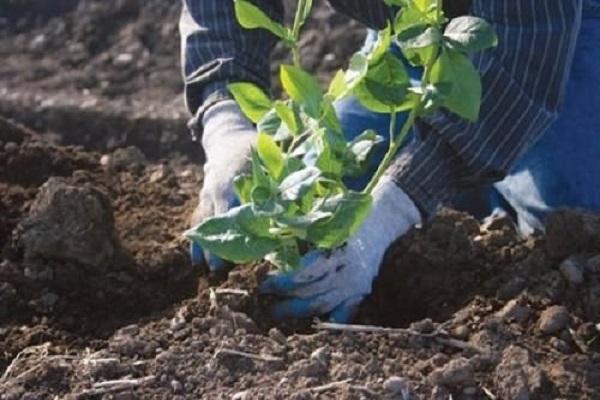
A sandy loam substrate for garden blueberries can be prepared at home. To do this, mix high-moor peat, rotted leaves, sand (10%), bark, and sawdust. Then, adjust the acidity to the optimal level (pH should be between 3.5 and 4.5). Low-moor peat can also be used for the same purpose, but ensure it makes up at least 40% of the total mixture.
The plant should not be planted in clay soil. It is absolutely unsuitable, as its composition is characterized by poor air permeability and frequent water stagnation.
Special structure of the root system
Heather family members require acidic soil due to the unique structure of their root system. The plants thrive on specialized fungi that thrive exclusively in acidic soil. This symbiotic system between the root and mycelium is called mycorrhiza.
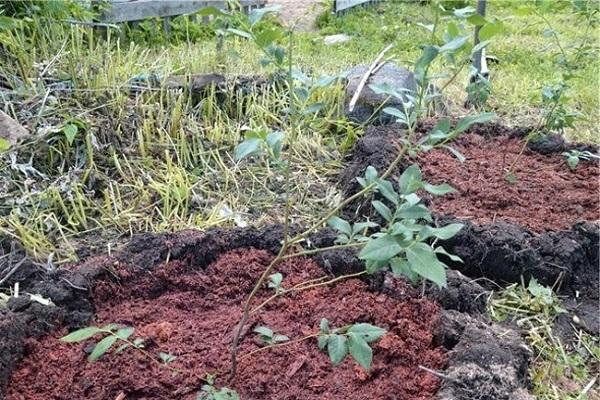
Fungi settle in the bark of the root system and ensure that the plant receives the necessary microelements from the soil, in turn receiving organic matter from it.
Optimal composition
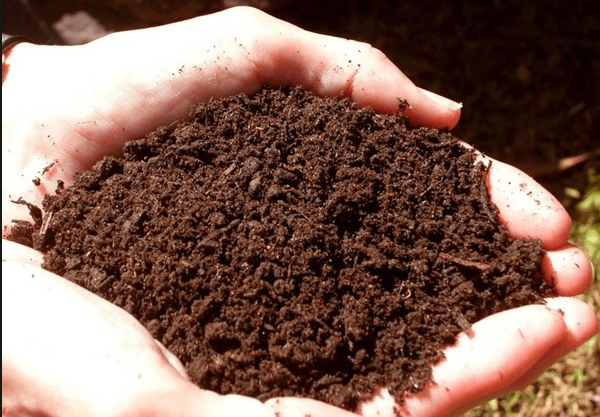
Blueberries will grow well in soil similar to forest soil. This is loose, oxygen-rich soil with the following composition:
- high-moor peat (50%);
- rotted needles;
- land on which coniferous trees grew.
The pH should be shifted toward the acidic side. Neutral or slightly alkaline soils are artificially acidified. For blueberry planting, select sites with clean or previously unlimed soil.
We determine the acidity of the substrate
In preparation for cultivation of garden blueberries It's important to first determine the soil pH in your area. If the pH is too low, the plant will fail to thrive or will develop improperly. Overly acidic soil can damage the root system, leading to disease and even death.
The most accurate way to measure acidity is with a special device—an acidity indicator or "pi-ash-meter." This device can be used for laboratory testing as well as at home. Acidity is measured as follows:
- moisten the soil with a small amount of distilled water;
- wait a few minutes;
- insert a special probe into the depth and take measurements.
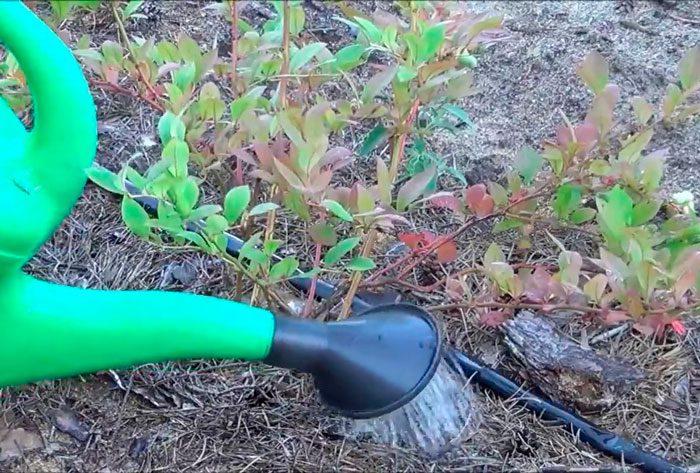
If there is no device, acidity is measured using available means.
Litmus paper
In specialized stores, you can buy paper impregnated with litmus, a special substance that changes color when exposed to a particular environment:
- pink - in a slightly acidic environment;
- red - in sour;
- blue or green - in alkaline.
After taking soil samples, mix them with water. Dip a litmus test into the soil solution and wait for the results. The color change determines the soil type in the area.
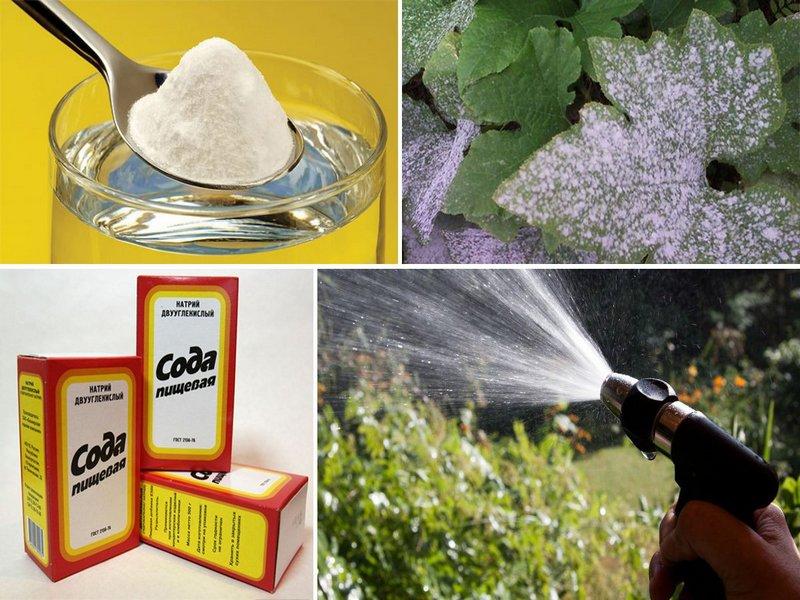
With vinegar and baking soda
Moistened soil samples are placed on a flat piece of glass. They are first treated with acetic acid and then with baking soda, and the results are assessed.
- Acidic soil will not react to acetic acid, but will fizz and foam when sprinkled with baking soda.
- Alkaline soil, on the other hand, will foam when in contact with vinegar, but will not react when exposed to baking soda.
- Neutral soil will not react to either vinegar or soda.
Low or no soil acidity can also be determined by the red tint of the foliage on the bushes in the spring. This is a sign that the plant is not receiving nutrients and has stalled its growth.

How to Make Acidic Soil for Blueberries Yourself
At home, soil acidity can be increased by adding various acid solutions. These can be prepared at home, using protective equipment such as rubber gloves, goggles, and a face mask. Avoid using bare hands, as these solutions are aggressive. Here are the recipes:
- Citric acid solution (5 grams of the product per 10 liters of water).
- A solution of acetic acid (100 grams are dissolved in 10 liters of water).
- Sulfuric acid (use one drop per liter). Handle with extreme caution.
- Oxalic acid solution (5 grams of powder are dissolved in 20 liters of liquid).
- New electrolyte (30 milliliters per 10 liters of water).
With the help of organic substances
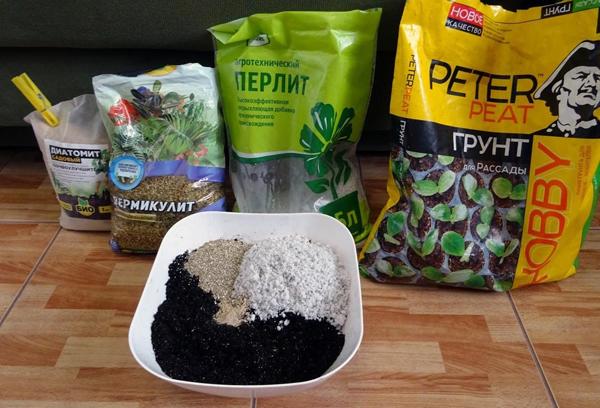
Organic fertilizers are the most harmless way to acidify loose soil. The following are best suited for this purpose:
- high-moor peat;
- rotted needles, cones;
- sawdust;
- manure;
- apple compost.
Clay soils are more difficult to acidify this way. For these soils, herbal infusions are used.
Use of mineral preparations
There is a method for acidifying soil with mineral fertilizers. It's important to ensure that the fertilizers used are suitable for the given soil type. The following methods are used:
- nitrogen-based preparations;
- colloidal sulfur;
- sulfate-based preparations.
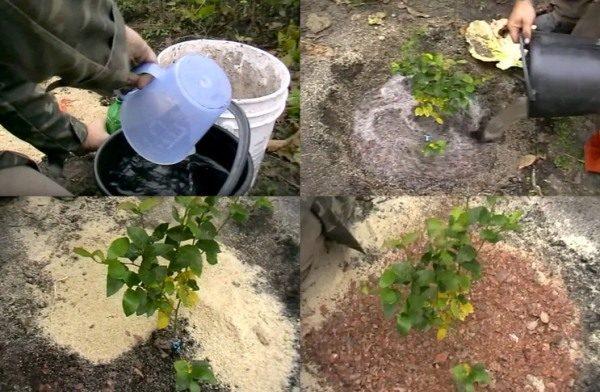
You can act using professional products specially designed to increase soil acidity (Tiovit Jet).
Planting plants to acidify the soil
The waste products of certain plants effectively increase soil acidity. They are planted in close proximity to garden blueberries. White mustard is one such acidifier. The most commonly used are rotted needles of spruce and garden trees, and fallen leaves.
What to put in the planting hole before planting
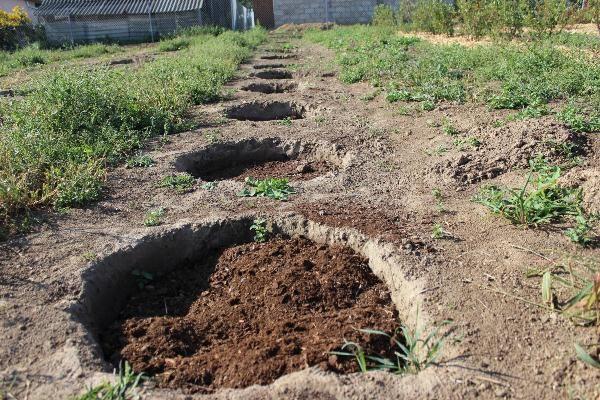
Planting holes for garden blueberries are prepared according to specific dimensions, in accordance with the soil type.
- Light loam soils with deep groundwater. Make the hole up to 60 centimeters in diameter and at least 40 centimeters deep.
- Heavy loam soils, where water often lingers, increase the planting hole's width and decrease its depth to protect the root system from waterlogging.
- Heavy clay soil. Plantings are made in so-called ridges, where sand, peat, and sawdust are filled into a shallow hole (no more than 10 centimeters deep) to form a mound. The seedling is placed in the center, with the roots at ground level, and mulched with sawdust.
- Sandy and peaty soil. A wide and deep hole (approximately one meter by half a meter) is dug with an acidifying substrate (peat, sawdust, pine needles, sand), and a certain amount of sulfur is added.
Take a look Also
General rules for preparing a planting hole:
- Preparations begin in advance, several weeks before planting.
- After digging a hole of a suitable size, the top fertile soil layer is separated and made more nutritious by mixing it with pine needles, sawdust and bark.
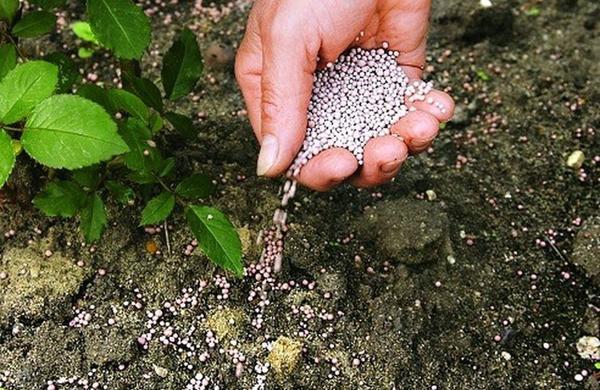
- Then mineral fertilizers are added – superphosphates, potassium sulfate.
- Fill the prepared hole with this fertile mixture and leave it for 2-3 weeks. During this time, mycorrhiza spores will develop in the acidified soil, and an optimal water-air balance will form in the fertile soil layer.
How to care for and what to add to the soil during the off-season
The following year after planting, fertilizing is necessary. A complex fertilizer includes ammonium sulfate (90 grams), superphosphates (110 grams), and potassium sulfate (40 grams). The ingredients are mixed and applied under each bush in the spring..
Pruning, watering and disease control are also important components of care.
- Pruning is carried out in the third year after planting to improve growth. Dead shoots are removed, and the crown is thinned if necessary. If the bushes are tall, they are shaped to give the crown a finished, harmonious appearance.
- Water the plants so that the soil remains moist, but not waterlogged. Avoid allowing the soil to dry out or become stagnant. Watering is recommended once every three days. During hot weather, increase the frequency and add misting with cool water.
- To protect against diseases and for preventive purposes, the bushes are treated with fungicides (Euparen or Topsin).
Useful tips and recommendations from gardeners
Gardeners offer advice on growing garden blueberries, drawing on their extensive experience. Here are a few:
- After harvesting, it's helpful to treat the bushes with Bordeaux mixture. This will prevent the development of diseases caused by soil-borne pathogens.
- The key to growing blueberries in clay soil is a good drainage system. Only this will prevent stagnation and root rot.
- Increasing soil acidity by adding organic matter should be done during the spring or autumn off-season.
Related posts:
 Description and rules for growing the Northland blueberry variety
 Description and characteristics of 45 of the best varieties of garden blueberries
 Blueberry recipes for the winter, including freezing or blending with sugar to preserve all the vitamins
 How to feed and what fertilizers are best for blueberries, soil acidification
 Description and characteristics of the Elizabeth blueberry variety, planting and care
 Description of the Denis Blue blueberry variety and the subtleties of growing it
 Characteristics and description of the Bonus blueberry variety, planting and care instructions
 Description and growing guidelines for the Reka blueberry variety