
- The beginning of the lingonberry harvest
- What do the deadlines depend on?
- From the variety
- From the region of growth
- When is it allowed to pick berries in the forest?
- How to properly harvest fruits
- Selecting quality berries
- Will white or green lingonberries picked at home ripen?
- Harvesting methods
- Manually
- We use a special rake
- Using a collection device
- Combine harvester
- Shelf life without processing
- Lingonberry preparations
This berry has been known since the times of Ancient Rus' and has always enjoyed great esteem and popularity. It's no surprise, as lingonberries are a storehouse of vitamins and microelements, widely used in homemade preserves, and considered a proven medicinal remedy. Therefore, it's important to harvest lingonberries at the right time to fully appreciate their beneficial and flavorful qualities.
The beginning of the lingonberry harvest
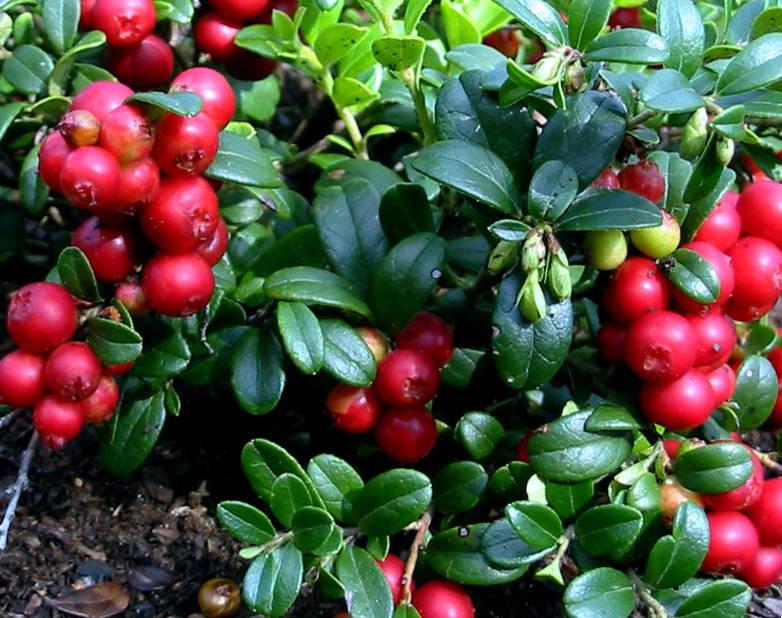
The berries begin to ripen actively in the third ten-day period, beginning in late August. By this time, they turn bright red, and that's when the harvesting should begin. It's important to choose a dry, warm day. Harvest in the morning, when the dew has cleared, or in the evening, just before sunset. However, venturing too far into the swampy forest is extremely dangerous when harvesting in the evening.
Mass harvesting of lingonberries, including by commercial pickers, begins when all the berries have turned red. This usually occurs in the first ten days of September.
What do the deadlines depend on?
The ripening time, and therefore the harvesting time, of lingonberries depends on the variety and the location of the region where they are grown, as well as on weather conditions in the harvesting area.
From the variety
The ripening time of lingonberries directly depends on this. There are currently many varieties on the market that differ from wild lingonberries in their larger berries and higher yields, such as the German Korall or the Polish Runo Belyavskoe. The ripening time difference between early and mid-late lingonberries is 14-20 days.

From the region of growth
The start of the lingonberry harvest depends directly on the region where it grows. In the northern regions of the country (Kamchatka, Karelia, the Kola Peninsula, the Komi Republic, and the Arctic Circle), the peak harvest time for lingonberries is September.
A little further south (in Siberia, Belarus and the Leningrad region) the berries ripen from the first ten days of September to mid-October.
Interestingly, the berries ripen on bushes growing in sunny locations a couple of weeks earlier than those in deep tree shade. In the southern regions of the country, lingonberries begin to be harvested much earlier—from the third ten days of July.
When is it allowed to pick berries in the forest?
The legal start dates for harvesting wild berries, including lingonberries, are established by Russian law. The state permits berry harvesting throughout the country, excluding areas of forest seed plantations. Lingonberry harvesting begins on August 20.
How to properly harvest fruits
To successfully pick lingonberries, simply heading to the forest isn't enough. You need to know how to choose the berries correctly, specifically how to determine their quality and ripeness.
Selecting quality berries
When picking berries in the forest and finding a bountiful lingonberry patch, it's best to visit it no more than a few days after the first harvest. This will give the berries time to ripen, and you'll be sure to pick them before the frost sets in—under low temperatures, lingonberries lose quality, become soft, and spoil quickly.
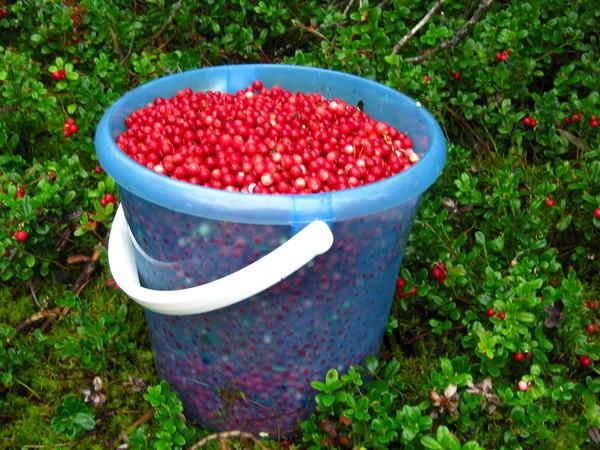
High-quality lingonberries should be a rich red color and free of damage, dents, or signs of rot. They should also feel firm and plump to the touch.
Main selection criteria:
- The berries should be a rich red color.
- Fruits that are firm to the touch and compact are suitable.
- The berries must not be damaged, deformed or rotten.
Will white or green lingonberries picked at home ripen?
Ripe fruits aren't always found during harvesting. Unripe berries shouldn't be discarded during sorting. They are perfectly suitable for consumption and processing. Unripe (uncolored) berries are spread thinly in cardboard boxes or on paper towels. They ripen after a while, usually within 3-4 days.
There is an opinion that if you add apples or tomatoes to ripen with lingonberries, this has a positive effect on their ripening.
But it's important to remember that these berries (picked unripe) will differ in quality and taste from those picked ripe from the bush. And not in a good way.
Harvesting methods
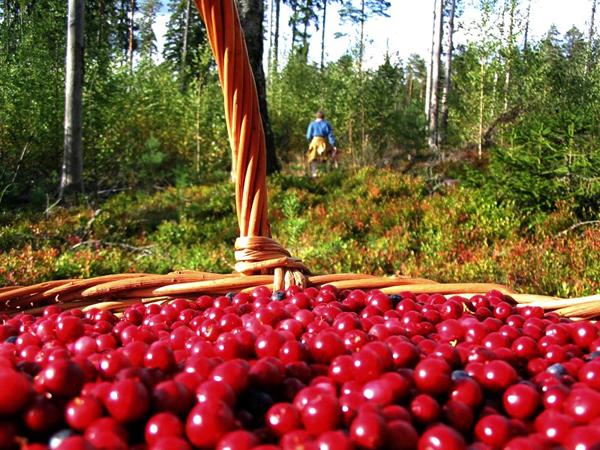
There are various ways to harvest lingonberries. Some gardeners pick the berries by hand, while others use special tools to make the job easier.
Manually
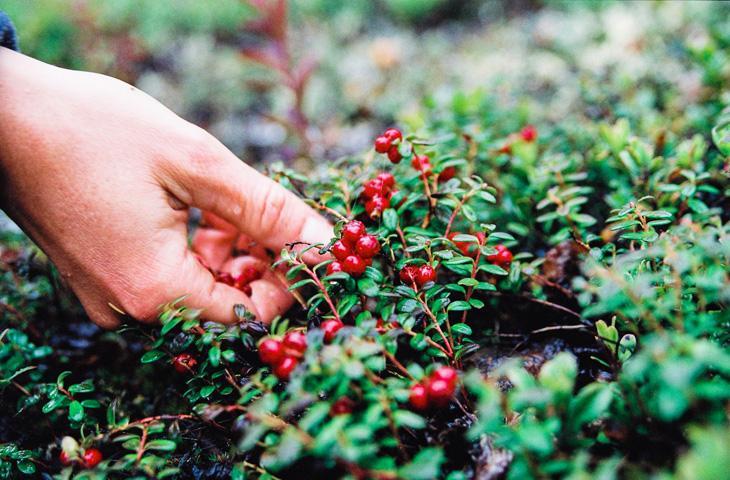
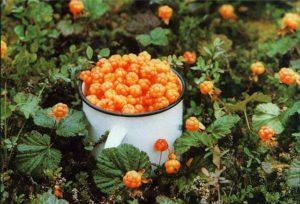
When hand-picking the berries, be careful not to break the thin shoots. Gently push them apart with your hands, and then use your fingers to harvest the fruit. Ripe berries fall from the bunches with little effort, producing a distinctive "pop" sound.
We use a special rake
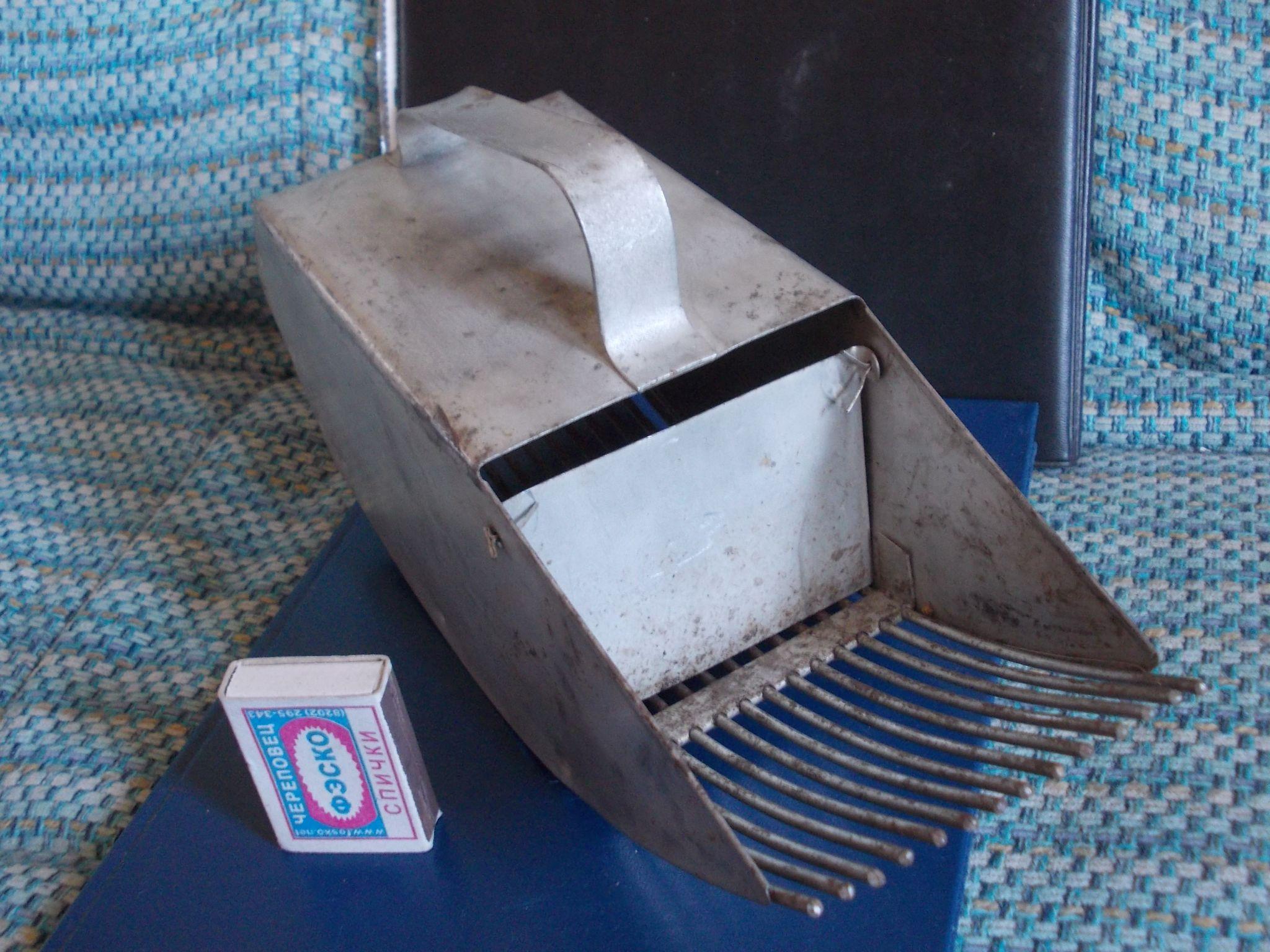
A common name for this harvesting tool is the Finnish rake. It's made of plastic or metal. Rounded, widely spaced tines that don't damage bushes are attached to a protective casing, and a short handle is attached. When harvesting berries, it's used like a regular rake.
Using a collection device
A special harvesting device isn't difficult to make yourself. Attach a handle to a tin box, and attach or weld long, rounded prongs. This will make harvesting lingonberries much easier and more efficient. You can even use a regular, deep plastic scoop, as long as the prongs don't fit tightly together.
Combine harvester
To speed up the harvest, you can use a simple device. Simply put, a combine harvester is a scoop with closely spaced, long, and blunt teeth. It allows you to quickly harvest the fruit—much faster than by hand. Using a combine harvester, lingonberries don't get crushed, unlike blueberries.
However, using the device requires sorting the fruit: sorting by ripeness, removing any debris, branches, and leaves. When using a combine, be careful not to damage the bushes. They grow quite slowly, and breaking stems and leaves will cause serious damage to the plant.
Shelf life without processing
When stored without processing, the berry layer should be no more than 20-30 centimeters thick. The recommended constant temperature is +3°C to +5°C. Under these conditions, lingonberries can be stored for up to 2 months.
At home, at temperatures ranging from +18 C to +25 C degrees, the fruits can be stored for up to 10 days without losing their quality.
Lingonberry preparations
Various methods are used to preserve lingonberries, all of which are effective in their own way, and some even allow you to retain all of their beneficial properties.
Types and methods of preparation:
- Soaked berries with salt. Preparing them is quite simple. After picking, the berries are sorted, leaving only the firm, dense, and whole ones. Then, the washed berries are soaked in brine (500 grams of sugar, 1 heaping teaspoon of salt, and 3 liters of clean water).
- Drying the fruit. This method can be used to preserve not only the berries themselves but also the leaves for medicinal purposes. The most convenient method is to use electric dryers, which are now popular. After drying, the fruit is allowed to cool and placed in a tightly sealed glass container for storage.
- Freezing fruit. This is a fairly simple method that doesn't require any special preparation. The fruit is sorted, cleaned of dust and debris, placed in a colander, and then rinsed thoroughly with water. Then, they are dried on a kitchen towel. After drying, the fruit is placed in plastic bags, pressing out as much air as possible, and then placed in the freezer. Frozen berries retain all their vitamins and nutrients. It's very convenient to preserve them individually – in small bags, removing them as needed.
- Grinding with sugar. The lingonberries are sorted, discarding any spoiled or rotten ones. If these are included in the jam, it will spoil quickly. They are then thoroughly washed and dried on paper towels. This procedure increases the shelf life of the jam. The amount of sugar used per kilogram of lingonberries varies from 1 to 2 kilograms, depending on preference. The lingonberries are crushed—by hand or in a blender—sprinkled with sugar, and placed in sterilized jars. This jam is stored in a cool, dark place. This could be a cellar, basement, refrigerator, or pantry. At temperatures up to 16°C (61°F), the shelf life is approximately 2 months; if stored in the refrigerator, it's 2 years.
- Processing and preserving. It's used to make compotes, marmalade, jams, and delicious and healthy preserves. Moreover, lingonberries pair well with other wild berries—the flavor is especially rich.
Related posts:
 Timeframes and rules for storing lingonberries at home for the winter
 Useful properties and contraindications of lingonberries, use for medicinal purposes
 Simple step-by-step recipes for making lingonberry jam for the winter
 Planting and caring for garden lingonberries in a garden plot, propagation
 Simple recipes for frozen lingonberry compote for the winter, how to can it with and without sterilization
 TOP 18 recipes for preparing lingonberry preserves without cooking for the winter
 TOP 10 recipes for pickled lingonberries for the winter, at home, cold and hot methods
 Recipes for jellied lingonberry and pear jam for the winter, how to store