
- Characteristics of culture
- Decorative and useful properties
- Description and varieties
- Growing area
- Necessary conditions for growing
- How to propagate garden lingonberries
- Seed method
- Cuttings
- Rhizomes
- Layering
- Planting lingonberries
- Preparing planting material
- Combination of culture with other garden
- Choosing a location
- Preparing the soil and planting hole
- Timing and step-by-step planting technology
- Care instructions
- Watering
- Top dressing
- Rejuvenation and sanitary pruning of plantings
- Harvesting
- Diseases and pests: control and prevention
- What problems do gardeners face?
Garden lingonberries are decorative and easy to plant and care for. The berries are rich in vitamins essential for the human body.
Characteristics of culture
The plant has green shoots that retain their color even in winter. The bush is common in the wild, but is often cultivated by gardeners. It is small in size and blooms in late spring.
Decorative and useful properties
The plant can be grown in the garden among fruit trees. It requires little care and can tolerate low temperatures. Lingonberries are often grown in summer cottages as garden ornamentals. The bushes have decorative qualities thanks to their green shoots and leaves, which retain their color even in winter.
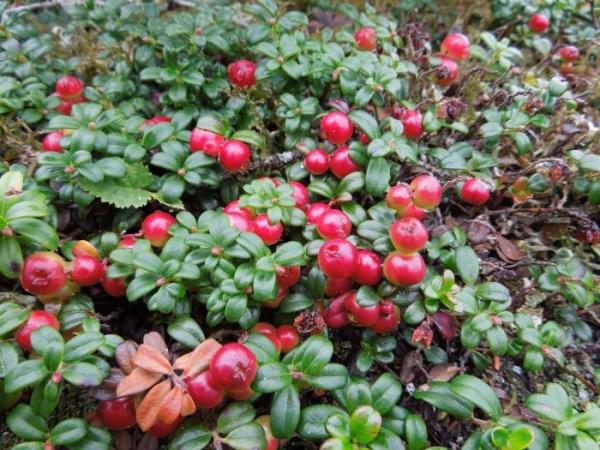
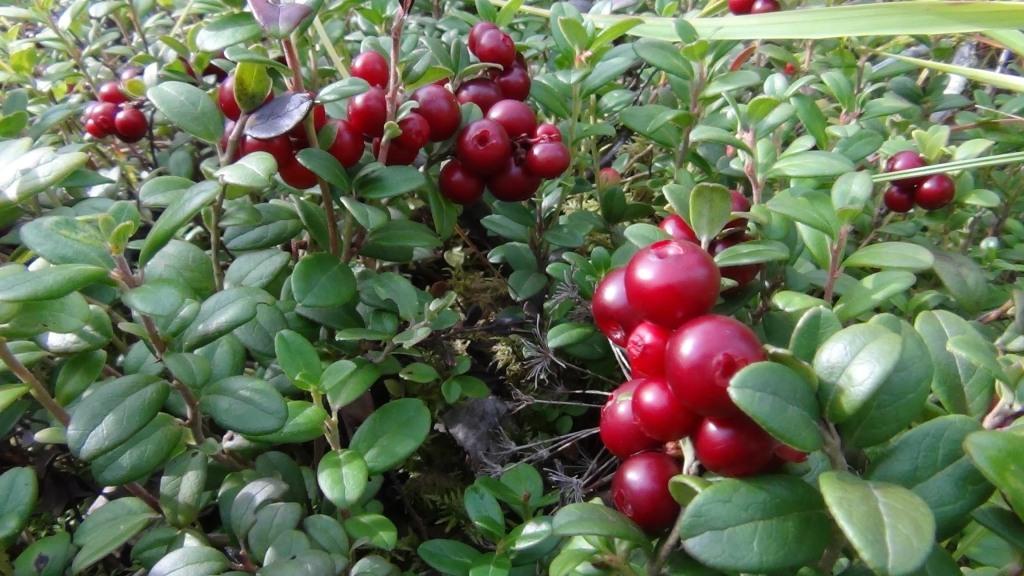
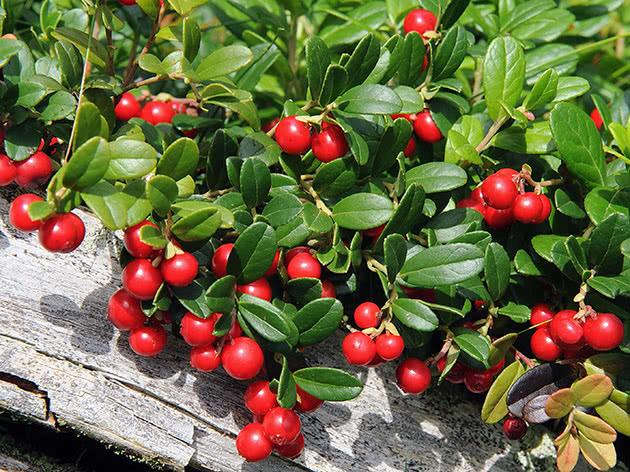
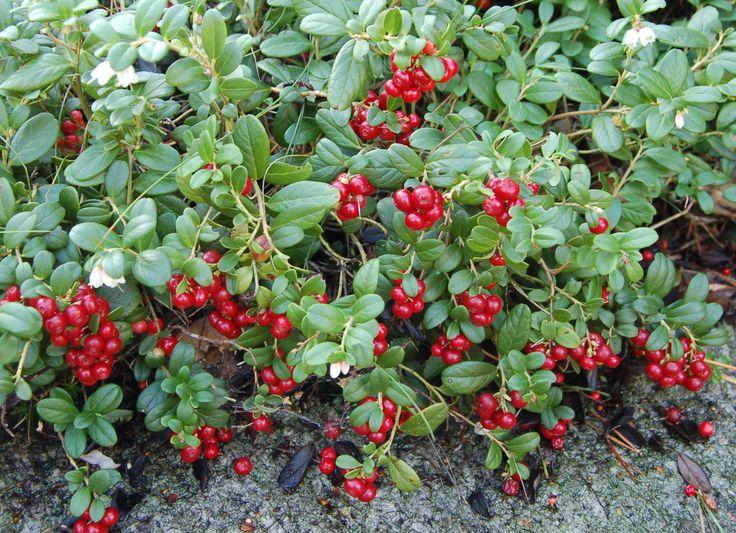
Bushes with bright red berries planted in a garden plot also have an attractive appearance.
Garden lingonberry has the following beneficial properties:
- accelerates the recovery process after infectious diseases;
- used in cancer diseases;
- used for colds;
- contains a large number of vitamins and minerals necessary for the human body;
- lingonberry leaves contain tannins;
- restores intestinal microflora;
- has a diuretic effect.
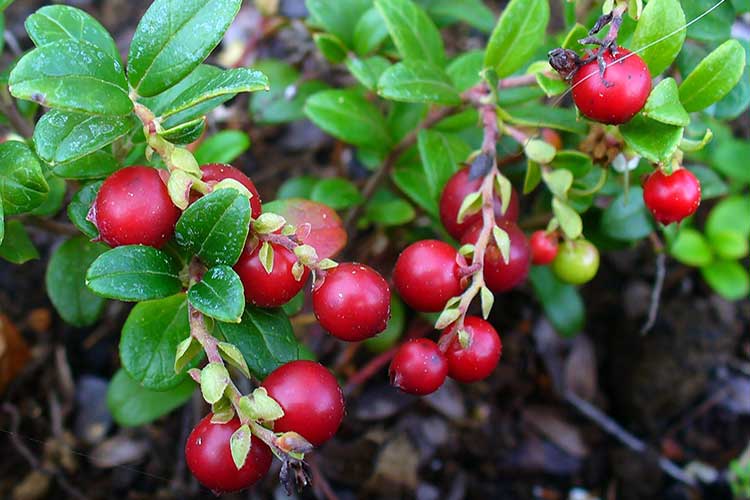
Eating lingonberries helps lower blood pressure. Regular consumption of the berries also helps normalize blood sugar levels.
Description and varieties
This plant belongs to the Ericaceae family. The bush is small, with ovate, dense leaves with thick skin. The leaves are smooth green on top and matte underneath. The inflorescences are white, resembling small bells with a pleasant scent. The fruits turn red when ripe and have a sweet and sour taste. They contain numerous seeds.
The plant is divided into two varieties: the everbearing variety, which produces fruit twice a season, and the regular garden variety, which ripens in the fall.
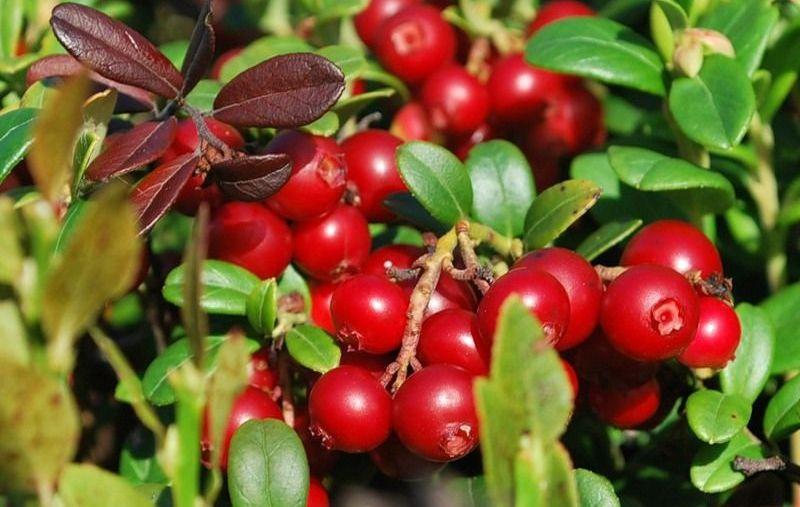
Garden lingonberry has the following popular varieties.
| Variety | Characteristic |
| Coral | The Coral variety is distinguished by its high ornamental qualities. The bushes have long, curved shoots. The berries are large and dark red. A single bush can yield up to 700 grams. |
| Linnaeus | The bushes are small and spreading. The distinctive feature of this cultivar is the taste of the berries, which contain a hint of bitterness. |
| Mazovia | A bush plant that reaches a height of no more than 10 cm. It is rarely grown in gardens and is more often used as a ground cover. |
| Ruby | The plant is distinguished by its large berries. The bushes can reach large sizes, and the berries are juicy and red. |
Bush lingonberry is highly frost-resistant and is widely used for landscaping garden plots.
Growing area
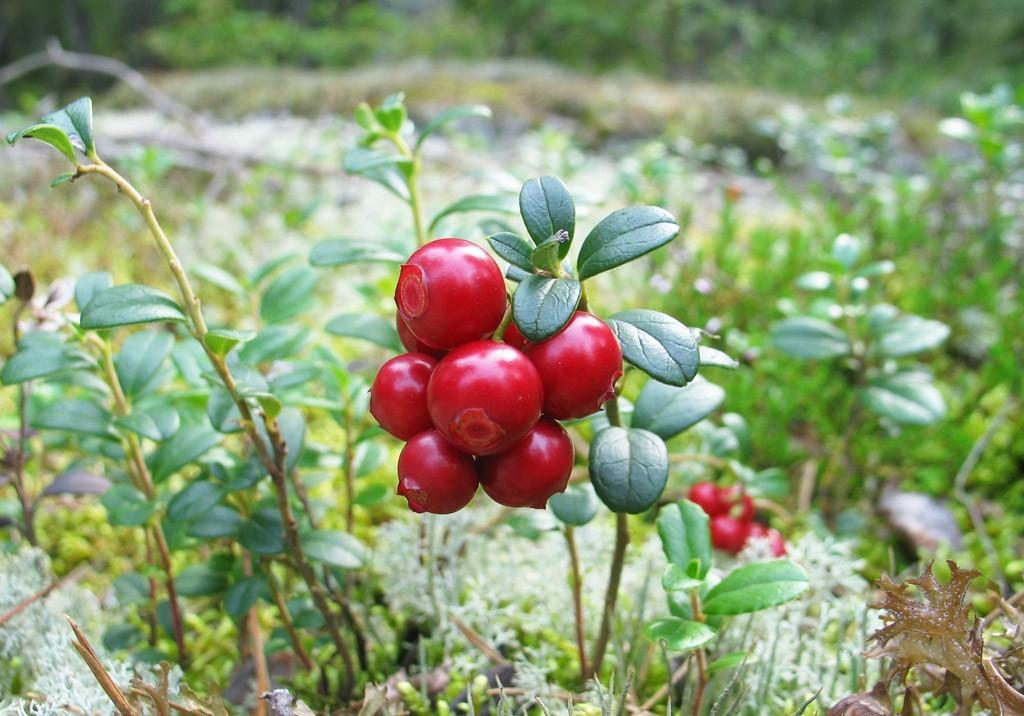
It's recommended to grow garden lingonberries in areas with highly acidic soil, as the plant naturally thrives in marshy areas. Depending on the location, specific growing conditions should be observed:
- The Far East – the plant produces large harvests, primarily due to the favorable climate and the absence of excessively low temperatures.
- The Urals region is where garden bushes are practically never grown. Lingonberries grow poorly, and the yield per plant is small.
- Ukraine — In this country, lingonberries are rarely grown, only when necessary. When planting, it's necessary to add acid to increase the soil's pH. Regular watering is also essential, as the plant prefers moist soil.
- The Moscow region and central Russia are well suited for growing garden lingonberries.
Depending on the region in which the crop is grown, it is necessary to cover the bushes before winter.
Necessary conditions for growing
To obtain a large harvest after planting lingonberries in open ground, the following conditions are necessary:
- the soil must be nutritious and contain a large amount of organic matter;
- the area where the crop is grown should be free of weeds that prevent the plant from developing properly;
- You can grow berries in moist soil or with regular watering;
- In regions with extremely cold climates, the plant must be covered for the winter.
The crop is undemanding in terms of care, and if the right planting site is chosen, it allows you to harvest a large crop of healthy berries.
How to propagate garden lingonberries
Propagation of the crop can be done using various methods depending on the personal preferences of the gardener.
Seed method
At home, the plant can be propagated by seed. To use this propagation method, follow these steps:
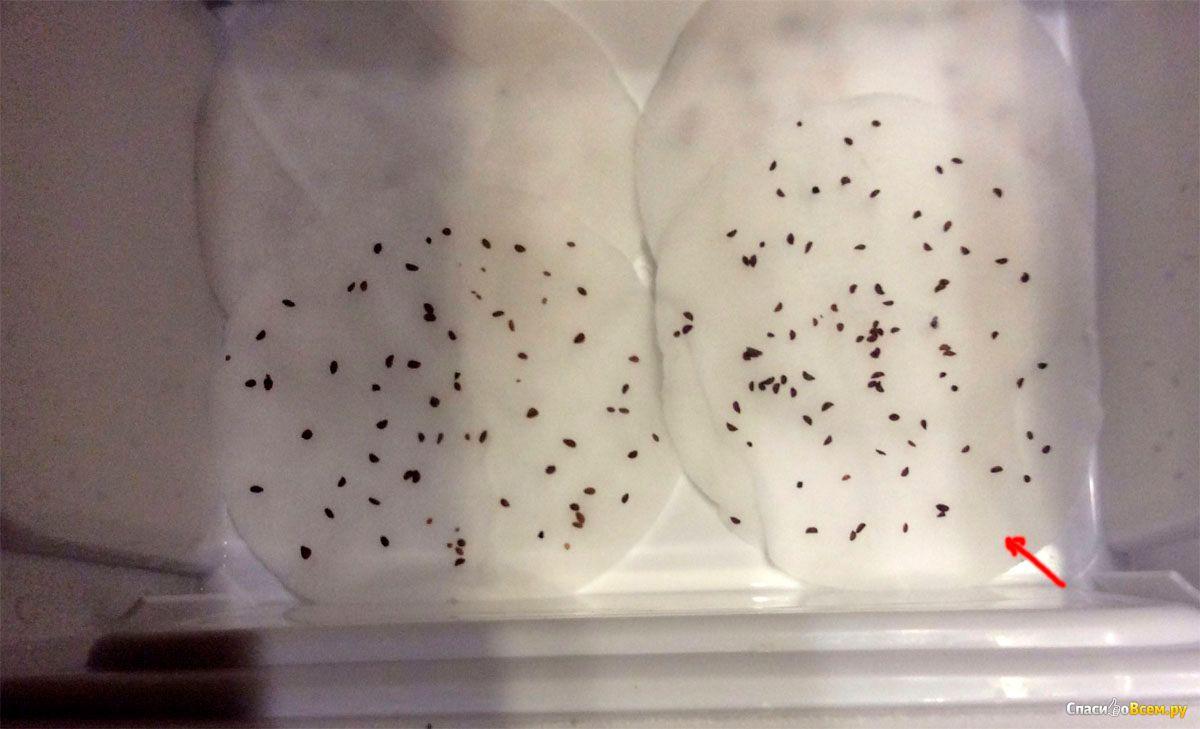
- mash the berries with a fork and rinse;
- the remaining seeds are dried and placed in a cloth bag for further storage;
- The seeds are placed in the refrigerator in the vegetable storage compartment for 3 months;
- After stratification, the seeds are soaked in water for a day and planted in a seedling container; the time for planting in a container is mid-February;
- After the seedlings have emerged, the seedlings are picked;
- Planting in open ground is carried out in mid-April.
For planting, it is necessary to use nutritious soil; for this, humus, soil, and particles of sphagnum moss or peat are mixed.
 Important: To improve lingonberry germination, it is recommended to store the seeds in a cloth bag for 1-2 years before using them as planting material.
Cuttings
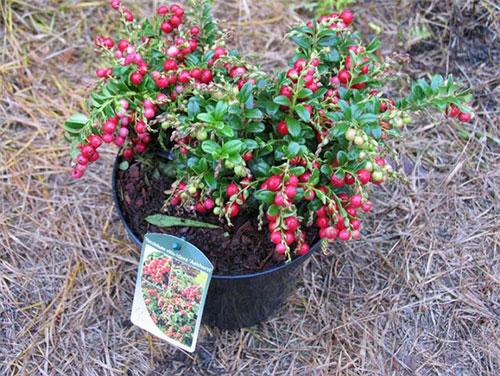
To propagate, the bush shoot must be divided into cuttings. Cuttings can be prepared in April or September. They should be 5 cm long. The top bud is removed, the shoot is placed in a growth activator, and then planted in a prepared mixture (one part soil to two parts peat or humus).
The cuttings are watered and covered with film until there is no longer a threat of night frost.
Important: After planting the cutting, do not repot it for three years, otherwise the plant may die.
Rhizomes
Root cuttings can be used in May, when other methods are no longer recommended. Small root cuttings are placed in soil and regularly moistened. Propagation in this manner allows for harvesting a year after transplanting.
Layering
In early spring, bend several shoots toward the ground, make small cuts, and cover with soil. Secure the mound and leave it until the following spring. After the seedlings emerge, separate the planting material from the parent plant with pruning shears and transplant it to another growing location.
Planting lingonberries
In order for lingonberries to begin to develop quickly after transplantation, it is necessary to follow certain care guidelines.
Preparing planting material
You can grow your own planting material, but most often, you'll use a purchased seedling. Before planting, it's recommended to soak the seedlings in a growth activator.
If you are using your own seedlings, you need to harden them off before planting by opening the greenhouse and letting in cold air.
Combination of culture with other garden
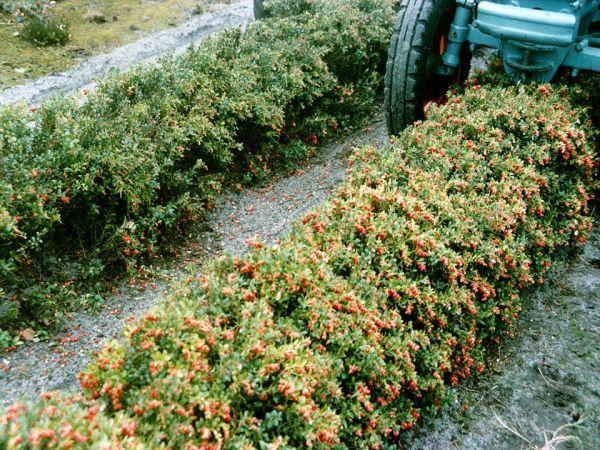
Lingonberry can be used as a garden ornament. It can be grown in raised beds or hanging pots. Its low growth rate makes it ideal for groundcover. It pairs well with conifers and junipers. It's easy to grow alongside other plants and is often used to create a desirable landscape composition.
Take a look Also
Choosing a location
The plant's growth rate depends on the correct planting location. The site where lingonberries are planted should be protected from wind and drafts. The crop prefers ample sun, so the beds should be placed on a sunny side.
To obtain a harvest, bushes must be planted near bodies of water or in places with increased soil moisture.
Preparing the soil and planting hole
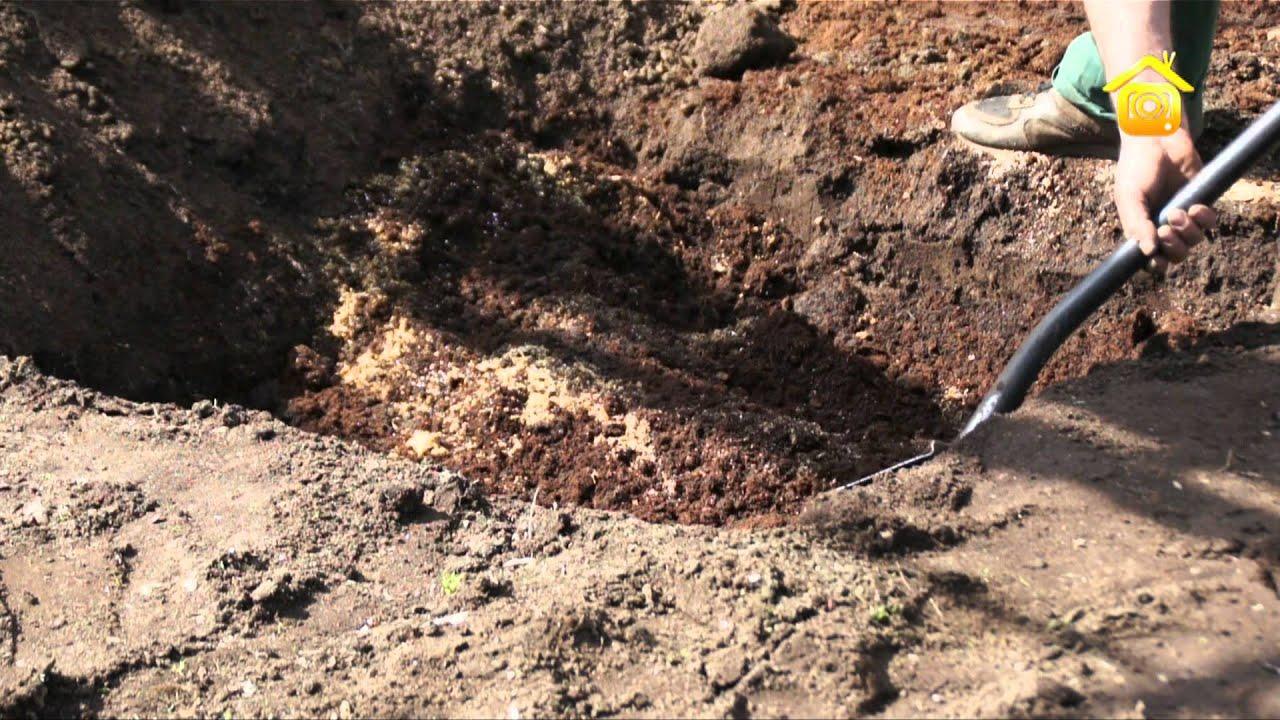
To plant garden lingonberry seedlings, prepare the soil. Remove the topsoil and mix it with 2 parts peat, 1 part compost, and 1 part river sand. Add a cup of vinegar to a bucket of water, and water the soil with the resulting solution.
The planting hole for lingonberries should be at least 25 cm deep. A drainage layer of broken brick should be placed at the bottom of the hole. The rest of the hole is filled with a nutrient-rich mixture of soil and peat.
Timing and step-by-step planting technology
Planting of seedlings takes place in late September or April. To properly plant lingonberries, follow these steps:
- dig holes 25-30 cm deep, place the seedlings and sprinkle with a nutrient mixture;
- the distance between seedlings should be at least 50 cm;
- After planting, compact the soil slightly and water with warm water.
If the crop is planted in the fall, place a layer of humus on top, which will provide additional insulation.
Care instructions
To ensure that the bush develops well and is not susceptible to diseases, it is very important to properly care for the planting material after planting in open ground.
Watering
Lingonberries prefer moist soil, so seedlings need to be watered every three days. Water the bushes using a sprinkler system. Water the plant in the evening, after loosening the soil.
Top dressing
Fertilization during lingonberry cultivation is carried out according to the following scheme:
- superphosphate is added in spring;
- Before the formation of buds, it is necessary to use phosphorus and potassium sulfide; you can also add mullein diluted in water;
- during the period of fruit formation, urea is used as a top dressing;
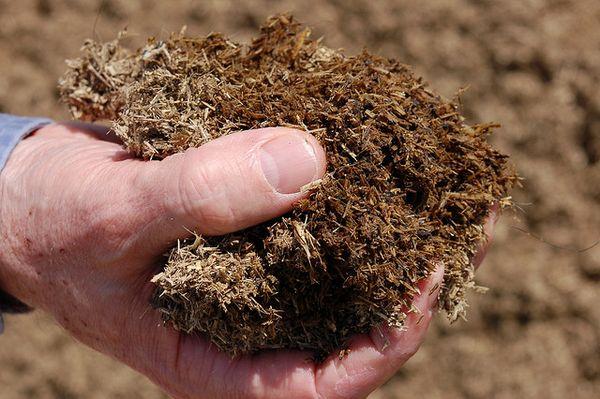
- In autumn, peat and humus are added.
During the summer, additional fertilizers developed specifically for heather crops can be used.
Rejuvenation and sanitary pruning of plantings
Pruning bushes for rejuvenation is performed only in the 5th or 6th year after planting the cuttings. This procedure is performed in the spring before the buds open. For this purpose, shoots are pruned, leaving no more than 5 leaves on each. This procedure is necessary to increase the crop's yield. Periodic sanitary maintenance of the bush is also necessary. This type of pruning involves removing damaged shoots, as well as parts of the bush with visible symptoms of disease. Sanitary pruning is performed regularly after each winter.
Harvesting
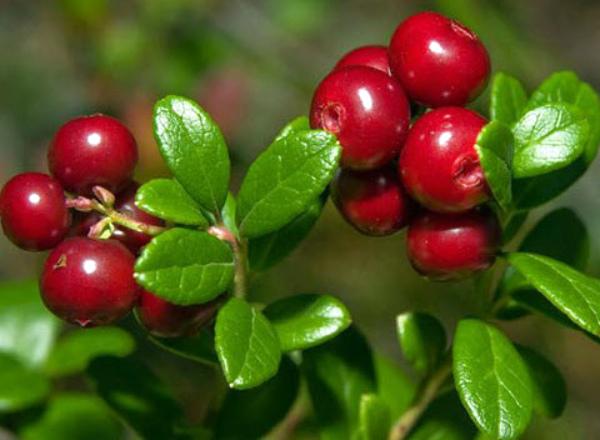
Harvesting begins in mid-September. However, some varieties ripen as late as August. Harvesting should be done before the first frost, as the berries become watery and cannot be transported or stored. The berries can be frozen or used to make preserves and jams. Leaves are also collected in the fall. For further use, the leaves are dried and placed in cloth bags.
Diseases and pests: control and prevention
The crop is resistant to diseases, but the following problems may arise:
- Rust appears as brown spots on the leaves. Treatment involves spraying with copper sulfate and removing damaged areas.
- Berry blight is a disease that occurs when berries fail to ripen fully. The berries turn pink and develop a gray coating. Treatment involves spraying with Bordeaux mixture.
- White rot – berries become covered with a white coating, which causes the unripe crop to dry out completely. Bordeaux mixture and Zuparen are used for control. Spraying should be done alternately, at least 5 days apart.
Diseases are rare, and only occur if the crop is not properly cared for. The crop can be attacked by pests, the most common of which are:
- Aphids are small insects that feed on lingonberry sap. They damage leaves and young shoots and quickly spread throughout the garden. To control them, spray the bush with a soapy solution.
- Scale insects are small insects that damage leaves and cause them to fall. To control this pest, spray the plant with Fitoverm.

To prevent diseases from damaging the crop, it is necessary to follow preventative measures:
- promptly remove weeds, which often act as a carrier of infection;
- use spraying with preparations to prevent diseases, such as "Azofos";
- mulch the beds using pine needles.
Before planting, treat the roots with a potassium permanganate solution. It's also important to purchase seedlings from reputable sources.
What problems do gardeners face?
Problems may arise that reduce plant growth and may lead to death:
- The plant is growing weakly, and the leaves are yellow. This problem may be caused by insufficient soil acidity. To acidify the soil, you can water the plant every two weeks with water containing oxalic acid or vinegar.
- Inflorescences quickly fall off without fruit forming. This problem occurs due to insufficient potassium.
- The lingonberries don't have time to ripen before the first frost. In this case, the variety was chosen incorrectly for the gardener's location.
Lingonberries rarely cause problems if all recommendations are followed correctly. In rare cases, root rot may occur if the gardener overwaters the soil. Garden lingonberries not only have attractive ornamental qualities but are also used to prevent a wide range of diseases. The plant's berries contain minerals and vitamins essential to the human body. The plant requires little care and, with timely fertilization, produces a bountiful harvest.
Related posts:
 Simple step-by-step recipes for making lingonberry jam for the winter
 How to propagate and grow peas, cultivation technology, and care in open ground
 How to properly plant peas in a greenhouse and open ground
 Useful properties and contraindications of lingonberries, use for medicinal purposes
 Description of varieties of sowing peas and cultivation, to which family they belong
 How to plant grapes step by step, with a description of the process and care
 How to grow ginger in the open ground at your dacha, planting and care
 Growing and caring for almonds, planting and pruning rules at home