
- How to choose cherries for the Moscow region
- Climatic features of the region
- Criteria for choosing a variety
- Winter hardiness
- Immunity to fungal diseases
- Ripening and fruiting time
- The best crops for planting in the Moscow region
- Early varieties of cherries
- Baby
- Miracle Cherry
- Shpanka
- Mid-season cherry varieties
- Morozovka
- Kharitonovskaya
- Zhukovskaya
- Vladimirskaya
- Late cherry varieties
- Generous
- Robin
- Lyubskaya
- Large-fruited cherries
- Meeting
- Consumer goods Black
- Volochaevka
- Low-growing and dwarf varieties
- Anthracite
- Bystrinka
- Mtsenskaya
- Sweet-fruited varieties
- Lighthouse
- Ural Ruby
- Bushy species
- Self-fertile and self-pollinating varieties
- Felt cherries
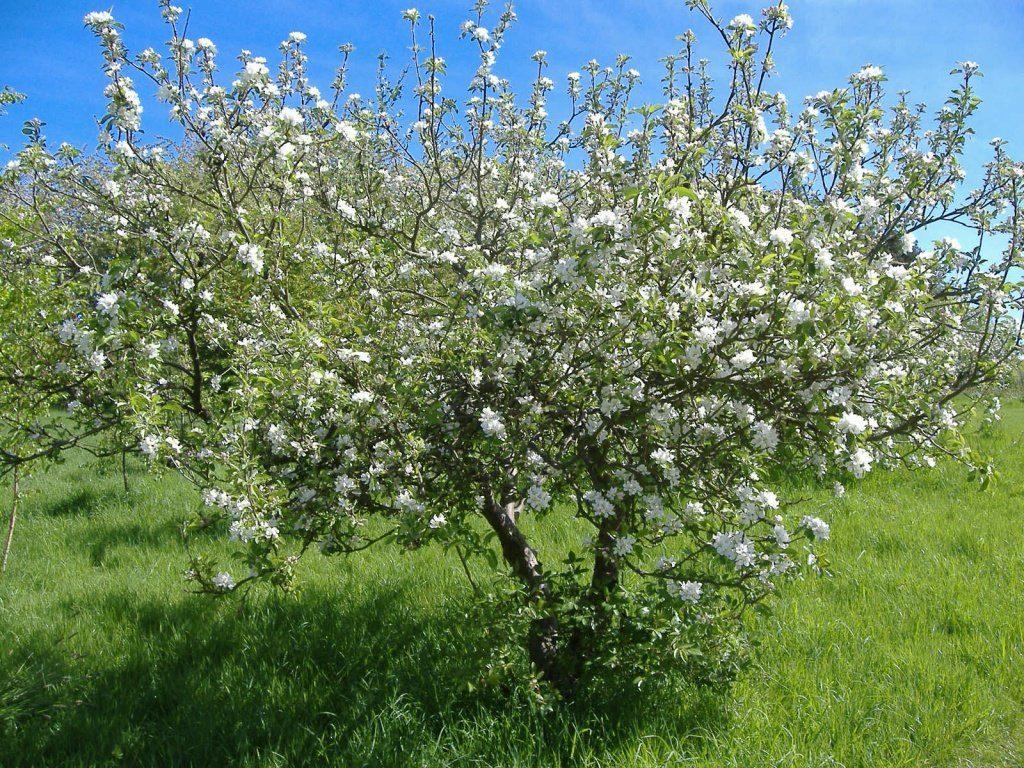
It's impossible to imagine any garden plot in spring without the fragrant aroma of fragrant cherries and their delicate white blossoms. Planning a garden in the temperate zone and choosing a cherry variety that meets all parameters and technical characteristics guarantees successful cultivation and abundant harvests of this amazingly delicious berry.
How to choose cherries for the Moscow region
A wide variety of varieties with different characteristics allows Moscow region gardens to grow their favorite berries in large quantities with the appropriate flavor characteristics.
Climatic features of the region
The temperate continental climate is characterized by distinct seasons. Low winter temperatures and recurrent frosts are typical for this region, often causing irreparable damage to trees. growing cherries in the Moscow region It is worth giving preference to varieties that can easily tolerate frosts down to -35 °C and resist various infections and fungal diseases.
Criteria for choosing a variety
Choosing the right variety for a given region will help avoid many difficulties associated with growing and subsequent care. Particular attention should be paid to the following parameters:
- taste indicators of fruits;
- tree yield;
- frost resistance and winter hardiness;
- disease resistance.
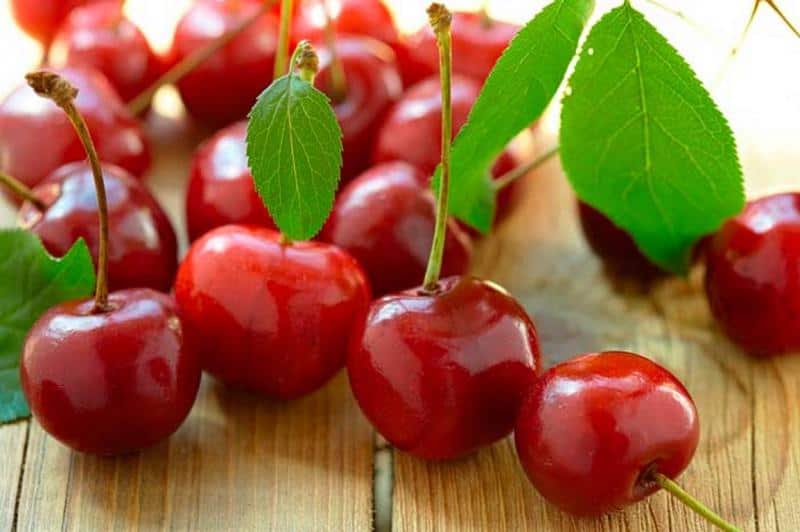
A thorough analysis of the assortment will allow you to choose the appropriate option and avoid difficulties during planting and growing.
Winter hardiness
The main problem in the temperate zone is low winter temperatures, often falling below -35°C. To achieve larger yields, regional varieties with increased frost resistance are selected.
Immunity to fungal diseases
The most common diseases that cause significant damage to fruit trees are moniliosis and coccomycosis. Selecting disease-resistant varieties and taking timely preventative measures will help you grow a healthy garden and produce an excellent harvest of flavorful berries.
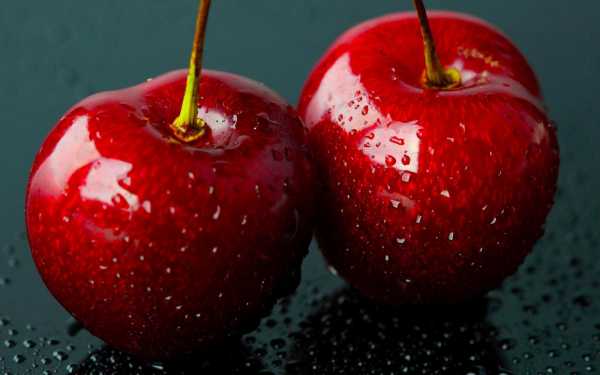
Ripening and fruiting time
Planting several bushes with significantly different ripening times in one area will allow you to enjoy delicious berries all summer long.
The best crops for planting in the Moscow region
Before choosing a particular variety, it's important to clearly define your expectations. Variations in the appearance of the bush or tree, ripening times, and variety of flavors significantly differentiate varieties from one another.
Early varieties of cherries
Early cherries are especially attractive to gardeners. They ripen quickly, producing large harvests of delicious, aromatic berries. Early cherries are especially beneficial in cold summers. Despite low temperatures, the fruit ripens quickly, which is more difficult to say about later-ripening varieties.
Baby
The low-growing, partially self-fertile Malyshka grows up to 2.5 meters. It blooms with fragrant white flowers in mid-May. Incredibly tasty berries, averaging five grams, ripen in late June. Yields range from 15 kg per tree.
Miracle Cherry
The early-ripening Chudo variety survives cold winters well and is resistant to many diseases. Large, flat-round fruits with thick skin, weighing up to 9 grams, ripen on the tree in the first half of June.
Shpanka
Shpanka is an easy-to-grow, self-fertile variety of frost-hardy cherry, growing up to 4 meters tall. It produces dark-brown, juicy fruits, weighing up to five grams and ripening in late June. The crop ripens unevenly, making harvesting difficult.
Mid-season cherry varieties
Planting trees with varying ripening periods in your garden allows you to enjoy delicious berries all summer long. In typical years, mid-season cherries are ready for consumption in late July or August.
Morozovka
Medium-sized, self-sterile Morozovka cherry It grows to a height of no more than 2.5 meters and produces fruit regularly. The spreading tree with its luxurious crown produces berries averaging 5 grams in weight. They withstand transportation well.
Kharitonovskaya
This variety is characterized by partial self-fertility, a spreading crown, and abundant flowering in spring. It grows up to 2.5 meters tall. It produces sweet and sour fruits weighing up to 5 grams. In some years, a single tree can easily yield up to 20 kg of delicious berries.
Zhukovskaya
The self-sterile Zhukovskaya variety bears fruit vigorously for up to 16 years. A single tree often yields 15-30 kg of delicious berries, which ripen towards the end of July and sometimes reach 7 grams in weight. This variety is noted for its uniform ripening and is resistant to ringspot.
Vladimirskaya
The multi-stemmed, self-sterile Vladimirskaya cherry tree boasts a luxurious, spreading crown. It grows up to five meters. In early May, it blooms profusely with delicate white flowers. In late July or late July, the tree produces small-pitted fruits.
Late cherry varieties
Late cherries can delight amateur gardeners with the last harvest of the outgoing year.
Generous
The Shchedraya variety is a shrub growing up to two meters tall with spreading branches bearing small berries weighing up to 5 grams. The large stone easily separates from the fruit.
The berries do not ripen at the same time, only at the end of August or September.
This complicates harvesting—it has to be done in several stages. When overripe, the berries tend to crack. A single bush can produce up to 15 kilograms of berries. The tree survives winters well, withstanding temperatures down to -35°C.

Robin
The medium-sized, self-sterile Malinovka variety, with a dense, spherical crown, tolerates winter frosts well. It produces berries with tender flesh, weighing 3.9 grams. The berries have large stones that separate easily from the pulp.
Lyubskaya
The self-fertile Lyubskaya cherry overwinters well in low temperatures and produces high yields of aromatic berries. The seedling quickly develops into a dwarf, bush-like tree with a drooping crown. It produces berries with small seeds, averaging no more than five grams in weight. Among its peers, Lyubskaya stands out for its uniform ripening.
Large-fruited cherries
Breeders have developed numerous cherry and sour cherry hybrids distinguished by their large fruit size. Let's look at the most common varieties for gardens in temperate climates.
Meeting
The large-fruited cherry tree "Vstrecha" stands out for its beautiful, drooping crown and early ripening fruit. It is partially self-fertile and does not require the planting of other varieties. In late June, the tree bears exceptionally flavorful fruits weighing up to 15 grams. The pit separates easily from the flesh.
Consumer goods Black
The mid-season, self-sterile "Shirpotreb Chernaya" variety, with a broad, pyramidal crown, is a 2.5-meter-tall shrub. It begins bearing fruit in the first half of July, producing large berries with tender flesh and a pleasant flavor. The average ripe berry weighs about 4.2 grams. The pit separates easily from the pulp.
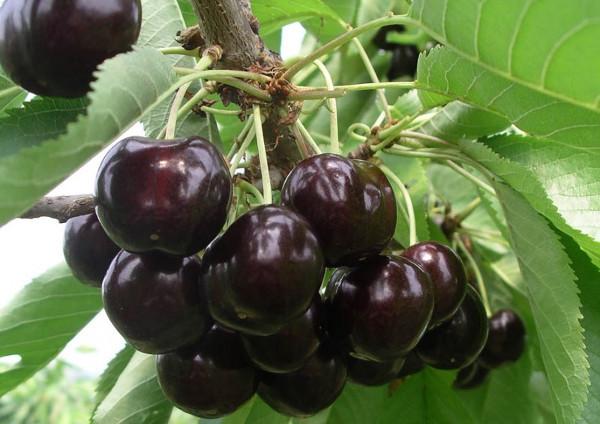
Volochaevka
The tree grows up to 3.5 meters in height. It produces uniform fruiting, with berries weighing up to 3.7 grams. A single tree yields approximately 15 kg of aromatic berries. This variety has poor frost resistance and requires reliable protection during frosts.
Low-growing and dwarf varieties
Dwarf and low-growing varieties are suitable for growing in confined spaces. They are convenient for harvesting and protecting the plant from severe frosts.
Anthracite
The self-fertile, low-growing, high-yielding Anthracite cherry grows up to two meters tall. It blooms in late May. The small-pitted fruits, weighing approximately 4 grams, ripen in mid-July. This variety is highly winter-hardy and produces good yields.
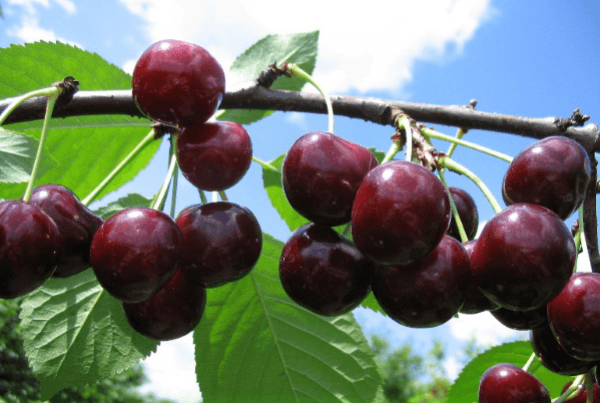
Bystrinka
It blooms in mid-May and produces generous harvests of berries weighing approximately 4.2 grams with excellent flavor. The fruits ripen in mid-July and transport well. This cherry is partially self-fertile and grows up to 2.5 meters. Thanks to its excellent yield, it is popular among experienced gardeners. A single tree can easily yield up to 20 kg of excellent-tasting berries.
Mtsenskaya
The Mtsenskaya cherry tree's popularity stems from its height: it's no taller than two meters, making it ideal for picking. It produces dark-red cherries with juicy flesh, averaging 3.4 grams in weight. The pit is medium-sized and easily separated from the berries.
Sweet-fruited varieties
Some cherry varieties are sweet and lack the usual tartness. Let's look at the sweet-fruited varieties common in gardens in the temperate zone.
Lighthouse
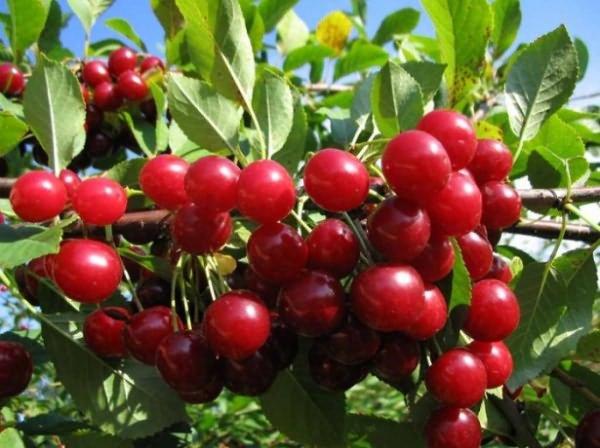
The self-fertile Mayak variety grows no more than two meters tall. This drought-resistant and winter-hardy variety easily tolerates prolonged frosts down to -35°C. In favorable years, a single bush can yield up to 15 kg of aromatic berries, each weighing 6 grams. The pits are small and easily separated from the pulp.
Ural Ruby
The self-sterile Ural Rubinovaya variety grows as a low bush with spreading branches, reaching no more than two meters in height. It is frost-resistant and easily tolerates temperatures down to -35°C. The tree is long-lived, growing for up to 30 years. It blooms with attractive white flowers in early June. The fruits ripen evenly in August. In favorable weather, a single bush can yield up to 7 kg of aromatic berries.
Bushy species
Low-growing shrubs grow up to two meters in height, tolerate drought, rarely suffer from fungal diseases, and are distinguished by good winter hardiness. Bush varieties are generally not fussy about soil but require good light.
The following varieties are found in garden plots in the Moscow region:
- Gnome;
- Fiery;
- Seliverstovskaya;
- Vole.
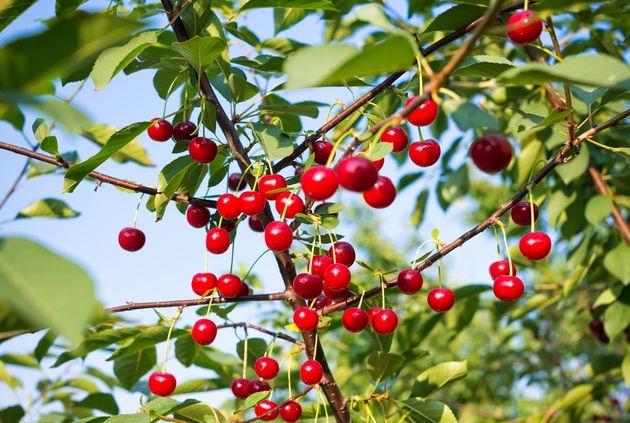
Bush cherries are much more sour than regular cherries.
Self-fertile and self-pollinating varieties
In limited space, when planting multiple bushes is impossible, self-fertile cherries offer the advantage of being self-fertile. They don't require external pollinators and even produce decent yields when planted alone.
The following varieties are widespread in the middle zone:
- Bryansk spank;
- Radonezh;
- Fad;
- Shy.
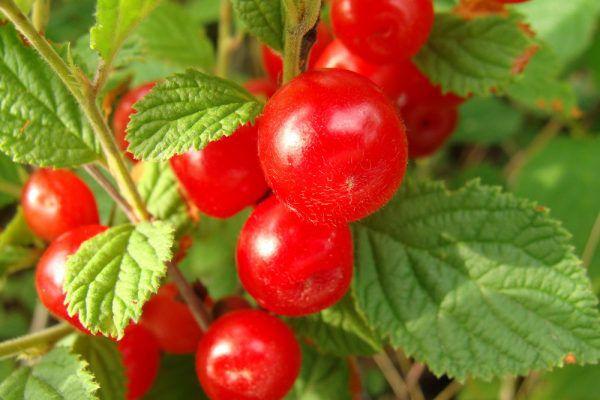
Most self-fertile varieties produce berries that have a sour taste and require processing.
Felt cherries
The self-sterile felt cherry grows no more than three meters tall. It easily withstands severe frosts and produces good harvests every year. A single felt cherry bush can easily yield up to 10 kg of delicious fruit.
Single berries ripen the following year after planting in open ground. Flowering occurs in May. After two months, the aromatic berries, weighing up to 5 grams, ripen.
The hard work of breeders, annually focused on developing new cherry varieties with improved characteristics, allows for high yields with the necessary berry flavor in temperate climates.
Related posts:
 Description and cultivation of the best varieties of felt cherry, planting and care
 Description and characteristics of 17 dwarf cherry varieties, planting and care
 Description of the 25 best cherry varieties for the Urals and Siberia, planting and care in open ground
 Description and pollinators of the Vladimirskaya cherry variety, planting and care
 Descriptions of the 20 best cherry varieties for the Moscow region, their planting and care
 Description and propagation of the Bessey cherry variety, planting and care rules
 What varieties of tomatoes are best to plant in a polycarbonate greenhouse?
 Description of the 20 best frost-resistant cherry varieties, planting and care