
- Advantages of winter-hardy varieties
- Characteristics and description
- In which regions is it recommended to plant?
- The best varieties of frost-resistant cherries
- Altai swallow
- Ashinskaya
- Crimson
- Biryusinka
- Cherry Beauty of the North
- Vyanok
- Volga dessert
- Lightning
- Dawn of the Volga Region
- Tray
- Lyubskaya
- Menzelinskaya
- Morozovka
- Mtsenskaya
- Novodvorskaya
- Ob
- Turgenevka
- Shpanka Shimskaya
- Annushka
- Student
- Droplet
- Specifics of planting and caring for frost-resistant cherries
Today, many frost-resistant cherry varieties are known, each with its own unique characteristics. They differ in flavor, ripening time, and tree size. This allows every gardener to choose the right variety. To achieve successful cultivation, it is recommended to provide high-quality care. This care should be comprehensive.
Advantages of winter-hardy varieties
The key advantage of such crops is their ability to withstand severe frosts. Other advantages depend on the particular variety. Many of them share the following characteristics:
- high yield;
- easy to care for;
- undemanding to soil composition.
Characteristics and description
The growing process for a plant depends directly on the variety. When purchasing a plant, it's recommended to consider the following characteristics:
- frost resistance;
- resistance to diseases and attacks by harmful insects;
- resistance to dry weather;
- ripening and planting time;
- yield parameters;
- need for lighting.
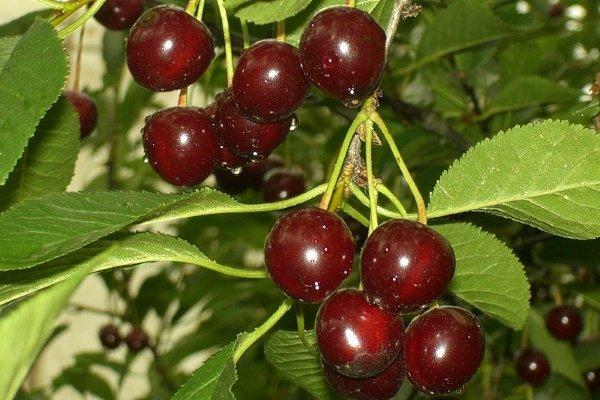
Experienced gardeners recommend choosing self-fertile varieties. These crops don't require pollinators. However, early-blooming varieties are suitable for growing in harsh climates. This allows for a harvest even during short summers. It's also worth planting early-ripening varieties.
In which regions is it recommended to plant?
Frost-resistant varieties can be planted in northern regions. This is possible in Siberia and the Far East. Cherries can also be grown in the Moscow region and the Northwest region.
The best varieties of frost-resistant cherries
To achieve success in growing the crop, it is recommended to choose the most frost-resistant varieties.
Altai swallow
This plant is a bush growing up to 1.5 meters tall. It has a dense, spreading crown. Regular pruning is required. Otherwise, the crown will become too dense, leading to reduced yields. The fruits ripen in late June and are known for their versatility.
Ashinskaya
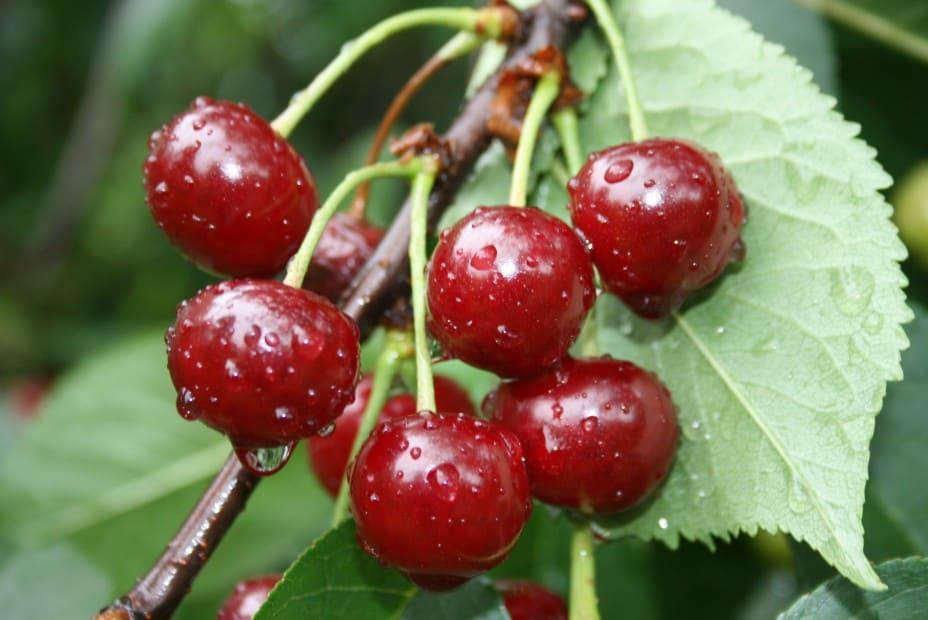
This is one of the best varieties for northern regions. It grows as a small bush, no more than 1.5 meters tall. The plant can withstand temperatures down to -55 degrees Celsius. It is characterized by high drought tolerance. The fruits are dark in color and contain firm flesh with a sweet and sour taste.
Crimson
This variety is suitable for cultivation in central Russia. It can withstand severe frosts and severe drought. It tolerates daily temperature fluctuations and many diseases.
Biryusinka
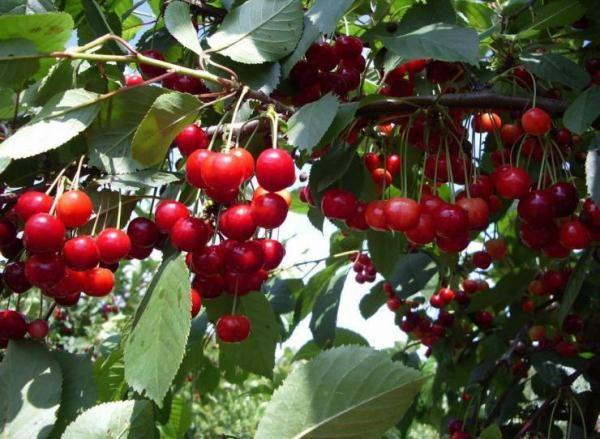
This shrub has spreading branches and a lush crown. The plant grows to a height of no more than 2 meters. It is characterized by dark green, oval-shaped leaves. During the season, the cherry tree produces 20 kilograms of fruit. This variety is highly winter-hardy and is virtually immune to infections and pests.

Cherry Beauty of the North
This cherry variety is very popular among gardeners. It is characterized by excellent yields and high frost resistance.
The culture has excellent taste and beautiful decorative qualities.
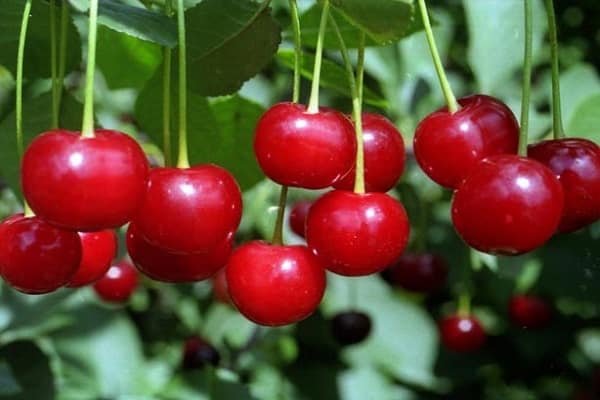
This variety's berries are characterized by their large size, averaging 8 grams. The pulp has a refreshing dessert flavor. The fruits ripen fairly early, and harvesting can begin as early as the first half of July.
Vyanok
This plant grows up to 3 meters tall and has a slightly upright crown. It is characterized by a pyramidal shape. Ripe berries are burgundy in color and have smooth skin. The flesh has a soft consistency and a slightly tart flavor. With proper care, this cherry tree can yield up to 20 kilograms of fruit.
Volga dessert
This crop is recommended for cultivation in the Middle Volga region. It is highly frost-resistant and suitable for cultivation in Siberia. Small trees produce fruit in their fourth year. The variety is considered self-fertile.
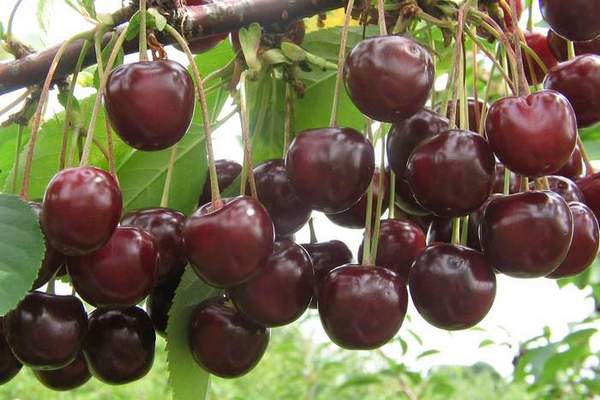
Lightning
This variety thrives in cold regions. It is virtually frost-resistant and easily tolerates spring temperature drops. Fruiting begins 2-3 years after planting in a permanent location. The fruits are small, weighing no more than 2 grams. The berries have a juicy and sweet flavor, making them often used in jams and desserts.
Dawn of the Volga Region
This cherry tree is characterized by a wide crown. Fruit appears four years after planting. Harvesting begins in early July. The fruits are large, weighing 4.2 grams. The skin is dark red. The flesh is deep burgundy and very juicy. The pit is easily separated.
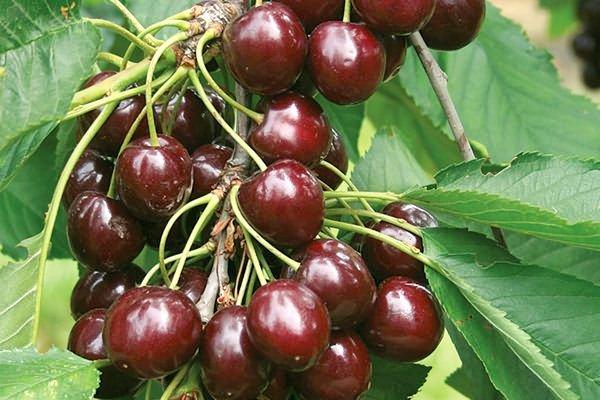
Tray
This late-ripening, self-fertile variety boasts excellent frost resistance. The tree is resistant to gray mold. It produces delicious fruit that stays on the tree for a long time without falling off. The berries reach 4-4.8 grams and have a sweet and sour taste.
Lyubskaya
This crop easily tolerates winter frosts and summer drought. It doesn't require regular maintenance. Even infrequent soil moisture doesn't affect yield. The tree is considered self-fertile, so it doesn't need pollinators. A drawback is its weak immune system, which leads to frequent disease.
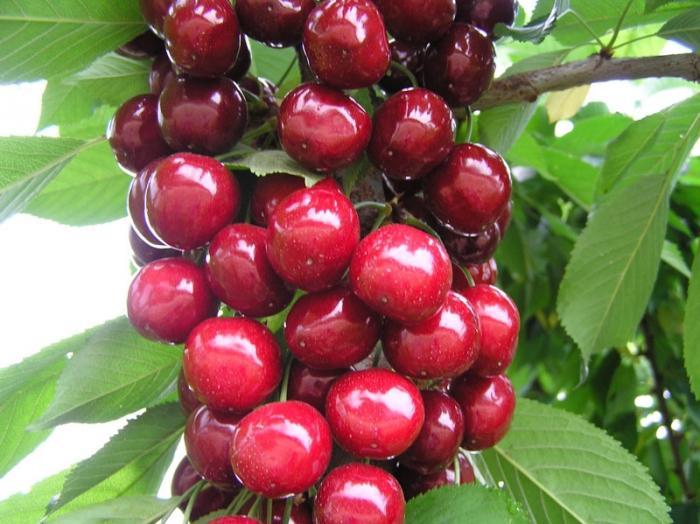
The first harvest occurs in the first half of August. The berries are large and easily withstand long-term storage and transportation. The plant should be grown exclusively in light soil.
Menzelinskaya
This crop tolerates frosts slightly less well than other varieties. However, its winter hardiness is above average. The plant easily tolerates drought and is characterized by high resistance to fungal infections.
This variety is considered a self-fertile shrub that reaches 2.5 meters in height. It is characterized by a wide, spreading crown.
The fruits are round and dark pink. They weigh 3 grams and have a sweet and sour taste. The pit is small and easy to remove. The yield is average. Even a mature plant can yield a maximum of 12 kilograms of fruit.
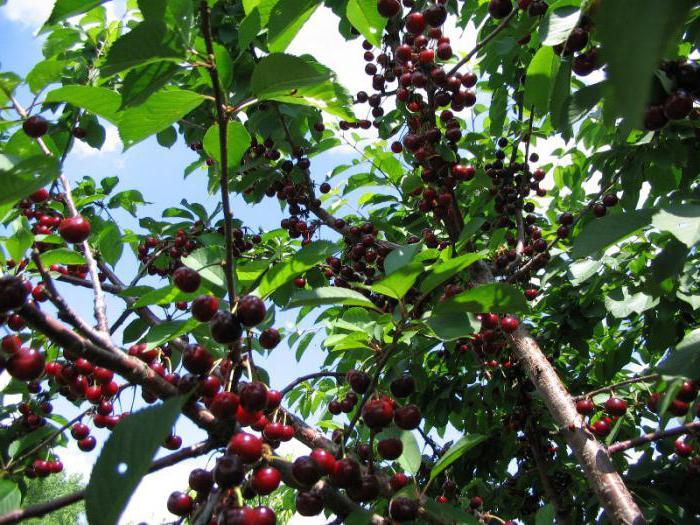
Morozovka
This variety boasts many positive qualities. It has a strong immune system and is frost-resistant. The plant bears fruit early, producing juicy, sweet berries. The berries can be used for juice and preserves. They are also eaten fresh. The fruits ripen in July and are easy to transport.
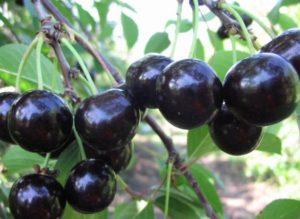
Mtsenskaya
This tree rarely exceeds 2 meters in height. It is characterized by an oval crown. The fruits weigh 4 grams and have a dark burgundy skin. Processing is generally recommended.
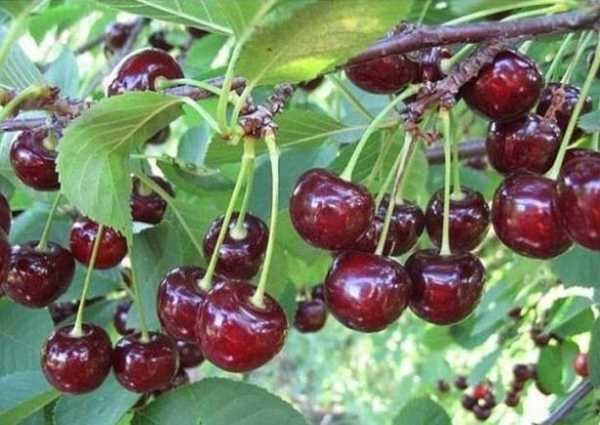
These trees are highly resistant to frost and drought. They are also resistant to many diseases. They are also attractive in appearance, making them popular in landscape design.
Novodvorskaya
This cultivar is a self-fertile hybrid that grows up to 2.5 meters. The crown is rounded. The leaves are dark green. Flowering begins in May and is moderately abundant. After flowering, large, dark-red fruits appear on the tree. They weigh up to 5 grams.
Beneath the tough skin lies dense flesh with a small, easily separated pit. The fruit has a characteristic tart flavor. It is most often used for culinary purposes.
The plant is characterized by average yields. A mature tree can yield up to 15 kilograms of fruit. In addition to excellent frost resistance, this cherry variety is highly resistant to fungal infections.
Ob
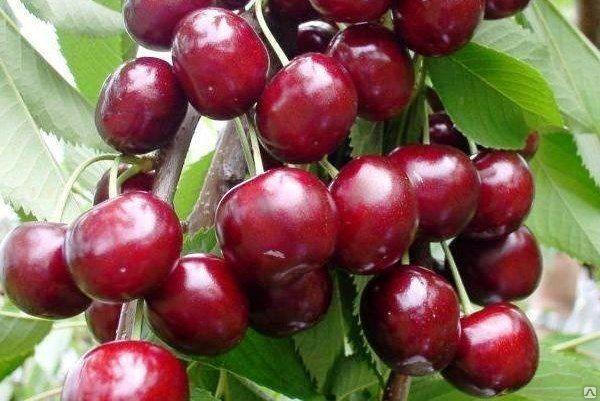
This is a low-growing plant, reaching a height of 130 centimeters. It bears fruit on one-year-old growth. The cultivar produces small, dark-red fruits with a delicious flavor. The berries ripen in mid-July.
This cherry variety easily tolerates severe frosts and drought. However, it often suffers from pest attacks. It is considered self-fertile, so pollination is not required.
Turgenevka
The plant grows up to 3 meters tall. It produces large, heart-shaped berries weighing up to 6.5 grams. The skin is dark red and has a sweet and sour taste. The first harvest occurs 5-6 years after planting. The fruits fully ripen in the first half of July.
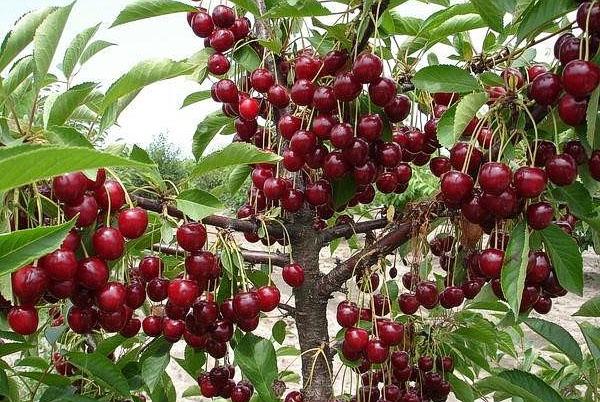
This cherry variety tolerates winter frosts well. However, there is a risk of plant death if frost returns. The crop is highly disease-resistant but requires pollination. This variety boasts high, consistent yields.
Shpanka Shimskaya
This plant reaches 3-4 meters in height. It can withstand significant temperature drops, making it often planted in cold climates. The fruits have a sweet and sour taste and are large.
Annushka
This is a winter-hardy, medium-sized variety. It produces large berries, up to 5 grams in weight. They are round and dark red in color. The fruit has a pleasant sweet and sour flavor. The harvest is easy to transport. The fruit can be harvested in late June or early July.
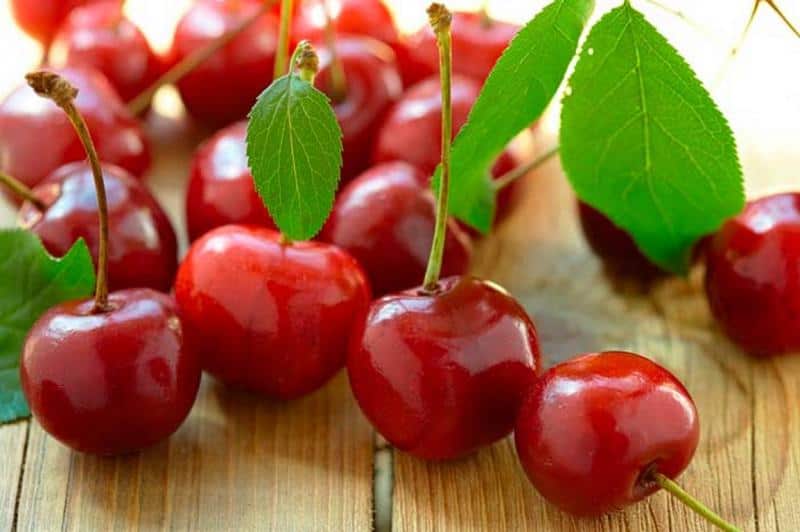
Self-fertility is considered the variety's key advantage. However, experienced gardeners recommend planting cherry trees nearby. This will help increase yields.
Student
The cultivar is characterized by an inverted pyramidal shape. Its key advantage is its high yield. The plant is prized for its frost resistance. It begins producing fruit quickly, and the berries have an excellent flavor.
The plant produces large fruits, weighing up to 4 grams. The berries are characterized by a rich burgundy hue.
The fruits are easy to transport and retain their marketable appearance. The plant produces fruit well after three years of outdoor cultivation. Harvesting begins in the second half of July.
Take a look Also
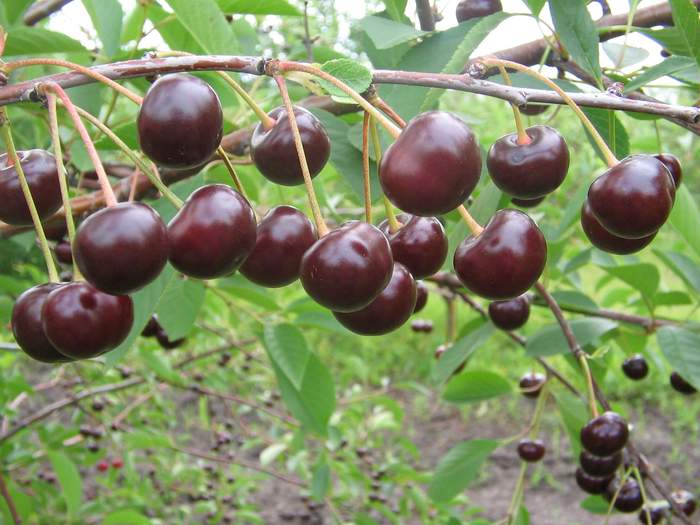
The plant's main drawback is self-sterility. Therefore, it is recommended to plant pollinators nearby. Suitable varieties include Zhukovskaya, Vladimirskaya, and Turgenevka.
Droplet
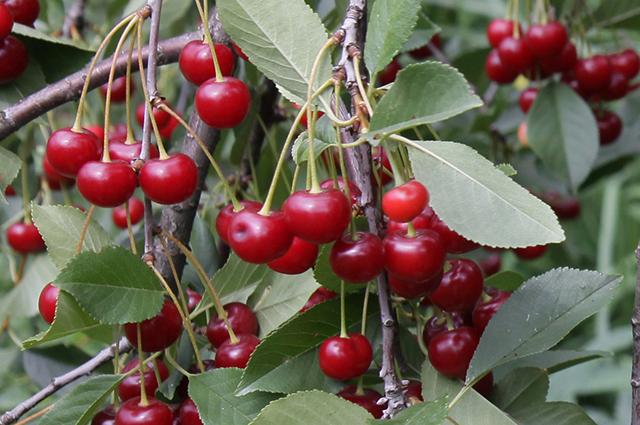
This self-fertile cherry tree grows to a height of 3-4 meters. The fruit is medium-sized and weighs 4 grams. The berries have received an average tasting score, being juicy and sweet.
The plant's advantages include high yields, sometimes reaching 100 kilograms. The variety also boasts excellent resistance to fungal infections.
Specifics of planting and caring for frost-resistant cherries
Even inexperienced gardeners can grow frost-hardy cherry varieties. Planting is recommended in the spring. If planted in the fall, the tree won't have time to adapt to the new environment and won't survive severe frosts.
It's best to plant the plant in light soil. It's recommended to prepare the mixture yourself. For this, we recommend combining humus, coarse river sand, turf, and well-rotted compost.
It's recommended to use ingredients in equal proportions. It's also helpful to add a few handfuls of wood ash to the mixture. After planting, mulch the soil with bark, straw, sawdust, or pine needles.
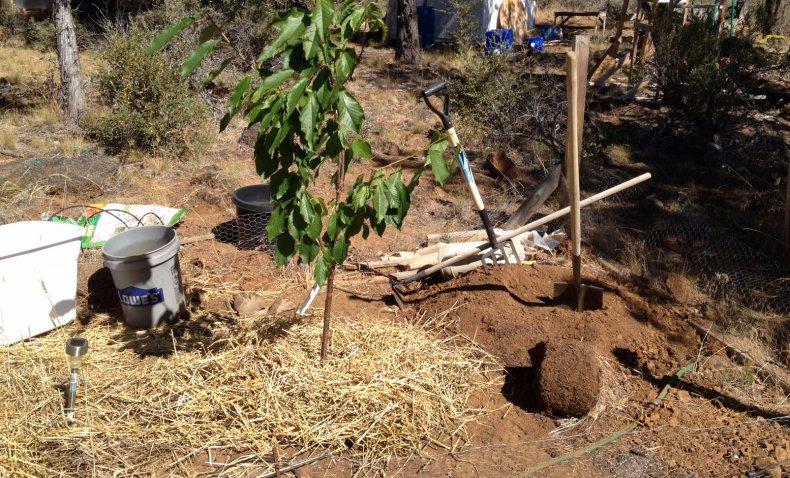
To ensure a bountiful harvest, proper cherry care is recommended. This includes the following procedures:
- Watering. Use warm water for this. Moisten the soil only in hot and dry weather.
- Loosening. When performing this procedure, it's important to remove weeds, which rob the soil of nutrients.
- Fertilization. Fertilization is recommended for mature crops that are producing a harvest. For this purpose, use mineral and organic fertilizers.
- Disease control. In this case, chemical treatments are recommended.
There are many frost-hardy cherry varieties, each with its own unique characteristics. To ensure successful cultivation, it's recommended to provide high-quality care.
Related posts:
 The best grape varieties for growing in the Urals, planting and care rules in summer
 Descriptions of the 20 best cherry varieties for the Moscow region, their planting and care
 80 Best Eggplant Varieties for Different Regions with Descriptions and Characteristics
 Description and characteristics of the 27 best plum varieties for the Urals, planting and care
 Description and cultivation of the 15 best cherry plum varieties for the Moscow region, planting and care rules
 Description of 30 varieties and types of Muscat grapes, planting, cultivation and care
 Description and characteristics of the 60 best sea buckthorn varieties, how to choose depending on the region
 Description and characteristics of the 45 best types of peaches, growing rules