
- Why is the cherry tree sick?
- Factors affecting susceptibility to disease
- Main tree diseases: symptoms and treatment methods
- Moniliosis
- Pocket disease
- Coccomycosis
- Clusterosporiasis
- Felt crop pests and methods of pest control
- Plum codling moth
- Plum mite
- Aphid
- Leaf roller
- Grape mite
- Preventive measures
- Seasonal treatments
- Compliance with agricultural practices
- Selecting resistant varieties
Even such a resilient garden crop as the felt cherry can become diseased, and diseases and treatment are among the concerns of gardeners. Most often, the shrub is attacked by fungi. An infected plant looks unnatural, leaves become spotted, begin to dry out and fall off in early summer, and the fruit rots right on the branches. Preventative measures help manage these diseases.
Why is the cherry tree sick?
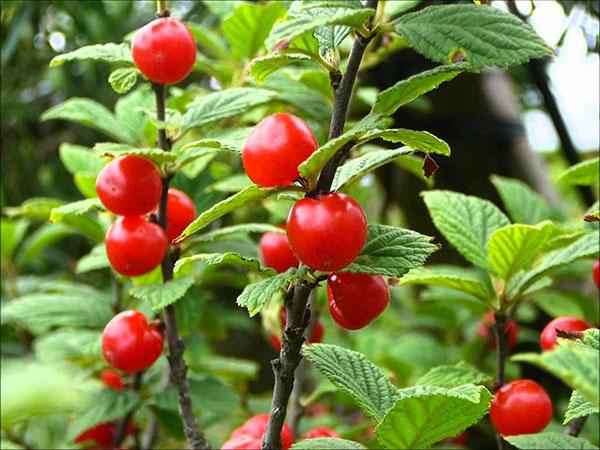
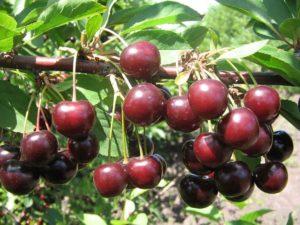
The felt cherry is a tall, spreading shrub native to China, Mongolia, and Korea. Its berries, like cherries, are burgundy, sweet, and slightly tart. The leaves are wrinkled and pubescent underneath, resembling coarse velvet. This plant is also known as the Chinese cherry. However, the shrub belongs to the Prunus genus.
Felt cherry cannot be crossed with true cherries. However, this crop is genetically compatible with plums, apricots, and cherry plums. It is grown as an ornamental plant and for its edible berries, which do not fall from the branches and remain until the following spring.
Felt cherry is undemanding to soil and care, and tolerates severe frosts and prolonged droughts well.
However, in rainy and cool summers, the plant may become susceptible to disease. Susceptibility to fungi and viruses is facilitated by the plant's weak immunity, caused by poor care and nutrient deficiencies in the soil.
Factors affecting susceptibility to disease
Felt cherry will remain disease-free if cared for regularly: water during dry periods, insulate before winter, keep the area around the trunk clean, and prune branches that crowd the crown. Organic and mineral fertilizers also have a positive effect on the shrub's health.
Factors causing diseases of felt cherry:
- unfavorable weather conditions (rain, cold, drought);
- sudden changes in temperature;
- damage to branches and bark of the bush;
- no trimmings;
- improper plant care;
- lack of nutrients in the soil;
- tree trunk circle littered with fallen leaves and weeds;
- lack of preventive measures against diseases and pests.
Treating a diseased felt cherry can be difficult. First, remove all affected leaves, flowers, and fruit from the bush and burn them outside the garden. To prevent disease, several preventative measures are necessary. In the spring, the trunk and lower branches should be whitewashed with lime, and the area around the tree should be watered with Bordeaux mixture or copper sulfate. In the summer, spraying the foliage with fungicides several times is recommended.

Main tree diseases: symptoms and treatment methods
To reduce the risk of fungal or viral infections in felt cherry trees, preventative measures should be taken promptly. It's important to recognize the signs of common diseases to choose the right treatment.
Moniliosis
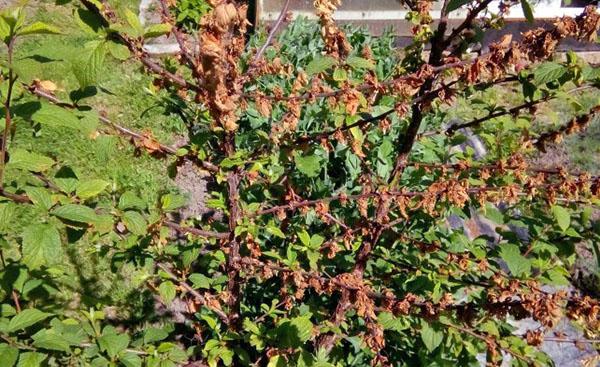
This is a fungal disease common to plum trees. If one plant in a garden is infected, neighboring trees and shrubs will soon become infected. The disease progresses very quickly in warm and humid weather. Treatment depends on the stage of the affected shrub. The sooner the disease is detected, the greater the chance of saving the cherry tree.
The main symptoms of moniliosis:
- cracks in the bark, gum flow;
- the leaves turn brown, dry out, and look sunburnt;
- flowers turn copper-brown, wither, dry up and fall off;
- thin branches look burnt;
- Brown rotten spots appear on the fruits, the berries mummify, remaining on the branches.
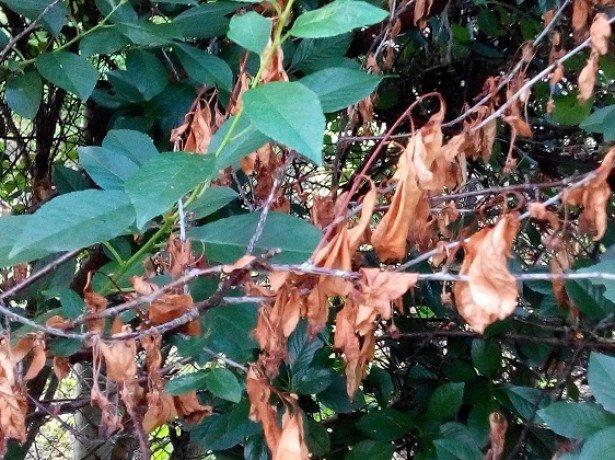
The first symptoms of this fungal disease can be noticed as early as late spring. It appears as if the tree has been damaged by a spring frost or daytime heat. However, the wilting and drying of the felt cherry is actually caused by a fungal disease. To prevent the disease, treat the shrub with Bordeaux mixture in the spring. In summer, the foliage can be sprayed with a urea solution or a fungicide (Fundazol, Abiga-Peak, Gamair, Cuproxat, Nitrofen). Cherry trees should be treated before or after flowering.
Pocket disease
This disease is caused by the fungus Taphrina. Infected shrubs develop unusual fruit buds. After flowering, elongated, greenish pod-like sacs form where the cherry blossoms once were. These sacs contain no pits. Fungal spores mature within these sacs.
These pockets then dry out and burst, and the infection is spread by the wind throughout the garden.
The disease appears in dense plantings where the shrub's branches have not been pruned for a long time. Wet and warm weather favors its development. The fungus most often attacks shrubs growing in the shade. If the felt cherry is planted in a sunny, dry area, the fungal spores have a lower chance of establishing themselves on the tree.
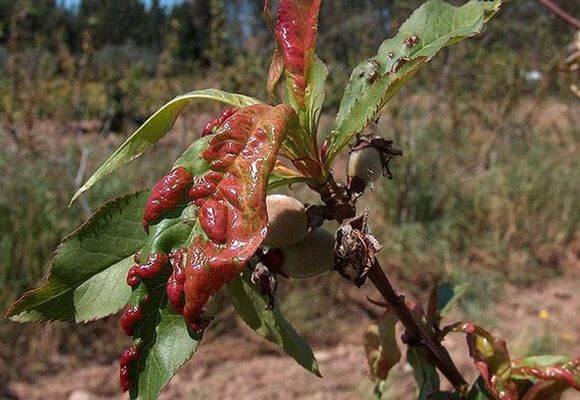
If signs of disease are detected, all diseased fruits should be picked and destroyed. To prevent disease, treat the bush with copper sulfate or Bordeaux mixture in early spring. In summer, spray the foliage with fungicides (Fundazol, Topaz).
Coccomycosis
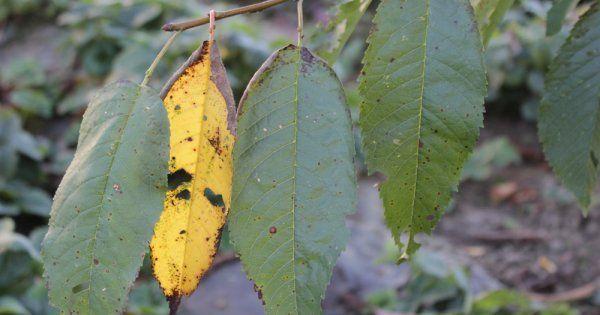
A fungal disease that primarily affects the leaves of the felt cherry. The fungus thrives in fallen leaves. The disease progresses in cool, damp weather. Small reddish spots appear on the leaves. These then enlarge, merge, and darken. A pinkish bloom develops on the affected leaf blades. The leaves turn brown and dry out, developing holes.
As a preventative measure, it is recommended to remove all fallen leaves in the fall, and in the spring, the shrub can be treated with Bordeaux mixture. In the summer, the foliage is sprayed with a fungicide solution (Abiga-Peak, Topaz, Skor, Horus).
Clusterosporiasis
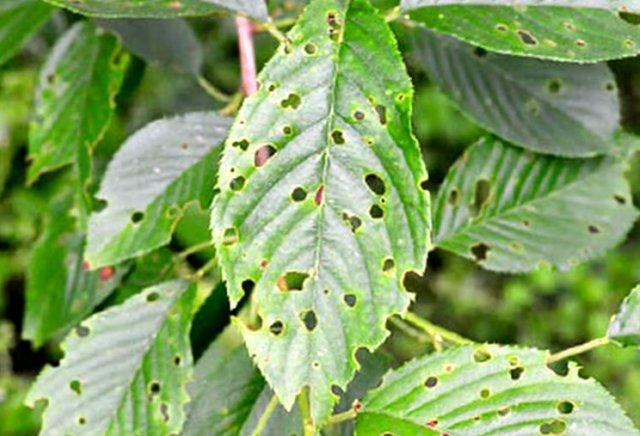
A fungal disease. The fungus lives in plant debris and wood. The infection is activated in warm and humid weather. Initially, reddish or purple spots appear on the affected leaves. They then turn light brown. The central portion of the spots falls out. The leaves appear as if shot through with pellets: the leaf blades are riddled with holes. The infection attacks the branches, causing gum to leak from them. Affected cherry trees' blossoms fall off without producing fruit.
Brownish bumps appear on the fruits, which subsequently fall off, forming holes in the berries.
If symptoms of infection are detected, all affected leaves and fruits should be removed. To prevent the disease from progressing, spray the shrub with Bordeaux mixture. Treat the foliage with fungicides (Cuproxat, Abiga-Peak).
Felt crop pests and methods of pest control
In dry and hot weather, felt cherry is susceptible to attacks by insects, which damage the shrub and berries. Traps, spraying with folk remedies, and insecticides can help control beetles and caterpillars. Insects can be collected by hand and burned outside the garden.
Plum codling moth
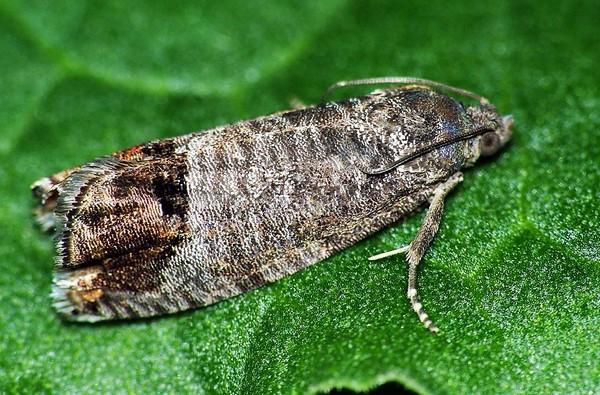
This is an inconspicuous butterfly with grayish-brown wings. The insects appear in mid-summer. The butterflies lay greenish eggs on cherry tree leaves. These hatch into dirty-white or pinkish caterpillars, 15 millimeters long. They feed on the cherry pulp, boring tunnels into the fruit and leaving excrement. The biological products Fitoverm and Iskra Bio protect against the codling moth. In case of severe infestation, the bush is sprayed with chemicals (Karbofos, Inta-Vir, Lepidocide).
Plum mite
A tiny, light-yellow insect that lives on the underside of leaves and spins a web. Mites feed on plant sap. Their activity is indicated by small whitish spots on the leaves. Spraying with the following products can help control mites: Fitoverm, Fufanon, Iskra M, and Ditox.
Aphid
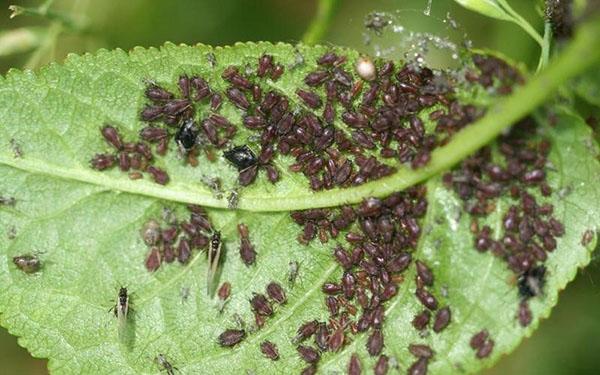
A tiny greenish or dark-colored insect, aphids form numerous colonies on the tips of shoots and on the undersides of leaves. They feed on plant sap. Spraying with soap-ash solutions and infusions of garlic, tobacco, and tomato tops helps control aphids. Insecticides such as Komandor, Actellic, and Iskra are used.
Leaf roller
This is a butterfly with brown, patterned wings that lays eggs on the leaves of the felt cherry tree. The greenish caterpillars, which feed on leaves, buds, and fruits, are particularly dangerous. This insect gets its name from its ability to twist leaves into tubes, weaving them with a web. Insecticide sprays (Fitoverm, Dimilin, Ditox, Calypso, Fastak) protect against leaf rollers.
Grape mite
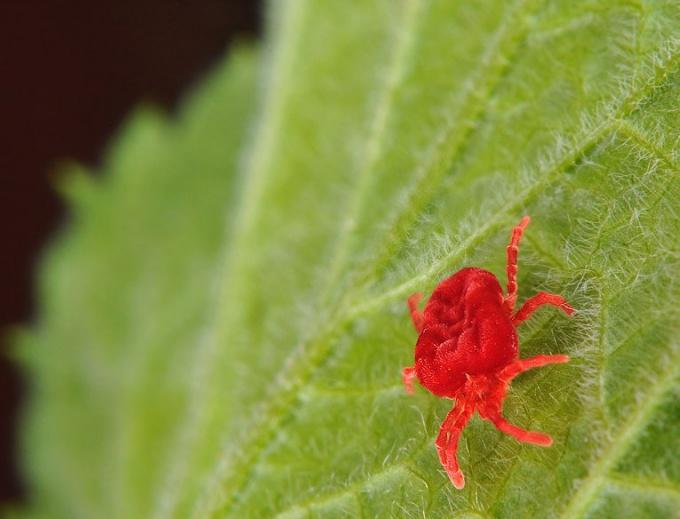
A tiny, yellowish insect resembling a worm, the mite is difficult to spot with the naked eye. It feeds on plant sap. Dark bumps on the leaves indicate mite activity. Photosynthesis in the affected areas is impaired, causing the leaves to dry out and fall off.
Spraying with colloidal sulfur and Dnok can help control mites. Effective insecticides include Fufanon, Actellic, Grom, and Karbofos.
Preventive measures
Preventative measures will help protect felt cherry trees from diseases and insects. After all, as we know, it's easier to prevent a problem than to find solutions later.
Seasonal treatments
Preventive measures depending on the season:
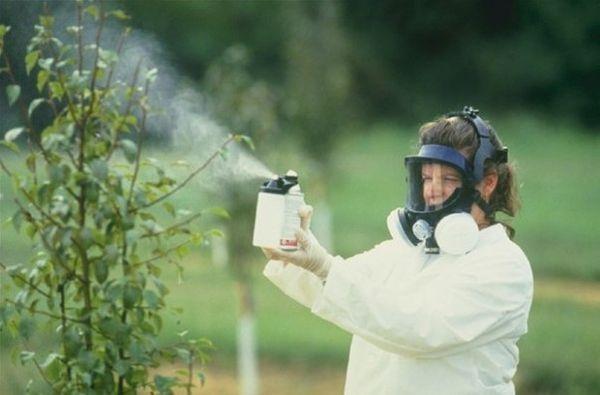
- In the spring. In the spring, the shrub should be whitewashed with lime or Bordeaux mixture, and the root zone should be watered with a solution of copper sulfate or a fungicide (Fundazol, Skor, Topaz).
- In summer. In early June, green foliage can be sprayed with a folk remedy (infusion of garlic, tobacco, and ash), fungicides (Nitrofen, Gamair, Fundazol), and insecticides (Fitoverm, Actellic, Karbofos).
- In the fall. After the leaves have fallen, the shrub's trunk should be whitewashed again, and the soil should be watered with Bordeaux mixture or a copper sulfate solution.
Compliance with agricultural practices
Proper shrub care can help prevent infections and insect attacks. After leaf fall, remove all fallen leaves and rotten fruit from the area around the trunk. Prune diseased and broken branches in the fall. In the spring, be sure to thin out the crown. Fertilize the shrub regularly to ensure it receives all the nutrients it needs for growth and development.
Selecting resistant varieties
Some felt cherry varieties have a more robust immune system. You can plant shrubs in your garden that are less susceptible to fungal diseases and insect attacks. Resilient felt cherry varieties include: 'Children' (resistant to codling moth), 'Utro' (rarely affected by codling moths), and 'Alisa' (not susceptible to clasterosporium).
Related posts:
 Description and propagation of the Bessey cherry variety, planting and care rules
 Description and cultivation of the best varieties of felt cherry, planting and care
 Description and pollinators of the Vladimirskaya cherry variety, planting and care
 Description of the 20 best varieties and types of barberry, planting and care rules
 Description and characteristics of the 30 best hazelnut varieties, cultivation
 Description and varieties of cherry variety Shpanka, planting and care
 Description and characteristics of the miracle cherry hybrid, planting and care of the variety
 Types and descriptions of cherry diseases, treatment methods and pest control