
- History of the hybrid's origin
- The best varieties
- For Siberia and the Urals
- For the Moscow region and central Russia
- For southern regions
- Duke's Features: Pros and Cons
- Appearance and characteristics
- Annual growth and life expectancy
- Description of the harvest
- Pollinator varieties
- What are the benefits of cherries?
- Planting a crop
- Selecting a seedling
- Preparing the site and planting hole
- Timing and technology of planting
- Rules for caring for dukes
- Watering frequency
- The need for digging and mulching
- Pruning and crown shaping
- Top dressing
- Diseases and pests
- Preparing for winter
A cherry-sweet cherry hybrid known as the Miracle Cherry is distinguished by its greater frost resistance, early fruiting, and large, sweet berries. The tree can grow in any soil, but with proper care and timely fertilization, it produces a stable harvest. In northern latitudes, the Miracle Cherry requires insulation before wintering. In southern climates, the tree requires periodic watering during dry and hot weather.
History of the hybrid's origin
The Miracle Cherry is a hybrid cultivar developed by Ukrainian botanist Lilia Taranenko at the Donetsk Research Horticultural Station in 1980. This cherry-cherry tree is best grown in regions with a warm climate. The hybrid was obtained by crossing Griot of Ostheim cherries With cherry Valery ChkalovIn the USSR, the first hybrid crop, Krasa Severa, was developed by Ivan Michurin. Over the past 100 years, botanists have continually crossed cherries with sweet cherries.
The result of this selection is called a Duke cherry. The first such hybrids appeared in England as early as the 17th century. The name comes from the phrase "May Duke." This hybrid combines the best qualities of both cherries, blooms in May, and begins bearing fruit in the third season.
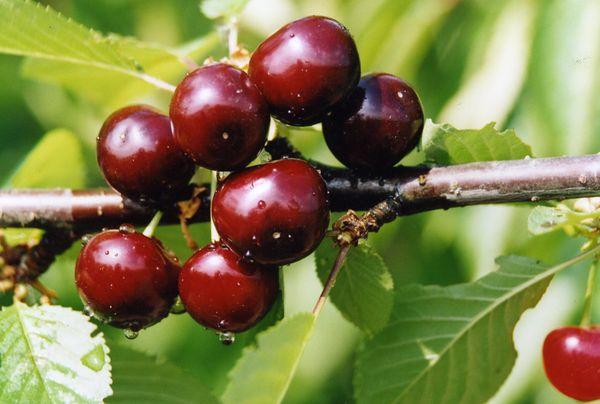
The tree's appearance resembles that of a cherry tree. It has thick branches, large leaves, large buds, and large, sweet, flat-round berries. The branching pattern of a young tree is also similar to that of a cherry tree: the branches grow at an acute angle, giving the crown the appearance of a narrow pyramid..
This variety inherits many beneficial qualities from the cherry tree. For example, it has average frost resistance, drought tolerance, a more restrained growth habit, and a strong anchor in the soil. Furthermore, the fruits of this hybrid cherry resemble large cherries and have a cherry aroma.
The best varieties
A huge number of hybrids have been developed by crossing cherries and sweet cherries. The new Duke cherries possess a number of beneficial qualities: compared to sweet cherries, they are more frost-resistant, but their berries are sweeter than those of the sweet cherry. Sweet cherries can be grown in a variety of climates.
For Siberia and the Urals
In regions with long, frosty winters, it is recommended to grow frost-resistant hybrids. The best Duke varieties for Siberia and the Urals include: Krasa Severa, Spartanka, Kormilitsa, and Dorodnaya.
For the Moscow region and central Russia
In central Russia, winter lasts three months, and temperatures sometimes drop below 20 degrees Celsius. Hybrids suitable for growing in this region include Rubinovka, Saratovskaya Malyshka, Shpanka Donetskaya, Nochka, Dorodnaya, Kormilitsa, Melitopolskaya Radoshka, and Prevoskhodnaya Venyaminova.
For southern regions
In warm climates, any Duke variety is grown: Donetsk Giant, Yaroslavny's Daughter, Nochka, Krepkaya, Khodosa, and Ivanovna. Chudo-Vishnya is a popular hybrid grown in southern latitudes.
Duke's Features: Pros and Cons
In appearance, 1-2 year-old seedlings resemble cherries. As they mature, the tree displays characteristics of both cherries and cherries.
Positive qualities of hybrid cherry:
- early fruiting;
- sweet large berries;
- resistance to diseases and low temperatures.
Disadvantages of growing the hybrid Miracle Cherry:
- the need for pollinator trees;
- average frost resistance;
- the need for crown formation.
Appearance and characteristics
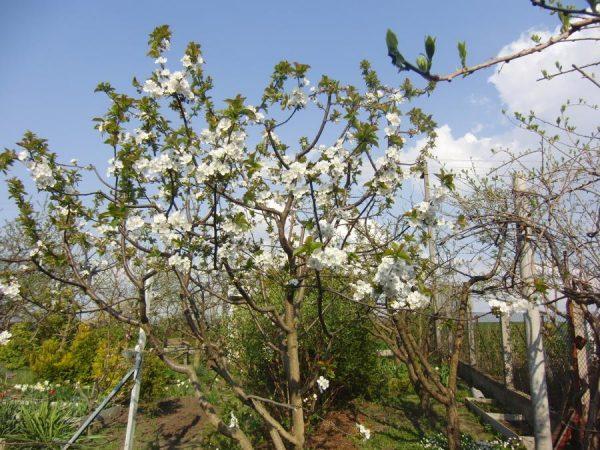
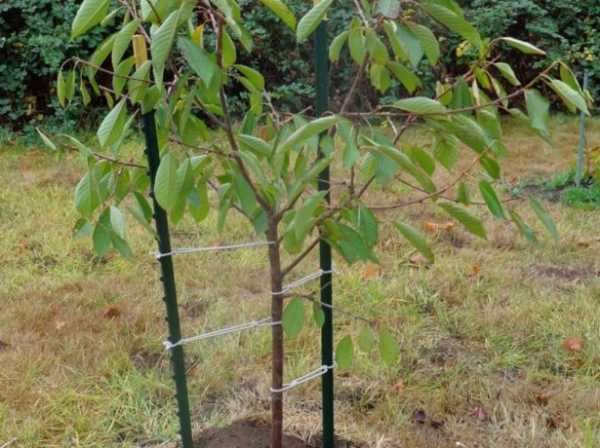
The Miracle Cherry tree typically grows up to 3 meters in height. Its crown is pyramidal when young, later becoming spreading and broad, like that of a cherry tree. The branches are smooth, thick, and straight, with a brownish bark. Large buds form at the base of year-old growth and on the branchlets.
The leaves are large, dark green, elongated-oval, with a pointed tip and a double-serrated edge. Large white or soft pink flowers on short stalks are collected in inflorescences.
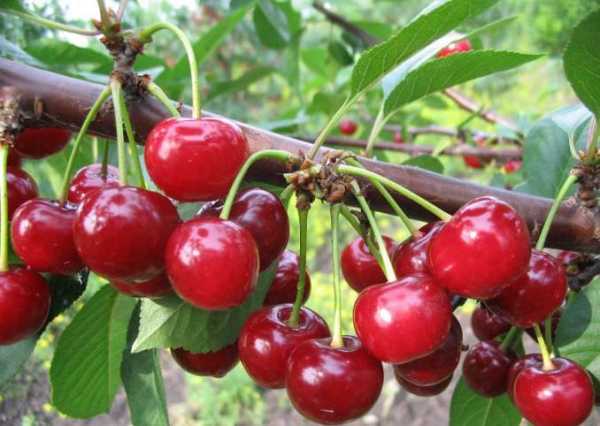
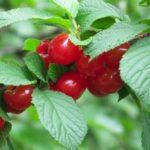
Each cluster contains 5-7 cherries. The flowers bloom in May, and the berries can be harvested in June. Hybrid cherry berries are large, weighing 8-10 grams, and dark red. The pit is small and separates easily from the flesh. Hybrid cherry berries are sweet and juicy.
Annual growth and life expectancy
Before fruiting, the hybrid Miracle Cherry tree grows very quickly. Annual growth is 25-50 centimeters. The tree's maximum height is 5-6 meters. During the fruiting season, growth slows. The tree lives for 15-25 years.
Description of the harvest
Flower buds on the hybrid Miracle Cherry begin to form in the second season after planting. This means a small harvest of sweet berries can be obtained in the second or third year. The hybrid blooms in May, and a month later, cherry-like fruits ripen on the tree. Peak yield occurs between 7 and 10 years of age.
The berries are large, dark cherry-colored, round, and slightly flat on the sides, weighing 9-10 grams each. The flesh is sweet and juicy. A single mature tree of the hybrid Miracle Cherry can yield 10-16 kilograms of fruit.
Pollinator varieties
A distinctive feature of this duke is self-sterility. Only cherry trees are suitable as pollinators for the hybrid Chudo-Vishnya. This hybrid may not accept pollen from cherry blossoms or other dukes. The following cherry varieties are considered the best pollinators for Chudo-Vishnya: Annushka, Donchanka, Sestrenka, and Priusadebnaya. The flowers are pollinated by insects.
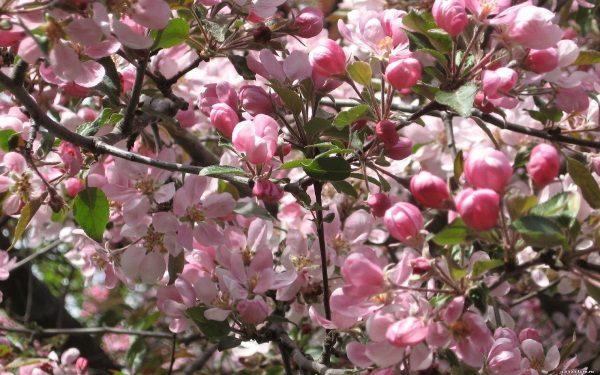
It's important to remember not to spray plants with chemical insecticides or fungicides during the flowering period. These products can kill pollinating insects and reduce the quality of pollen.
What are the benefits of cherries?
The fruits of the hybrid Miracle Cherry are rich in vitamins (A, E, PP, C, B) and trace elements. The berry juice strengthens the cardiovascular system: it prevents blood clots, normalizes blood pressure, and improves the elasticity of blood vessel walls. Eating cherries boosts immunity, improves gastrointestinal function, and soothes the nerves.

Planting a crop
Sweet cherries can be grown in all regions of Russia. When choosing a Duke cherries for planting, consider their frost resistance and the winter temperatures of your specific location.

Selecting a seedling
Before planting, purchase a 1-2 year-old cultivar seedling from a nursery. The young tree should have a healthy root system. Root health can be determined by the white color of the cut surface. The trunk of the Miracle Cherry should be straight and even, undamaged, 60 centimeters long, with branches shortened by a third. Before planting, soak the rhizome of the hybrid cherry seedling in a Kornevin solution for 23 hours.
Preparing the site and planting hole
Sweet cherry trees thrive in neutral or slightly acidic, loamy or sandy loam soil. The planting site should be sunny and well-protected from the wind. The hybrid thrives in light, fertile soil. It is drought-resistant and does not tolerate a water table that is too close to the surface. It is not recommended to plant the tree in low-lying areas where moisture will accumulate.
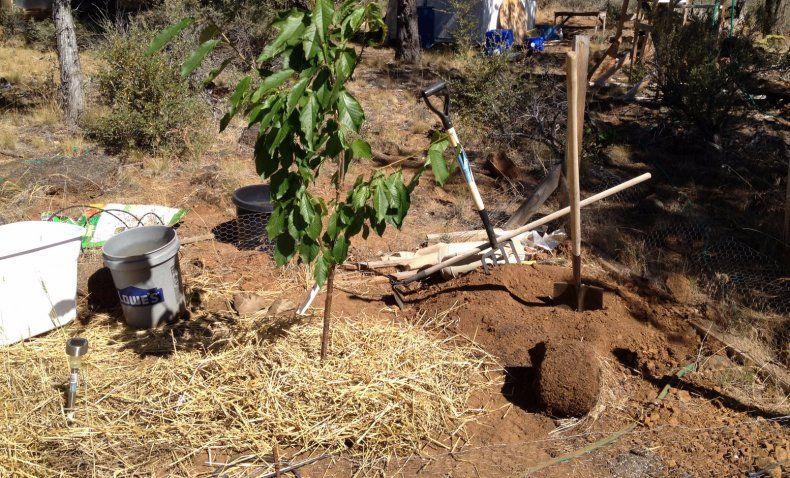
Two to four weeks before planting, dig a hole 65 centimeters deep and 75 centimeters wide. Leave a distance of 3-5 meters from the neighboring tree. If the soil is very acidic, add a little lime. Clayey and poor soil is amended with peat, sand, and humus (1 bucket). Add 50 grams each of superphosphate and potassium sulfate, and 320 grams of wood ash.
Timing and technology of planting
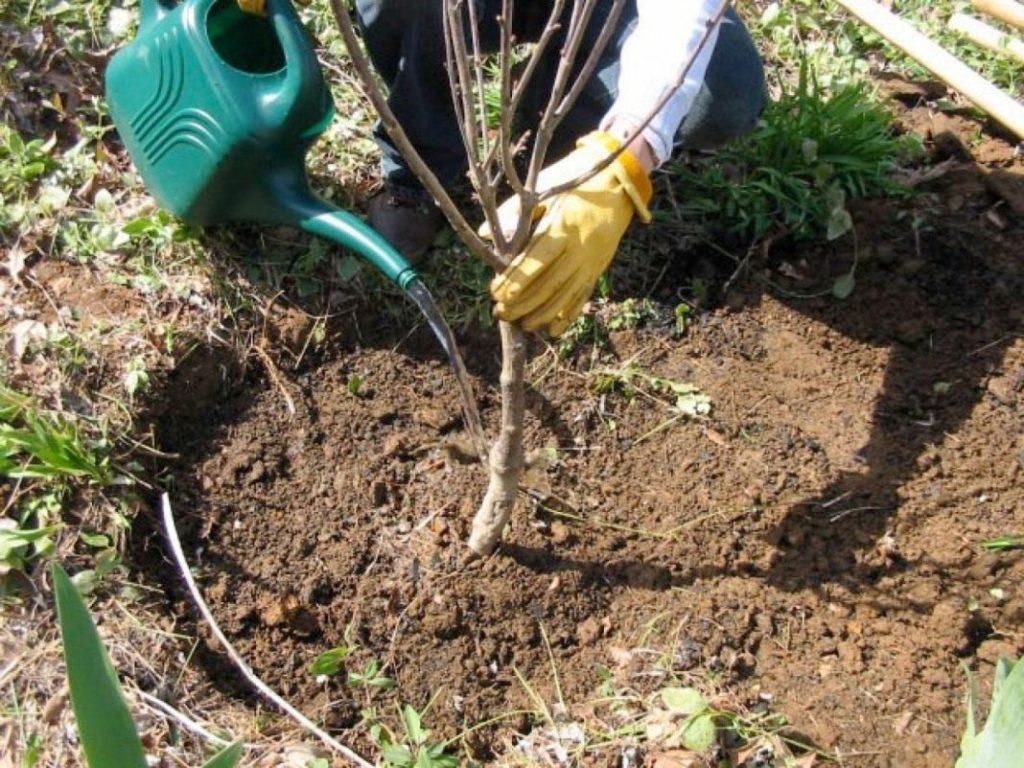
It's best to plant seedlings in early spring, before the buds open. Fall planting of the Miracle Cherry is recommended for regions with mild winters. A mound of fertile soil is added to the hole. Then, the Miracle Cherry seedling is placed in the hole, the roots are spread out, and the remaining soil is added. The root collar of the cherry tree should be above ground. Lightly compact the soil around the tree, and two buckets of water are poured under the roots.
Rules for caring for dukes
To ensure a consistent annual harvest of berries, the tree requires regular care. The Miracle Cherry is an easy-to-grow tree that requires minimal attention.
Watering frequency
During the first month after planting, young Miracle Cherry seedlings need to be watered weekly. One to two buckets of water should be poured under each tree. Mature trees should be watered only in dry and hot weather. Use soft, settled water. Miracle Cherries should be watered in the spring, during flowering, and in early summer, when fruit set. Two to three buckets of water should be poured under each mature tree. Watering should be done once a week.
The need for digging and mulching
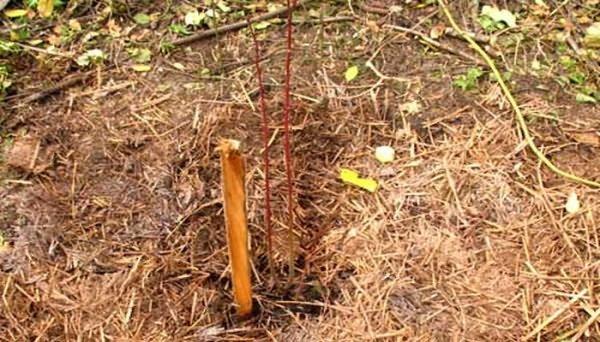
After watering, the area around the Miracle Cherry tree's trunk should be dug over to remove any crust and allow the soil to oxygenate. Weeds should be removed. The soil around the tree can be mulched with sawdust to protect the roots from overheating and reduce moisture evaporation.
Pruning and crown shaping
The first pruning is done after planting a young sapling. Its branches and central apex are shortened by a third. In the second year, lateral shoots are trimmed back by a couple of centimeters. In subsequent years, 5-7 skeletal branches are left, and excess shoots are trimmed to prevent the crown from becoming too dense.
The cuts are immediately treated with a copper sulfate solution and coated with garden pitch. In the fall, after the leaves have fallen, diseased and broken branches are removed.
Every five years, the Miracle Cherry tree undergoes rejuvenation pruning. All old branches are trimmed back, leaving only young shoots on the tree. It's important to remember that the branches of hybrid cherry trees tend to grow upward, and to keep them horizontal, you need to hang a small weight.
Top dressing
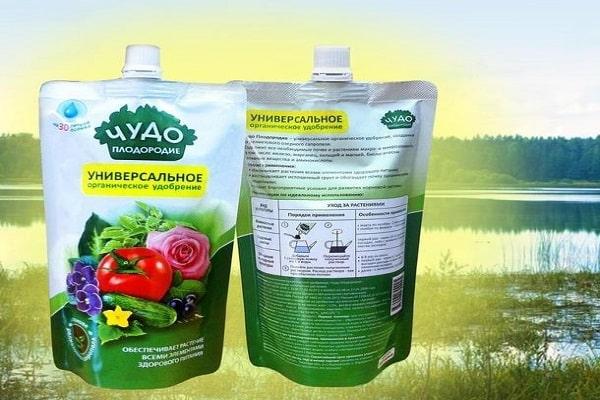
If sufficient organic matter was added to the soil at planting, the first feeding can be done only in the second year. In the spring, the growing tree is fertilized with nitrogen to stimulate shoot and foliage growth. Mature plants can be fed with potassium and phosphorus before flowering. Mineral fertilizers are diluted in water at a rate of 50 grams per 10 liters of liquid.
Diseases and pests
The Miracle Cherry is a disease-resistant plant. In cool and rainy weather, a tree growing in poor soil can become susceptible to disease. Common diseases of the hybrid Miracle Cherry include brown spot (round brownish spots on the leaves), gray mold (rotting fruit covered with small gray growths), gummosis (glassy growths on the trunks), and holey spot (holes in the leaf blades).
As a preventative measure in the spring, the trunk is whitewashed with lime, and bare branches and the soil are sprayed with a urea solution. In early summer, the foliage is sprayed with a fungicide solution (Fitosporin M, Kuprozan, Nitrafen), Bordeaux mixture, and copper sulfate.
In summer, cherry trees are often attacked by pests such as aphids, weevils, and caterpillars. Preventative treatments with insecticides (Actellic, Fitoverm, Akarin) can help control these insects. Trees are sprayed before or after flowering.
Preparing for winter
Hybrid cherry trees are characterized by moderate cold tolerance, but extremely low temperatures can kill the tree. The Duke tree should be insulated for the winter. Before frost, the trunk area should be mulched with peat and humus, hay, or straw. A layer of mulch can be topped with spruce branches, and the trunk can be wrapped in agrofibre or burlap. During winter, the tree should be regularly replenished with snow.
Related posts:
 Description and pollinators of the Vladimirskaya cherry variety, planting and care
 Characteristics and description of the Shokoladnitsa cherry variety, pollinators and fruiting
 Description and varieties of cherry variety Shpanka, planting and care
 Description of the 25 best cherry varieties for the Urals and Siberia, planting and care in open ground
 When and how to prune cherry trees correctly, and tree shaping schemes for a good harvest
 Description and characteristics of 17 dwarf cherry varieties, planting and care
 Description of the Miracle of the Land tomato, characteristics, cultivation and yield of the variety
 Description and cultivation of the best varieties of felt cherry, planting and care