
- History of Griot cherry breeding
- Characteristics of the culture
- Tree dimensions
- Pollinating varieties and flowering
- Berry ripening time and tree yield
- Uses of fruits
- Immunity to diseases and insects
- Resistance to low temperatures and drought
- Planting and care features
- Preparing the site and seedlings
- Favorable and unfavorable neighbors
- Timing and technology of planting
- Weeding, loosening and mulching
- Trimming
- Protection from diseases and pests
- Watering and fertilizing
- Preparing for the winter period
- Varieties and description of the variety
- Belorussian
- Melitopol
- Moscow
- Ostheim
- Rossoshansky
- Michurinsky
An easy-to-grow garden cherry, often found in gardens in central Russia and producing excellent berry crops every year, is the Griot Moskovsky. This unique variety maintains its yield even in adverse weather, allowing you to enjoy its aromatic berries. Its frost resistance and resistance to a number of diseases make it suitable for novice gardeners.
History of Griot cherry breeding
Kh. Yenikeyev developed winter-hardy cherry and plum varieties with excellent flavor. In 1959, he developed the Griot Moskovsky variety, zoned for Central Russia, based on a similar variety, the Griot Otsgeymsky.
Characteristics of the culture
Let's look at the main features of a variety that is popular among gardeners.
Tree dimensions
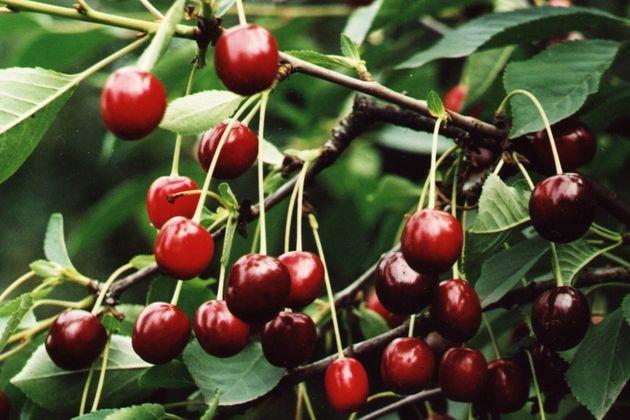
Griot Moskovsky is a luxurious, medium-sized tree, growing up to three meters in height. It has a spreading crown with densely spaced branches. Its medium-sized, bright green, matte leaves have an interesting ovoid shape. The tree's maximum lifespan is 18 years.
Pollinating varieties and flowering
The Griot Moskovsky variety is self-sterile. Other pollinators are required for productive fruiting. Excellent fruiting is demonstrated when grown alongside the following varieties:
- Shubinka;
- Vladimirskaya;
- With a Pink Bottle.

Berry ripening time and tree yield
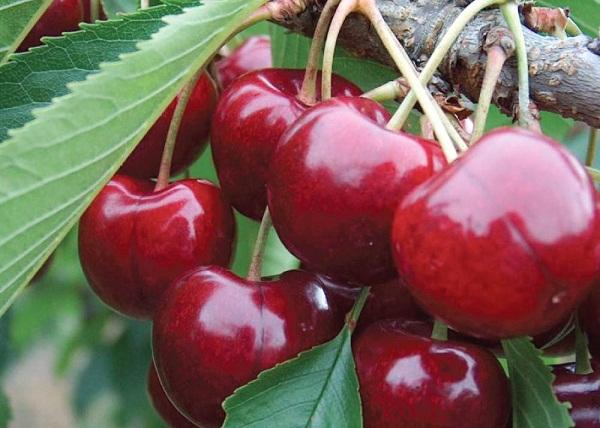
This cherry is an early-ripening variety. The berries ripen evenly and are ready for consumption as early as July 15-20. This variety is very productive. With proper care and favorable ripening conditions, a single mature cherry tree can yield up to 17 kilograms of berries.
Uses of fruits
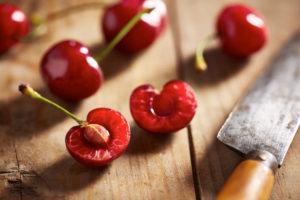
Griot Moskovsky produces medium-sized, juicy, sweet-tart berries. The fruit's juiciness requires careful handling. The berries are not suitable for long-distance transport. They are eaten fresh or processed. These cherries produce very aromatic and pleasant-tasting jams, preserves, and juices. Cherry liqueurs and wines also boast excellent flavor.
Take a look Also
Immunity to diseases and insects
The variety is winter-hardy and resistant to a number of common diseases, such as coccomycosis and moniliosis.
Resistance to low temperatures and drought
The tree tolerates low temperatures and the sudden temperature fluctuations typical of the Central region very well. Even during late spring frosts, the blossoming flowers are also resilient and rarely freeze.
To maintain high fruit production during prolonged droughts, Griot Moskovsky requires ample watering. Watering is especially important during fruit formation and preparation for winter.
Planting and care features
Griot Moskovsky is an easy-to-grow plant. With minimal time and effort, this versatile variety delights gardeners with bountiful harvests every year.
Preparing the site and seedlings
The success of planting and subsequent cultivation largely depends on choosing the right location for the seedling. Cherry trees require full sun. A sunny spot protected from drafts by a fence or tall trees is an excellent choice.
You can speed up the seedling's survival rate by using a mixture of clay, ash, and a root-promoting biostimulant. Place the seedling's roots in the pre-prepared mixture for 30 minutes and then plant them in their permanent location.
Favorable and unfavorable neighbors
Properly managed orchards promote the full development and fruiting of cherries. Planting with unsuitable crops often stunts the plant and reduces fruiting. Cherries do not grow well near apple trees, apricots, currants, honeysuckle, and conifers. They thrive when planted near stone fruits such as plums or cherries.

Timing and technology of planting
The best time to plant a seedling is early spring. Over the summer, the plant will have time to take root, gain strength, and be well prepared for the harsh winter.
Griot Moskovsky has a spreading crown and requires ample space to develop properly. This variety is planted with at least two meters of space between seedlings within a row and between rows.
Cherry soil requires preliminary preparation. Six months before planting, thoroughly fertilize it with humus, ash, and sand. Prepare a 60x60 cm planting hole.
Depending on the soil's characteristics, soil acidity is adjusted, fertilized, and a small amount of vermiculite is added. Vermiculite retains moisture in the soil, stimulates root growth, and reduces the risk of root rot.
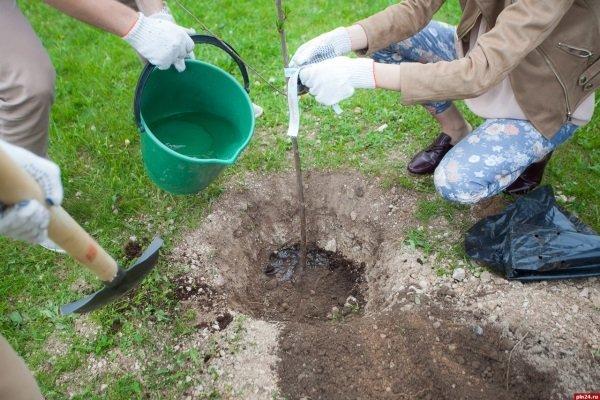
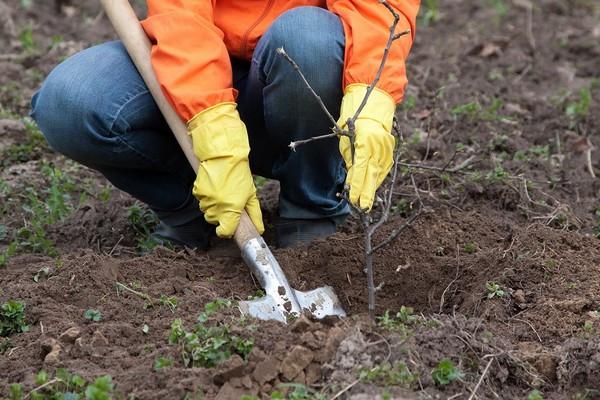
When planting a bare-root seedling, partially fill the hole with soil to form a mound. Gently distribute the roots around the mound, cover with soil, and compact. Do not bury the root collar. To promote rapid rooting and root development, water the seedling with a freshly prepared Kornevin solution.
Weeding, loosening and mulching
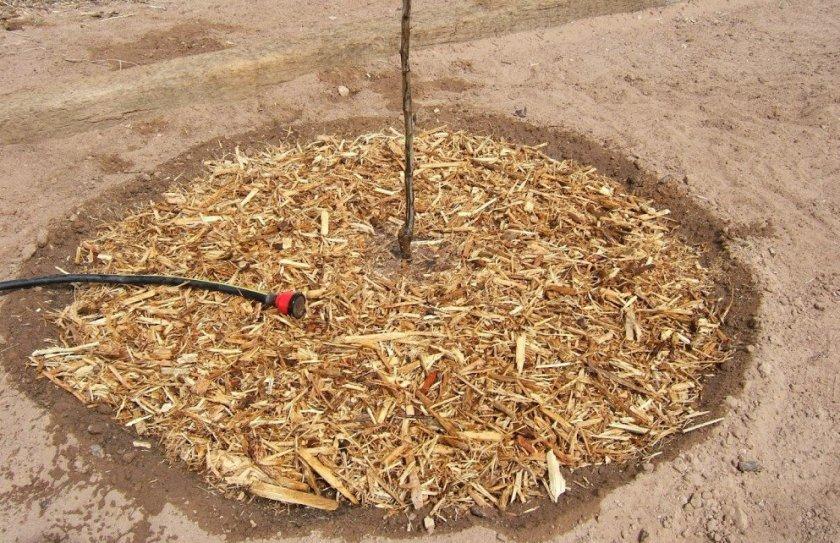
During the summer, cherry trees require periodic weeding and loosening of the topsoil to improve oxygenation. Mulching the root zone promotes long-term moisture retention, prevents soil compaction, suppresses weed growth, protects the fragile plant from winter frosts, and improves soil structure.
Trimming
Timely and proper pruning is the key to growing a healthy tree with a high fruiting rate. Immediately after planting, the seedling is cut back by one-third, and the cut is carefully sealed with garden pitch. This procedure promotes the formation of a healthy tree with a strong crown. Every year, in early spring, a health pruning is performed. Frost-damaged and damaged branches are removed, and overly dense areas are thinned out.
Protection from diseases and pests
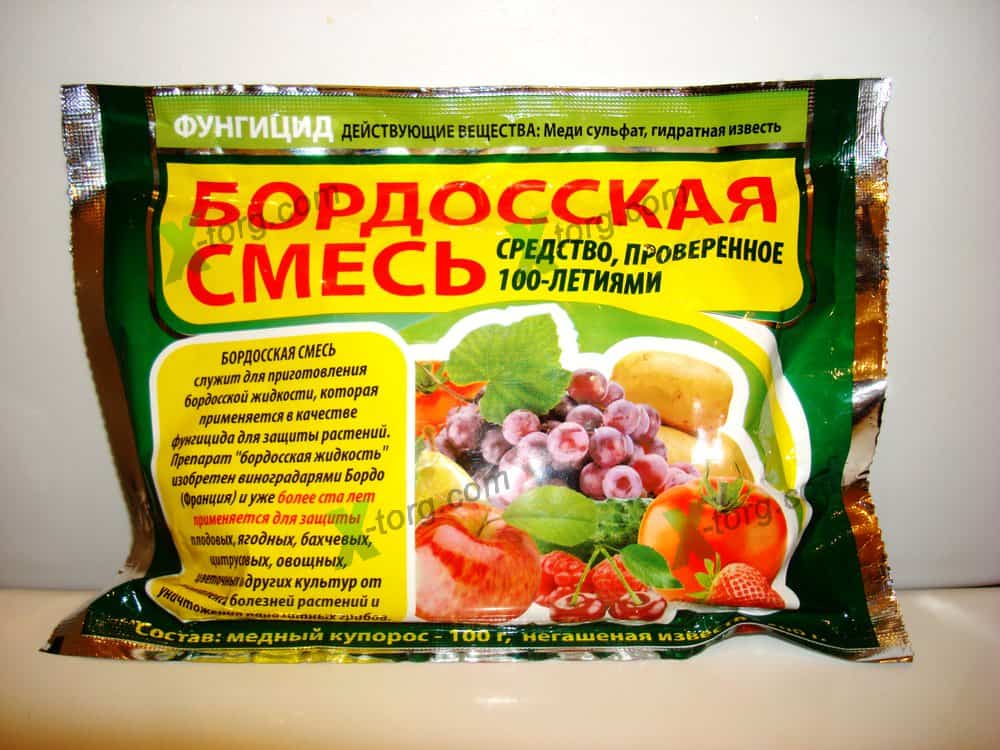
Preventative measures against a number of fungal diseases are carried out three times a year by spraying the tree with Bordeaux mixture. The first treatment is carried out in early spring, the second after flowering. The final spraying is carried out after harvest. Annual insecticide spraying helps protect the cherry tree from pests and maintain its productivity at a high level.
Watering and fertilizing
Cherries require regular watering to ensure proper growth and development. Insufficient moisture during the fruit-setting period can cause premature shedding of unripe fruits. However, overwatering should also be avoided. Excess moisture during the ripening period can cause the berries to crack. Avoid watering during this period.
Preparing for the winter period
Insulating the tree will help prevent root system freezing. Covering materials can be used for this purpose. They provide excellent frost protection, allow air to pass through, and prevent bark rot.
Varieties and description of the variety
Currently, several variations of the Griot cherry have been bred, with different levels of fruiting and characteristics.

Belorussian
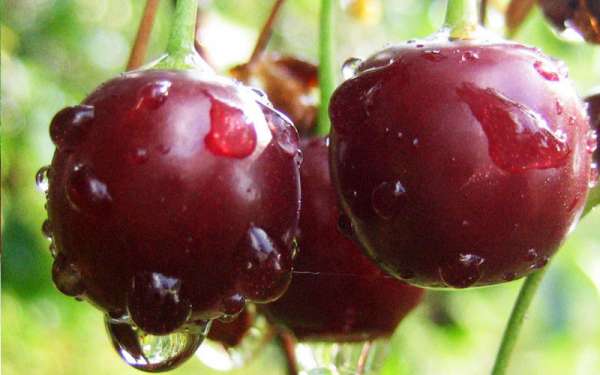
The self-sterile Griot Belorussky variety has a sparse, pyramidal crown. It produces aromatic berries weighing up to 7 grams.
Melitopol
A winter-hardy, fast-growing cherry tree with a dense, spherical crown, the Griot Melitopolsky variety grows up to 5 meters in height and begins producing its first berries as early as the fourth year after planting. In late June, it produces berries with dark red flesh, averaging 6.9 grams in weight. The tree is highly productive. A mature cherry tree can yield up to 10 kilograms of incredibly delicious berries.
Moscow
The self-sterile cherry cultivar Griot Moskovsky grows up to 3 meters in height. The tree produces delicious berries, each weighing up to 3.5 grams.
Ostheim
The frost-resistant Griot Ostheim variety reaches 4 meters in height. The tree has a luxurious, rounded crown. In late June, it bears juicy, dark-red fruits weighing up to 4 grams. The variety is self-sterile and requires pollinators.
Rossoshansky
The self-fertile Rossoshansky variety, resistant to moniliosis, often reaches 6 meters in height. In late June, the tree bears juicy, sweet-tart fruits, averaging 3.6 grams in weight. They are notoriously difficult to store and transport.
Michurinsky
A medium-sized cherry tree with a sparse crown, the Griot Michurinsky variety is distinguished by its early flowering, high winter hardiness, and resistance to coccomycosis. By the end of July, the tree produces juicy fruits with dark red flesh, averaging 4.5 grams. The berries are easy to transport.
Proper planting of the zoned Griot Moskovsky variety in central Russia and timely tree care guarantee high annual yields of this incredibly tasty berry.
Related posts:
 Description and pollinators of the Vladimirskaya cherry variety, planting and care
 Description and varieties of cherry variety Shpanka, planting and care
 Description of the 25 best cherry varieties for the Urals and Siberia, planting and care in open ground
 Description of the 10 best black cherry varieties, planting and care in open ground
 Description and characteristics of 17 dwarf cherry varieties, planting and care
 Description of the Zhukovskaya cherry variety, planting and care in open ground
 Description and cultivation of the best varieties of felt cherry, planting and care
 Characteristics and description of the Shokoladnitsa cherry variety, pollinators and fruiting