
- History of the Magaleb Antipka cherry breeding
- Growing regions and climate
- Botanical information
- Dimensions and height of the tree
- Fruiting
- Flowering and pollinators
- Ripening time and harvest
- Tasting evaluation and scope of application of fruits
- Characteristics of the variety
- Immunity to diseases and pests
- Resistance to low temperatures and drought
- Agricultural technology of cultivation
- Planting times and rules
- Watering and fertilizing regime
- Crown formation
- Caring for the tree trunk circle
- Preventive treatments
- Do I need to cover it for the winter?
- Methods of reproduction
- Reviews of the variety
Mahaleb ornamental cherry Not only will it yield a harvest of healthy and delicious berries, but it will also become a true gem for your garden. This variety is widely used by landscape designers. Gardeners also know it as the Antipka. Not everyone knows that the wild Magaleb cherry variety is listed in the Red Book of Threatened Species. The plant is easy to care for and has no special planting requirements.
History of the Magaleb Antipka cherry breeding
The Magaleb cherry is a subspecies of bird cherry. In the wild, it can grow as either a shrub or a spreading tree. Antipka reproduces by seed. The origin of this variety remains unknown. Scientists speculate that it was created naturally in the wild.
Growing regions and climate
The Mahaleb cherry is considered native to Central Asia and Asia Minor. It also grows wild in the open forests of European mountains (for example, Crimea, the Alps, the Tatra Mountains, and the Carpathians). As a cultivated plant, it is grown primarily in Iran and Turkey.
Botanical information
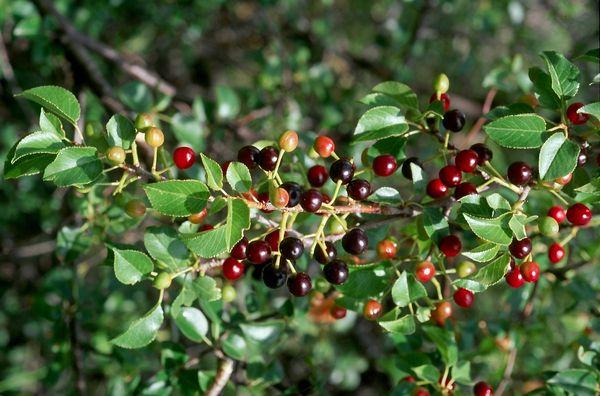
Antipka possesses interesting qualities not typical of modern cherry varieties. This makes it easily distinguishable even in preserves or culinary delicacies.
Dimensions and height of the tree
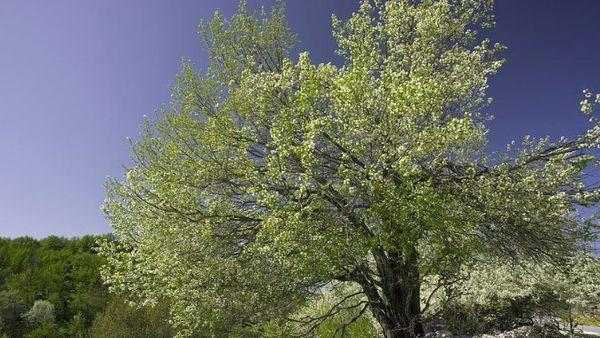
The tree reaches a maximum height of 10 m, and a minimum of 5 m. Its crown is wide, spreading, and easily shaped. This makes it possible to use the Mahaleb cherry to create a hedge.
Fruiting
The Mahaleb cherry tree begins to bear fruit early.
The tree bears fruit consistently, producing rich harvests even with a lack of attention and care.
Flowering and pollinators
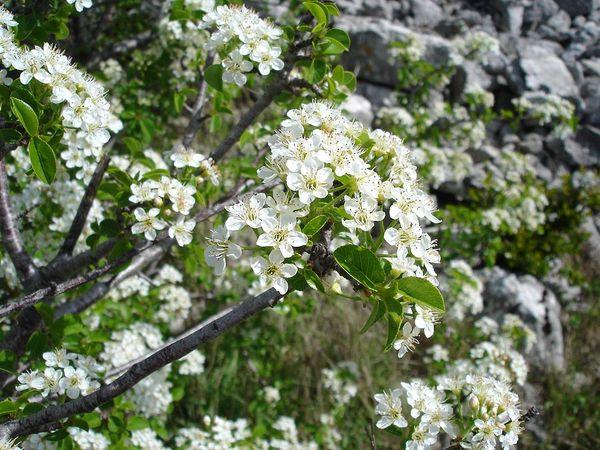
Antipka blooms in late May. The tree is completely covered in white, highly fragrant flowers. The plant is self-fertile and does not require nearby pollinator varieties.
Ripening time and harvest
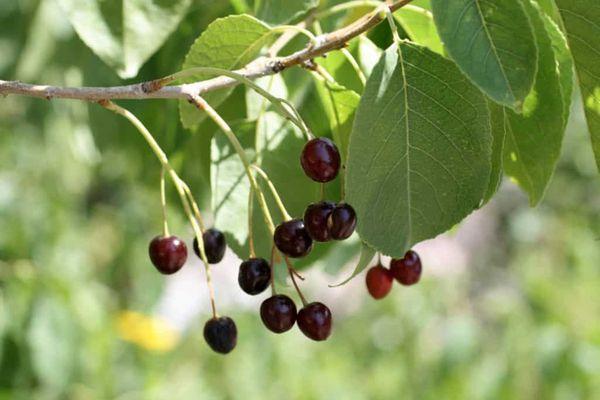
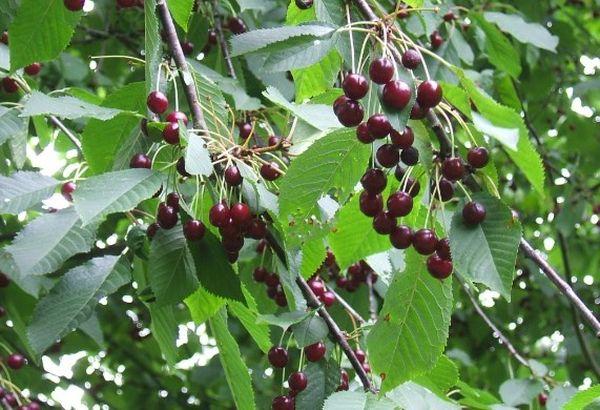
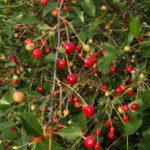
The Magaleb cherry harvest ripens in August. The berries are small, about 1 cm in diameter, and almost black in color. They are harvested exclusively by hand.
Tasting evaluation and scope of application of fruits
The fruits of the Magaleb cherry are juicy and intensely aromatic. They have a distinctive, tart flavor, even with a hint of bitterness. Because of this, the fruit is rarely eaten fresh. It is primarily used for preserving and making alcoholic infusions and liqueurs. Even the pits and bark of the Magaleb cherry, which are very similar in flavor and aroma to bitter almonds, are used in Mediterranean cuisine. They are also used to make special spices.
Characteristics of the variety
Antipka is easily recognized among other cherries by its unique characteristics, which should be familiarized with by any gardener who wants to grow this rare tree on their own plot.
Immunity to diseases and pests
Mahaleb Cherry trees are almost never affected by pests., however, it has average immunity to common diseases, and therefore requires preventative treatments to obtain a regular harvest.
Resistance to low temperatures and drought
Cherries tolerate drought well without reducing their yield. The tree has average cold tolerance. It overwinters well in open ground in temperate climates, but if temperatures drop below -25°C for extended periods, young shoots die and flowering is reduced the following season.
Agricultural technology of cultivation
The Mahaleb cherry has many unique cultivation techniques, which affect not only the planting procedure but also the choice of location and soil.
Planting times and rules
Planting of Magaleb cherry saplings is carried out in spring or in the fall. Spring planting is preferable, as the tree will have time to take root and grow strong before the cold weather sets in.
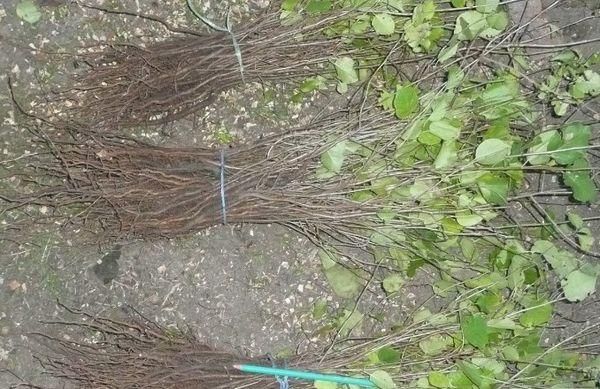
Cherry seedlings should be planted in a well-lit, wind-protected location. If this isn't possible, they can be planted in partial shade, but protection from drafts is essential. Mahaleb cherry should not be planted in acidic soil, as it prefers black soil or fertile calcareous soils. Even urban conditions with high air pollution are not a problem for these plants.
Watering and fertilizing regime
The Mahaleb cherry tolerates drought well and doesn't require frequent watering. The tree doesn't tolerate stagnant water. If the weather is dry and hot for an extended period, water the plants no more than once a week.
To obtain a bountiful harvest and improve the decorative qualities of a mature tree, it is recommended to add superphosphate, ammonium nitrate, compost or manure to the soil around the trunk.
Crown formation
In its natural habitat, the Magaleb cherry tree's crown is dense and spreading, with slightly drooping branches. However, to give the tree an aesthetic appearance, gardeners resort to pruning. The simplest option is to create a spherical crown using a specialized gardening tool (such as a trimmer).
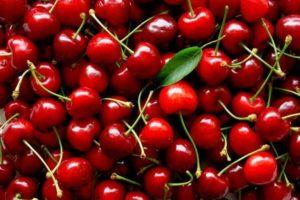
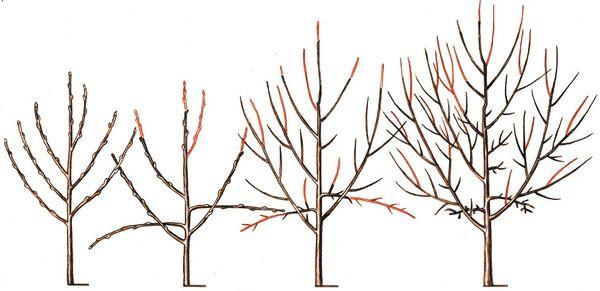
If there is no need to give the tree unusual shapes, then once a season it is necessary to carry out sanitary pruning and remove all damaged or dried branches, as well as shoots growing inward from the crown.
Caring for the tree trunk circle
The Magaleb cherry tree's trunk area doesn't require much care, but it appreciates timely weeding and pruning, which improves air circulation. To prevent excess moisture from evaporating from the soil, the area around the trunk should be mulched. Only natural materials are used for this:
- sawdust;
- straw;
- pine needles;
- hay;
- rotted leaves.
Preventive treatments
Magaleb cherry trees are rarely affected by diseases, but they can occur if they are not properly managed. To prevent problems, treat the trees with a solution of ferrous sulfate before bud break. Subsequently, spray with Bordeaux mixture, which is recommended to be repeated in the fall. If small pests or insects appear, treat the plant and the surrounding soil with an insecticide.
Do I need to cover it for the winter?
In southern climates, the Magaleb cherry does not require winter insulation, but in colder regions, the trunk should be protected from rodents, and the root system should be protected from freezing with a layer of mulch.
Methods of reproduction
The main method Propagation of Magaleb cherry - growing from seedsTo do this, carefully dig the soil in October and plant the seeds to a depth of 4 cm. There is no need to pre-treat or soak them. Sprouts should appear in the spring, requiring only moderate watering and weeding throughout the following season. The following spring, if the plants reach a height of 30 cm, they are transplanted to their permanent location.
Reviews of the variety
Despite the low prevalence of the Magaleb cherry in private gardens, some gardeners still grow it on their plots and are willing to share their impressions.
Marina Stanislavovna, an experienced gardener, says, "I brought Magaleb cherry seeds from Crimea and decided to try planting them in my garden. I really loved the aroma of the fruit, and I still can't forget the liqueur made from them. Admittedly, not all the seeds sprouted, but I did manage to grow a few trees. I even shared the seedlings with my neighbors. It took several years to get a harvest. But when the cherries blossomed and filled the garden with their aroma, it became like a fairy tale. Some of the ripened fruits in August were used to make jam, and the rest was used to make a fragrant liqueur, which we shared with family and guests on special occasions."

Alina Vladimirovna, a novice gardener: "We inherited a Magaleb cherry from the previous owners of our plot. We didn't harvest it because it grew right on the boundary and fits beautifully into the landscape. After tasting the berries for the first time, we decided against harvesting them: they were too tart and bitter, although they smelled very pleasant. After some time, I came across an article online that said cherries of this variety aren't eaten fresh, but are used to make jams, liqueurs, and tinctures. I decided to experiment. All my family and friends were pleasantly surprised, even asking for pits so they could propagate the tree and plant it in their own plots."
Vladimir Vasilyevich, gardener: "I have a large plot of land with no neighbors on one side, so I decided to plant a hedge of Magaleb cherries there. I knew in advance that the fruit was incredibly tasteless, so I hadn't planned on using it. Imagine my surprise when my wife let me try some freshly made, aromatic jam made from these berries. It was a true masterpiece. A little later, a neighbor asked me to pick some cherries to make homemade liqueur and then let me taste it. The drink also turned out to be of the highest quality. Moreover, the tree requires almost no maintenance, bears fruit reliably every year, and fills the garden with a wonderful aroma when it blooms."
Related posts:
 Description and cultivation of the best varieties of felt cherry, planting and care
 Description and pollinators of the Vladimirskaya cherry variety, planting and care
 Description and propagation of the Bessey cherry variety, planting and care rules
 Description and varieties of cherry variety Shpanka, planting and care
 Description and characteristics of 17 dwarf cherry varieties, planting and care
 20 Best Cherry Varieties for the Central Russian Region with Descriptions and Characteristics
 Description and varieties of Zhelezistaya cherry, planting and care
 Description of the 25 best cherry varieties for the Urals and Siberia, planting and care in open ground