
- What is gummosis?
- Causes and factors that provoke gum flow
- Fungal infection
- Climate conditions
- Agricultural technology errors
- How is it dangerous for a tree?
- How is cherry resin beneficial for humans?
- How to treat
- Preparing the var
- Application of resin
- How to prevent gummosis from recurring
- Tips and advice from experienced gardeners
Cherry gummosis is a common problem in all regions where the plant is grown. Every gardener has encountered this problem, which can lead to the death of an entire tree. Therefore, at the first signs of gummosis, prompt treatment is essential, using effective control methods.
What is gummosis?
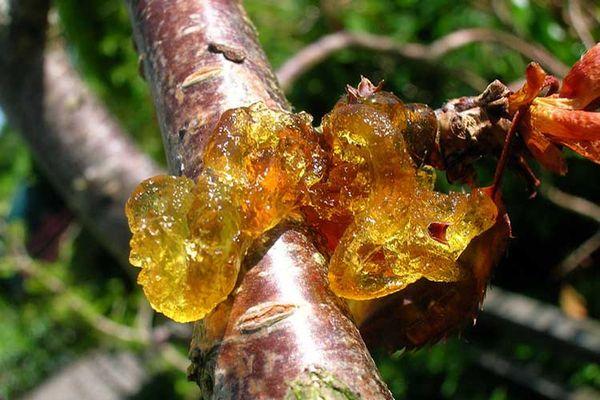
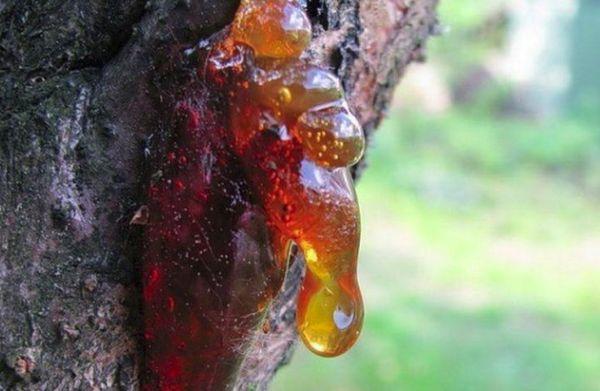
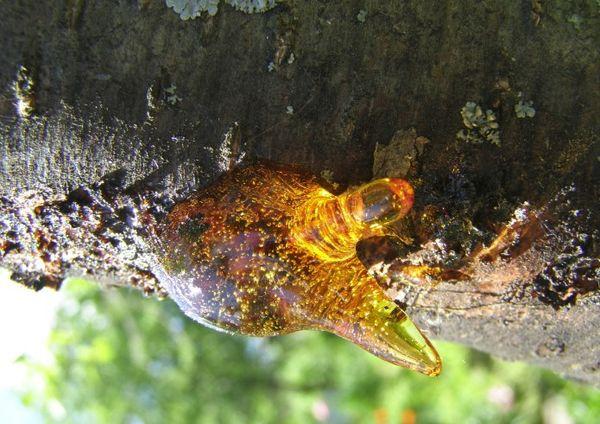
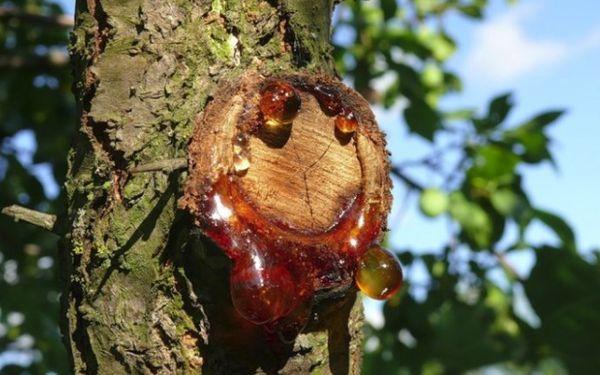
Gummosis is a common disease of cherry trees, which manifests itself in the appearance of gum, a light brown, jelly-like substance, on the trunk and branches of the tree.
Gum flow is the last cry for help, since the formation of glue on the branches signals their death, and on the trunk - the death of the entire tree.
Causes and factors that provoke gum flow
Gummosis is a reaction of cherry to unfavorable factors, the main one of which is considered to be mechanical damage to the trunk and branches.
The reasons for the appearance of gum flow include the following.
Fungal infection
Gummosis is primarily a consequence of a fungal infection. On cherries, gummosis is caused by diseases such as clasterosporium and moniliosis. The lesions are found on the trunk and young shoots.
Pests that act as carriers of diseases are also the culprits of the disaster.
Climate conditions
Cherry trees often suffer from low temperatures. After winter, trunks become covered with cracks and burns. Prolonged thaws cause rotting, which leads to gummosis.
Factors that contribute to the disease's development include planting in cold, windy areas. Also, choosing the wrong variety can cause the disease, as it should be a zoned frost-resistant variety less susceptible to frost damage, sunburn, and high humidity.

Agricultural technology errors
The cause of gummosis is considered to be a violation of agricultural technology during cultivation, namely: increased doses of fertilizers, especially nitrogen ones, untimely and severe pruning, poor watering, ignoring preparation for winter.
How is it dangerous for a tree?
The formation of gum on the trunk or branches of a cherry tree is a sign to gardeners of the tree's condition or a symptom of disease. Therefore, it poses a significant risk to the plant, as affected branches die, sometimes very quickly. Normal tree growth is disrupted. As a result of abnormal branching, the crown of an infected cherry tree takes on an unsightly shape.
How is cherry resin beneficial for humans?
Cherry resin is often used as a medicinal product because it has the ability to:
- normalize thyroid function;
- strengthen the heart and cleanse blood vessels;
- stabilize the functioning of the digestive system;
- boost immunity
- cure liver and pancreas diseases.
When using this potent substance, it is important to know when to stop, as excessive consumption of gum can cause flatulence and vitamin deficiency.
How to treat
If gummosis is detected on a cherry tree, treatment should begin as soon as possible. This will prevent the plant from weakening and dying. Control measures include removing young, damaged branches and cutting off the exposed gum down to healthy tissue using a sharp, disinfected knife. Then, treat the cleaned areas with a solution of potassium permanganate, iron sulfate, or copper sulfate. After the solution dries, apply garden pitch to the entire cut surface.
Preparing the var
Homemade garden pitch is a popular disinfectant used to combat gummosis.
Components:
- 4 parts rosin;
- 1 part beeswax;
- 1 part pork fat.
Preparation: Combine melted lard with the remaining ingredients, then place the resulting mixture on the stove and boil for 20 minutes, let cool, then stir until the finished mixture is free of lumps.
Application of resin
Another effective remedy for combating gummosis can be made at home:
Components:
- 2 parts raw flaxseed oil;
- 1.5 parts spruce resin;
- 1 part turpentine;
- 0.5 parts of wheel grease.
Preparation: Heat the resin over low heat, add linseed oil and wheel grease. Boil the mixture for a long time, then cool and combine with turpentine. Mix thoroughly.
How to prevent gummosis from recurring
Prevention of gum disease is easier than long-term treatment. Knowing the causes allows you to take prompt action to prevent its recurrence:
- Handle cherry trees carefully in the fall, avoiding injury. Many gardeners, when removing the bark, leave young, immature tissue exposed before winter. This leaves them vulnerable to frostbite, which can lead to deterioration in the plant's health.
- Choosing the right variety. It should be optimally suited to the specific climate, frost-hardy, and disease-resistant. Each region has its own cherry varieties, which are recommended.
- Reliable trunk protection. To protect the plant from sunburn, gardeners whitewash the trunks and bases of skeletal branches at least three times a year—in summer, fall, and winter. Also, wrapping the trunks in burlap or spruce branches before winter provides additional protection from rodents.
- Timely pruning. To prevent gummosis, remove young shoots throughout the summer, preventing them from reaching the lignification stage. Small wounds on the plant heal faster, but pruning established stems will be more painful for the cherry tree later.
- Nutrient application. To improve tree stress resistance, it's important to fertilize the tree regularly, but avoid overdoing it on nitrogen-containing fertilizers. It's also important to prevent infection and pest infestations by spraying the trees with fungicides.
- Grooving the trunk and skeletal branches. This procedure should be performed in the spring before sap flow begins, repeating every 1-2 years, using a thin, sharp knife; otherwise, it could cause harm to the tree instead of benefit.

Tips and advice from experienced gardeners
The main recommendations from experienced gardeners are to follow proper agricultural practices when growing cherries. Avoid overfeeding with nitrogen-containing fertilizers, as they encourage vigorous growth. When planting, select sites with light, well-drained soil.
Also, make sure that the tree bark in the root collar area does not rot.
The main factor for success in the fight against gummosis is preventive measures.
Related posts:
 Description and pollinators of the Vladimirskaya cherry variety, planting and care
 Description and varieties of cherry variety Shpanka, planting and care
 Description and cultivation of the best varieties of felt cherry, planting and care
 Description and characteristics of the miracle cherry hybrid, planting and care of the variety
 When is the best time to transplant a cherry tree? Rules and step-by-step instructions.
 Description of the 10 best black cherry varieties, planting and care in open ground
 How to plant walnuts, care for them, and grow them at home
 Characteristics and description of the Shokoladnitsa cherry variety, pollinators and fruiting