
- Felt cherry: description and characteristics
- History of selection
- Habitat
- Tree dimensions: crown, trunk, root system
- Frost resistance of cherries
- Features of fruiting
- Beginning of flowering and pollinator varieties
- Berries ripening time and tasting assessment
- Harvesting and further sale of the crop
- Methods of reproduction
- Seeds
- Cuttings
- Layering
- What diseases are you susceptible to?
- Moniliosis, or monilial burn
- Coccomycosis
- Pocket disease
- Tree pests and their control
- Growing conditions
- Optimal location and lighting
- Soil composition
- Favorable and unfavorable neighbors
- How to plant on a plot
- Timing of planting operations
- Preparing the seedling and planting hole
- Landing algorithm
- Care instructions
- Watering
- Top dressing
- Loosening and caring for the tree trunk circle
- Pruning felt cherry
- Preparing a tree for winter
- Basic mistakes when growing
- Popular varieties
- Damanka
- Delight
- Children's
- Dream
- Marvelous
- Princess
- Ando
- Firework
A common shrub found in any climate zone is the felt cherry, or Chinese cherry. Its exquisitely flavored fruit is a delight and awe-inspiring. The key to successful cultivation and bountiful harvests is a comprehensive set of measures, and failure to follow even one of these steps often leads to disaster.
Felt cherry: description and characteristics
Growing Chinese cherry trees in your own garden is a fascinating and rewarding experience. By following the advice of experienced gardeners on choosing self-fertile or self-sterile varieties, planting them correctly in open ground, and meticulously caring for them, you can grow a healthy, fragrant garden and reap excellent harvests every year.
History of selection
The felt cherry owes its widespread distribution to China. It was from there, with the help of enthusiasts, that it began to spread across the continents. Initially, selection was carried out spontaneously by local residents. By the 1930s, planned selection began in the Far East under the direction of N. Tikhonov. Building on the work of previous researchers, G. Kazmin took over the cultivation of the felt cherry.
Felt cherry arrived in southern Russia thanks to the efforts of the renowned scientist I. Michurin, who spoke highly of its properties and taste. Beginning in the 1970s, academician V. Tsarenko began actively breeding it, developing around 40 varieties of this wonderful berry.
Habitat
Since ancient times, felt cherry has been cultivated in China, Japan, and Korea. It was then introduced to Canada and the United States. In the early 20th century, it began to spread to regions of the Far East. Thanks to the persistent work of breeders adapting it to growing in various climatic conditions, it has continued to spread throughout Russia.
Tree dimensions: crown, trunk, root system
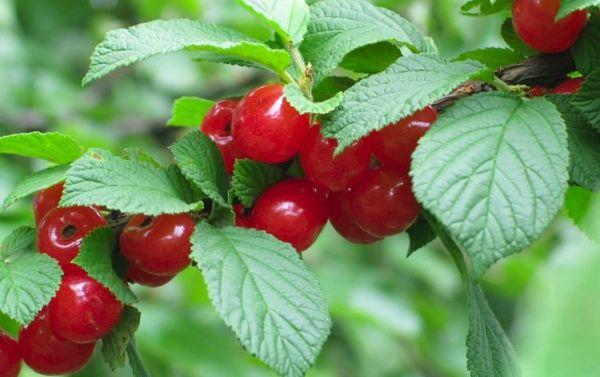
The felt cherry is a low shrub with several skeletal branches, reaching up to three meters in height. Its broad, dense, and spreading crown is usually oval or slightly flattened.
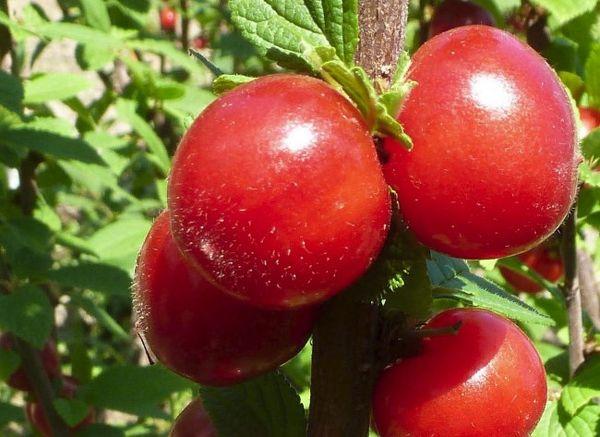
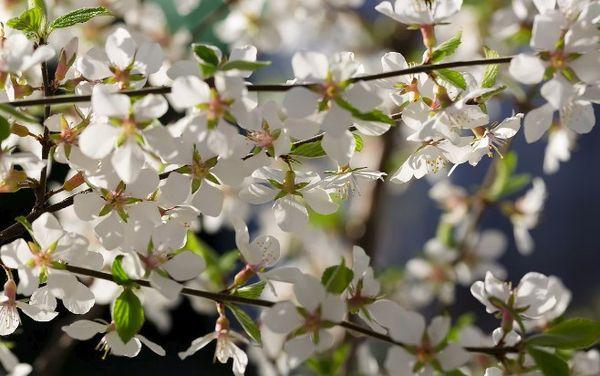
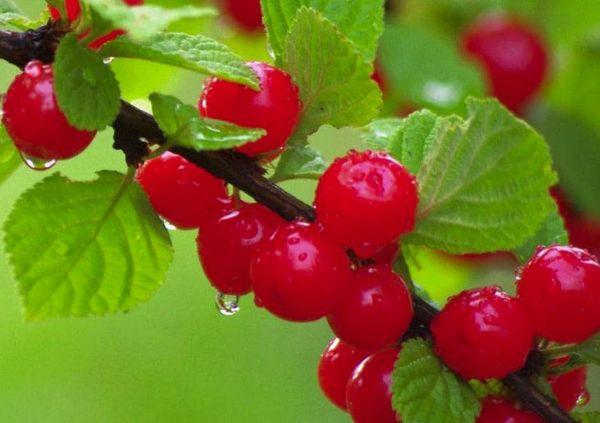
The bark color ranges from cinnamon to dark brown. The root system is superficial, extending 30-40 cm deep. Depending on the variety, the felt cherry blooms with white, white-pink, or pink flowers for two weeks. The fruits, annual shoots, peduncles, and the undersides of the leaves are covered with a distinctive short, felt-like fuzz. This characteristic gives it its name.
Frost resistance of cherries
The shrub can withstand severe frosts down to -30-40°C. Thaws followed by a drop in temperature are much more dangerous. Under such conditions, flower buds may freeze, resulting in no harvest in the summer.
Features of fruiting
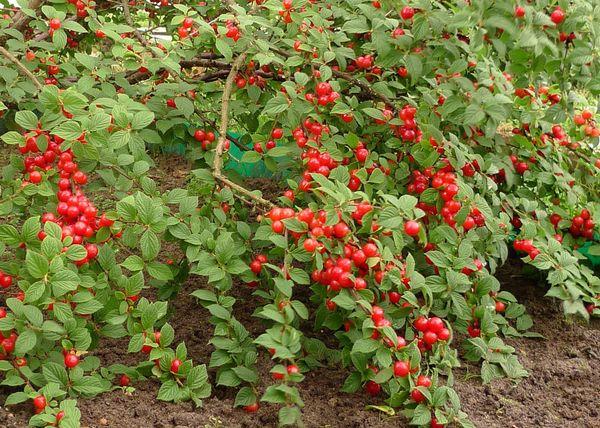
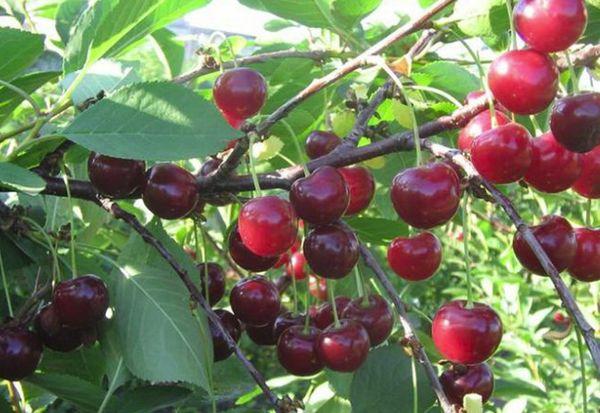
Abundant flowering and fruiting are a unique feature of the felt cherry. It produces consistent harvests. Up to 10 kilograms of delicious, juicy berries are often harvested from a single bush. The berries are firmly attached to a short stalk and practically never fall off.
Felt cherry trees begin bearing fruit as early as the following year after planting. If a two-year-old sapling is planted in early spring, the first individual berries can be harvested as early as the following year. Cherries grown from seed begin bearing fruit in the third or fourth year.
The shrub is self-sterile. For a good harvest, it requires suitable pollinators. Several different felt cherry varieties with similar flowering times are planted in garden plots. These varieties cross-pollinate well and contribute to increased yields.
Beginning of flowering and pollinator varieties
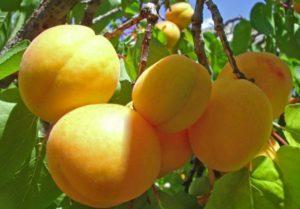
Despite their obvious resemblance, the felt cherry is not closely related to the common cherry. Apricots, plums, and peaches are more closely related. The flowering and fruiting period of the shrub depend on the climate of individual regions and the characteristics of the cultivar. Most cultivars bloom in May.
Berries ripening time and tasting assessment
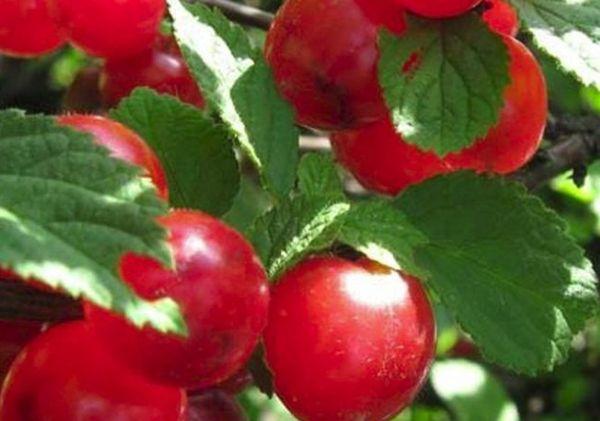
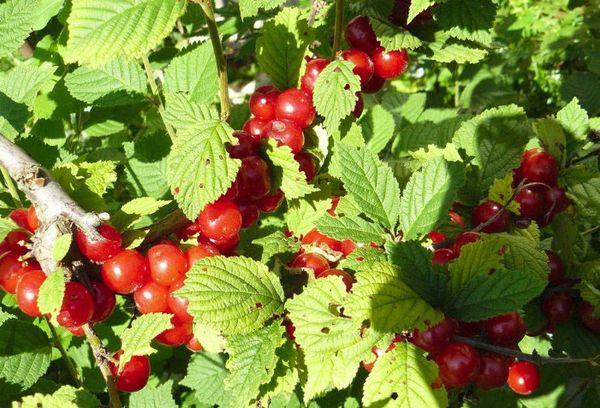
The fruit ripens quickly. Just two months after flowering, you can enjoy juicy, ripe berries. Berries of different varieties come in a variety of shapes and colors. Their weight ranges from 0.5 to 5 grams. The berries also come in a variety of colors. In garden plots, you can find fruits ranging from almost white and pink to deep red.
The fruit's flavor is superior to that of ordinary cherries due to its low acid content. The fruit is assessed organoleptically, using the human senses. The average tasting score for different varieties of felt cherries ranges from 3.5 to 5 points.
Harvesting and further sale of the crop
Berries ripen depending on the variety and regional characteristics. In the southern regions, they ripen much earlier than in the northern ones.
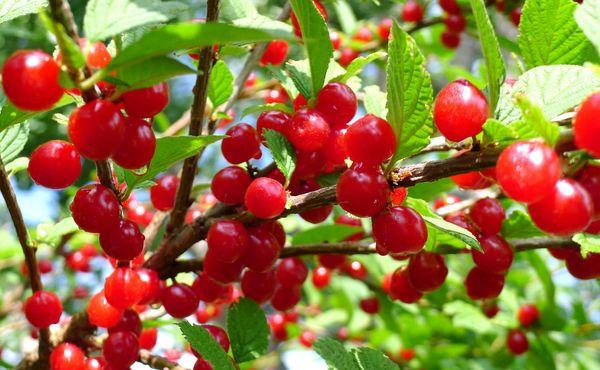
The fruit doesn't have a particularly long shelf life. Even if ripe berries are picked properly and carefully, their fresh shelf life is only a few days and requires immediate processing. Cherries can be made into delicious preserves, jams, juices, and liqueurs, and can be sold fresh or dried.
Methods of reproduction
In garden plots, felt cherry is propagated in several ways:
- seeds;
- cuttings;
- layering.
Let us dwell on each type in more detail.
Seeds
The easiest way to grow felt cherry trees in your own garden is by planting seeds in open ground. To do this, harvest the juiciest berries from the most productive bushes and remove the pits. Sow in mid-autumn or spring. When planting in spring, the pits require pre-stratification at 3-5°C.
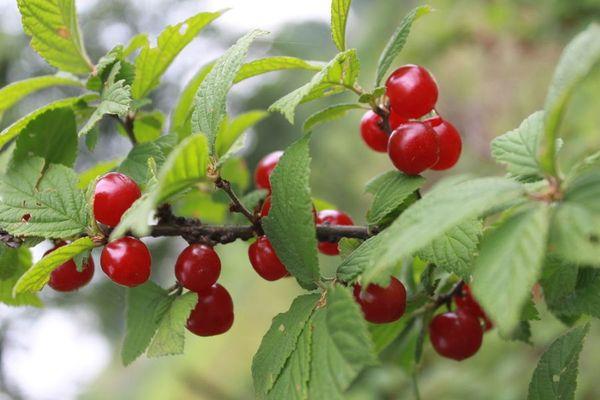
Growing felt cherries from home-grown seeds allows you to preserve all the characteristics of the mother plant and obtain rich harvests with excellent-tasting berries.
Cuttings
Felt Cherry can be propagated by cuttingsFor this purpose, the middle section of one-year-old green branches is used. The cuttings are placed in a nutrient solution to stimulate root formation for 24 hours and then planted in open ground. Within a month of planting, they will root and begin to grow.
Layering
Felt cherry is very rarely propagated by horizontal layering. To do this, the lower, healthy branch is carefully bent down and covered with soil. When strong roots appear, the branch is separated from the mother bush, and the plant is transplanted to its permanent location.
What diseases are you susceptible to?
Early recognition and knowledge of treatment methods helps to catch the disease in its early stages and overcome it as quickly as possible.
Moniliosis, or monilial burn
The peaceful life of the felt cherry is often disrupted by moniliosis. The disease is caused by the fungus Monilia. The first signs of moniliosis are very easy to spot: cracks and gum stains appear in the bark, leaves turn yellow and wilt, and over time, branches begin to dry out. If treatment is not started in the early stages, the plant will die.
If an infestation occurs, cut off and burn all affected areas. Before flowering, spray the shrub with a solution of Fundazol, Topaz, or Topsin. In regions with high humidity and frequent rainfall, apply these products twice, separated by two weeks.
Coccomycosis
Leaves are turning yellow, becoming covered with dark spots, and falling off. The felt cherry tree is affected by coccomycosis. Various fungicides are used to treat this disease.
Pocket disease
A fungal disease called pocket disease causes unusual fruit buds to appear on the felt cherry tree. After active flowering, the affected bush produces seedless fruits. These buds harbor fungal spores, which actively attack the tree and reduce yield.
If no immediate measures are taken, the tree may die completely within a year.
A number of preventative measures can help avoid pocket disease:
- planting young seedlings in a sunny, well-ventilated area, not shaded by tall trees;
- preventing crown thickening through timely pruning;
- annual spring treatment of the bush with a solution of copper sulfate or Bordeaux mixture.
If the disease occurs, all affected areas of the tree are pruned and burned. The bush is treated with systemic fungicides.
Tree pests and their control
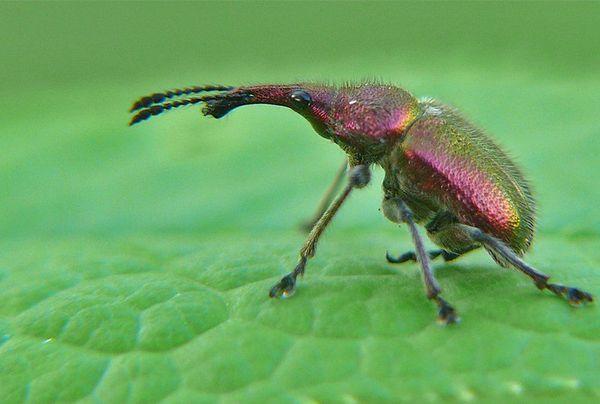
The following pests cause irreparable damage to the shrub:
- grape mite;
- scale insect;
- aphid;
- plum codling moth;
- leaf roller.
Annual spring insecticide treatments help protect your garden from pests and maintain its productivity.
Growing conditions
Felt cherry is very undemanding when it comes to growing conditions. Thanks to these qualities, it has become a widespread cultivar in suburban and summer cottages throughout Russia. To ensure its timely development and good fruiting, it's important to adhere to the following minimum agricultural requirements:
- choose a suitable landing site;
- ensure timely watering and fertilization;
- organize a mulching layer in the tree trunk circle;
- perform timely pruning;
- protect from winter cold.
These simple steps will allow you to grow fragrant felt cherries in your own garden and enjoy the incredible taste of their berries.
Optimal location and lighting
The most suitable planting location is a sunny, open area of the garden. The bush does not tolerate shade well, so when planning the garden, it is placed as far away from tall trees as possible. The plant does not thrive in low-lying areas or pits where excess moisture accumulates. In such conditions, the root system develops poorly and eventually rots.
Soil composition
Felt cherry requires fertile soil. Close groundwater levels will hinder the timely development of young seedlings. Loam and sandy soils with a neutral pH are ideal for growing this shrub.
Favorable and unfavorable neighbors
To ensure vigorous fruiting, felt cherries require favorable neighbors. Cross-pollination occurs well between different varieties with similar flowering periods.
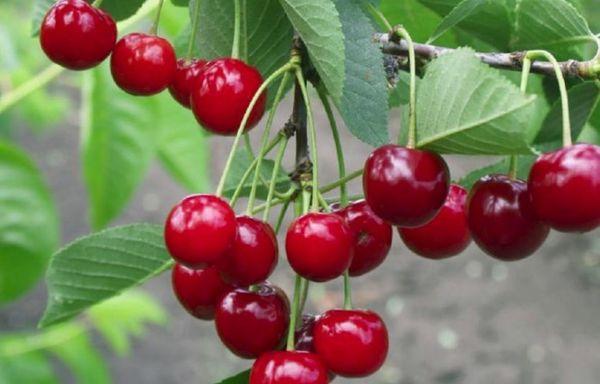
This shrub thrives alongside common and sweet cherries. However, when planted this way, it requires enhanced preventative measures against moniliosis. It thrives alongside hawthorn, grapevine, and rowan. Planting the shrub away from tall trees will help prevent shading and stunted growth.
How to plant on a plot
Before planting a felt cherry tree in your garden, you need to prepare the planting site and the seedling itself. A few simple steps will ensure easy establishment and the transformation of a weak seedling into a healthy, luxurious bush.
Timing of planting operations
Felt cherry trees are generally not planted in the fall. The shallow root system of late plantings doesn't have time to adapt to environmental conditions. The first frost will kill the shrub.
Felt cherry trees are planted in early spring before bud break. During the warm season, the plant will have time to strengthen and face the winter with a reserve of nutrients and a well-developed root system.
Preparing the seedling and planting hole
To ensure the sweet berries ripen, the bush is planted in an open, sunny spot. Depending on the terrain and soil type, the soil requires preliminary preparation. It is mixed with sand, lime, and fertilizer. A small amount of vermiculite can be added to improve the soil structure. For poor soil, it is advisable to use a ready-made specialized soil mix.
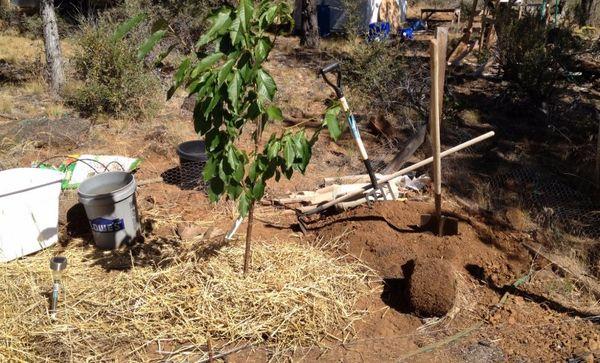
Felt cherry doesn't require a deep hole. In the fall, dig a hole about half a meter deep for the seedling and fertilize the soil well. In the spring, add drainage to the bottom of the hole, partially fill it with soil, and create a small mound.
The seedling is placed in a mixture of clay, ash, and growth stimulant and carefully placed on the mound, ensuring the root system is evenly distributed. The planting hole is filled with soil and lightly compacted. The root collar is not buried.
To prevent weeds from forming, retain moisture, and protect weak seedlings from late frosts, the soil under the bush is mulched with humus, dry leaves, or sawdust.
Landing algorithm
The distance between seedlings should be at least two meters. When growing several shrubs, use a sparse planting pattern: 3 x 1.5 meters.
Care instructions
Felt cherry is quite easy to grow outdoors. For its normal growth and development, minimal care is required:
- timely watering;
- periodic feeding;
- spring pruning;
- loosening the soil.
Let's take a closer look at each stage.
Watering
Felt cherry does not like overwatering. Excess moisture adversely affects the tree's growth and development. Even during prolonged summer droughts, water sparingly. Harvesting occurs in July and August. Stopping watering will help prevent fruit cracking during this period.
Top dressing
Regular fertilization ensures a healthy tree and abundant harvests of delicious berries. The first application of nitrogen-containing fertilizer is done in early spring, before flowering. The second application is done after the harvest.
Loosening and caring for the tree trunk circle
The tree trunk area requires periodic loosening. This is especially important after prolonged rainfall and heavy watering. Loosen the soil carefully, taking care not to damage the root system.
Pruning felt cherry
For normal growth and development, attention to the bush's shape is essential, something even a novice gardener can easily master. When planting in open ground, a young seedling is pruned to a height of 40 cm. The following year, all side branches are removed by a third of the height.
The annual rejuvenating pruning schedule in spring is standard. It involves removing old, frozen, and damaged branches. This pruning promotes vigorous growth and increases fruiting. Do not allow the crown to become too dense. A dense crown prevents the free penetration of sunlight, causes stagnation of excess moisture and often becomes the main cause of various fungal diseases.
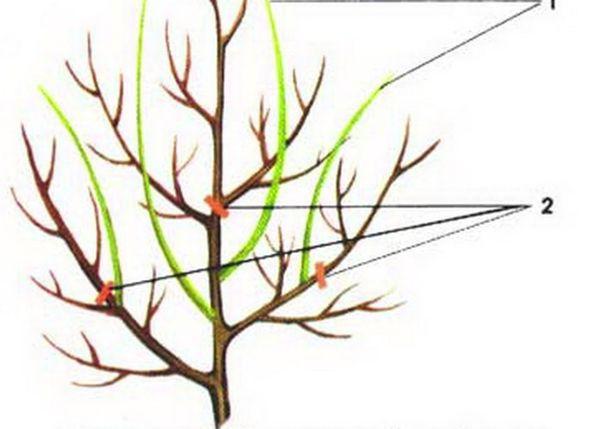
When performing formative pruning, ten of the strongest and healthiest shoots are left on the felt cherry tree, and excess branches are removed.
In autumn, pruning is carried out in regions with a mild climate and warm winters. In northern regions, late pruning can provoke various diseases and often leads to the death of the bush.
Preparing a tree for winter
Properly preparing felt cherries for a cold winter is the key to a high yield in subsequent years. Experienced gardeners take special care when preparing their gardens for harsh winters. To do this, they carry out the following tasks after the leaves have fallen:
- in regions with a temperate climate, sanitary pruning is performed;
- carry out root feeding;
- treat the bushes against pests;
- the lower part of the trunk is whitewashed.
In cold regions, young shrubs require careful insulation. Mulching the area around the tree trunk is an excellent way to prevent the root system from freezing at low temperatures. The following materials can be used for this:
- compost;
- dry grass or straw;
- foliage;
- shavings;
- peat.
Covering materials provide excellent protection from winter frosts. They allow fresh air to reach the root collar but provide a reliable barrier against the cold.
Basic mistakes when growing
In arid regions, felt cherry requires autumn fertilization and subsequent generous watering before preparing for the winter season. Experienced gardeners practice shallow digging around the tree's trunk in the fall, saturating the shrub with oxygen.
In regions with harsh climates and late frosts, delaying flowering by a few weeks can help preserve fruiting. To do this, create a dense snowdrift around the tree trunks in winter, which will stay shady for a long time. This prevents late frosts from occurring before flowering begins, and fruiting remains high.
Popular varieties
Varietal characteristics determine the fruit's taste and weight, flowering and ripening times, and harvest volumes. These are the best and most popular varieties.
Damanka
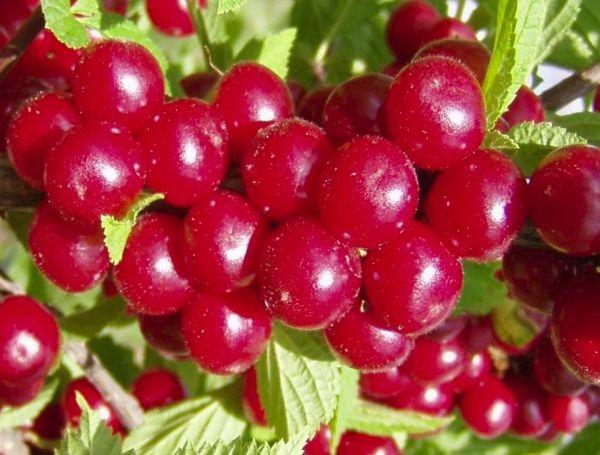
The late-ripening Damanka variety produces excellent yields of large, delicious felt cherries. It requires a pollinator. Flowering occurs in late May. The bush produces burgundy-colored berries with juicy flesh by the first half of August. The yield per mature bush ranges around 10 kg. The berries are noted for their good shelf life and transportability.
Delight
One of the most common self-sterile varieties in central Russia is "Vostorg." The shrub reaches 1.5 meters in height and continues to grow for up to 18 years. It has a spreading, vigorous crown with wrinkled leaves. It blooms profusely in mid-May and bears fruit in mid-July. This variety ripens uniformly throughout the entire crop. The fruits have a distinctive shape and a semi-dry finish.
The berries grow up to 3.5 g and are notoriously difficult to transport. The average yield per mature bush is approximately 9.2 kg.
Children's
The "Detskaya" cherry is an early-ripening, self-sterile variety up to two meters tall with a wide-spreading crown and moderately dense branches. Its brightly colored, sweet-and-tart fruits with firm flesh weigh up to 3.5 grams. Flowering occurs from May 17th to 23rd. The fruits ripen from mid-July. The yield is 10 kg per mature bush.
Dream
The Dream felt cherry grows up to 1.5 meters tall. Its juicy red berries ripen in July and August, weighing around 3.5 grams. This variety is noted for its good winter hardiness and large fruit size, but the berries do not store well and spoil quickly.
Marvelous
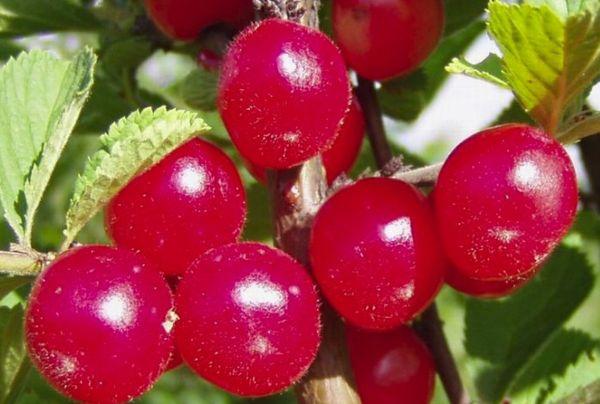
The Divnaya Cherry bush grows up to 3 meters in height. This variety is distinguished by a dense crown with heavily pubescent annual shoots. Pinkish-white blooms last for 20 days. Sweet and sour fruits with juicy flesh ripen as early as July. The bush begins bearing fruit late—not until three years after planting in open ground.
The average lifespan of a bush is up to 15 years. It grows in all types of soil, tolerates severe frosts well, and produces stable harvests.
Princess
The self-fertile, low-growing Tsarevna bush grows up to 1.2 m tall and is highly winter-hardy. It does not tolerate overwatering and will die in waterlogged soil. The crown is not very dense. Flowering occurs in mid-May. Fruiting is uniform, producing large, ovoid fruits with fibrous, juicy flesh weighing up to 3.6 g. Fruit detachment is semi-dry. This variety is not very transportable, yielding 9.6 kg of berries per mature bush.
Ando
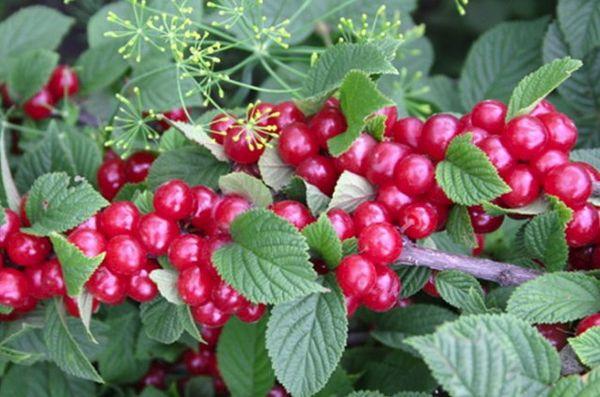
The Ando felt cherry variety doesn't like close groundwater and requires a pollinator. With careful care, it can grow for up to 20 years. The shrub grows up to 2 meters tall and produces a uniform harvest every year. It is drought-resistant and early-bearing. It begins bearing fruit as early as the second or third year after planting in open ground. Mass flowering occurs in early May.
Firework
Self-fertile low-growing felt cherry variety With a spreading crown and dense branches, Salute grows up to 2 meters in height. It blooms in late May. It begins to bear fruit only in the 4th or 5th year after planting. Fruiting is abundant, with large, tart, bright scarlet berries weighing up to 3.5 grams.
Planting felt cherry trees according to technical standards promotes easy establishment and vigorous growth. This incredible shrub will delight any gardener with its delicate blooms in the spring and delicious berries in the summer.
Related posts:
 Signs and treatment of felt cherry diseases, pest control
 Description and propagation of the Bessey cherry variety, planting and care rules
 20 Best Cherry Varieties for the Central Russian Region with Descriptions and Characteristics
 Description and pollinators of the Vladimirskaya cherry variety, planting and care
 Description and characteristics of 17 dwarf cherry varieties, planting and care
 Description and pollinators of the Natalie felt cherry variety, planting and care
 Description and varieties of cherry variety Shpanka, planting and care
 Description of the 25 best cherry varieties for the Urals and Siberia, planting and care in open ground