
- The history of the selection of Natalie's felt cherry
- Pros and cons of the variety
- Botanical information
- Tree dimensions
- Pollination, ripening time and flowering period
- Productivity, fruiting, characteristics of berries
- Application of berries
- Characteristics of the culture
- Immunity to diseases and pests
- Drought resistance, winter hardiness
- Landing specifics
- Deadlines
- Selecting a suitable site
- What to plant next to it
- Preparing the seedling and planting hole
- Landing technology
- Further care
- How to water
- Tree fertilizing
- Crown pruning
- Prevention: Diseases and Insects
- Reproduction
- Gardeners' reviews
Just one glimpse of its blossoms or tasting its captivating, sweet-and-tart, downy berries immediately evokes the desire to plant such a wonder in your own garden. Breeders have developed various varieties sure to captivate gardeners and homeowners. Therefore, planting the felt cherry, beautifully named Natalie, is truly the right choice.
The history of the selection of Natalie's felt cherry
This cherry variety was created at the Far Eastern Research Station of the All-Russian Research Institute of Cherry and Viticulture in 1979. The variety was crossed with a pollen mix of the varieties Krasnaya Sladkaya, Ogonyok, and Damanka. The work was carried out by breeders V. P. and N. A. Tsarenko. The cherry was named after one of its creators and was added to the State Register of Cherry Varieties in 1997.
Pros and cons of the variety
Natalie has positive and negative aspects that a gardener needs to know and take into account.
Strengths:
- It is distinguished by its large fruits among similar varieties;
- semi-dry berry picking;
- harmonious, sweet and sour taste of fruits;
- versatility of berries;
- unusual, impressive appearance, possibility of use in landscape design;
- high level of frost and drought resistance;
- resistance to many diseases and pests;
- early ripening, uniform, abundant fruiting;
- high and stable yields.

Weaknesses:
- with high humidity and stagnant water, flowers and fruits are affected by moniliosis;
- the presence of pollinators on the site is mandatory;
- poor shelf life and transportability of fruits;
- intolerance to over-hydration.
Botanical information
To create an objective idea of a variety, you need to know its botanical characteristics, such as: the size of the adult plant, shape, timing and size of fruiting, as well as the taste of the berries.
Tree dimensions
The cherry tree has vigorous growth, reaching 1.7-1.8 meters in height. The crown is broad, oval, and moderately dense. The branches are straight, dark brown, and pubescent. The foliage is oval, 6 x 4 cm, corrugated, and pointed at the tip.
Pollination, ripening time and flowering period
Cherry blossoms are white, saucer-shaped, and typically 2.0-2.5 centimeters in diameter. When in bloom, they completely cover the branches, both young and mature. Natalie blooms early—from the first ten days to the end of May, depending on the region—and the fruits begin to ripen from the first ten days to the end of July.
Moreover, the fruits ripen en masse, almost simultaneously, and the flowers themselves are resistant to early frosts.

To set fruit, this variety requires the presence of other pollinating plants in the area. It's important that their flowering times coincide with the cherry tree's. Suitable varieties include apricots, peaches, plums, cherry plums, and other varieties of these cherries. However, regular cherries are poor pollinators for Natalie.

Productivity, fruiting, characteristics of berries
When planted as a grafted seedling, the variety begins bearing fruit in its second year. Natalie boasts a high yield, reaching 7-10 kilograms per bush. This variety is considered a large-fruited variety, but if the fruiting branches are heavily loaded, the berries may become somewhat smaller. Therefore, additional potassium fertilizers are required during the fruiting stage.
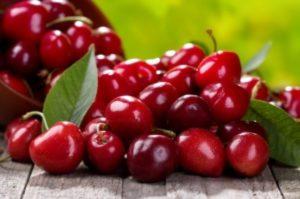
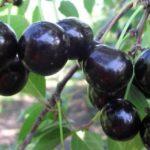
The berries are round, pot-bellied, slightly flattened with a slightly slanted tip, 1.6-1.8 centimeters wide, and weigh an average of 4.0 grams. They are dark red in color, covered with soft, short hairs. The flesh inside the fruit is red, firm, yet quite juicy. The taste is balanced, sweet and sour, with an expert tasting score of 4.0 out of 5 possible points, and the sugar content is 8.2%. The fruits are characterized by a semi-dry break, and they hang on the vine for a long time without falling off.

Application of berries
The Natalie variety of berries is versatile, but has a relatively poor shelf life and transportability. They are eaten fresh and also used for various processing purposes: making jams, preserves, marmalades, juices, compotes, marmalades, and even wine. They are also used in cooking as a filling and decoration.
Characteristics of the culture
Important indicators for good plant development include high resistance to diseases and pests, as well as resistance to frost and drought.
Immunity to diseases and pests
The Natalie variety is resistant to many diseases and pests, particularly clasterosporium (also known as holey spot) and coccomycosis. However, at high humidity, the berries and flowers are susceptible to moniliosis.
Drought resistance, winter hardiness
This variety is highly drought-resistant, but does not tolerate regular waterlogging or stagnant water in the root zone. The plant is also highly frost-resistant. Both old and young shoots tolerate low temperatures well, and the flowers are resistant to spring frosts.

Landing specifics
To ensure high yields, the formation of a beautiful crown, and the health and strength of the tree, it is necessary to choose the right planting site and prepare the soil.

Deadlines
Planting times depend on the region and the type of seedling (bare-root or bare-root). Bare-root plants are planted in the spring, after severe frosts, before bud break.
In autumn, planting takes place in September and until the first half of October in the south, but seedlings in pots can be used throughout the gardening season.
Selecting a suitable site
The planting site for felt cherry should be warm, sunny, and protected from strong gusts of wind. Well-drained soil is essential; it should not be waterlogged, stagnant, or prone to severe spring flooding. Sandy, sandy loam, or loamy soils with a neutral pH are best.
What to plant next to it
First of all, pollinating trees are planted nearby. These include plums, cherry plums, and felt cherries, which have similar flowering periods, as well as peaches and apricots. It's important to maintain a distance so that the vigorous trees don't shade or suppress the relatively short felt cherries.

Cherry trees look spectacular in the foreground of group plantings of ornamental trees and tall plants, with hostas or heucheras suitable at the base. Lilies of the valley, elderberries, violets, and periwinkles also make good neighbors. However, nightshades, conifers, and berry bushes are best avoided near felt cherries.
Preparing the seedling and planting hole
The planting hole is dug depending on the size of the root system; for felt cherry, it's 50 x 50 x 50 centimeters. If necessary, add a drainage layer to the bottom and fill it with a mixture of non-acidic peat, rotted manure, and mature compost. For seedlings, trim any overly long roots to 20-25 centimeters and soak them for a day in a solution of fungicide and growth stimulant. For potted plants, water the substrate thoroughly first.
Landing technology
For this purpose, young plants aged 1-2 years are used. When planting a seedling in a pot or bare root, place it at the same level it was growing at, no higher or lower. A mound of soil is placed at the bottom of the hole, the roots are spread out on it, then covered with soil, lightly compacted, and watered thoroughly.
Further care
Subsequent care, including regular watering, adequate fertilizing, preventative spraying, and proper pruning, plays a huge role in the life of a tree.

How to water
Felt cherry It has good drought tolerance and does not tolerate overwatering. Therefore, watering should be done sparingly, especially in heavy, clayey soils. In the south, water the plant 1-2 times a week; in other regions, 3-4 times a month.
Tree fertilizing
Cherry trees respond well to the addition of organic matter (compost, humus, and non-acidic peat). In the spring, when the buds open, the first feeding with nitrogen fertilizers is applied, followed by phosphorus and potassium fertilizers during flowering and fruit ripening. After harvesting, felt cherry is fed with a universal fertilizer, for example, Master 20.20.20.

Crown pruning
Formative crown pruning of young trees is performed every spring, and sanitary cleaning is carried out throughout the season. For trees older than 5-6 years, rejuvenating pruning is performed in spring, which can almost double the lifespan of a cherry tree—from 10 to 17-20 years.
Prevention: Diseases and Insects
To prevent and treat diseases and control pests, several insecticide and fungicide treatments are applied throughout the season. These can be used in a single tank mix, provided they are compatible. Examples include insecticides such as Aktara, Actellic, and Calypso, and fungicides such as Switch, Horus, and Teldor.

Reproduction
Felt cherry is propagated by cuttings and layering. In the first case, 25-30 centimeter-long cuttings are taken from mature branches in the spring. The lower cut is made at an angle, and the upper cut is straight. They are dusted with a rooting stimulant, and planted in the substrate to the depth of 2-3 buds in a greenhouse or hotbed.
In the second case, in early spring, woody shoots are placed in furrows 6-8 cm deep, pinned with staples, and covered with soil. When propagated by seeds, the new plant does not retain all the characteristics of the mother plant.
Gardeners' reviews
Lyubov Ivanova, Syzran.
"I simply adore this cherry tree, especially when it's in bloom! We eat the delicious berries fresh, make jam, and even make the most delicious preserves."
Alexander Groysman, Moscow.
"An interesting, tasty, and beautiful felt cherry variety. I've been growing Natasha for several years now and I'm happy with it. The key is having two or three plants in the same area for pollination."
Related posts:
 Description and pollinators of the Vladimirskaya cherry variety, planting and care
 Description and cultivation of the best varieties of felt cherry, planting and care
 Description and varieties of cherry variety Shpanka, planting and care
 Description of the 25 best cherry varieties for the Urals and Siberia, planting and care in open ground
 Description and characteristics of 17 dwarf cherry varieties, planting and care
 Description of the Zhukovskaya cherry variety, planting and care in open ground
 Characteristics and description of the Shokoladnitsa cherry variety, pollinators and fruiting
 13 Best Cherry Jam Recipes for Winter