
- The history of the Shokoladnitsa cherry cultivar
- Description and characteristics of the variety
- Tree parameters
- Annual growth and life expectancy
- All about fruiting
- Start
- Flowering and pollinating varieties
- Ripening time
- Tasting evaluation
- Collection and further implementation
- Susceptibility to diseases and pests
- Coccomycosis
- Moniliosis
- Aphid
- Weevil
- Cherry fly
- Leaf roller
- Drought resistance and winter hardiness
- Growing conditions
- Illumination of the area
- Optimal soil composition
- Favorable and unfavorable neighbors
- Temperature and humidity
- How to plant a crop in a plot
- Deadlines
- Selecting a location and preparing a planting hole
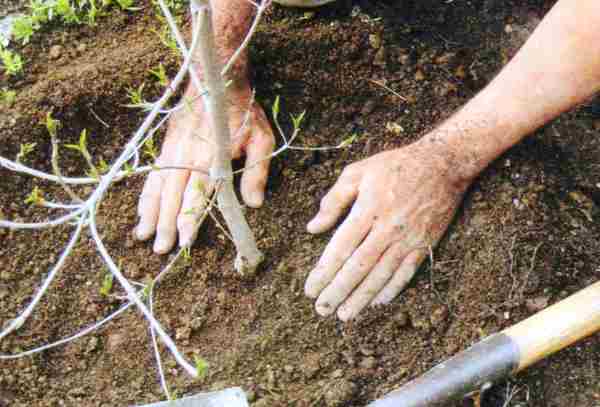
- Algorithm of landing operations
- We organize care
- Watering
- Top dressing
- Formative pruning
- Loosening the soil and caring for the tree trunk circle
- Preventive treatments
- Preparing for winter
- How to propagate cherry trees
- Seeds
- By cuttings
- Emerging problems and solutions
The Shokoladnitsa cherry variety is very popular among gardeners. This plant is suitable for growing in regions with a wide range of climates. The trees are distinguished by their spreading crown and impressive fruit production. This variety is prized by gardeners for its stunning flavor and aroma. Cherries are considered versatile, eaten fresh or processed.
The history of the Shokoladnitsa cherry cultivar
This variety was developed over 20 years ago by specialists from the All-Russian Research Institute of Fruit Crop Breeding. They crossed two dwarf varieties—the Shirpotreb black cherry and the Lyubskaya cherry. In 1996, the variety was added to the State Register of Russia.
This is a common cherry, intended for cultivation in the Central Black Earth and Central regions of Russia.
Description and characteristics of the variety
Cherries are characterized by excellent taste, which is why they are so popular among gardeners.
Tree parameters
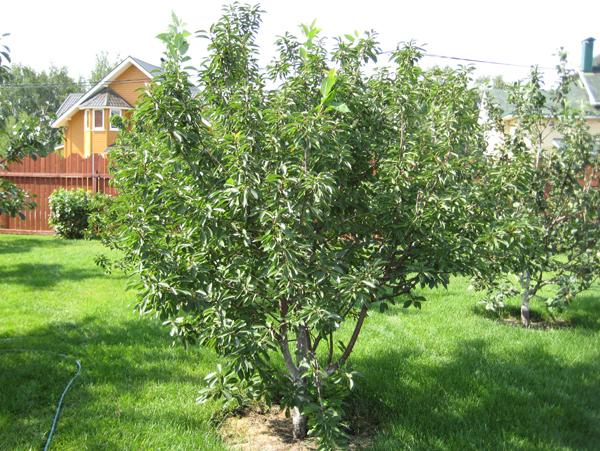
The tree has straight, brown branches that reach 2.5 meters in height. The plant has a sparse crown resembling an inverted pyramid. The leaves have a matte texture and a dark green hue. The white flowers are in three clusters.
Annual growth and life expectancy
Annual growth is small, so recovery is quite slow after each pruning. The tree's lifespan is 17-20 years. However, after 15 years, yields decline significantly.
All about fruiting
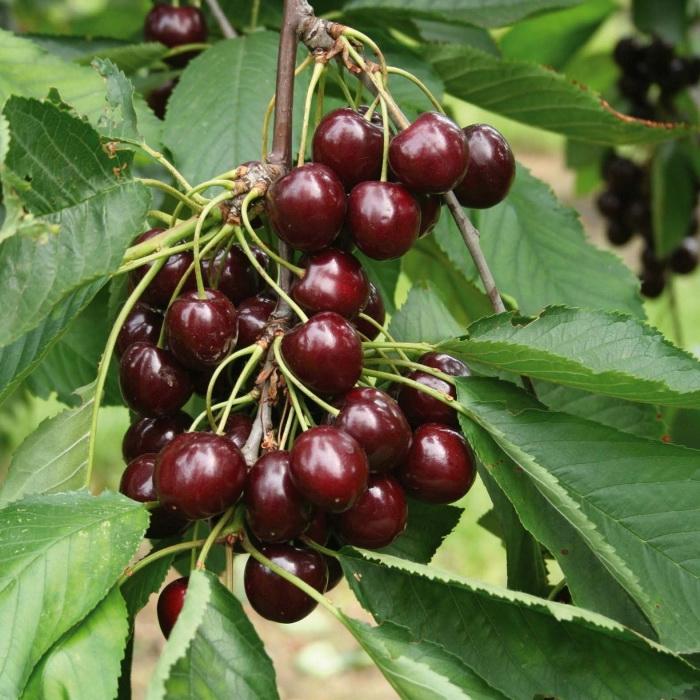
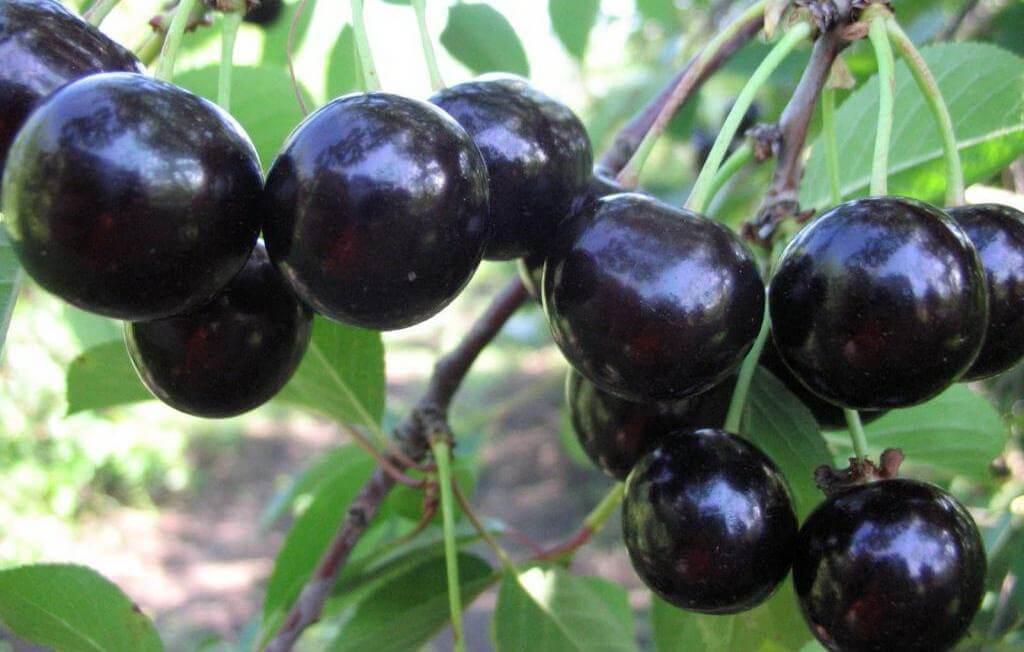
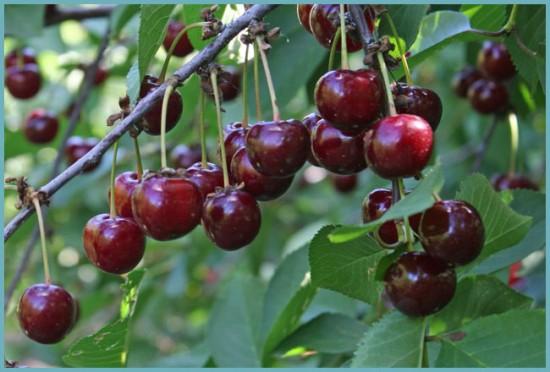
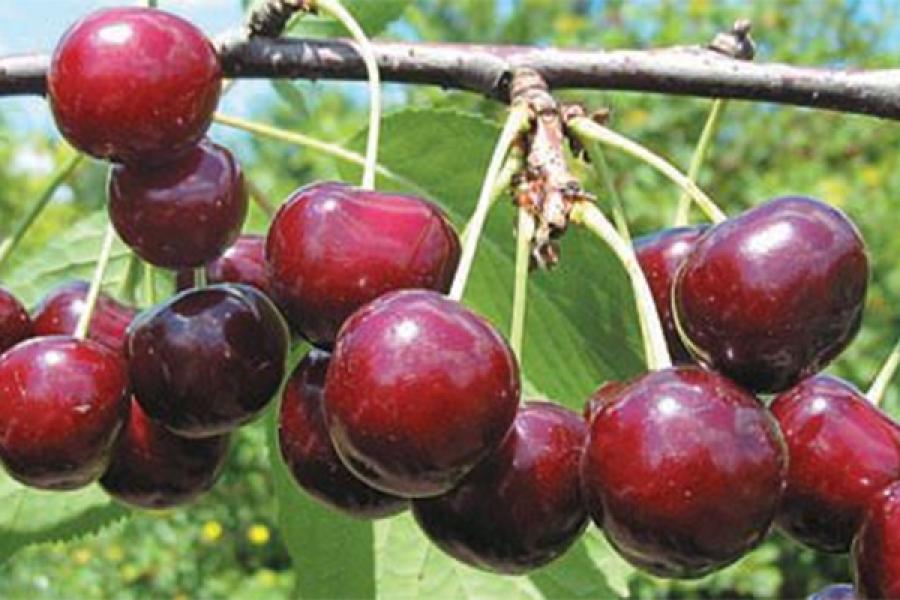
The tree produces a bountiful harvest, distinguished by its excellent flavor. The cherries have a dark brown hue, hence the variety's name.
Start
Fruiting begins in the second half of June. The fruits are medium-sized and weigh approximately 4 grams. The berries resemble cherries. The seeds are round and account for no more than 10% of the fruit's total weight.
Flowering and pollinating varieties
This cherry variety blooms in the first half of May. It produces fruit well when planted nearby with Vladimirskaya and Sklyanka cherry trees, as well as Griot cherry trees. These trees are the plant's pollinators.
Ripening time
The first harvest is obtained around the twenties of June. The first fruits can be harvested only 3-4 years after planting the seedling in its permanent location. The crop is characterized by excellent productivity.
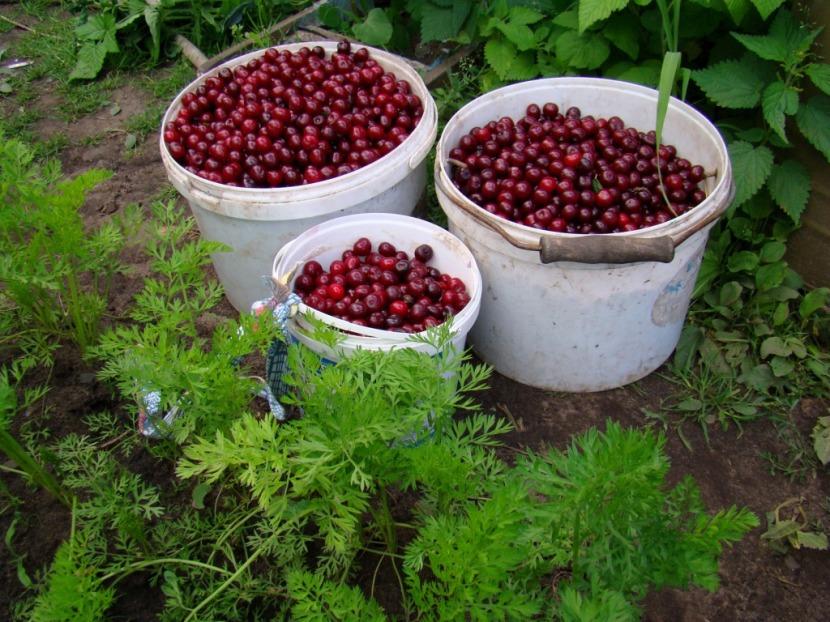
A mature tree produces about 10 kilograms of delicious berries, which is considered an excellent indicator for a low-growing crop.
Tasting evaluation
This indicator ranges from 3.8 to 4 points. The seeds are quite small, weighing no more than 0.28 grams.
Collection and further implementation
The Shokoladnitsa cherries begin to bear fruit 3-4 years after planting. They are considered self-fertile, and therefore produce a consistent harvest. Cherries can be stored in the refrigerator for up to 1 week. The fruits are eaten fresh or used in desserts and preserves.
Susceptibility to diseases and pests
During the cherry growing period, you may encounter various diseases and pest attacks.
Coccomycosis
As the disease progresses, you may notice leaves drying out and fruit wilting. The fungal infection damages branches and blossoms. This reduces the tree's resistance to high and low temperatures. In winter, the pathogen hides in the leaves. Therefore, the first step is to remove plant debris from under the tree.
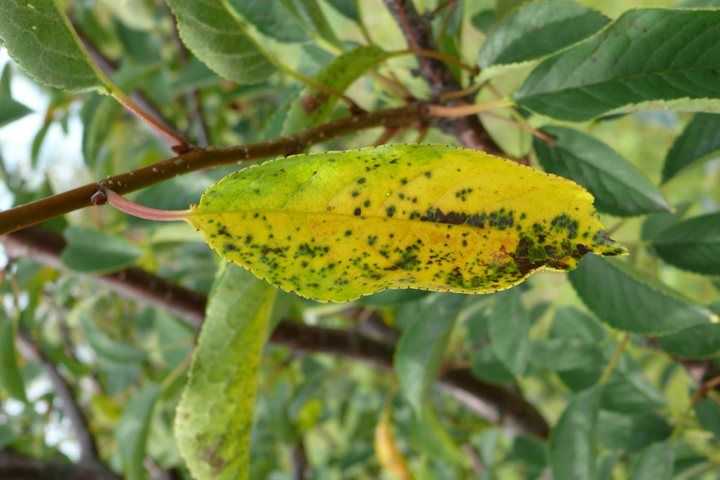
To combat the disease, it is recommended to treat the cherry tree with fungicides. The first treatment is done in the spring, using a 3% Bordeaux mixture. The second treatment is carried out after the blossoms have fallen. For this, use 0.4% copper oxychloride or 0.1% Topsin-M. Skor is also suitable.
Moniliosis
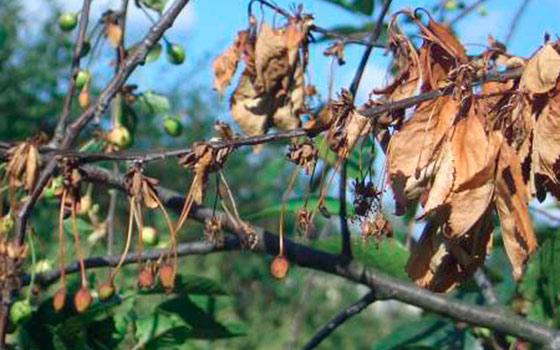
The disease affects foliage, flowers, and branches. As a result, there is a risk of drying out and even complete death of the plant. Fungicides help combat the disease. For treatment to be effective, all infected areas must be destroyed. The fungus overwinters in these areas and can withstand even the most unfavorable conditions. It thrives especially in high humidity. In damp weather, numerous spores are produced and released into the air.
To get rid of the disease, systematically remove infected fruit and prune branches. It is recommended to also prune healthy tissue within 10 centimeters. Before new buds appear, spray the cherry trees and soil with 3% ferrous sulfate or Bordeaux mixture.
Aphid
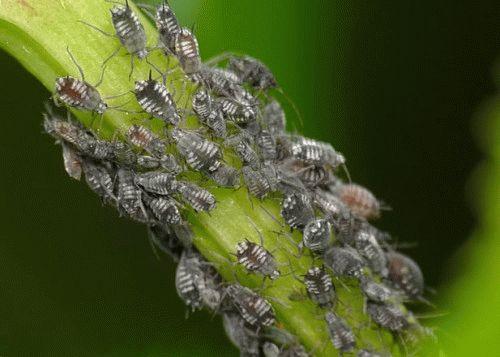
Cherry trees are sometimes attacked by small white insects. Aphids nest on the undersides of leaves. Identifying the pests in the early stages is quite difficult. The main sign is the appearance of ants on the fruit and stems. These are the main carriers of the aphids.
Pests suck out the beneficial elements from the tree and cause severe weakening of the plant. To combat the problem, first eliminate the ants. To do this, find their nests and douse them with kerosene or boiling water.
Treating the tree with 3% Nitrofen will help kill aphids. Use 200 milliliters of the solution per bucket of water. This amount is enough for one tree.
Weevil
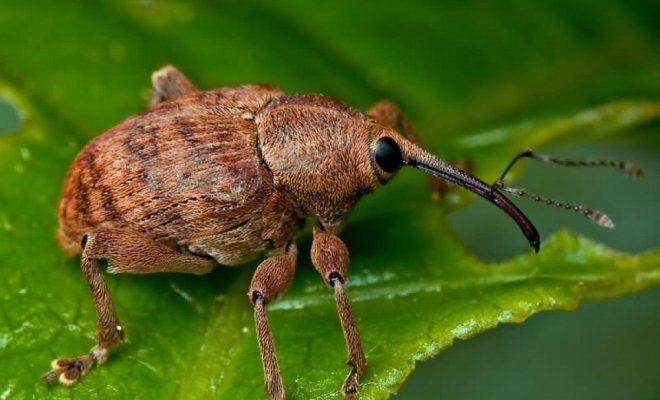
These insects damage not only the crop but also the tree itself. Weevils overwinter in the soil. They are beetles that settle on flowers and lay eggs after the ovary has formed.
First, the pests destroy buds, flower buds, and flowers. Then they eat the fruits and leaves.
To combat weevils, it's recommended to prepare a tomato top decoction. Pour 1 kilogram of tomato tops into 10 liters of water and add 50 grams of laundry soap. Let it steep for several hours. Cool and spray the tree. You'll need 3 liters of the decoction per plant.
To prevent insect activity, loosen the soil regularly. It's also worth removing dead shoots and old bark. If these methods don't work, use a concentrated form of Karbofos. To do this, add 70 grams of the product to 10 liters of water. You can also make a solution of Trichlormetaphos-3 in the same proportions. Repeat the treatment after 10 days.
Cherry fly
This insect is small, measuring up to 5 millimeters. The cherry fruit fly attacks the tree during the ripening period. In early spring, the flies lay their eggs in the bark. As a result, the berries dry out and die. The first symptom of infestation is sudden darkening and rotting of the fruit. Thinning and death of the stalk are also observed.
Insecticide solutions can help control cherry fruit flies. Products such as Iskra, Karate, and Molniya are used for this purpose. Treat trees during the peak fly season. Temperatures should be kept between 18 and 20 degrees Celsius.
Leaf roller
These insects are moths up to 10 millimeters in size. There are different types of pests, each with different types of damage:
- rose - feed on leaves;
- hawthorn - causes leaves to dry out;
- variegated-golden - provokes leaf curling.
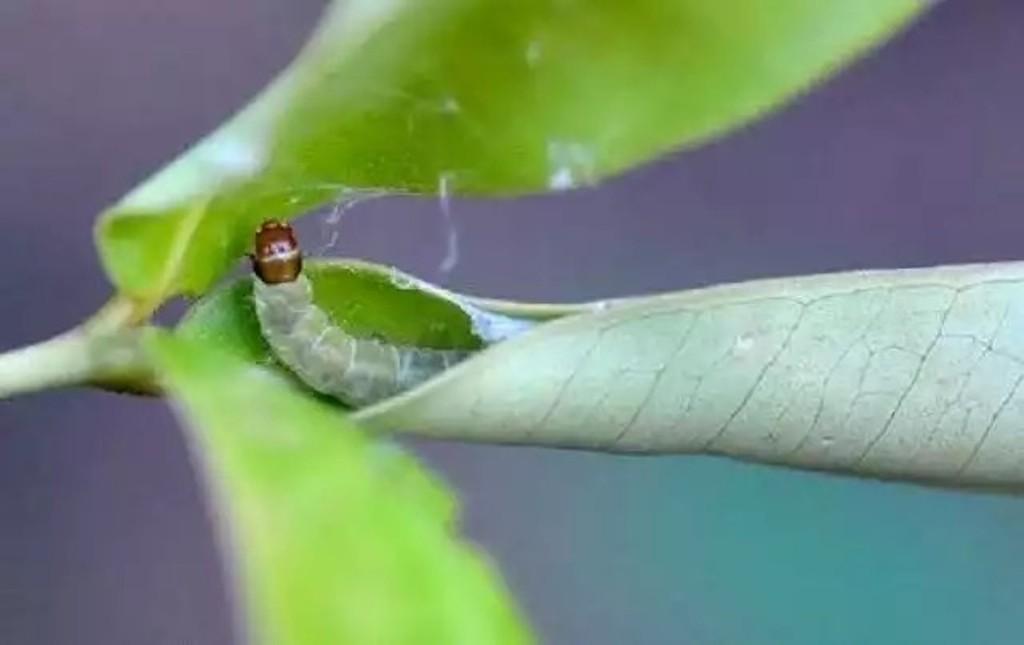
The simplest method for eliminating leaf rollers is treating the tree with insecticides. Bitoxibacillin or Lepidocide are used for this purpose. These products are recommended for use after the flowering period has ended.
For significant leaf roller infestations, use pyrethroids. These include Accord and Ivanhoe. Use 3 milliliters of the product per bucket of water. Use 5 liters of solution per tree.
Drought resistance and winter hardiness
The variety's main advantage is its high resistance to low temperatures and moisture stress. Therefore, it is widely grown in various regions, although it was originally bred for central Russia.
Growing conditions
To obtain a strong tree with good yields, it is necessary to provide it with the right growing conditions.
Illumination of the area
This cherry tree is recommended for planting in sunny, open areas. If there are large buildings or tall trees nearby, Shokoladnitsa should be placed on the south side.
Optimal soil composition
This cherry tree thrives in loose, well-aerated soil. Loamy or sandy loam soil is best. Nutrients added during planting will help increase its fertility.
The soil must be neutral or slightly alkaline. If the soil is too acidic, wood ash or dolomite flour is recommended.
Favorable and unfavorable neighbors
Shokoladnitsa is considered self-fertile. However, to increase yield, it's recommended to plant other cherry varieties nearby, such as Vladimirskaya, Griot, and Sklyanka. The trees should be spaced 2-3 meters apart.
Experts advise against placing Shokoladnitsa near conifers and apple trees. This will suppress the cherry blossoms.
Temperature and humidity
The tree should be planted in the first half of April. This is done when there is no longer any risk of frost. The chocolate tree doesn't like overly wet soil, so it can be safely grown in arid regions.
How to plant a crop in a plot
To plant this cherry variety, it's important to follow a number of recommendations. This will ensure the tree takes root quickly.
Deadlines
You can plant the Shokoladnitsa cherry tree in spring or fall. In the south, autumn is best. In temperate climates, planting should begin in mid-April. The seedlings should be healthy, with firm, elastic branches and well-developed roots. A suitable height is 70 centimeters.
Selecting a location and preparing a planting hole
For planting, choose a site free of lowlands and steep slopes. The area should be open and well-lit. Even slight shade negatively impacts fruit quality and yield. It is recommended to plant cherries on the south or southwest side of the site. Young trees should be protected from cold winds.
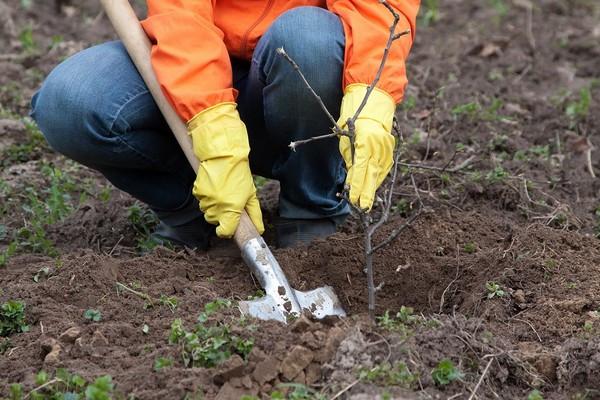
After marking out the area, prepare a planting hole. For fertile soil, choose a size of 70 x 70 centimeters. The hole depth can be 40-60 centimeters. For poor soil, increase the depth by 50%.
Algorithm of landing operations
To plant a cherry tree, you should follow these steps:
- Dig a hole. Move 20 centimeters of the topsoil to the edge of the hole.
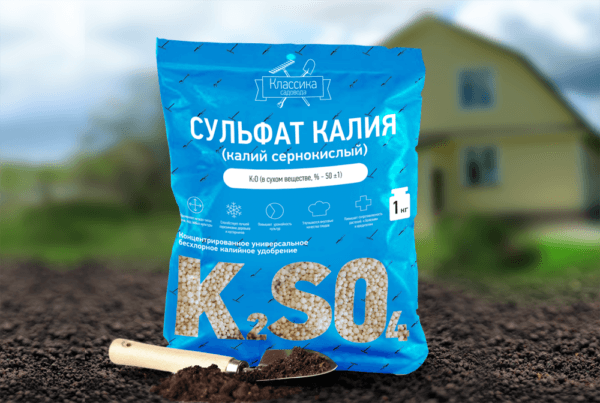
- Mix mineral and organic fertilizers. For this, take 100 grams of superphosphate, 2-3 buckets of compost, 80 grams of potassium sulfate, and 1 kilogram of wood ash.
- Loosen the bottom by 8-10 centimeters and add 10 liters of water.
- Once the liquid has been absorbed, alternately add the fertilizer mixture and soil from the top layer. Fill the hole no more than 2/3 full. Then mix everything thoroughly and compact it lightly.
- It's a good idea to drive a stake into the center for the seedling. For this, use a stake 5-7 centimeters in diameter and 130-150 centimeters long.
- Make a small hill around the support.
- Cut off damaged branches from the seedling.
- Place a slat across the hole. Lean the tree against the support so that the grafting site is 5-8 centimeters above the soil surface.
- Carefully spread the roots and cover with soil. Compact it periodically.
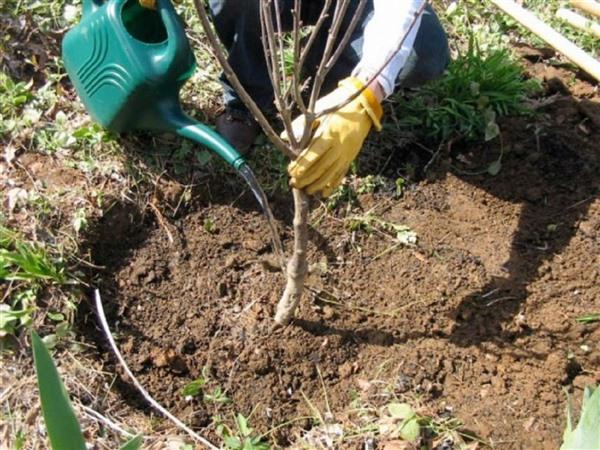
- When the roots are covered with soil by 15 centimeters, the tree should be watered generously and the hole should be completely filled.
- Create a mulch layer of peat or humus. Its thickness should be 10 centimeters.
- Carefully tie the cherry tree to the support.
We organize care
In order for a tree to develop normally, it needs to be provided with high-quality and comprehensive care.
Watering
For watering, make two small furrows. For the first, set them 0.5 meters from the trunk, and for the second, set them 0.5 meters from the first. Pour 30-40 liters of water under the tree. Once the water has been absorbed, loosen the soil and mulch with peat. Four deep waterings are needed during the season. These are done during the fruit formation period, at the end of June, two weeks before the cherries fully ripen, and one month before the expected frost.
Take a look Also

Top dressing
Nitrogen and mineral fertilizers are used to improve the soil composition. Cow manure and compost are considered optimal. Cherry trees should be fed twice a year. In the spring, ammonium nitrate and superphosphate are applied. In the fall, the tree requires phosphorus, potassium, and lime.
Formative pruning
Young trees are pruned annually. This procedure is necessary for proper crown formation. It is performed in the spring, before buds appear. After pruning, the stumps are treated with garden pitch. It is important to ensure the crown maintains a pyramidal shape. Dead branches should also be removed.
Loosening the soil and caring for the tree trunk circle
If the tree is still young, the soil should be loosened once a week. This will provide the developing roots with the necessary amount of air. It's important to keep weeds away from the tree.
Preventive treatments
The Shokoladnitsa cherry tree often experiences fungal infections. To prevent this, regularly inspect the tree for infected branches and leaves. If an infection is detected, the affected areas should be removed and the tree treated with special preparations.
Preparing for winter
To prepare a tree for winter, you should do the following:
- remove and burn fallen leaves;
- dig up the tree trunk circle;
- perform moisture-charging irrigation - take 60-80 liters of water for each tree;
- mulch the tree trunk circle with humus;
- whitewash the trunk;
- wrap the tree with spruce branches or non-woven material.
How to propagate cherry trees
Cherry trees can be propagated in a variety of ways. The easiest way is using seedlings, which can be purchased at a garden center. However, there are other methods.
Seeds
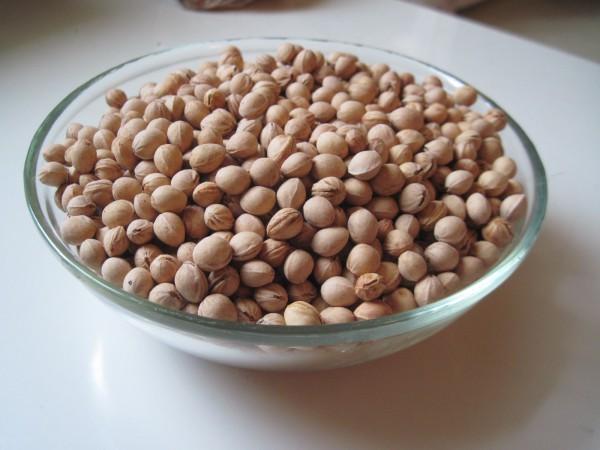
Cherry trees should be propagated by seeds in the fall. To do this, separate the pits from the pulp and place them in a solution of potassium permanganate. Then sprinkle them with sawdust or damp moss. In October, transplant the seeds to the garden beds. Expect sprouts to appear in the spring. Thinning them out is recommended at this time.
By cuttings
To implement this method, prepare the cuttings in early July. Use branches that have just begun to harden at the base. They should be cut back to 30 centimeters. To accelerate root formation, treat the branches with a growth activator. The cuttings are planted in the soil to a depth of 2-3 centimeters.
Emerging problems and solutions
When growing cherries, there is a risk of the following problems:
- low yield;
- poor survival rate of seedlings;
- absence of fruits;
- a small number of ovaries;
- infection by diseases or attacks by pests.
Regular care of your seedlings will help avoid such problems. This includes watering, fertilizing, and pest control.
The Shokoladnitsa cherry tree boasts excellent flavor and a high yield. To ensure a robust plant, follow proper planting and care guidelines.
Related posts:
 Description and pollinators of the Vladimirskaya cherry variety, planting and care
 Description and varieties of cherry variety Shpanka, planting and care
 Description of the 25 best cherry varieties for the Urals and Siberia, planting and care in open ground
 Description and characteristics of the miracle cherry hybrid, planting and care of the variety
 Description and propagation of the Bessey cherry variety, planting and care rules
 Description and cultivation of the best varieties of felt cherry, planting and care
 Methods for planting and propagating cherries at home
 Description and pollinators of the cherry variety Malyshka, growing rules