
- Description of the culture
- Advantages of planting on a plot
- What are the benefits of cherry plum fruits?
- Selecting the zoning of a variety
- For the Moscow region and central Russia
- For Siberia and the Urals
- For the Altai Territory
- For southern regions
- What conditions does culture require?
- Temperature conditions
- Illumination
- Suitable soil
- Favorable and unfavorable neighbors
- Cherry plum planting technology
- Timing of planting operations
- Preparing the site and seedlings
- Algorithm and schemes for planting a tree
- How to properly care for cherry plums in an open area
- Watering
- Weeding and mulching
- Top dressing
- Protection from diseases
- Pruning and shaping trees
- Methods of reproduction
- In what year does it begin to bear fruit?
- How to harvest and store fruits
- What difficulties may you encounter?
Caring for and growing cherry plums requires gardeners to strictly follow basic rules and recommendations. To achieve high yields, it's important to water the plant regularly, ensure proper care of the trunk area, fertilize the soil, and perform formative pruning. Disease and insect control are also crucial.
Description of the culture
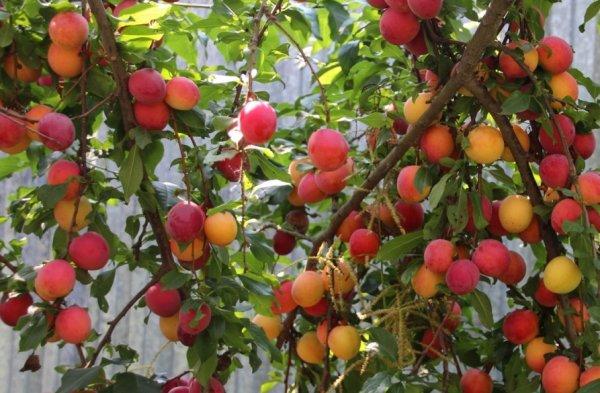
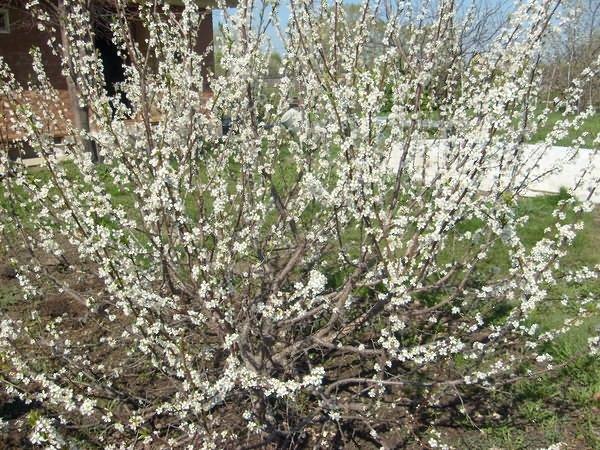
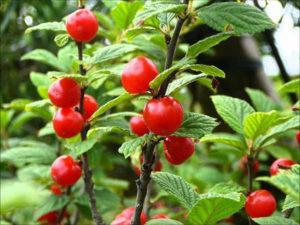
Cherry plum is a branched tree or shrub, ranging from 1.5 to 10 meters in height. It is characterized by strong roots and slender, brownish-green shoots. The plant has elliptical leaves. Flowers can be white or pink and appear in early May.
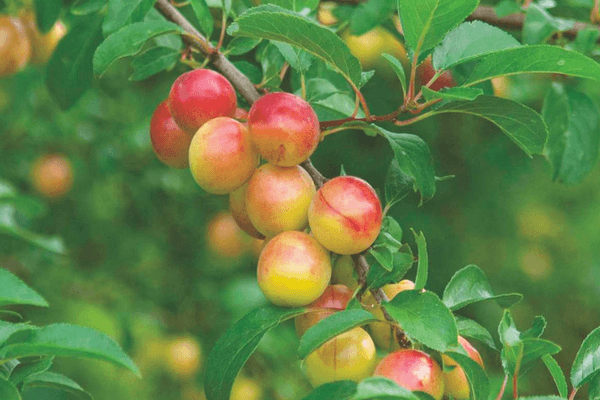
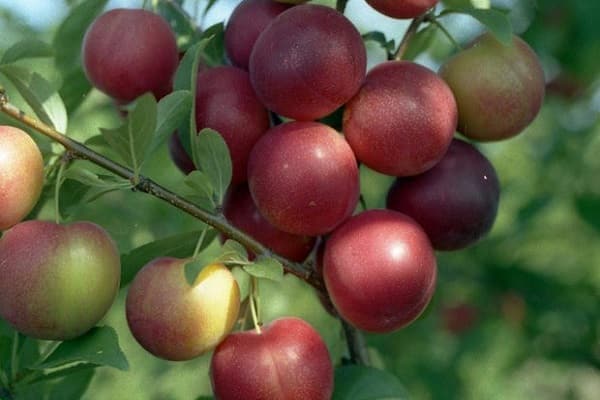
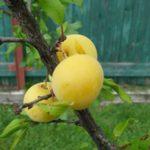
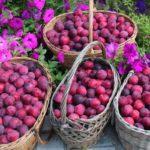
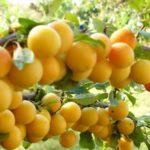
The tree produces juicy fruits that are elongated, round, or flattened. They come in green, pink, yellow, or purple. A slight waxy coating can be seen on the surface. The pit is round or elongated.
The harvest ripens at different times, from July to September. The exact timing depends on the variety. The tree lives 30-50 years. Most varieties are considered self-sterile. For cherry plums to bear fruit, a plot must have at least two trees that bloom at the same time.
Advantages of planting on a plot
Cherry plum is considered a popular crop. It has many benefits:
- It grows in almost all types of soil. However, cherry plum does not tolerate overly acidic or overly alkaline soils.
- It takes root well and produces a harvest the following year.
- Characterized by high yields, a single tree can yield up to 30-35 kilograms of fruit.
- Tolerates hot weather easily.
- Some varieties ripen in late July or early August.
- It can be propagated by various methods – cuttings, grafting, layering.
- It is considered an excellent early honey plant.
- The fruits contain many vitamins, acids, and microelements.
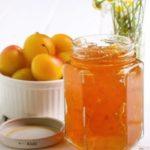
- It is widely used in cooking. Cherry plums are used to make sauces, marmalade, compotes, and preserves.

What are the benefits of cherry plum fruits?
The value of cherry plums lies in their tasty and nutritious fruits, which boast excellent dietary properties. They contain low amounts of sugar, making them slightly inferior to plums in flavor. However, cherry plums surpass plums in their nutritional content.
The fruit contains many vitamins, organic acids, and microelements. It also contains beneficial pectin.
The optimal combination of valuable components, low sugar content, and low calorie content make cherry plums ideal for dietary use in those with excess weight. The fruit can be consumed during pregnancy. It is beneficial for children and the elderly. Fresh cherry plums can help overcome vitamin deficiencies, digestive problems, and circulatory issues.
Selecting the zoning of a variety
To ensure successful cherry plum cultivation, it's essential to choose the right variety. For this, it's recommended to consider the region's climate.
For the Moscow region and central Russia
This region is characterized by fairly severe winter frosts. Temperatures can reach -25 degrees Celsius. In high humidity conditions, cherry plums are at risk of freezing. Gardeners recommend choosing varieties that can withstand these conditions.
In the middle zone, it is recommended to plant the following plants:
- Shater is an early variety that produces large purple fruits with a sweet and sour flavor. Fruiting begins after 4-5 years.
- Mara – the harvest can begin in early July. The fruits have yellow skin and sweet flesh.
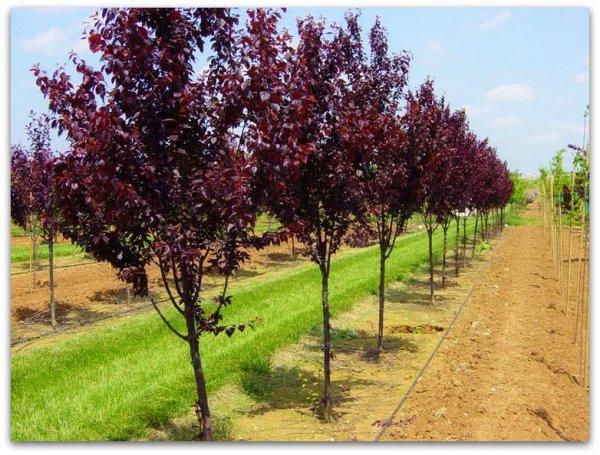
- Lama is a hybrid variety that produces a bountiful harvest and boasts excellent ornamental qualities. This makes the tree a true garden ornament. The reddish leaves contrast beautifully with the ripe fruit. Protect the plant from strong winds.
- Scythian Gold – a tree reaching 3 meters in height. It begins bearing fruit after 4 years, producing golden berries with a delicate, sweet flavor.
- Vladimirskaya Kometa produces large fruits with orange flesh. With proper care, it produces an excellent harvest.

For Siberia and the Urals
These regions are characterized by a harsh climate. Therefore, it is recommended to choose frost-resistant varieties. These include:
- Cleopatra is considered a self-sterile plant, characterized by purple fruits;
- Nesmeyana is an early tree;
- Traveler - gives a good harvest;
- Mara is distinguished by its resistance to diseases.
Low-growing plants produce a good harvest and easily survive the winter, provided they are properly protected. Proper care will ensure a high yield.
For the Altai Territory
In this region, cherry plum is recommended for planting everywhere. Many hybrids grow in gardens and can withstand severe frosts and drought. The following varieties are suitable for Altai:
- Scarlet Dawn – the harvest ripens in mid-July. The plant produces fruits of a rich red hue.
- Mars – cherry plum ripens in early August and has burgundy fruits.
- Almond – produces large orange fruits weighing 30 grams.
- Ruby – has beautiful red leaves, pink flowers, dark fruits.
For southern regions
In warm climates, any cherry plum hybrid can be grown. Experienced gardeners recommend sweet varieties such as Dessert and Tsarskaya. Grafting can produce fruits that taste like peaches or apricots.
The Kuban Comet plant is often cultivated in the south. In southern regions, the trees are frost-resistant.
However, deep snow cover and zero temperatures will cause the base of the trunk to begin to rot.
What conditions does culture require?
To grow cherry plums, it's important to follow a number of recommendations. Lighting, temperature, and soil composition are all important.
Temperature conditions
Cherry plum tolerates low temperatures quite well. It's not affected by recurrent frosts. The planting period should be chosen based on the variety. If you buy a seedling with closed roots, plant it in the spring or even summer. In the south, the plant is planted in the fall.
Illumination
Cherry plums should be planted in a sunny spot. Don't expect a rich harvest if planted in shaded areas. A gentle slope facing west or north is best. If you plant the tree on the south side of a building, you can expect larger fruits.

Suitable soil
Cherry plum prefers soil with neutral pH. It's best to choose sites with deep groundwater. The soil should also be loose and permeable to water and nutrients.
Favorable and unfavorable neighbors
Cherry plums are generally considered self-sterile. Therefore, it's recommended to plant pollinators nearby. These include the Puteshestvennitsa cherry plum, the Skoroplodnaya plum, or the Krasny Shar plum. For mid-season varieties, consider the Mara, Vitba, and Asaloda cherry plums.
Self-fertile varieties are also available. They produce fruit without additional pollinators, but planting other cherry plum varieties significantly increases yield.
It's important to remember that not all crops are compatible. If the plants' roots are at the same level, they begin to compete for nutrients. Avoid planting walnut trees, pear trees, apple trees, cherries, or sweet cherries near cherry plums.
It's not recommended to plant this crop near ornamental plants. For example, birch should be kept away from fruit trees. This plant has powerful roots that will suppress its neighbors.
Cherry plum planting technology
To get a strong plant, it is necessary to carry out planting work correctly.
Timing of planting operations
The choice of variety influences the planting time. A seedling with closed roots can be planted in the spring. In the south, it is recommended to plant the crop in the fall.
Young trees can be planted outdoors in August or September. Late-season varieties can be planted until mid-October. It's important for the trees to establish themselves before the cold weather sets in. Cherry plums are usually planted in the spring, preferably before bud break.
Preparing the site and seedlings
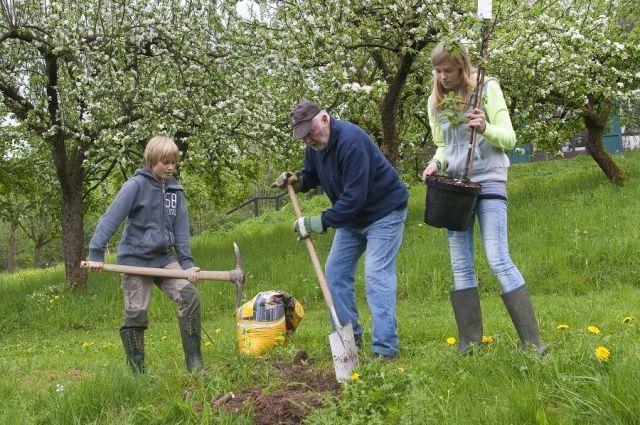
First, prepare the planting holes at your dacha. They should be 50-60 centimeters deep and wide. On sandy soil, the width should be increased to 1 meter. Maintain a 2.5-3 meter gap between trees.
It's recommended to properly prepare seedlings for planting. If the roots are in a container, they should be removed and watered thoroughly.
If the plant has exposed roots, remove any rotten or dry parts and soak them in a bucket of water for 24 hours. Before planting, soak the tree in a clay slurry with a special root-forming agent.
Algorithm and schemes for planting a tree
It's recommended to make a mound of compost in the center of the hole. Place the tree on it, and place a stake nearby. Support the seedling with your hand and fill the hole with soil. Shake the tree periodically to ensure the soil is evenly distributed among the roots.

It's important to monitor the position of the root collar. Cherry plums should be planted so that this part of the tree is at ground level or a few centimeters above. Finally, tie the seedling to a stake and water the plant. Use 20-30 liters per tree.
How to properly care for cherry plums in an open area
To ensure normal development of the cherry plum, the tree needs to be provided with comprehensive and high-quality care.
Watering
During the first year of life, the tree requires abundant soil moisture. From the second year onward, the frequency of watering should be reduced. High soil moisture and high nitrogen levels increase the risk of aphid infestation. 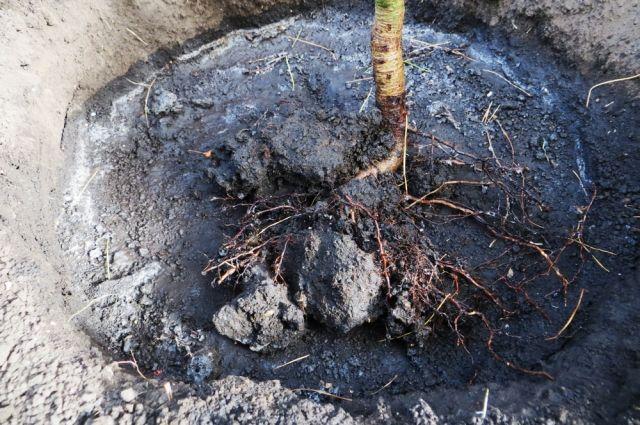 In summer, cherry plums are watered 2-3 times. In August, watering should be stopped. Watering the tree is not recommended in winter.
Weeding and mulching
In arid regions, the tree's trunk area should be constantly covered with mulch. If moisture levels are within normal limits, mulching is only necessary every 1-2 years. It's best to apply a layer of peat or humus around the plant. Its thickness should be 8-10 centimeters.
The soil under the cherry plum needs to be loosened and weeded frequently – this is done 4-5 times per season.
Top dressing
If planted correctly, fertilizing is not recommended for the first 2-3 years. Once the plant begins to bear fruit, it's time to apply fertilizer. For each square meter, we recommend 2-3 kilograms of manure, 30-50 grams of phosphate fertilizer, and 12-15 grams of ammonium nitrate. These should be applied in the fall, during soil tillage.
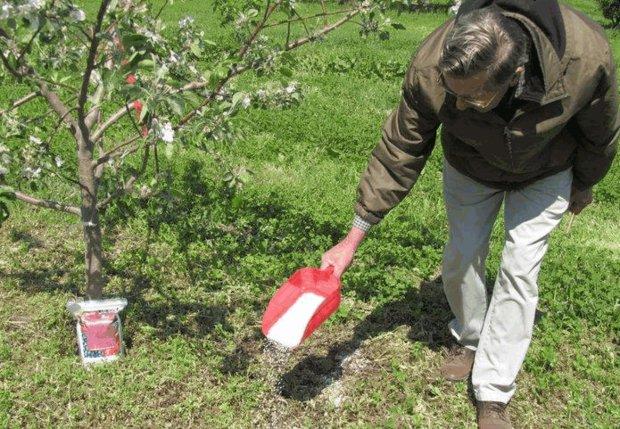
After flowering, the tree can be fertilized with a nitrogen-potassium fertilizer. This consists of 10 grams of ammonium nitrate and 5 grams of potassium salt. This amount is used per bucket of water. Cow manure can also be used, mixed with water in a ratio of 1:5. If using bird droppings, dilute it with water in a ratio of 1:12.
During the fruit setting period, phosphorus and potassium complexes are applied. After harvesting, a solution based on superphosphate and potassium salt should be applied.
Protection from diseases
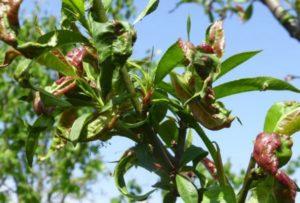
Cherry plums are often susceptible to fungal diseases. These include holey and brown spot. These diseases cause the leaves to become covered in spots and holes. Additionally, cracks form on the tree and gum oozes. Cherry plums are also susceptible to coccomycosis, a disease that can destroy the entire crop. It is accompanied by the appearance of red or brown spots on the leaves and stems. After some time, the leaves die, and fruit development stops.
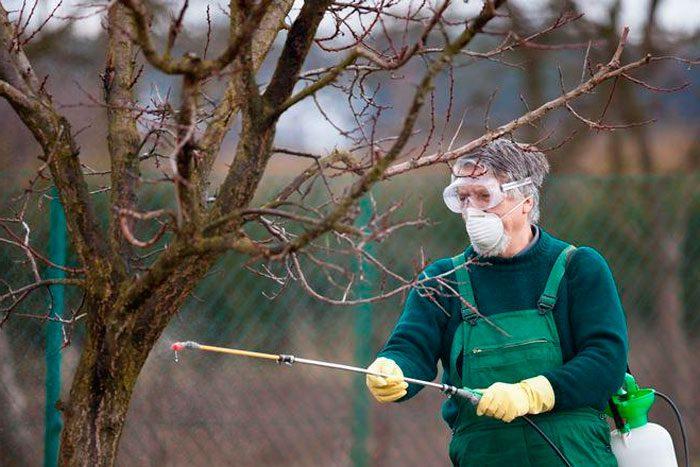
In addition, cherry plums often suffer from moniliosis. This disease destroys the harvest. Branches dry out, and the fruit rots. The fruit becomes covered with brown growths. To prevent such problems, it is necessary to collect and burn plant debris. It is also worth spraying the tree with Bordeaux mixture. This should be done three times during the season.
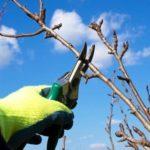
Pruning and shaping trees
To ensure a full harvest, the tree should be pruned in a timely manner. To do this, follow these steps:
- For the first two years, it's best to remove all branches. The trunk should remain clear 40-60 centimeters above the ground. There will be 3-4 skeletal branches.
- The shoots near the trunk should be cut off every year.
- It is recommended to pinch the tops of young seedlings. This should be done in the summer.
- In the 3rd or 4th year, it's worth cutting out the central conductor located above the third scaffold knot. This will help form a cup-shaped crown.
- In spring, the crown is thinned. This involves removing dead branches. It's also worth removing shoots that are closer than 20 centimeters to each other.

Methods of reproduction
Some cherry plum varieties can be propagated using seeds. However, in most cases, vegetative methods are used. These include cuttings, grafting, and root suckers.
Seed propagation fails to preserve the varietal characteristics of the parent plant. This method is also not used for growing rootstocks.
The simplest method is to propagate cherry plums by suckers. The material should be kept away from the mother plant. These suckers have well-developed roots. To do this in the spring, simply dig up the sucker and cut off the mother root. The dug-up sucker is then transplanted to its permanent location.

Cherry plums are also propagated by cuttings. The material is prepared in spring or fall, using the most productive crops. To do this, dig up the roots and cut them into 15-centimeter-long cuttings.
In spring, the cuttings can be planted in loose soil, deepening the top 3 centimeters. The cuttings are allowed to grow for 1-2 years before being transplanted to a permanent location.
Cherry plums are often propagated by grafting. To do this, take a cultivar cutting and select a tree to graft onto. There are several methods for this, including a T-shaped cut, grafting through the bark, and others.
In what year does it begin to bear fruit?
Most cherry plum varieties begin bearing fruit after 4-5 years. With proper care, single fruits may appear on the branches earlier than expected. Many factors influence yield, including climate and weather conditions.
How to harvest and store fruits
When harvesting, the berries should be picked from the tree, stems included. Afterwards, it's recommended to store them in baskets. The harvest can be stored for 5-10 days. Cherry plums are widely used in cooking, making jams, compotes, and sauces.
What difficulties may you encounter?
When growing cherry plum, you may encounter various difficulties:
- The plant does not tolerate crowding well. Therefore, when planting trees, maintain a distance of 2.5-3 meters.
- If the crown is thinned too much, there is a risk of summer burns or winter frostbite.
- If gray growths appear on the fruit, you may suspect the development of moniliosis. In this case, the affected fruit should be removed immediately, and dry branches should be pruned and burned. After harvesting, the tree should be treated with Bordeaux mixture. Fallen leaves should be burned. They should not be composted, as this will lead to a recurrence of the disease.
Cherry plum is a popular fruit crop often grown by gardeners. To ensure a good harvest, the plant requires proper care. This includes timely watering, pruning, and fertilization. Disease and pest control is also crucial.
Related posts:
 Description and cultivation of the 15 best cherry plum varieties for the Moscow region, planting and care rules
 Description and cultivation technology of the Mara cherry plum variety, pollinators
 Description of the Kubanskaya Kometa cherry plum variety, planting and care details
 Description of the cherry plum variety Zlato Skifov, cultivation and pollinators
 Simple recipes for making cherry plum jam with and without pits for the winter
 Description and characteristics of the cherry plum variety Naydena, cultivation technology
 Descriptions of the 20 best cherry varieties for the Moscow region, their planting and care
 Rules and timing for pruning cherry plum in summer, crown formation scheme