
- What diseases does apricot have: signs of damage and treatment
- Localization of diseases
- On the foliage
- On the trunk
- On the fruits
- Viral and bacterial infections
- Ribbon mosaic
- Ringpox
- Plum pox
- Bacterial spot
- Fungal infections
- Valsa's mushroom
- Gum flow
- Gray fruit rot
- Cytosporosis
- Rust
- Verticillium wilt or vertical wilt of trees
- Moniliosis (monilial burn)
- Clasterosporium, or holey spot
- Scab
- Can scab-infected apricots be eaten?
- Coccomycosis
- Apricot pests and their control
- Leaf roller
- Peach and plum codling moth
- Aphid
- Preventive garden treatments
It's hard to imagine a garden without a fragrant apricot tree producing delicious, juicy fruit. One of the crucial factors determining successful cultivation is proper and timely care. Failure to follow the necessary technical steps or ignoring them completely weakens the immune system and often leads to infection, disease, and death of the apricot tree.
What diseases does apricot have: signs of damage and treatment
Detecting the first signs of disease in the early stages allows for an effective treatment plan, maintaining yield, and saving the tree from certain death.
Localization of diseases
Depending on the location of the apricot disease and its distinctive features, an accurate diagnosis can be made and treatment can begin as quickly as possible.
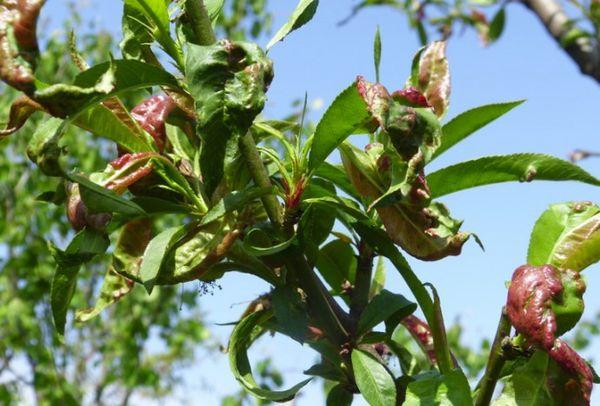
On the foliage
Damage to the leaf blade in the form of discoloration and dried areas can indicate a number of the following diseases:
- rust;
- bacterial spot;
- scab;
- viral wilt;
- ribbon mosaic.
On the trunk
Damage to the bark and the trunk itself allows us to judge the onset of:
- ringpox;
- cytosporosis;
- verticillium wilt;
- moniliosis.
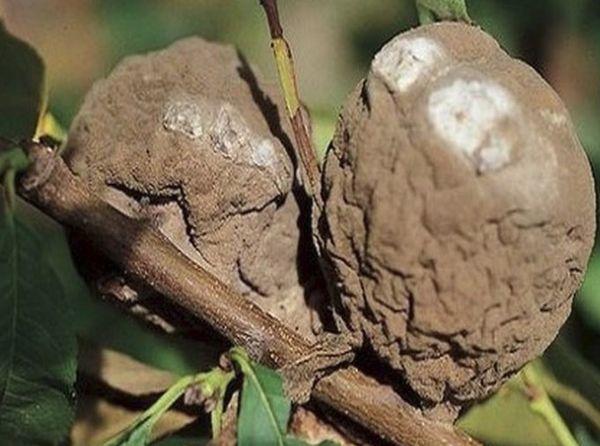
On the fruits
Damage in the form of spots, dots of various colors, and cracking of fruits indicate diseases such as:
- scab;
- coccomycosis;
- Clusterosporiosis;
- moniliosis;
- brown rust.
Viral and bacterial infections
Viral and bacterial infections of apricots are quite difficult to combat. The following measures can help prevent their development:
- purchasing and planting a healthy seedling in open ground;
- timely application of fertilizers to the tree trunk circle;
- careful pruning and treatment of damaged branches with garden pitch;
- Autumn whitewashing of the trunk with a solution of lime and copper sulfate.
Often the above measures are enough to grow a healthy, strong tree.
Ribbon mosaic
If numerous yellow veins appear on the leaf blades, the leaves suddenly wither, and fall prematurely, the apricot tree has been affected by band mosaic.
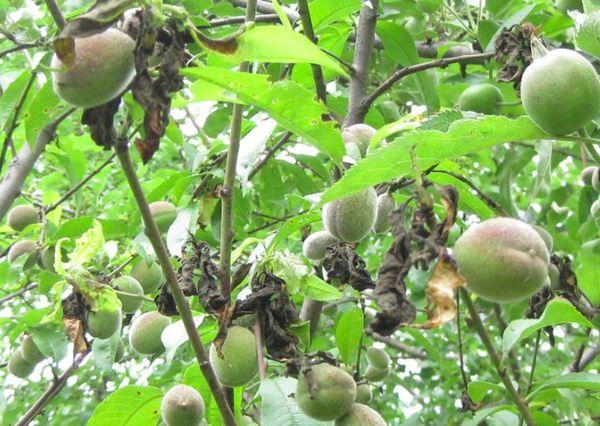
Blackening of the pulp near the fruit pit, the appearance of black spots on the fruit and compaction on the leaves, as well as their curling, indicate viral wilt.
Ringpox
Slow growth of young shoots, smaller and distorted foliage, formation of dark red swellings on fruits and their premature fall, and drying of branches indicate the spread of ring pox.
Plum pox
Sunken light spots on the fruit and dry flesh, premature ripening of the fruit and changes in its taste warn the gardener of the onset of plum pox.
Bacterial spot
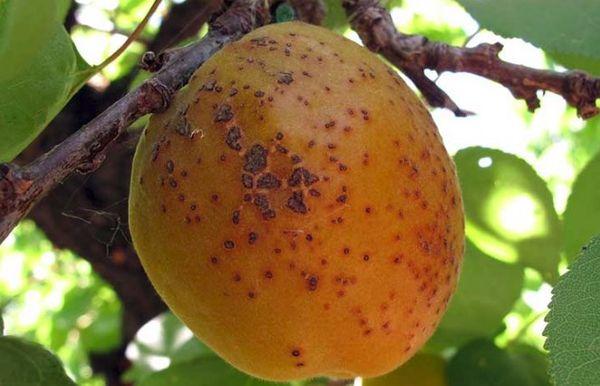
Dark water-soaked spots on leaves and fruits indicate a disease called bacterial spot.
Fungal infections
Common fungal diseases of apricots are easier to prevent and manage. Preventative measures for all types of fungus are standard:
- use of copper-containing drugs;
- proper health pruning;
- fertilizing and periodic loosening of the tree trunk circle;
- preventing over-watering.
It's best to buy young seedlings for your garden plot from reputable nurseries with favorable reviews. They carefully process all planting material, and the risk of purchasing a weak or infected tree is minimal.
Valsa's mushroom
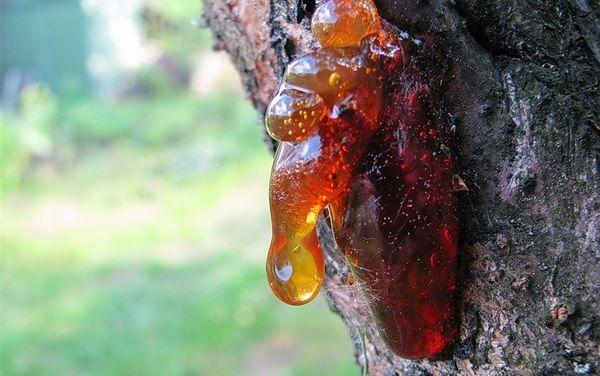
When infection enters open wounds, a disease caused by Vals's fungus often develops. This disease is easily identified by eye: distinctive amber-brown growths are visible on the bark.
To prevent the disease, a number of measures are taken:
- loosening the near-trunk zone;
- mulching;
- timely health pruning.
Treatment is carried out using fungicidal agents.
Gum flow
Severe frosts and temperature fluctuations, mechanical damage, and excessive pruning cause wounds in damaged and poorly treated areas, where resin oozes out. The gum accumulates as small growths on the branches and trunk.
Damaged areas require thorough cleaning with a sterile instrument, treatment with copper sulfate and blocking with garden pitch.
Gray fruit rot
During rainy weather, a few days before harvest, light brown spots may appear on apricots, gradually spreading throughout the fruit. The apricots rot and fall off, causing massive crop losses. This is the onset of garden fruit rot. Rotten fruits typically do not fall off but remain on the branches, spreading the dangerous fungus throughout the orchard.
To prevent this situation, annual spring treatment of the tree with Bordeaux mixture will help.
Cytosporosis
Apricots are often affected by Cytospora leaf spot, a disease caused by the fungus Cytospora. The disease manifests itself as leaves turning brown and then drying out. Fruit on affected trees become covered with grayish-smelling bumps and sprouting pink threads. The tree gradually dries out.
If this disease is detected, immediate removal of all affected areas, timely implementation of all agricultural practices, and treatment with fungicides are required. The disease can be controlled in its early stages. When the fungus penetrates deep into the wood, the tree dies.
Rust
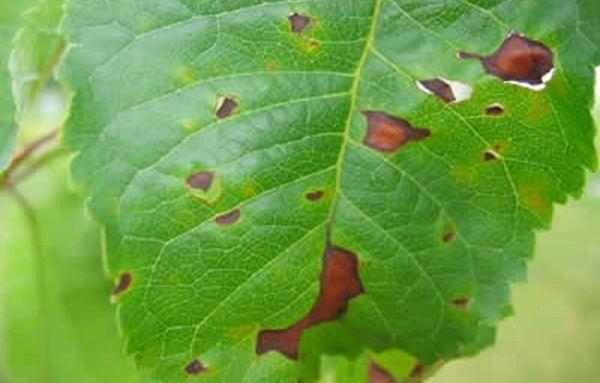
Characteristic yellowish spots on the undersides of leaves and petioles indicate rust. Over time, pads containing fungal spores form on the leaf blade. In the early stages, the disease can be controlled by spring treatment with Bordeaux mixture. In advanced cases, repeat the treatment several times, with two-week intervals.
If fruit has begun to form on the tree and chemical treatments are not possible, folk remedies can help combat rust. One such method is treating the apricot tree with a thick solution of ash and laundry soap.
Verticillium wilt or vertical wilt of trees
Verticillium wilt is a common disease in temperate regions. It most often manifests itself in early summer as yellowing foliage. This is followed by gradual leaf loss, and by late summer, the affected areas of the apricot tree are leafless.

A cut branch can be used to accurately diagnose verticillium wilt. Dark brown spots are visible on infected wood. The disease progresses slowly, but it stunts tree growth and reduces productivity.
Moniliosis (monilial burn)
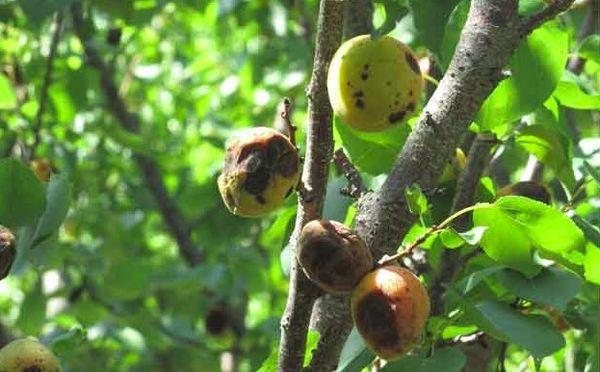
A common spring disease is monilial blight, which occurs during the flowering period during rainy weather and high humidity. When a tree is infected with monilial blight, the blossom end rots, and the leaves dry out and curl. Young shoots and branches are then affected. If left untreated, the tree will die within a few years.
At the first sign of this disease, all affected areas are removed. Preventative measures include:
- timely pruning of dry, weak and diseased branches;
- application of fertilizers;
- in spring, spray the bush with Bordeaux mixture;
- The trunk is treated with copper sulfate and lime.
Three treatments with various products during the pink bud stage, flower bloom, and peak flowering period will effectively combat moniliosis. Later treatments are ineffective and will not yield any results. Preventative treatments are carried out with systemic fungicides.
Clasterosporium, or holey spot
The appearance of brown spots on leaves, flowers, and ovaries indicates a clasterosporium infection. In later stages, the fruit may burst. This disease is particularly common in southern Russia.
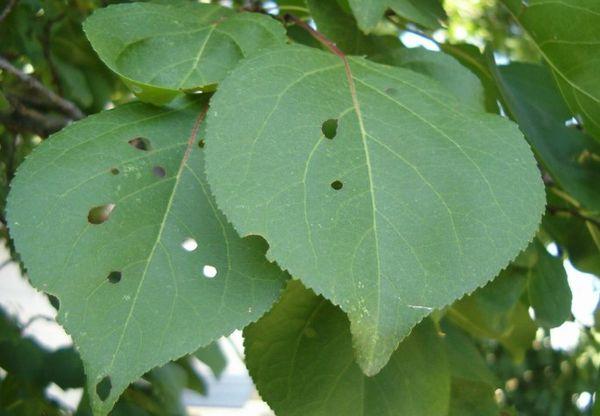
In early spring and fall, apricot trees are treated with Bordeaux mixture. This treatment involves completely removing and burning damaged areas. Open wounds after pruning are carefully coated with garden pitch.
Scab
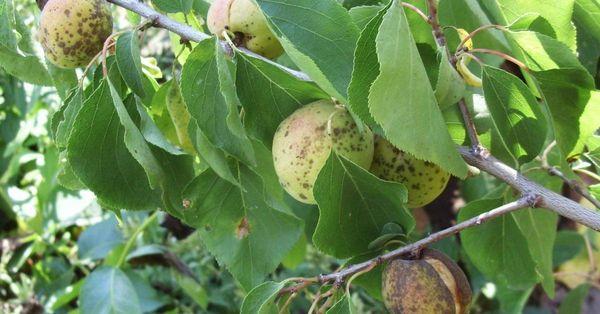
A dangerous disease called scab often overwinters on leaves left unharvested in the fall. High temperatures and frequent spring rains cause the fungus to spread through damp trees. Scab damage to apricots can be noticed as early as May.
The first signs are dark green spots on the foliage, gradually turning dark. The affected leaf dries up and falls off. Young shoots are the next to be affected. In advanced stages, the disease damages the fruit. They become covered with gray or dark red specks, the flesh disintegrates, and the fruit cracks.
The fungus produces mycotoxins, so eating heavily affected fruits is harmful to health.
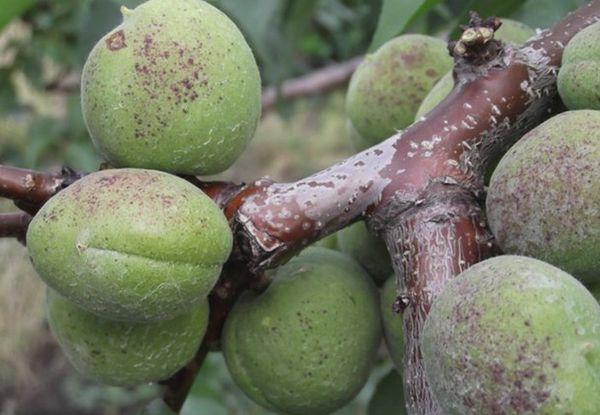
Pesticides and antifungal agents help treat this disease. However, controlling the disease on a mature, tall tree can be very difficult. Choosing fungal-resistant varieties will help prevent the disease and ensure excellent apricot harvests each year.
Can scab-infected apricots be eaten?
When processing crops with minor lesions, the damaged areas are cut off, and the healthy flesh is heat-treated. Severely damaged fruits require disposal.
The mycotoxins produced by the fungus are harmful to the liver and lungs and cause focal skin lesions. They often cause acquired and life-threatening diseases.
Coccomycosis
Apricot leaves and fruits with characteristic reddish-brown spots indicate the onset of coccomycosis. Affected fruits are visible to the naked eye. They are covered with characteristic red spots and often have a watery texture and are underdeveloped.
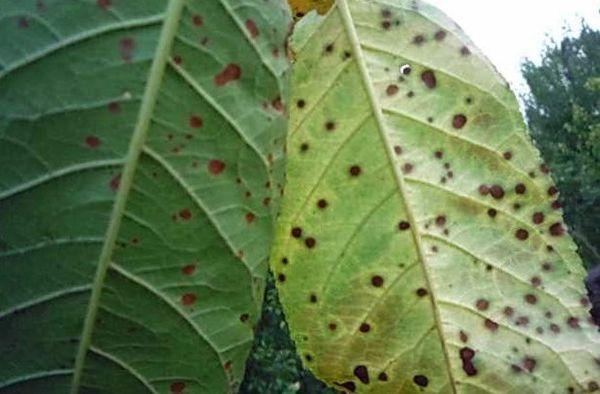
Leaves and branches damaged by the disease are removed and burned. If the disease is severe, the soil beneath the tree is treated with a urea solution. Before and after flowering, the tree is sprayed with Bordeaux mixture.
Apricot pests and their control
The appearance of numerous holes on the surface of leaves and fruits indicates the presence of pests. These are the most common.
Leaf roller
Fallen leaves and apricot bark, not cleared since autumn, are an excellent wintering ground for leaf roller caterpillars. With the arrival of warmer weather, the caterpillars begin to awaken and actively feed on young foliage, damaging flower buds and young shoots.
Leaf rollers are especially dangerous for young seedlings. The caterpillars inhibit growth and development and can cause the death of a still-fledged tree.
When leaf rollers appear in the garden, mass spraying is carried out not only on the affected apricot tree, but also on all the trees in the garden.
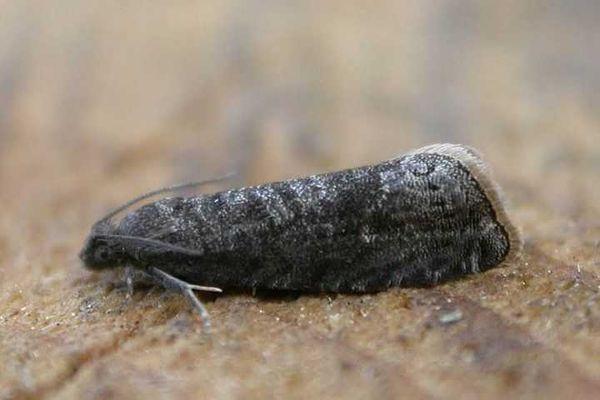
Peach and plum codling moth
The codling moth is the most dangerous pest for apricots. At the end of summer, a young caterpillar emerges from its cocoon and begins actively devouring the ripening fruit.
Aphid
When aphids damage the leaf blades, photosynthesis is disrupted. A healthy tree was growing yesterday, but today the leaves are wilting and drying out. The presence of aphids negatively impacts the overall development and productivity of the tree. It's crucial to get rid of this insect as quickly as possible to save the apricot tree.
Preventive garden treatments
With the arrival of the first days of spring, preventative maintenance begins not only for apricot trees but for the entire orchard. Timely treatment prevents the spread of diseases and pests and protects trees and shrubs from damage.
To combat the spread of most of the above diseases, a range of measures are taken using various chemicals:
- In early spring, sanitary pruning is carried out, removing diseased, damaged, frozen branches and thinning the crown.
- At the end of March, apply fertilizer to the roots. During the green leaf stage, spray the tree with Bordeaux mixture.
- To protect against weevils and moniliosis during the pink bud stage, apricots are sprayed with Confidor and Horus. The contact fungicide Poliram provides effective protection against rust, scab, and white spot.
- Immediately after the apricot blossoms, the tree is treated with Topsin to protect it from moniliosis, clusterosporium and fruit rot.
- In autumn, after the leaves have fallen, feed with mineral and organic fertilizers.
By creating a detailed preventative plan and strictly adhering to it, you can easily prevent most diseases and pests. And a grateful, healthy tree will reward you with delicious fruit.
Related posts:
 Description of the Melitopol apricot variety and cultivation technology
 Is it possible to grow an apricot tree from a seed in your garden? How to plant and care for it?
 Description and characteristics of the Lel apricot, planting technology and care
 Reasons why apricot trees may not bear fruit and what to do about it
 Description and subtleties of growing the Champion of the North apricot variety
 How and whether it is possible to graft an apricot, the choice of rootstock, timing and methods of budding
 Description and rules for growing the Dessert apricot variety
 Description of the best columnar apricot varieties, planting and care