
- Types of aphids that attack cherry trees
- Causes and symptoms of insect infestations
- What is the danger for the tree and the harvest?
- Simple and effective methods of fighting parasites
- Chemicals
- Mechanical methods
- Folk recipes
- Soap solution
- Celandine
- Dandelion
- Garlic
- Ash
- Biological drugs
- How to treat if you already have berries
- What to do if ants appear
- Vinegar solution
- Uses of mustard powder
- Spray with baking soda
- Preventive measures
Swarms of small pests can destroy an entire orchard of fruit trees. The insects must be exterminated quickly, and control methods must be proven and effective. Aphids infest any cherry tree. How can you get rid of them and what measures can you take to prevent infestation of all nearby stone fruit trees and shrubs? Gardeners claim there are several effective methods for eradicating the pest, but each has its own advantages and disadvantages, as well as specific application requirements.
Types of aphids that attack cherry trees
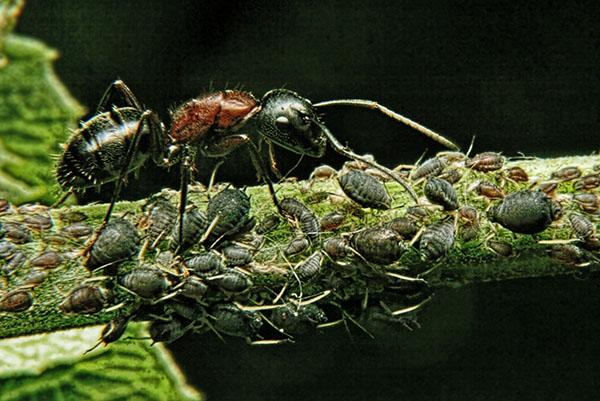
The cherry aphid is the most common pest that attacks stone fruit trees. It belongs to the family of aphids and is considered a polyphagous species. Its body is dark and pear-shaped. Its antennae are dark green. The pest's body length is approximately 2.4 mm. It has a wide range.
Causes and symptoms of insect infestations
Cherry trees become infested with aphids in early spring, just as the first leaves begin to emerge. The pests feed on sap extracted from young shoots and foliage. Aphids reproduce up to 20 times per season. Once a colony has formed on the tree, winged insects can be seen. These insects then migrate to healthy shrubs and trees, infesting them.
The pest settles on the underside of the leaf blade. Affected leaves curl into tubes, ceasing to participate in photosynthesis. The same applies to young shoots and the ovaries that have formed on them. Within days, certain parts of the cherry tree become covered with black, swarming spots, posing a serious threat to the entire garden.
What is the danger for the tree and the harvest?
Cherry trees infested with aphids not only fail to produce the expected growth, but also become severely weakened, susceptible to fungal diseases, and have poor winter survival. A good harvest cannot be expected from such a tree.
Simple and effective methods of fighting parasites
Over the years, gardeners have tried many methods for killing aphids on cherry trees. These include both chemical-based and natural, environmentally friendly options.
Chemicals
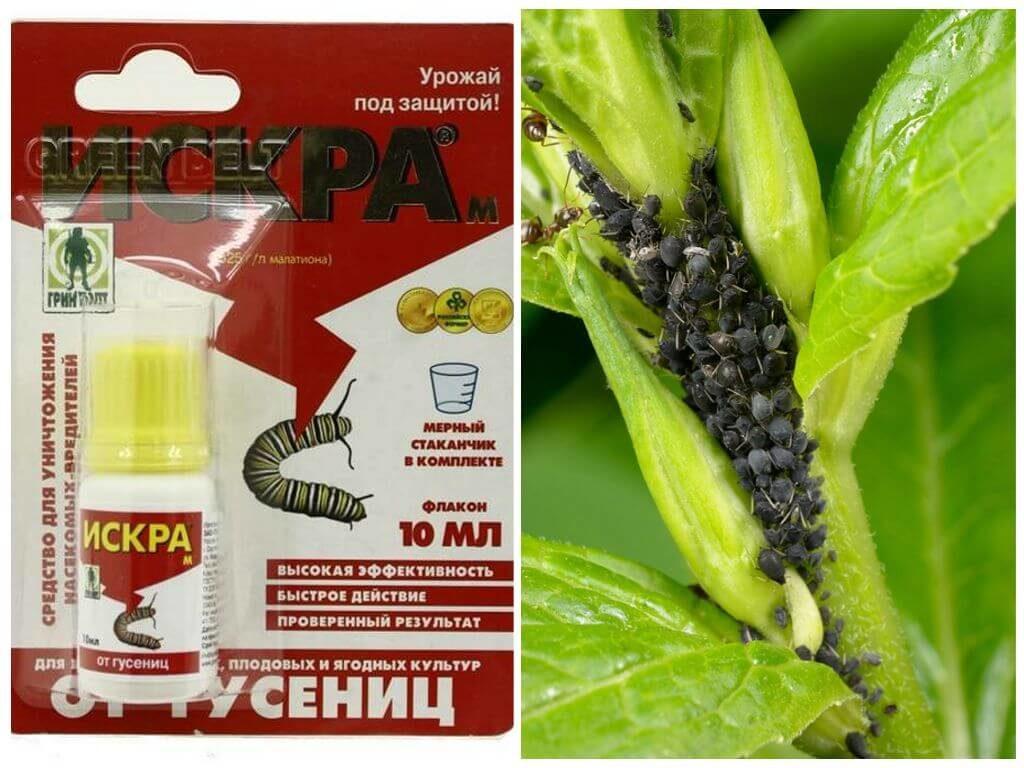
You can treat aphids with chemicals until the cherry trees begin to bud. Otherwise, any residual chemicals won't evaporate before harvest. Treatment should be carried out before flowering begins. The following products are used for this purpose:
- "Spark";
- Fitoverm
- "Commander".
Chemicals can help effectively and quickly kill aphids on cherry trees, but before using them, you should carefully read the instructions and take the recommended precautions. Over time, the pest develops immunity to a certain type of poison, so it is recommended to alternate or change the preparations used.
Mechanical methods
Aphids can also be removed mechanically, although this is not a quick procedure and does not guarantee complete eradication of the pests on cherry trees. Common control methods include:
- wash off with a strong stream of water, paying special attention to the inner side of the leaf blade and the tips of young shoots;
- collect aphids by hand;
- attach sticky tape to the cherries;
- attract birds or aphid-eating insects to the garden.
Folk recipes
Since ancient times, gardeners have tried to combat aphids using all available means. This has led to the development of numerous folk methods for controlling cherry pests, some of which remain relevant today. Furthermore, these methods pose no health risks to humans, pets, or bees, and are environmentally friendly.
Soap solution
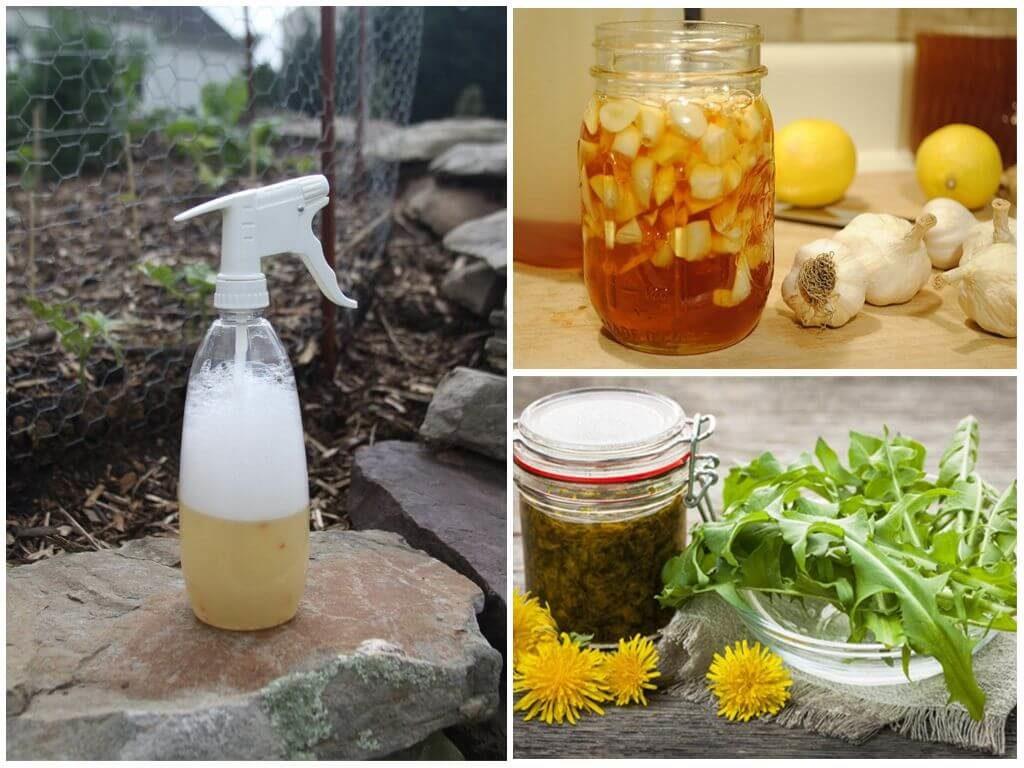
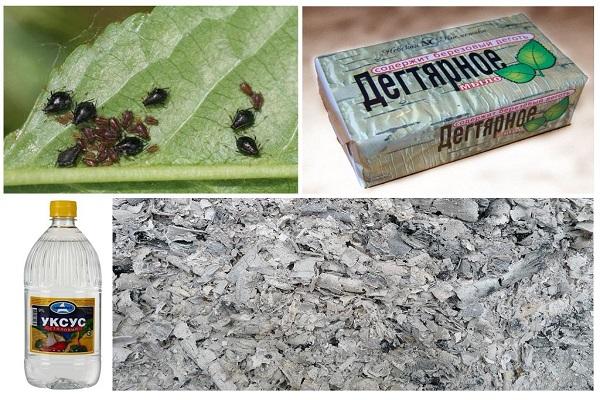
To prepare this solution, you'll need half a bar of 72% laundry soap. It should be crushed (for example, grated) and dissolved in a small amount of hot water. After the solution has cooled completely, add another 10 liters of clean water and stir thoroughly. Spray the cherry trees several times during the season.
Celandine
Celandine is effective in controlling aphids on cherry trees. It is harvested in May, plucking the entire plant down to the roots. Afterwards, the celandine is dried, ground into a powder, and sprayed on the infested cherry shoots.
The powder adheres to the sticky layer on the leaf blades, and the toxins it contains are absorbed into the sap. The aphids consume the poison along with the sap and die.
An infusion of celandine is prepared for spraying trees. Take 0.8 kg of dried or 3 kg of fresh celandine and pour 10 liters of boiling water over it. Let it steep for 2-3 days, then strain and spray it on the affected plant.
Dandelion
Dandelion helps control cherry aphids. Either the plant's rhizomes or foliage are suitable for this purpose. You'll need 0.3 kg of dandelion roots or 0.4 kg of freshly picked leaves. Chop them and soak them in water no hotter than 40°C (104°F). Let the mixture steep for three hours, strain, and spray the aphid-infested cherry trees.
Take a look Also
Garlic
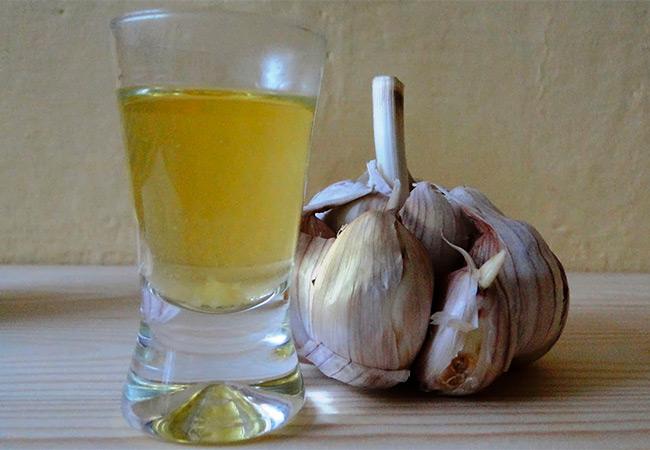
Garlic shoots contain phytoncides that repel not only aphids, but also other dangerous pests. Gardeners try to plant perennial garlic around their trees to protect them from danger. A garlic infusion can also be prepared to treat cherries and sweet cherries against aphids. Take 10 liters of warm, clean water and squeeze 50 g of garlic into it using a garlic press. Let the mixture steep for 24 hours, then strain and spray the affected plant.
Ash
Wood ash dissolved in water is an excellent pest control agent. To enhance its effectiveness, experienced gardeners recommend adding fungicides. To prepare a solution against cherry aphids, pour 0.3 kg of wood ash into a bucket, add 3 liters of boiling water, stir, and let it sit for 24 hours.
After this, grate 2 tablespoons of tar soap and add it to the infusion. Add 7 liters of clean water, mix thoroughly, and add a couple of tablespoons of 9% vinegar to neutralize excess alkalinity. The cherry tree is treated once before flowering, and a second time after flowering.
Biological drugs
Treating cherry trees with chemicals, which can be dangerous, isn't necessary. Biological pesticides are also effective against aphids:
- Fitoverm
- "Akarin";
- Iskra Bio.
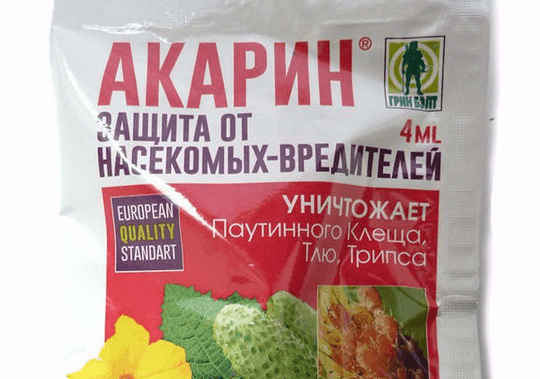
Their principle of action is similar. The active ingredient exerts a nerve-paralytic effect on adult aphids, entering their bodies through the digestive tract. The disadvantage is that biological preparations are powerless against larvae. It's best to treat cherries in the evening, during damp weather. The products decompose completely within a few days when exposed to light.
How to treat if you already have berries
If aphids appear during fruiting, cherry trees can only be treated with biological products. Any chemicals penetrate the fruit pulp and have a negative toxic effect on the human body. Herbal folk remedies are also acceptable in the summer, during fruiting.
What to do if ants appear
Gardeners often associate ants with the imminent appearance of aphid colonies on trees. These insects are usually inseparable. To save cherries and sweet cherries from the negative impact of pests, it is necessary to take protective and preventive measures in a timely manner.
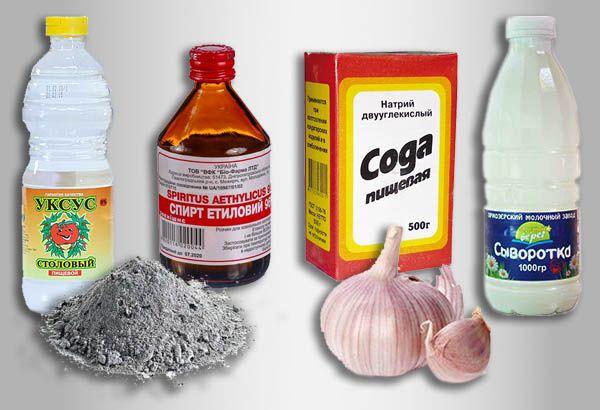
Vinegar solution
Vinegar is an environmentally friendly and safe way to control garden ants. To combat these pests, dilute it 1:1 with clean water. Then, monitor the insects and learn their main routes. Pour the vinegar solution into a spray bottle or bottle and spray liberally onto the ant trails and near the nest.
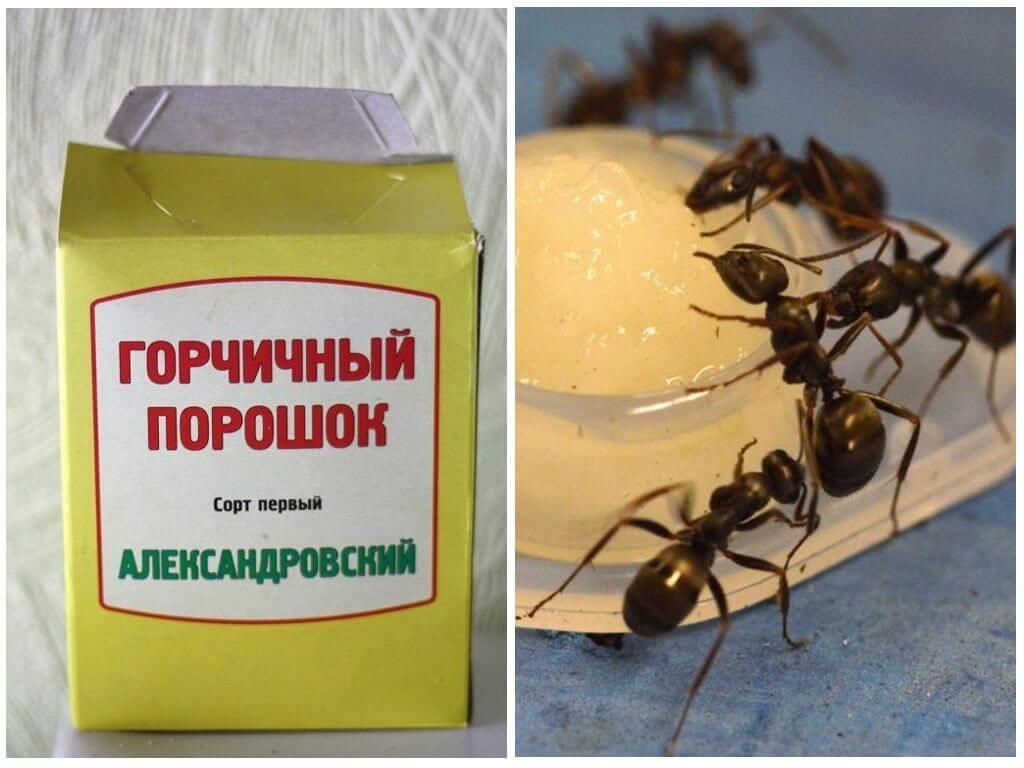
Uses of mustard powder
Mustard powder can be used against ants and aphids on cherry trees both dry and as a solution. To prepare the latter, combine 10 liters of warm water and 100 grams of mustard. Use only fresh powder within its expiration date. This solution is used not only to get rid of pests, but also to prevent their appearance. It is completely safe for both humans and the environment.
Spray with baking soda
A safe and effective remedy against ants and aphids on cherry trees is prepared using hot water and baking soda. For every 1 liter of liquid, mix 3 tablespoons of baking soda and stir thoroughly. Immediately pour the mixture into the anthill. You can let it cool slightly and then spray it on the leaves. However, the effectiveness of the solution will be slightly reduced in this case.
Preventive measures
Every gardener has their own arsenal of methods for preventing aphids on cherry trees. It's not recommended to plant them near viburnum or hawthorn, as their aroma attracts pests.
During the flowering period of trees, chemical treatments should not be used, as they can harm the bees that carry out pollination at this time.
It's best to plant garlic, coriander, calendula, or saffron nearby in advance. Digging the soil around the tree trunk and promptly removing weeds are also effective preventative measures against cherry aphids.
In the fall, cherry tree trunks are whitewashed, fallen leaves and dry grass are removed, and the soil is tilled to prevent aphid larvae from overwintering. If chemical treatments are necessary, they should be done after harvest or before bud break, allowing the active ingredients to evaporate before the fruit ripens.
Related posts:
 Description and pollinators of the Vladimirskaya cherry variety, planting and care
 Characteristics and description of the Shokoladnitsa cherry variety, pollinators and fruiting
 Description and cultivation of the best varieties of felt cherry, planting and care
 How to treat peach trees for aphids and the best methods for pest control
 How to treat peppers for aphids, how to fight them with folk and chemical remedies
 Description and varieties of cherry variety Shpanka, planting and care
 Description of the Zhukovskaya cherry variety, planting and care in open ground
 Description and characteristics of the miracle cherry hybrid, planting and care of the variety