
- Features of sweet varieties
- Crop characteristics
- The appearance and distinctive features of wood
- Pollinators
- The best sweet cherry varieties
- Fad
- Cinderella
- Sevastyanovskaya
- Evans Bali
- Ural ruby
- Lighthouse
- In Memory of Yenikeev
- Landing features
- Selecting a seedling
- Preparing the landing site
- Process
- Care
- Watering
- Top dressing
- Pruning and crown shaping
- What pests and diseases are dangerous for sweet cherries?
- Preparing for winter
For many cherry lovers, the size of the fruit isn't the most important factor. Their taste is prized above all else. Recently, new varieties of sweet cherries have acquired positive characteristics. Many hybrids boast sugar levels of 5 percent or higher. These varieties have become popular not only in Russia but also in neighboring countries.
Features of sweet varieties
Sweet cherry varieties are prized for their flavor and are consumed fresh and processed. Stone fruits contain a lot of sugar, organic acids, and vitamins. Sweet cherries also ripen early, but this depends on the variety. The trees are easy to grow and even thrive in rocky soil.
Crop characteristics
These cherry varieties are typically not very large, but there are exceptions. The fruits are juicy and sweet, and abundant sun and timely watering will positively impact their flavor. To get a large harvest, 5-7 different varieties are planted in the area.
The appearance and distinctive features of wood
Cherry trees reach approximately 25 meters in height and have a spreading crown. One-year-old seedlings grow upward, then in their fourth or fifth year, the branches droop downward. This is convenient for harvesting, but the tree will require additional support.
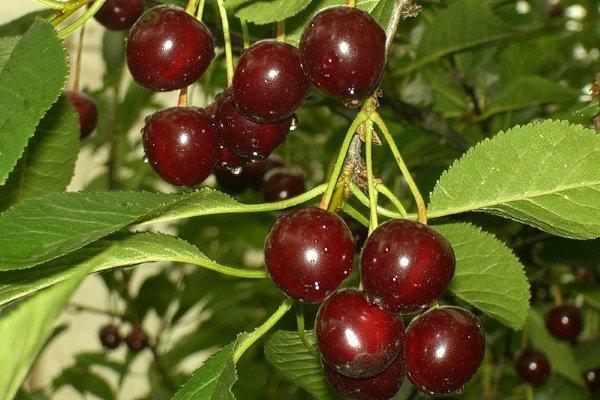
The bark is brown and slightly rough, the trunk is thin and smooth. The branches create a rounded crown. The leaves are petiolate, broadly elliptical, pointed at the tip, dark green on top, with a lighter shade on the underside. Each leaflet is 8 cm long.
Pollinators
Like other fruit trees, cherries are pollinated by insects, such as bees. The plant can also be pollinated by other trees. This process occurs in early spring. Depending on the variety, the tree can be self-fertile, partially self-fertile, or self-sterile. Therefore, in the latter case, the plant requires additional pollinators.
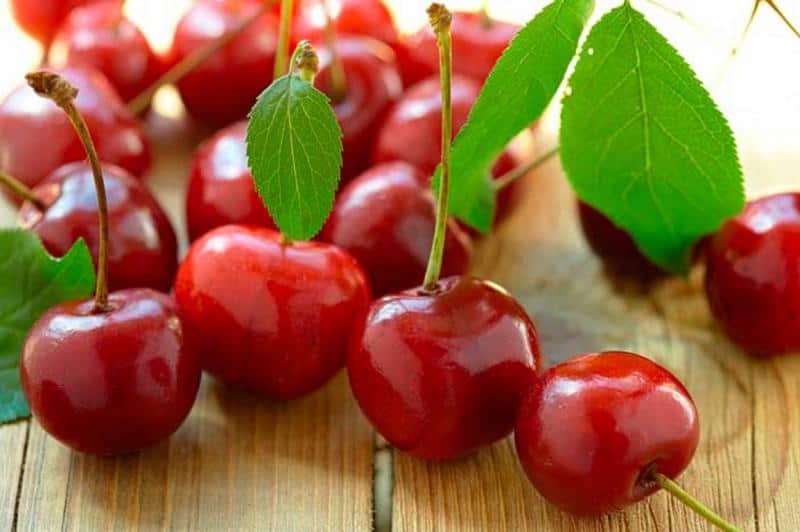
To achieve this, at least two trees of different varieties are planted in the same plot so they can pollinate each other. Even if the tree is self-fertile, it will produce more fruit thanks to additional pollination. It's important that the flowering period coincides, otherwise pollination is impossible.

The best sweet cherry varieties
Some cherry varieties have long been grown in Russia and boast distinctive flavors, as they are well-adapted to the region's climate. The sweetest varieties are prized by gardeners. The most popular sweet varieties are:
- Fad;
- Cinderella;
- Sevastyanovskaya;
- Evans Bali;
- Ural ruby;
- Lighthouse;
- Memory of Enikeev.
Fad
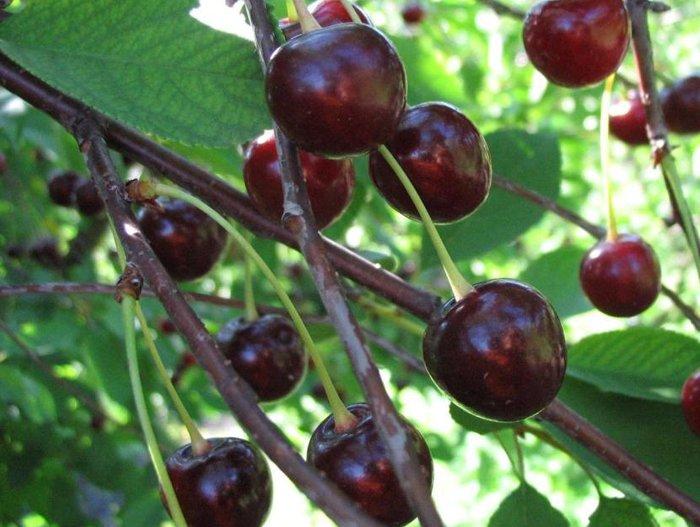
The tree is medium-sized and grows quickly. It is a mid-season variety. The crown is rounded, slightly raised, and the leaves are flat. The berries are medium-sized and uniform in shape. Each fruit weighs 5-5.4 grams. The flesh is dark red, and the skin is smooth. It has a tasting score of 4.7 out of 5.
This variety produces a sweet and sour juice that can be preserved for the winter. Seedlings don't like wet soil, so they should be planted at elevated sites. It rarely gets sick, requires little care, and is highly winter-hardy.
Cinderella
A low-growing cherry with a bush-like habit. The fruits are small, weighing 3.6-3.8 grams. The fruit is light red, with juicy, fleshy flesh of the same hue. The flavor is sweet and sour. This hybrid is high-yielding and ripens early.
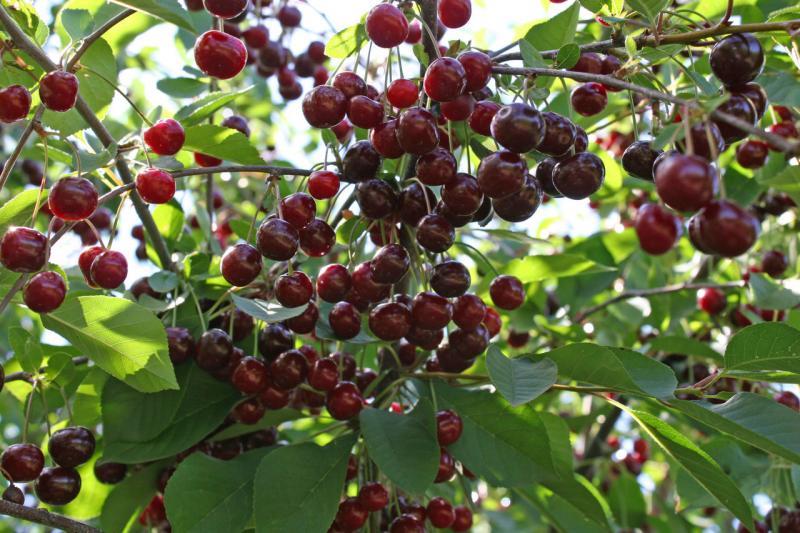
Fairly resistant to coccomycosis. The variety was adopted in 1975. Up to 15 kilograms of berries can be harvested from a single tree. The hybrid is self-pollinating and has good winter hardiness.
Sevastyanovskaya
A medium-sized tree with a rounded crown and a bluntly pointed tip. The flowers are small, white, and the petals grow freely. The leaves are dark green and ovate. Flowering and fruiting are mixed.
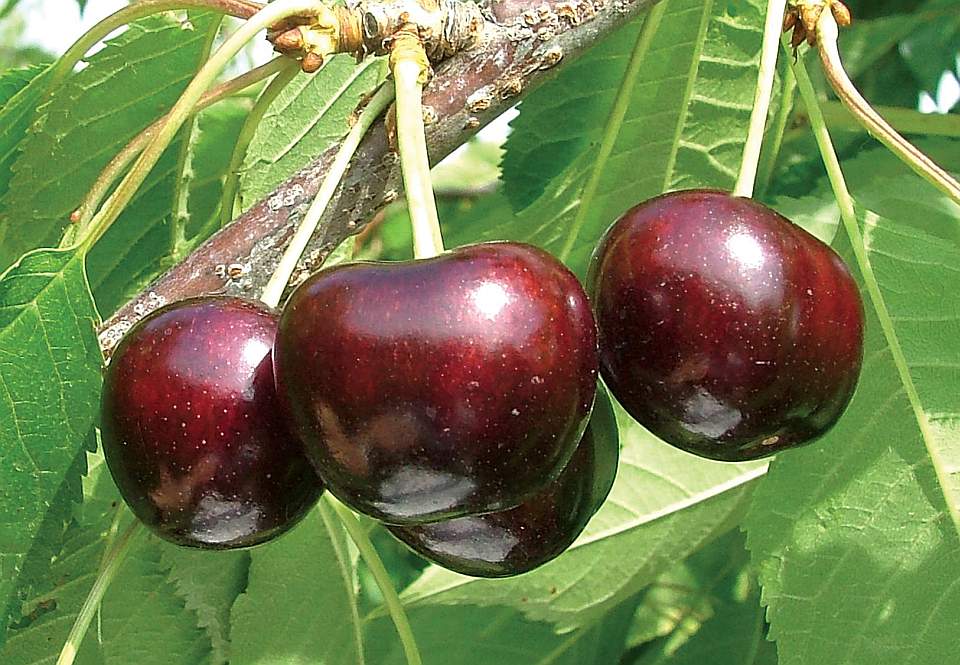
The fruits are medium-sized, weighing 3.7 grams each, and broadly oval in shape. The color is deep red or reddish-black.
The flesh is not very dense, but has a wonderful flavor. The pit is medium-sized and oval. It separates easily from the flesh. The cherry has an attractive appearance. It is a highly marketable variety and is partially self-fertile. A disadvantage of this variety is its susceptibility to frost and drought. Cherries are often used for juice production.
Evans Bali
A high-yielding variety, the tree is small and bushy. The crown is pyramidal, with closely spaced branches. The leaves are cylindrical and dark green. The flowers are large and white.
The berries are large, weighing 5 grams each. They are round and burgundy or brown in color. The flesh is juicy, sweet, and has a distinct aroma. The seeds of this variety separate very easily from the pulp. This hybrid is well suited for making compotes, preserves, and jams.
Ural ruby
The tree has a bushy habit with spreading branches. The leaves are boat-shaped and have a distinctive sheen. It is self-sterile, requiring additional pollination, but can also act as a pollinator for other varieties.

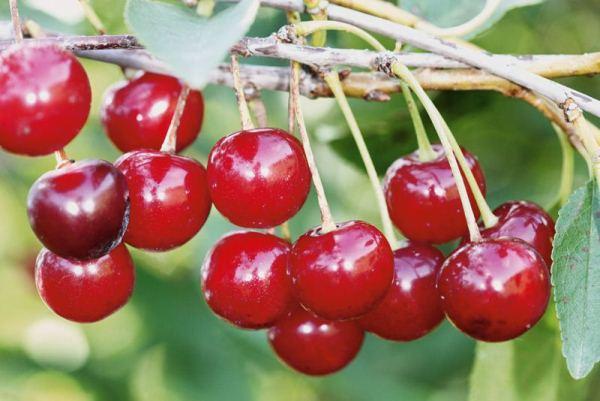
It tolerates winter well. Flowering occurs in late spring. The first year after planting, the harvest will be very poor. Cherry yields are highest until the tree is 13-16 years old. The fruit is medium-sized, round, slightly flattened, weighing 3-5 grams. The pit is small.
Lighthouse
This winter-hardy variety doesn't require pollinators and produces a high yield. The tree is bushy and short, with dense branches forming a wide crown. The leaves are elongated, wide, and dark green, with a glossy sheen. This variety blooms quite late, with small flowers.
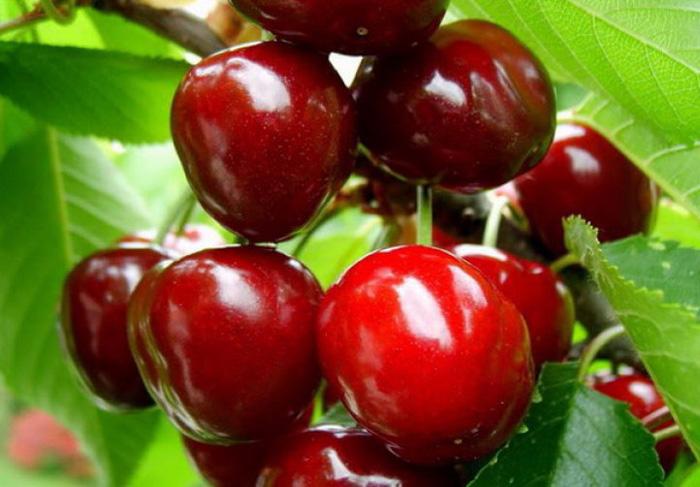
The berries are large, weighing 4-6 grams. They have a distinct red color. The fruit is sweet and sour, and the flesh is juicy.
The variety has a good appearance and a dessert-like flavor. It can be eaten fresh or used to make jam, juice, and compote. Fruiting begins in the 3rd or 4th year after planting. The yield lasts for 30 years. The variety is partially self-fertile. It is resistant to many diseases and tolerates high temperatures well.
In Memory of Yenikeev
The tree has a drooping crown and grows up to 3 meters tall. The foliage is sparse, and the bark is brownish-gray. The leaves are ovoid, dark green, and lack a characteristic sheen. The flowers are small and spaced apart.
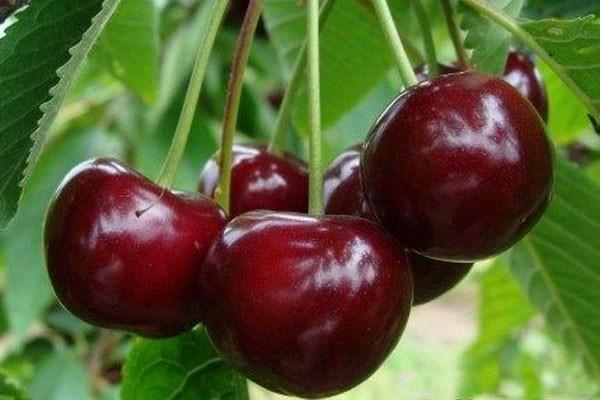
The fruits weigh 4.5-5 grams. They are red with a dark core. The flesh is medium-dense, the same color as the peel.
The pit is large and round. The flesh is juicy and aromatic. The taste is sweet and sour. The variety is not very frost-resistant, so the hybrid requires a temperate climate. Drought tolerance is also average. The taste is rated at 4.8 out of 5.
Landing features
Cherry tree planting is carried out in warm weather. (in spring) and ensure that the chosen location is windless.
Selecting a seedling
The strongest seedlings are selected and inspected for damage. The young trees should be 60 centimeters tall. The skeletal branches should be 50-60 centimeters long.
Preparing the landing site
Planting takes place when the soil has warmed up. Choose neutral soil. Cherries prefer well-lit areas, so low-lying areas will negatively impact yield. Lime and organic matter are added to the soil first, then mixed in with the soil. Humus and mineral fertilizers are also added. Lime is added first, followed by organic matter.
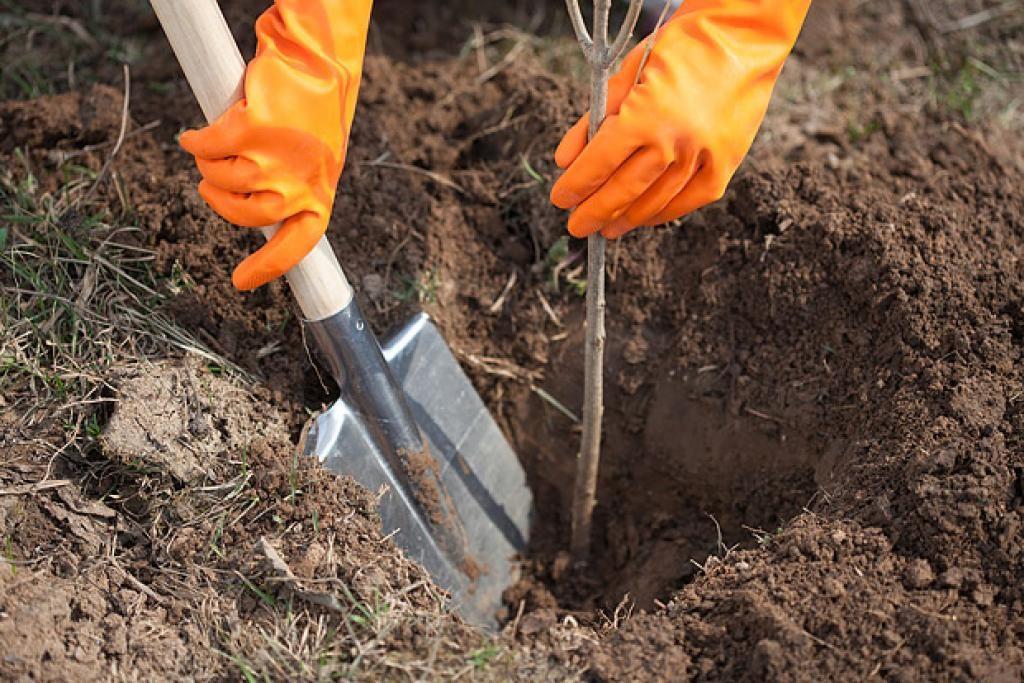
Process
Step-by-step instructions:
- First, dig a hole 80 centimeters in diameter and 50-60 centimeters deep.
- The top layer of planting soil is mixed with fertilizers; lime is not added so as not to damage the roots of the seedling.
- Planting material is poured into the hole.
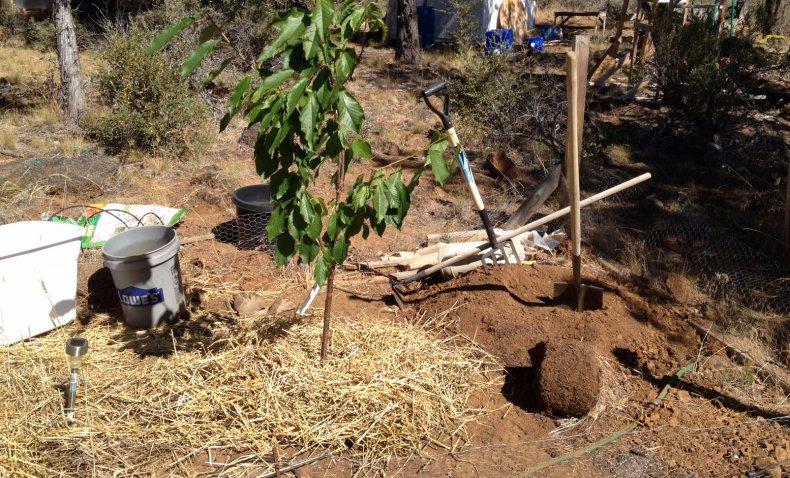
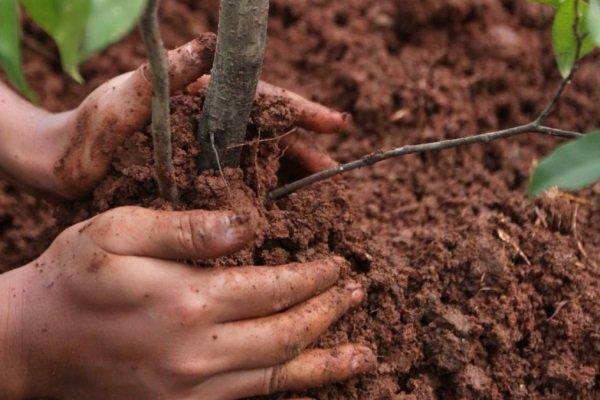
- The tree is lowered into the hole and the young roots are carefully straightened out, the root collar remains at soil level.
- The cherry tree trunk is placed on the north side of the peg that serves as a support for the tree.
- Then they make a small hole near the tree and pour water into it, then fill it with humus or peat.
- The seedling is tied to a stick.
Care
During the first year of life, the tree is watered, fertilized, and loosened. The growth and health of the seedling are also monitored.
Watering
Cherry trees are watered after flowering to allow the future fruit to absorb juice. The soil should be moist, but avoid overwatering. Cherries don't like moisture.
Top dressing
Fertilizer is applied when the tree begins to bear fruit. Additional feeding occurs as the tree matures. Organic fertilizers are applied every few years. This can be compost or manure. In the fall, trees are fed with potassium fertilizers, and in the spring with nitrogen fertilizers. After flowering, fertilizer is applied around the trunk, and then again after two weeks. If the soil is too acidic, lime is added to it.
Pruning and crown shaping
The tree's shoots grow quickly, so periodic pruning is required. A less dense crown facilitates fruit ripening and bouquet branches last longer. Branches are pruned three weeks before bud swelling. The crown is shaped into tiers immediately after planting; any other shape is unsuitable for cherry trees.
What pests and diseases are dangerous for sweet cherries?
The most common diseases of cherry trees are clasterosporium, gummosis, coccomycosis, and moniliosis. The tree can also be affected by cherry blossom tree flies, aphids, and slime sawflies.
Preparing for winter
For the winter, gardeners prepare the tree trunk circle, remove weeds, dig up the soil, loosen it and water it.
Related posts:
 Description of the 25 best cherry varieties for the Urals and Siberia, planting and care in open ground
 Description and pollinators of the Vladimirskaya cherry variety, planting and care
 Description and varieties of cherry variety Shpanka, planting and care
 Description and characteristics of the miracle cherry hybrid, planting and care of the variety
 Characteristics and description of the Shokoladnitsa cherry variety, pollinators and fruiting
 Description and characteristics of columnar cherry varieties, planting and care
 Description of the 10 best black cherry varieties, planting and care in open ground
 Description of the Zhukovskaya cherry variety, planting and care in open ground