
- The history of cherry breeding
- Suitable climate and growing region
- Description and specifics of the variety
- Tree dimensions
- Fruiting
- Flowering and pollinators
- Ripening time and harvest
- Flavor and culinary uses of fruits
- Winter hardiness and drought tolerance
- Immunity to diseases and pests
- Planting features and care subtleties
- Selecting a site and a seedling
- Site preparation
- Timing and technology of planting sprouts
- Regularity of watering
- Fertilization
- Crown formation
- Caring for the tree trunk circle
- Shelter for the winter
- Methods of reproduction
- Gardeners' reviews of the variety
Cherries, a favorite stone fruit among gardeners, are grown throughout Russia. Cherry varieties come in a vast variety. One popular and time-tested variety is the common cherry, Raspletka, which has been cultivated in Russian gardens since the mid-20th century. Raspletka is known for its high, consistent yield and is suitable for both private and commercial gardening.
The history of cherry breeding
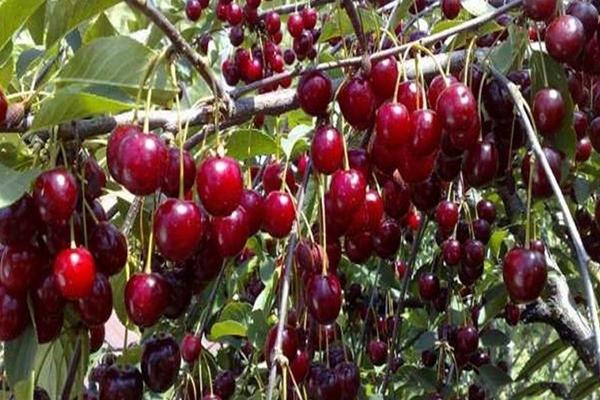
This variety is a domestic selection, developed in the Saratov region, and was included in the state register of varieties in 1959. Its genetics are unknown. It belongs to the bush type of cherry.
Suitable climate and growing region
Raspletka, commonly known as Saratov cherry, is characterized by good winter hardiness and is common in the Middle and Lower Volga regions, as well as in the south of our country. This variety requires little care and tolerates drought and frost well, making it common in the Urals and other regions with harsh climates. However, yields are significantly lower here, and the variety does not bear fruit every year.
Description and specifics of the variety
Raspletka is a successful variety for small farms; the tree grows small, the plant does not take up much space, but is distinguished by high and stable yields.
Tree dimensions
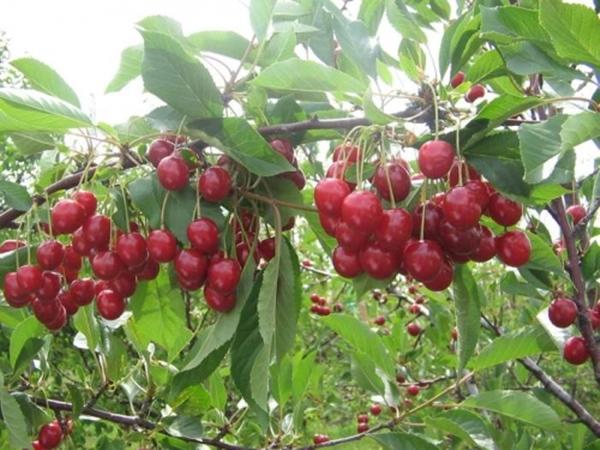
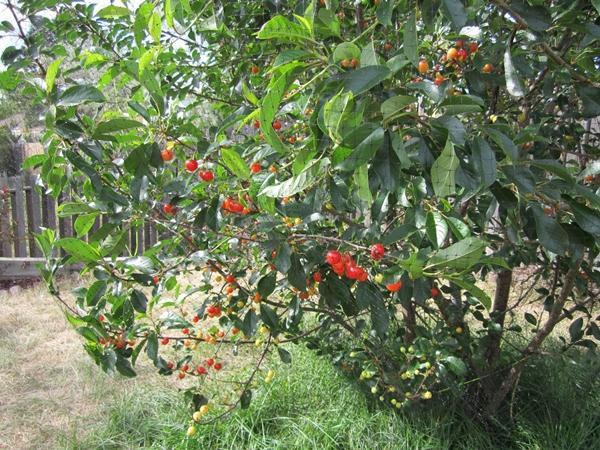
The mature tree reaches 2.5 meters in height. Raspletka is a bush variety. Its crown is weeping but quite spreading. It lives for 15 years. This variety quickly forms root suckers and is prone to overgrowth. Excess root suckers should be removed regularly.
Fruiting
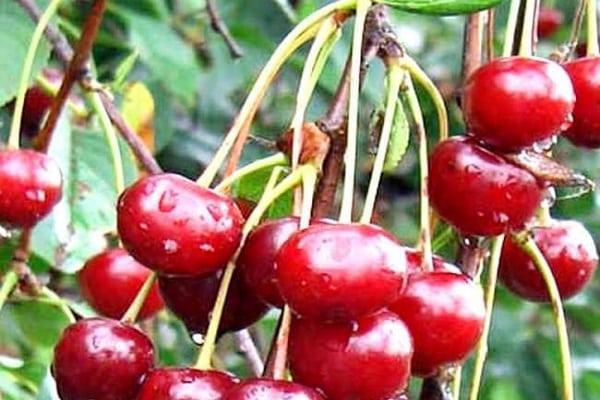
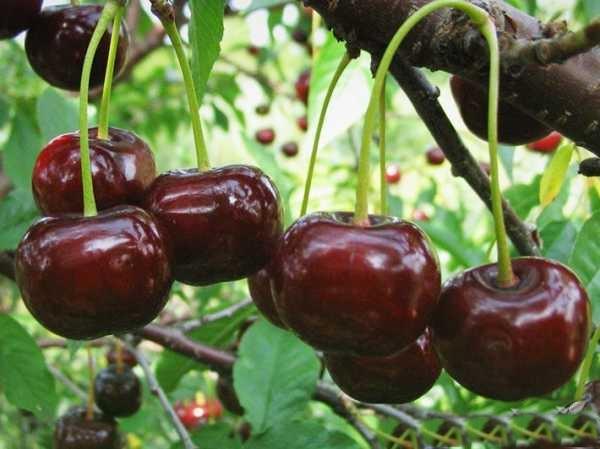
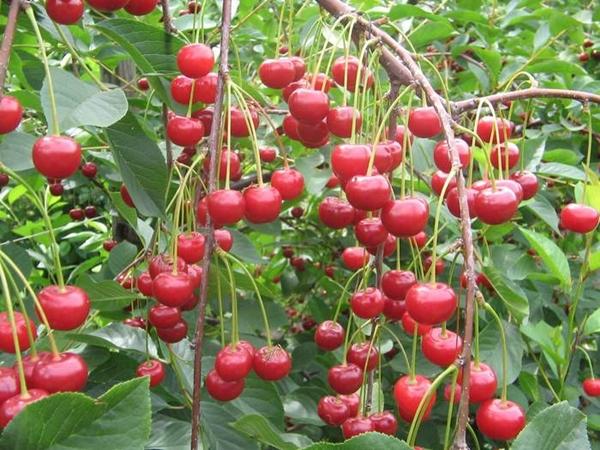
Raspletka's fruiting pattern is mixed. A single tree can yield up to 17 kilograms of ripe berries. The fruits do not fall off or crack. The average weight of a single berry is 4 grams, and when fully ripe, the color is dark burgundy, almost black. In regions with favorable climates, it begins bearing fruit annually.
Flowering and pollinators
A highly self-fertile variety, it doesn't require neighboring pollinators. It's a mid-season variety. Raspletka blooms from mid-May. The first fruiting occurs in the fourth year.
Ripening time and harvest
The berries reach full ripeness by the end of July. They don't fall off the bushes, don't crack, and have a fairly dense skin.
The variety is suitable for transportation and storage in fresh form.
Flavor and culinary uses of fruits
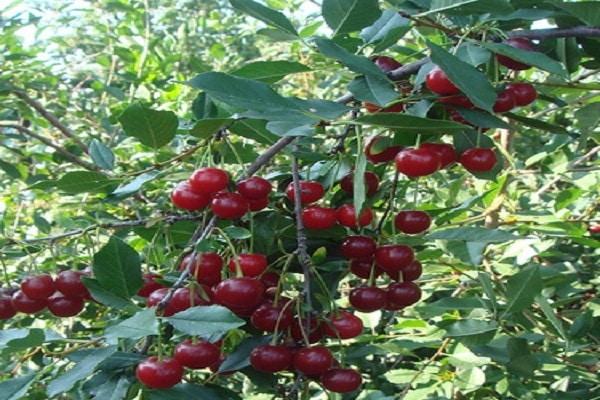
The berries are versatile: ripe cherries are used to make compotes, juices, preserves, and jellies. The fruit's flavor is juicy and refreshing, with a fragrant tartness. The flesh is red, and the juice is tart and intensely colored.
Winter hardiness and drought tolerance
Raspletka is highly resistant to frost and temperature fluctuations. It tolerates drought well. However, excess moisture and stagnant water at the roots are detrimental to the plant. The cherry tree becomes susceptible to fungal diseases, and yields decline.
Immunity to diseases and pests
A weakness of this undemanding variety is its susceptibility to coccomycosis. Preventative treatments against this disease are essential.
The first sign of coccomycosis is the formation of fuzzy, rusty-brown spots on the leaves, which enlarge over time. The leaf blades turn yellow and die. A bloom can be seen on the underside of the leaf. The disease often spreads to the fruit. To protect cherry trees from the disease, take the following measures:
- Covering all cuts and damage to the bark with garden pitch.
- Sanitary pruning is carried out.
- Preventive spraying of trees with Bordeaux mixture and copper sulfate.
- Avoid over-watering the soil.
- To protect against pests and fungi, tree trunks are whitened with lime.
It is recommended to treat the soil and tree trunks with urea. At the first signs of disease, spray all stone fruit crops in the garden with fungicides.
Planting features and care subtleties
Raspletka is one of the most easy-to-grow cherry varieties. This quality makes it a popular choice in orchards. However, to achieve maximum yield, it's recommended to follow proper cultivation practices and pay attention to the nuances of plant care.
Selecting a site and a seedling
Cherries are planted on the southern or southwestern sides of plots, protected from wind and drafts.
Important! Cherries do not grow in lowlands or marshy soils. Cherry trees require loose, nutritious soil; waterlogging at the roots is detrimental to the plants.
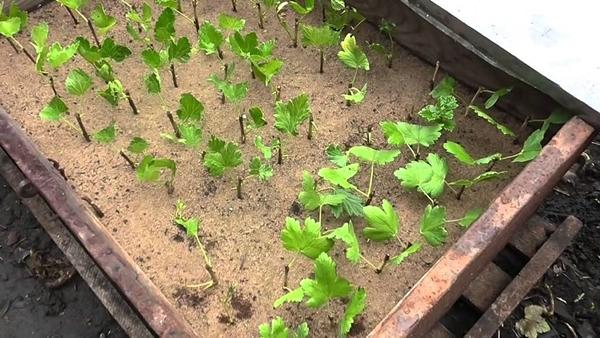
When choosing planting material, pay attention to the root system of the seedlings. It should be well developed, with no signs of rot or mechanical damage. Seedlings are purchased from agricultural nurseries and certified stores. This plant is easily propagated by root suckers and cuttings.
Site preparation
The plot for a cherry orchard is prepared in advance. Many gardeners prepare the soil from the previous year. The soil is dug, weeds are removed, and fertilizer is applied. In the spring, holes are marked at the chosen site, and organic matter or black soil is added to each planting hole along with mineral fertilizers. Drainage is installed at the bottom of the planting hole.
Timing and technology of planting sprouts
The future cherry tree seedling is carefully placed into the planting hole, spreading out its roots. The hole should be watered, and the seedling should be pressed firmly into the soil. The hole should be 80 centimeters deep and 60 centimeters in diameter.
Cherry seedlings are planted in the spring, after the threat of frost has passed: late April to early May is the optimal time. For Raspletka, autumn planting in early September is a successful option.
Regularity of watering
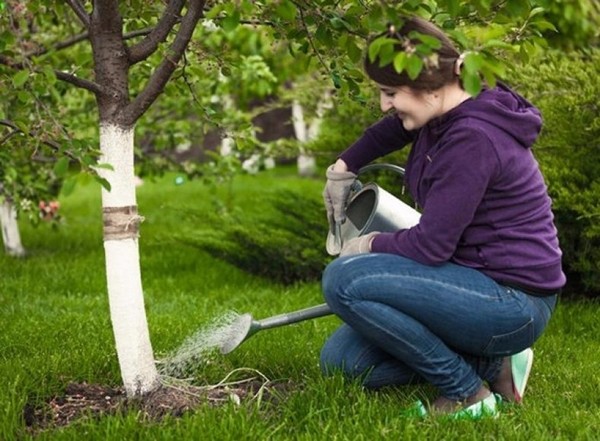
Cherry trees are watered at the roots with warm water. Generally, Raspletka requires additional irrigation only during periods of prolonged drought. However, excess moisture should be avoided, as the fruit becomes watery and the risk of fungal infections increases.
Fertilization
Cherry trees need regular fertilizing. Organic matter. A nutrient cocktail for the plant is created from a mixture of an aqueous solution of infused mullein and wood ash. For stone fruit crops, phosphorus-potassium mineral complexes must be applied in the fall and early spring.
Crown formation
To successfully form the crown, formative pruning is carried out in the fall and spring, during which overgrown shoots and branches that thicken the crown are removed.
During sanitary pruning, it is necessary to remove dried and pest-damaged stems.
Caring for the tree trunk circle
The braided tree is prone to developing excessive root suckers, which must be promptly removed to prevent the tree from becoming leafy. The area around the trunk should be thoroughly loosened, and weeds removed. It is recommended to mulch the soil with a mixture of humus and sand, and then cover it with freshly mown grass or sawdust.
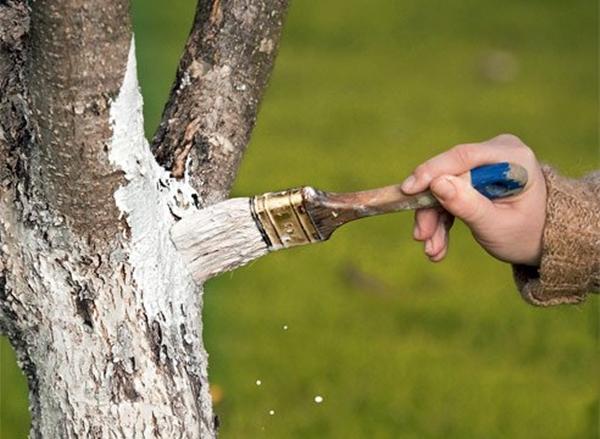
The trunk is whitewashed with lime twice a year - in early spring and late autumn.
Shelter for the winter
For the winter, it is recommended to cover the tree trunk with a special agrofibre mat or wrap it with spruce branches. These measures will protect the tree from frost and attacks by rodents and hares.
Damaged bark is sealed with garden pitch, as are cuts from pruned branches. The tree's roots are protected with a layer of straw or covered with spruce branches or last year's leaves.
Methods of reproduction
Bush cherry, which includes Raspletka, is easy to propagate independently; the tree lends itself to the following methods of propagation:
- propagation by root shoots;
- budding;
- vaccination.
You can save time and effort by purchasing planting material from specialized nurseries and agricultural stores.
Gardeners' reviews of the variety
Polina Yuryevna Shulepova, 56, Saransk: "I've been growing the Raspletka variety for 20 years, and it's never let me down. It bears fruit every year, with only a few gaps. I'm glad the fruit doesn't tend to fall off the tree. To prevent the cherry tree from degenerating, it's necessary to regularly remove root suckers, and the Raspletka produces a lot of them. Overall, I'm happy with the variety; it tolerates winters well, and the yield is impressive. I use the berries to make compotes for the winter and juices. The cherries, once picked, keep for quite a long time in the refrigerator."
Leonid Vasilyevich Markelov, 49, Cheboksary: "My grandmother left me the Raspletka plantings along with the garden. They have a refreshing, aromatic, sour taste that I've known since childhood. So, I was sorry to cut down the thickets, but I had to. If the Raspletka garden is neglected for several years, it will become completely overgrown with cherry trees. To maintain a productive harvest, it's essential to cut out the root suckers and create attractive plantings; otherwise, the garden will resemble a jungle, and the yield will significantly decrease. It's not enough to simply cut down the suckers; they must be uprooted, otherwise, shoots will reappear by the end of the season. But in my opinion, there are no tastier cherries for juices and compotes, and with regular garden maintenance, they're hassle-free."
Related posts:
 Description and pollinators of the Vladimirskaya cherry variety, planting and care
 Description and varieties of cherry variety Shpanka, planting and care
 Description and characteristics of 17 dwarf cherry varieties, planting and care
 Description and cultivation of the best varieties of felt cherry, planting and care
 Description of the 25 best cherry varieties for the Urals and Siberia, planting and care in open ground
 Description of the Zhukovskaya cherry variety, planting and care in open ground
 13 Best Cherry Jam Recipes for Winter
 Description and characteristics of the miracle cherry hybrid, planting and care of the variety