
- The history of the Molodezhnaya variety
- Pros and cons: is it worth planting in your garden?
- Characteristics and description of cherries
- Size of mature tree and annual growth
- Pollinators, flowering and ripening period
- Productivity, fruiting
- Collection and application of berries
- Resistance to low temperatures and drought
- Immunity to diseases and pests
- Landing features
- Timing of planting operations
- Schemes of placement and technology of planting seedlings
- Subtleties of care
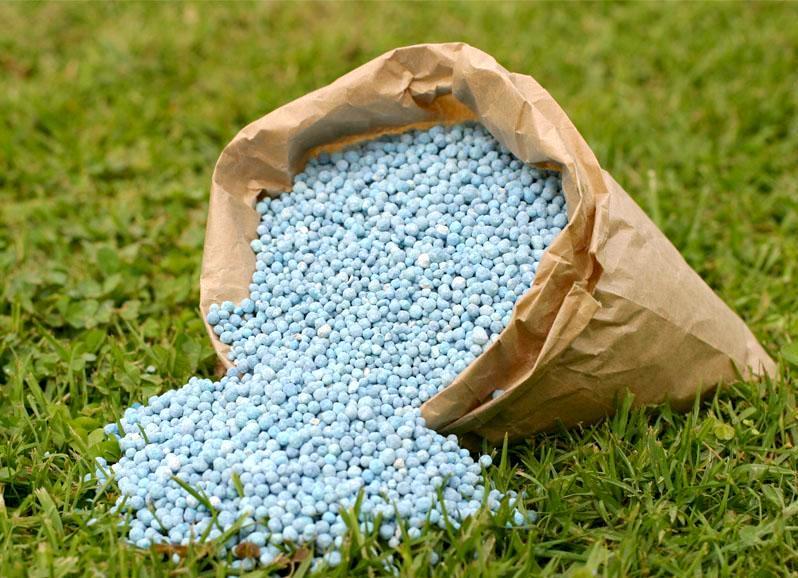
- What to fertilize with
- Watering
- Loosening and caring for the tree trunk circle
- Trimming
- Diseases, pests and control measures
- Preparing for the winter period
- Gardeners' reviews of the Molodezhnaya cherry
Growing cherries in a garden or summer cottage has its own unique characteristics. The varietal characteristics determine the planting site, watering, and fertilizing requirements. The Molodezhnaya cherry variety is considered undemanding and requires little care. At the same time, it boasts high yields and adaptability.
The history of the Molodezhnaya variety
This young cherry variety is the result of selective crossbreeding between the Lyubskaya and Vladimirskaya varieties. The hybridization work was conducted at the All-Russian Horticultural and Technological Institute. In 1993, the hybrid was added to the State Register.
The Molodezhnaya cherry is sometimes confused with the Studencheskaya cherry, but they are different varieties with distinct characteristics. The Molodezhnaya variety is characterized by its ability to be grown in open clearings, its drought tolerance, and its long fruiting period.
Pros and cons: is it worth planting in your garden?
For gardening, gardeners seek out varieties that can produce crops under the most adverse conditions. The Molodezhnaya variety is considered one of the most stable.
Advantages of the Molodezhnaya cherry variety:
- high yield;
- self-fertility;
- ability to be a pollinator for late cherry varieties;
- drought resistance;
- good frost resistance;
- large-fruited.
Disadvantages include the need to select a planting site, the smaller size of the fruit when soil conditions change, and a tendency to fungal diseases when the root system is over-watered.
Characteristics and description of cherries
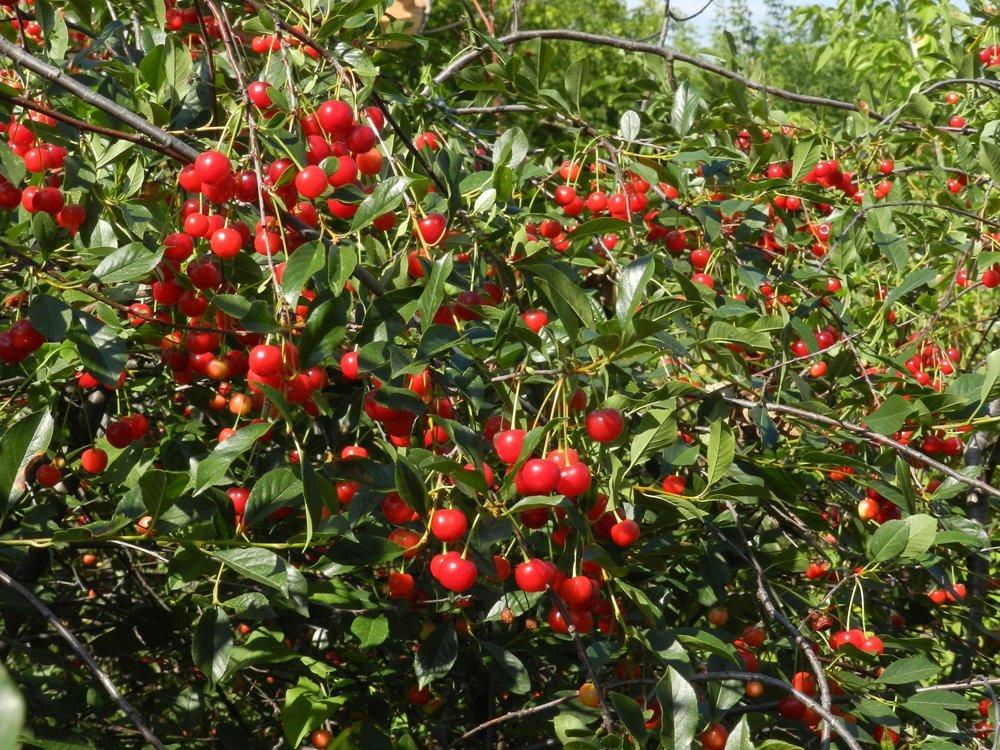
The youth variety is a variety of the common cherry; its external description largely replicates the original features:
- Bush. The branches form a rounded crown, intertwining with each other, and may droop slightly under the weight of the fruit.
- Leaves. Small, semi-oval, dark green, with fine pubescence.
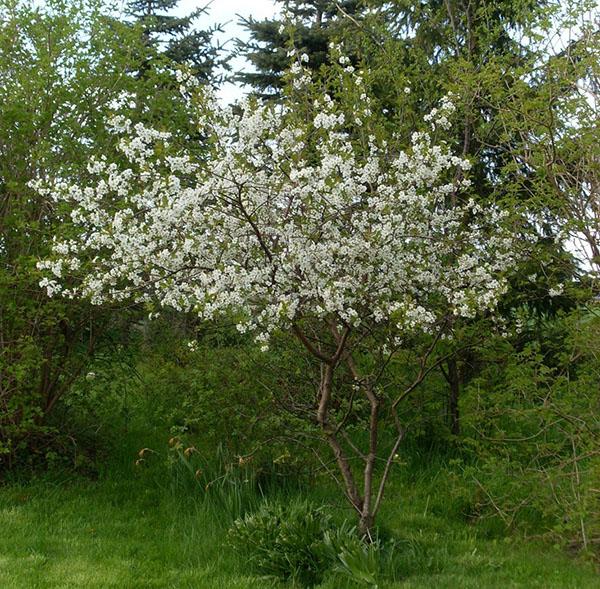
- Flowers. Inflorescences contain 3 to 7 white flowers, with petals measuring 2.5 to 3 centimeters.
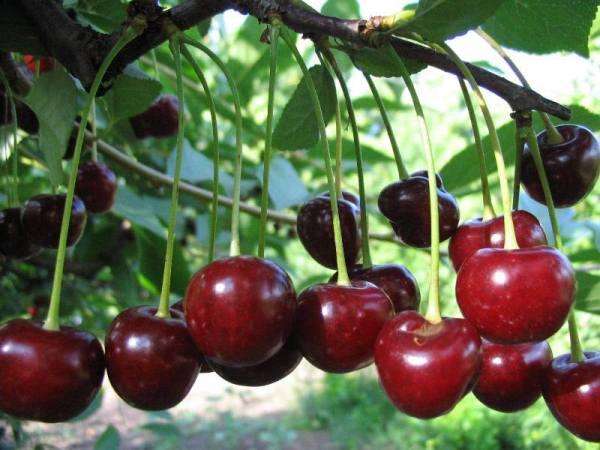
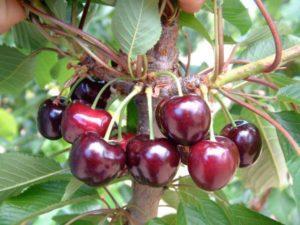
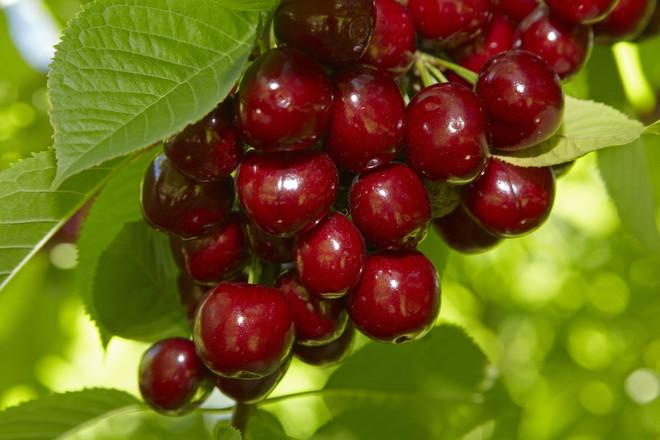
- Fruit. Cherries measuring 1 centimeter or more can weigh around 4-5 grams. When fully ripe, they turn a deep burgundy color. They separate easily from the stems.

Size of mature tree and annual growth
The bush can grow up to 2.5 or 3 meters. As it grows, it doesn't require additional space; it remains compact throughout its lifespan.
The annual growth of an adult bush is from 20 to 30 centimeters; during spring or autumn pruning, non-viable shoots are removed and the bush is shaped according to the chosen type.
Pollinators, flowering and ripening period
Cherries can bear fruit without external pollination, but yields increase when pollinator varieties are planted. The following varieties are selected for pollination:
- University;
- Lyubskaya;
- Turgenevskaya.
Cherries begin to bloom in mid-May, and fruiting ends by the end of July. Cherries are harvested at either technical or consumer ripeness, depending on the gardener's preference.
Productivity, fruiting
A single cherry bush produces 8 to 12 kilograms of berries. The tree begins bearing fruit 3 to 4 years after planting, depending on when the seedling was planted.
Information! With timely pruning for rejuvenation and proper care, cherry trees can produce fruit for 15-20 years.
Collection and application of berries
The berries are picked at the technical stage of ripeness and ripen further during storage. Consumer ripeness occurs by the end of July. Once ripe, the fruits do not fall off but remain on the branches until the very last moment.
Cherries have a dense skin, allowing them to be stored for a long time without losing their quality. Their flavor is characterized as sweet and sour, with the pulp scoring 4.5 points. They are suitable for freezing for winter storage and are also used to make compotes and fruit drinks. Cherry jams and preserves have a tart, astringent taste and a distinct cherry aroma. This variety is also successfully used for juicing and making marmalade.
Resistance to low temperatures and drought
The youth variety is known for its "patient attitude" towards droughts. This characteristic describes periods when the cherry tree does not bear fruitFor successful ripening of berries, it requires timely watering.
It doesn't lose shoots at low temperatures and maintains fruit production at -20 degrees Celsius. Thanks to its high winter hardiness, the bushes don't require additional winter protection.
Immunity to diseases and pests
The Molodezhny variety's disease resistance is rated as average, but overwatering can pose a risk of fungal diseases. Fungal infections can be caused not only by improper watering, but also by a cold spring with high humidity and prolonged summer rains.
Preventative spring pest control treatments can completely eliminate pest infestations. Aphids and codling moths pose a threat to cherry trees, but with proper placement and timely treatment, these pests will not bother the tree.
Landing features
Planting a tree involves choosing a suitable location. Furthermore, the seedling must be planted in accordance with the basic requirements for successful growth.
Timing of planting operations
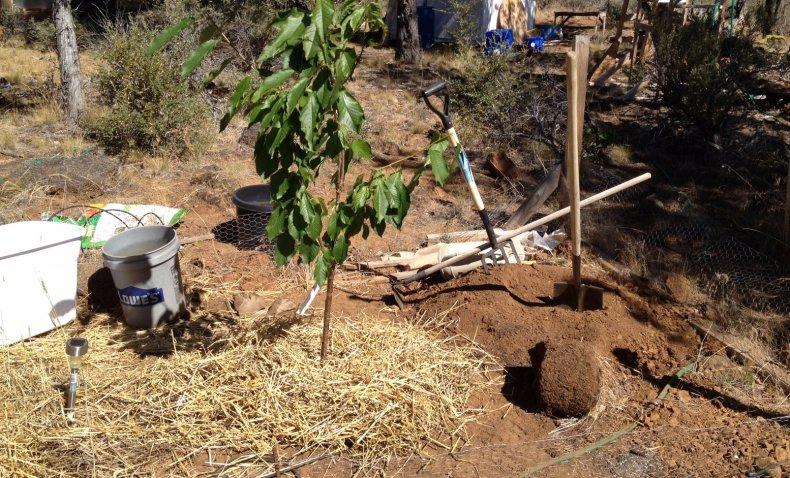
Cherry trees are planted in early spring, when the soil has warmed enough to allow for digging. During the spring and summer months, the tree has time to establish roots and adapt to the new growing conditions.
Information! If necessary, cherry trees can be planted in the fall, with the timing of the work taking into account the adaptation period before frost.
Schemes of placement and technology of planting seedlings
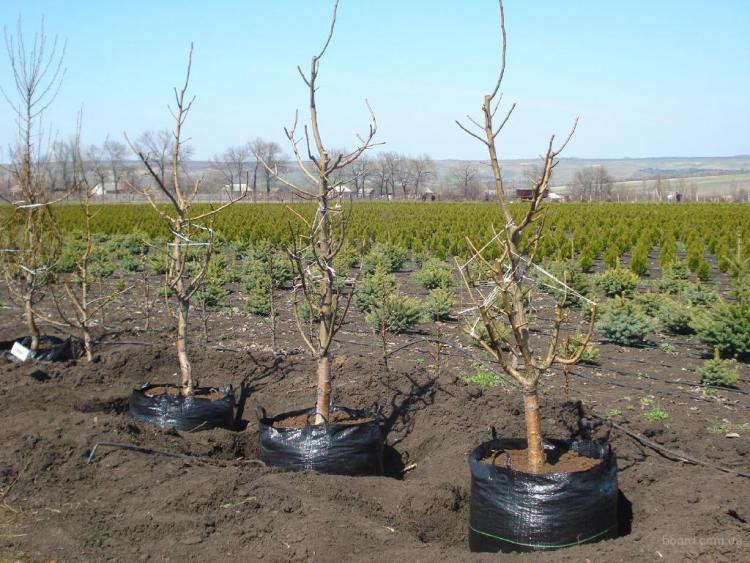
Trees are planted in open, flat areas, adequately protected from strong winds. Ideally, they should be placed on the south-facing sides of buildings that can block the wind. For full growth, the bushes require 6-8 hours of sunlight.
Landing progress:
- For 2 weeks, dig a hole up to 40 centimeters deep and up to 60 centimeters wide.
- Organic fertilizers are poured into the bottom of the hole, then the seedling is placed vertically.
- An additional support is installed next to it.
- The voids are filled with prepared soil and compacted.
- The seedling is tied up.
- Form a tree trunk circle.
- Water the hole generously.
Tip! The day after planting, mulch the tree with sawdust, mown grass, or pine needles.
Subtleties of care
With proper care, the Molodezhnaya cherry tree begins to bear fruit 2-3 years after planting. During the berry-free season, it requires simplified care.
What to fertilize with
The introduction of nutrients is necessary at certain stages of tree development:
- in spring, before the buds form, the soil around the bush is fertilized with organic mixtures;
- After budding, ammonium nitrate is applied under the roots; this will help the tree to grow green mass and form new shoots;
- when flowering, the tree begins to need potassium, phosphorus, and calcium;
- with the beginning of fruiting, calcium complexes are added under the root;
- In the fall, when preparing the garden for winter, the soil is again supplied with organic matter.
Watering
Regular, abundant watering is essential for the tree. There are periods when it can be reduced:
- bloom;
- fruiting;
- period of illness or insect repellent treatment.
Cherry trees are watered around the trunk to avoid exposing the base of the tree trunks. Warm, settled water is suitable for watering. If the water is very hard, acidify it with citric acid. If the tree is sick and recovering, water it with collected rainwater.
Loosening and caring for the tree trunk circle
Loosening the soil helps prevent many problems. It prevents the spread of weeds, which carry diseases and pests. Furthermore, mulching the soil after loosening helps retain moisture and prevent drought.

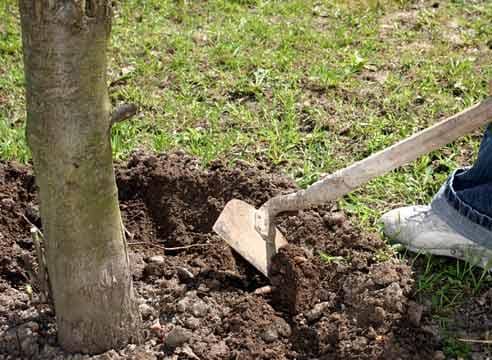
Tip! You can mulch the tree trunk area using expanded clay or colored chippings.
The trunk circle is formed during the first few years of the cherry tree's life. This is convenient for watering and mulching. It encircles the main bush at a distance of 1.5 meters.
Trimming
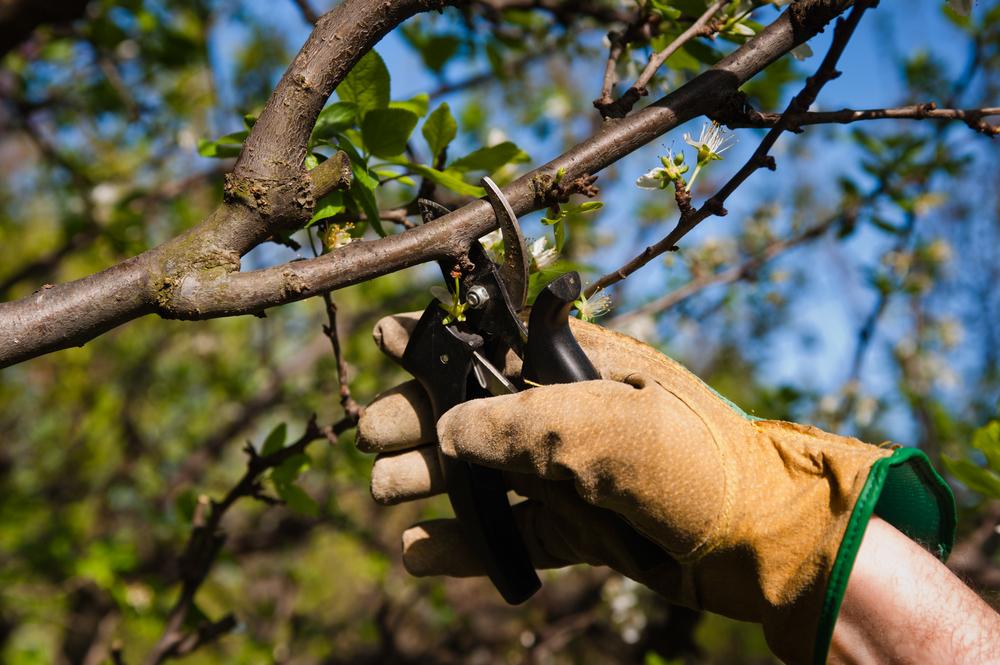
It's customary to thin out the Molodezhnaya cherry variety throughout the growing season. This improves yield and rejuvenates the mature bush.
| In the spring | Sanitary pruning involves removing damaged and diseased branches. Shortening shoots longer than 50 centimeters by a third. |
| In summer | Removing branches that block sunlight from reaching the central trunk. |
| In the fall | Correction of pruning, crown shaping, removal of immature shoots. |
Diseases, pests and control measures
Fungal diseases that pose a threat to cherry trees are usually prevented. To do this, several preventative measures are taken:
- autumn whitewashing of tree trunks to prevent rotting and the infestation of insects that spread diseases;
- treatment with a solution of Bordeaux mixture, as well as tar soap, using the foliar method at a temperature of +5 degrees;
- treatment with boric acid solution during flowering;
- After the leaves fall in autumn, spray with Bordeaux mixture at a higher concentration.
Preparing for the winter period
Cherry trees need to be properly prepared for winter to ensure they survive low temperatures without damage. In the fall, branches are pruned, then the trunks are whitewashed at a height of 7-10 centimeters, taking into account the height of the bush.The tree trunks are hilled and mulched to protect the soil around the bush from freezing. Leaves and branches cut from the tree are collected and burned before frost sets in.
Gardeners' reviews of the Molodezhnaya cherry
Gardeners highly value the Molodezhnaya cherry variety. The tree thrives in Siberia and boasts high yields. Farmers note that the quality and flavor of the berries harvested on flat land are superior to those harvested from trees growing in lowlands.
Related posts:
 Description and pollinators of the Vladimirskaya cherry variety, planting and care
 Description and cultivation of the best varieties of felt cherry, planting and care
 Description and varieties of cherry variety Shpanka, planting and care
 Description of the Zhukovskaya cherry variety, planting and care in open ground
 Description and characteristics of the Kharitonovskaya cherry variety, planting and care
 Description and characteristics of 17 dwarf cherry varieties, planting and care
 Description of the 25 best cherry varieties for the Urals and Siberia, planting and care in open ground
 Description and characteristics of the miracle cherry hybrid, planting and care of the variety