
- History of cherry breeding
- Pros and cons: is it worth planting in your garden?
- Habitat
- Characteristics and description of the Kharitonovskaya cherry
- Tree size and annual growth
- Pollinators
- Flowering and fruiting
- Collection and use of berries
- Drought resistance, winter hardiness
- Resistance to diseases and pests
- What conditions does the variety require?
- Planting Kharitonovskaya cherry trees
- Deadlines
- Selecting a location and preparing a planting hole
- Technique for planting seedlings
- Caring for the crop
- We organize watering
- What to feed
- Trimming
- Loosening and caring for the tree trunk circle
- Preparing for winter
- Diseases and pests: prevention and treatment
- Reviews of the variety
Every year, gardeners and farmers face the choice of which cherry variety to plant in their fields. Some varieties are productive but susceptible to climate change. Other cherry varieties are often susceptible to fungal and viral diseases. Making the right choice usually requires sacrificing some characteristics of the garden tree in favor of others. The Kharitonovskaya cherry variety was bred by breeders to capture the best characteristics of fruit trees.
History of cherry breeding
Work on developing a new variety began in 1988 at the Michurin Research Institute. For four years, co-authors E.N. Kharitonova and O.S. Zhukov conducted experiments crossing the Zhukovsky cherry and the Almaz variety. In 1992, the breeders submitted documents to register the new cherry variety, and in the late 1990s, the Kharitonovskaya cherry was added to state registers and recommended for cultivation in the southern and black soil regions.
Pros and cons: is it worth planting in your garden?
Before deciding to plant the Kharitonovskaya cherry variety in your garden, it's worth understanding all the advantages and disadvantages of this fruit crop.
Advantages:
- Thanks to the authors' long-term work, the trees have acquired a strong natural immunity to viral and fungal infections.
- Ripe berries are firmly attached to the stalks and do not fall off.
- Trees are self-pollinating, but the pollination process is partial, so neighboring pollinators will increase the yield.
- The compact size of the fruit crop allows cherry trees to be planted in small areas.
- Trees tolerate drought well.
- Annual fruiting, with abundant harvests and large fruits.
- The taste qualities of the berries have been rated by experts as high.
- The berries are used both in industrial quantities and by private gardeners and vegetable growers.
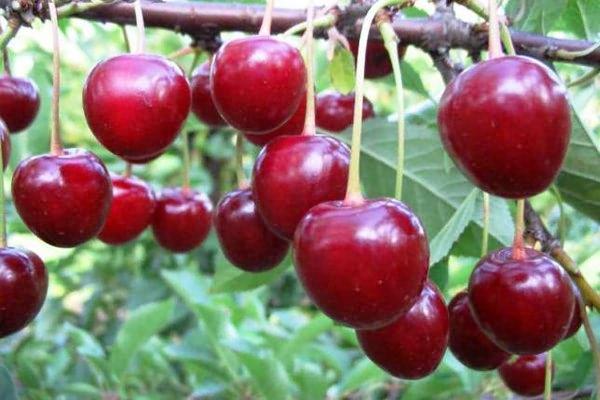 Interesting! To create the Kharitonovskaya variety, the best characteristics of sweet cherries, sour cherries, and bird cherries were used.
Flaws:
- The fruit crop is not recommended for cultivation in northern regions.
- The fruits have a large stone.
- Short shelf life of fresh berries and difficulties in transporting them over long distances.
The light bird cherry aroma and aftertaste of ripe berries make this cherry variety one of the most interesting for cultivation.
Habitat
The Kharitonovskaya cherry tree does not thrive in regions with long and harsh winters. Trees freeze at low temperatures. Fruit trees of this variety are recommended for cultivation in temperate latitudes and southern regions with fertile, black soil.
Characteristics and description of the Kharitonovskaya cherry
The Kharitonovskaya hybrid cherry possesses unique characteristics, unique to this variety, obtained through long and painstaking scientific work.

Tree size and annual growth
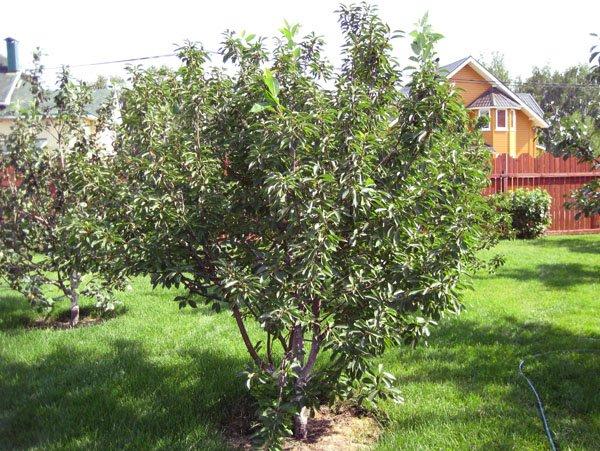
The compact Kharitonovskaya cherry tree grows from 2 to 3.5 meters tall with a spreading, spherical crown. The shoots are brown with a tan tint, with large, oval, bright green leaves, pointed at the tips. With proper care, annual shoot growth ranges from 50 to 70 cm.
Pollinators
The Kharitonovsky cherry variety is capable of partially self-pollinating. Therefore, to increase the fruit tree's yield, the right neighbors are needed. Cherry trees with similar flowering periods are suitable for pollination, but the best neighbors for this fruit tree are the Vladimirskaya, Lyubskaya, or Zhukovskaya cherry varieties.
Flowering and fruiting
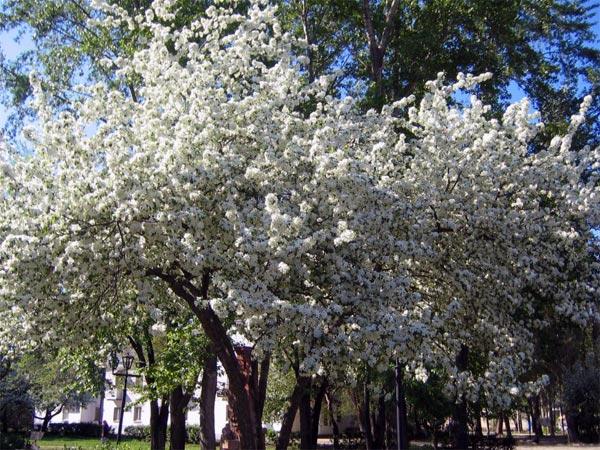
The garden plant enters the flowering phase in the last days of spring, forming ovaries on the main branches and year-old shoots. The first ripe berries appear on the trees as early as midsummer. The tree begins to bear fruit in its fourth or fifth year of growth, delighting with abundant harvests each year.
Collection and use of berries
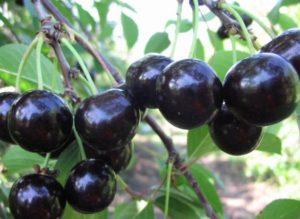
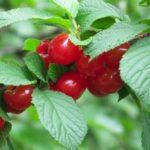
When fully ripe, the berries do not fall off. The main harvest occurs in late July and early August. Kharitonovskaya cherries are characterized by high yields and large berries, up to 5 g. A single compact tree can yield up to 20 kg of ripe fruit.
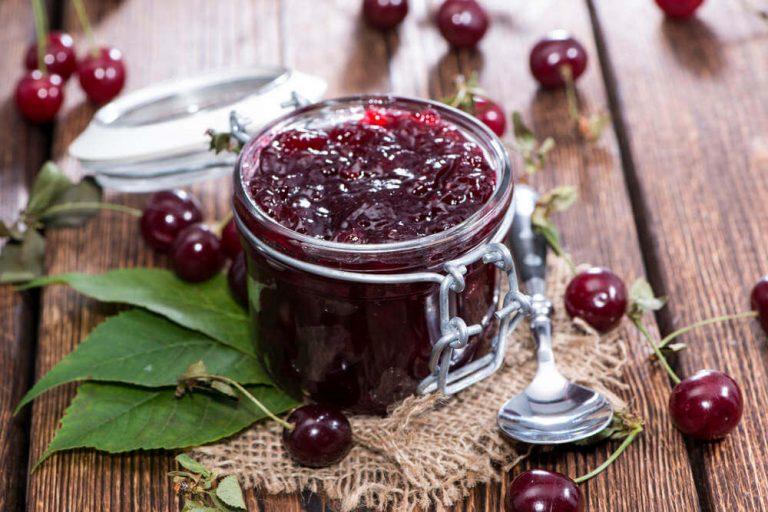
The berries are versatile and can be eaten both raw and processed. They are used to make jams, preserves, juices, and nectars.
Cherries are excellent for canning and freezing, desserts, and baking. Thanks to the light flavor and aroma of bird cherry, they make delicious homemade liqueurs and wines.
Drought resistance, winter hardiness
The Kharitonovskaya cherry tree does not tolerate severe frosts, so it is not grown in northern regions. However, the trees are highly drought-resistant. During dry periods, watering once a month is sufficient to prevent the tree from suffering from moisture stress.
Resistance to diseases and pests
The hybrid fruit variety was bred to be resistant to fungal and viral diseases. While it's technically impossible to create immunity against all diseases, the fruit crop is completely protected against coccomycosis.
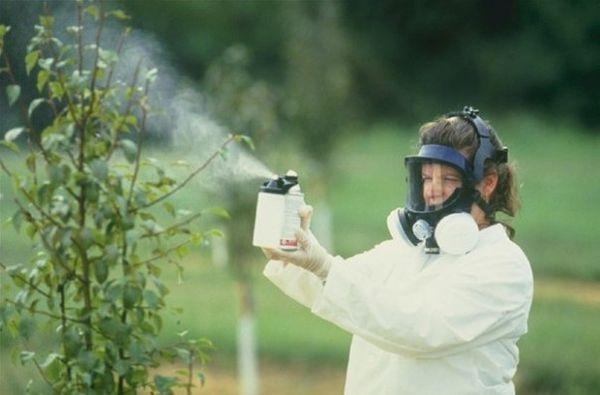
Important! To protect trees from diseases and pests, carry out preventative spraying of fruit crops in the spring and fall.
What conditions does the variety require?
The Kharitonovsky hybrid variety is easy to care for. However, when planting seedlings, it's important to be aware of a few key aspects. Cherry trees of this variety do not tolerate high soil moisture or shaded areas well, but young trees require a strict watering schedule. Pruning is performed annually, both for maintenance and for formative purposes.
Planting Kharitonovskaya cherry trees
To ensure healthy trees grow and bear fruit annually, it's important to strictly follow agricultural practices. Choosing a planting site and subsequent care will ensure abundant fruit harvests.
Deadlines
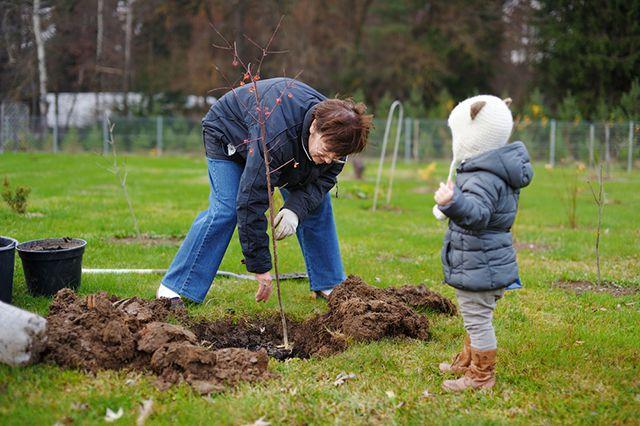
In temperate climates, Kharitonovskaya cherry trees are planted outdoors in mid-spring, when the soil warms up. In southern climates, it's recommended to plant seedlings in the fall, 1.5-2 months before the first frost.
Selecting a location and preparing a planting hole
The land plot for planting seedlings is selected and prepared in advance.
- Fruit crops are planted in well-lit, dry areas, protected from strong gusts of wind and drafts.
- Lowlands are not suitable for cherry trees, and groundwater should be at least 2 m from the soil surface.
- If planting of seedlings is planned in spring, the soil is prepared in autumn.
- The area is carefully dug over, weeds are removed, and the soil is mixed with mineral and organic fertilizers.
- 2-3 weeks before planting the seedlings, holes 60 to 80 cm deep and 70 to 90 cm in diameter are dug in the prepared area.
- The distance between holes is from 2.5 to 3 m, between rows from 3 to 3.5 m.
- Broken stone or small crushed stone are placed at the bottom of the holes.
Take a look Also
 Important! Lime is added to highly acidic soil, and flooded areas are elevated by 20-40 cm.
Technique for planting seedlings
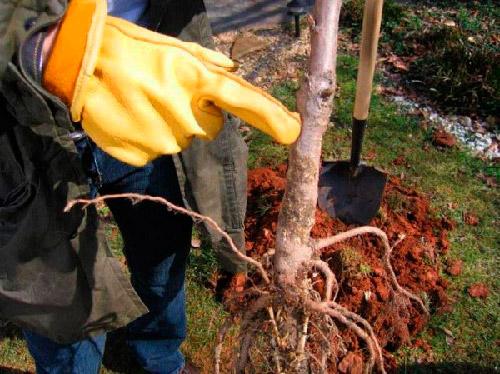
High-quality planting material is purchased from garden centers or nurseries. Preference is given to one- or two-year-old seedlings with a well-developed root system. The tree's roots should not dry out, and the soil around the rhizome should be well-moistened.
A thorough inspection of the root system is performed to prevent the development of fungal and viral diseases in the seedling. The main trunk is straight, smooth, and free of damage, knots, and growths on the branches.
Before planting in open ground, seedlings are placed in a bucket of water. Well-watered plants need only 2-3 hours of soaking, while trees with dry roots are left in the water for 15-20 hours. To prevent fungal infections, the rhizomes of the plants are treated with antifungal agents.
- A support for the seedling is driven into the prepared hole.
- The drainage layer is covered with humus and fertile soil.
- The soil is collected into a small mound on which the seedling is placed.
- The roots are carefully distributed in the hole and sprinkled with soil.
- The soil around the seedling is compacted and watered generously, and the seedling is secured to a support post.
- The soil is loosened and mulched with a mixture of peat and sawdust.
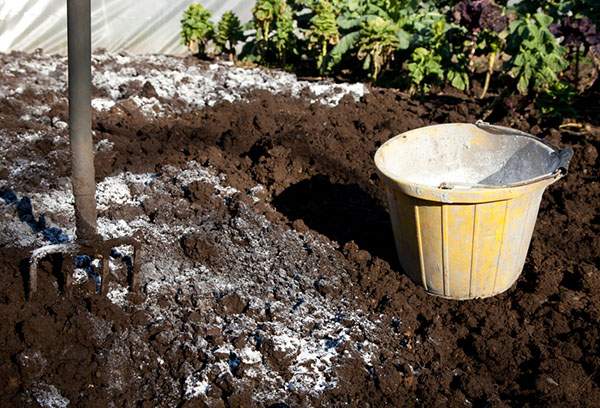
Important! When planting seedlings, do not leave any gaps between the roots and the soil.
Caring for the crop
The Kharitonovskaya cherry variety doesn't require any special care during its growth. However, without timely watering, fertilizing, and pest control, the crop's yield declines.
We organize watering
Frequent watering is only important for young trees that are in the process of establishing roots. Irrigation should be done once every 10-14 days. Mature plants should be watered 3-4 times throughout the growing season. During drought, the frequency of watering should be increased.
What to feed
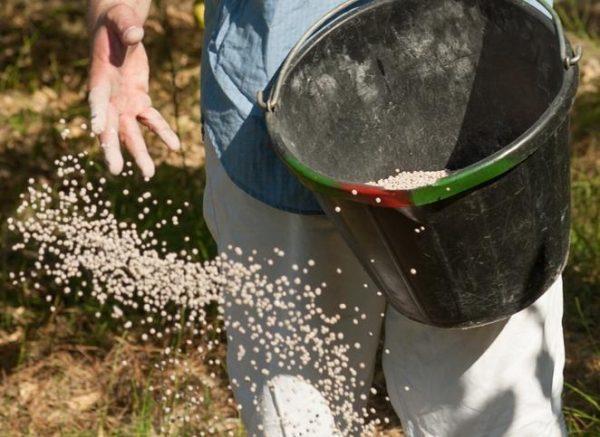
Fertilizing fruit trees begins in their third year of growth. Organic fertilizers are applied no more than once every four years. This procedure is carried out in the fall, before the trees go into winter dormancy. During the growing season, trees are fed with mineral complexes containing nitrogen, potassium, and phosphorus.
Trimming
Trees grow and develop rapidly, so formative and sanitary pruning is performed annually. Crown shaping begins in the first year of planting in open ground. This work is carried out in early spring, before the buds open. Each year, tiers are formed on the tree's canopy, leaving 3-5 of the strongest branches on each tier.
Shoots growing inward into the crown are completely cut out. The cut areas must be treated with garden pitch.
Also, in spring and autumn, sanitary pruning of trees is carried out, removing all damaged, weakened and frozen shoots.
Loosening and caring for the tree trunk circle
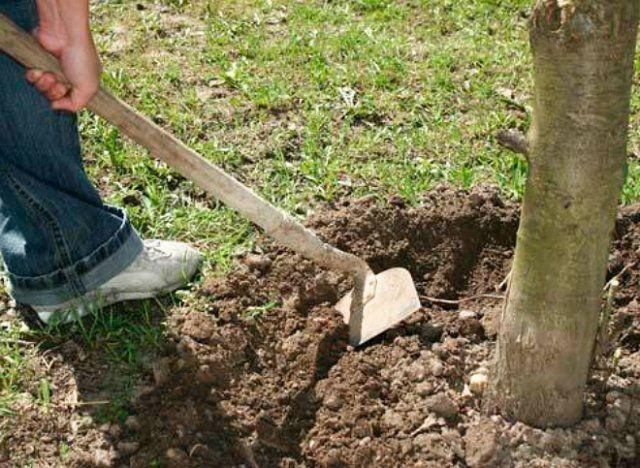
Loosening the soil is done after watering the trees. This helps the rhizomes receive oxygen and moisture. Loosening also removes weeds. To prevent excess moisture in the soil and the growth of fungal bacteria, mulch the area around the tree trunk. Sawdust, peat, dry grass, or straw are used as mulch.
Preparing for winter
In the fall, the soil around the trees is thoroughly loosened and watered generously. The area around the trunks is fertilized with organic matter and covered with dry grass or leaves. Young trees are covered with burlap or any other breathable material. The lower part of the trunk is treated with a lime solution and covered with netting. Mature trees easily survive winters in temperate and southern climates.
Diseases and pests: prevention and treatment
To prevent diseases and pests, fruit trees are sprayed with professional pesticides in the spring and fall. However, if fungal and viral infections persist, treatment is carried out with copper-based fungicides. Professional insecticides are used to control pests.
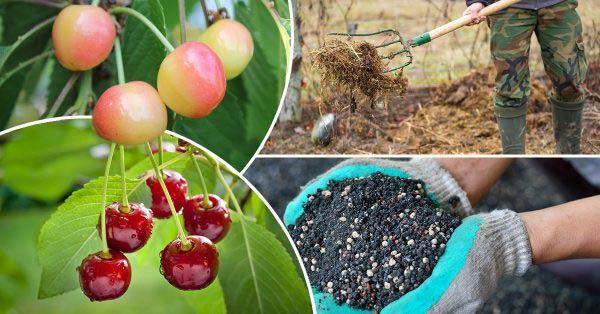 Important! To avoid diseases and pests in cherry hybrids, strictly follow proper agricultural practices.
Reviews of the variety
Kira Mikhailovna. Bryansk.
Five years ago, we bought Kharitonovskaya cherry seedlings from a nursery. On the advice of a consultant, we also bought Vladimirskaya cherry trees for better fruiting. Last year, we harvested our first large cherries. There were a huge number of cherries, all large, juicy, and sweet. We made a lot of compote and jam, and froze what we didn't have time to process.
Yuri Nikolaevich. Tula.
I've been growing Kharitonovskaya cherries for about 15 years now. I try to buy new seedlings every two or three years, because this is the berry our whole family loves. I treat the trees with fungicides twice a year, but I've never encountered any serious problems. The only drawback is the large pit. Otherwise, this cherry variety has no drawbacks.
Elvira Petrovna. Kuban.
Last year, we harvested our first Kharitonovka cherries. The large, juicy berries were measured, and the average yield was 5.5 grams per fruit. I loved the taste; I made homemade wine and liqueur from them. Guests couldn't believe they were cherries.
Related posts:
 Description and pollinators of the Vladimirskaya cherry variety, planting and care
 Description of the 10 best black cherry varieties, planting and care in open ground
 Description of the Zhukovskaya cherry variety, planting and care in open ground
 Description and characteristics of 17 dwarf cherry varieties, planting and care
 Description and varieties of cherry variety Shpanka, planting and care
 Description and characteristics of columnar cherry varieties, planting and care
 20 Best Cherry Varieties for the Central Russian Region with Descriptions and Characteristics
 Description and cultivation of the best varieties of felt cherry, planting and care