
- History of selection and region of breeding
- Characteristics and description of the variety
- Tree dimensions
- Pollinators, flowering period and ripening time
- Productivity, fruiting
- Scope of application of berries
- Immunity to diseases and pests
- Pros and cons of culture
- Planting Morozova's Dessert cherry variety on a plot
- Selecting a location and preparing a planting hole
- Timing of planting operations
- Seedling planting technology
- The intricacies of cherry tree care
- Watering
- Fertilizer
- Caring for the soil and tree trunk area
- Crown formation
- Getting ready for winter
- The main types of diseases and methods of combating them
The medium-sized, partially self-fertile Morozova Dessert cherry variety tolerates cold winters well, is resistant to many diseases, and produces sweet harvests of aromatic and exceptionally tasty berries. It bears fruit evenly every year, regardless of weather conditions. Thanks to these unique qualities, it is highly sought after by experienced gardeners.
History of selection and region of breeding
Tamara Morozova developed a new cherry variety in Michurinsk, Tambov Oblast. It was named after her. The variety was based on a similar variety, the Vladimirskaya cherry. It was added to the Register of Breeding Achievements in 1997. It is intended for cultivation in the Central Black Earth Region of Russia.
Characteristics and description of the variety
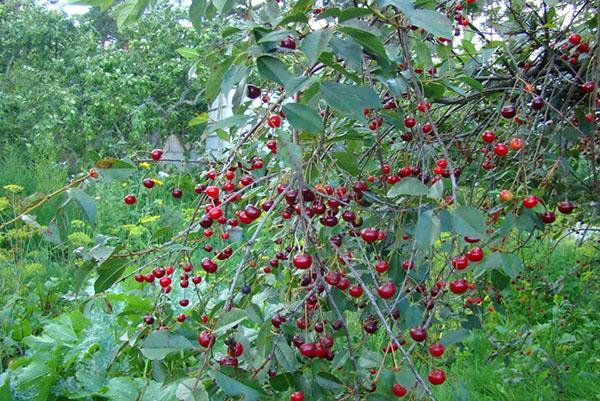
The lush crown of the early-ripening Dessert Cherry is laden with delicious berries every year, regardless of weather conditions. The bark of the trunk is light brown, while the bark of the shoots is gray-green. This variety is distinguished by a moderate number of leaves, gathered on spreading branches.
Tree dimensions
This medium-sized tree grows no more than three meters in height, making it ideal for berry picking. It has a spherical crown and spreading shoots.
Pollinators, flowering period and ripening time
The Dessertnaya cherry stands out among many other varieties for its early flowering period and begins bearing fruit actively in the third or fourth year. It is partially self-sterile and requires other pollinators. Its best neighbors are:
- Student;
- Vladimirskaya;
- Griot Rossoshanskaya;
- Griot Ostheim cherry.

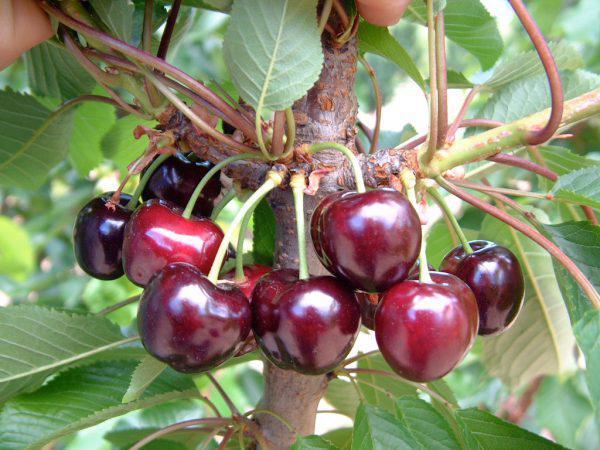
In warm, sunny weather, the berries ripen evenly and the harvest is collected from the tree as early as mid-June.
Productivity, fruiting
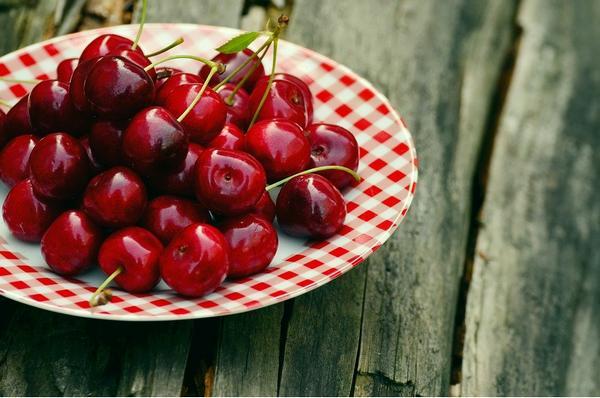
This variety produces large, bright red berries with low acidity. The average berry weight is around 5 grams. In some years, a single mature tree can yield up to 35 kilograms.
Scope of application of berries
The berries are easy to transport and suitable for sale. However, their fresh shelf life is only a few days. They then require immediate processing. The aromatic berries of the dessert cherry make delicious juices, preserves, jams, compotes, and liqueurs.
Immunity to diseases and pests
The variety is characterized by moderate vulnerability to coccomycosis and is very resistant to other types of diseases.
Pros and cons of culture
The main advantages of the variety are:
- taste qualities of berries with a rating of 4.7 on a five-point scale;
- good frost resistance;
- early ripening of fruits;
- resistance to many types of diseases.
Morozova's dessert is not perfect and has some shortcomings:
- requires careful attention to the crown and periodic thinning;
- moderately resistant to coccomycosis.
Thanks to the above qualities, the demand for the Dessert cherry among amateur gardeners remains high every year.
Planting Morozova's Dessert cherry variety on a plot
The tree is easy to care for and, when grown correctly, produces excellent yields of large berries.
Selecting a location and preparing a planting hole
An open, sunny location with a low water table is ideal for planting cherries. The tree does not thrive in low-lying areas or pits. Sandy loam and loam soils are excellent soils for growing dessert cherries.
The hole is prepared six months before planting. The tree prefers a neutral pH. Depending on the site's characteristics, this pH is optimized before planting using chalk, lime, or dolomite flour.
Poor soil is enriched with fertilizers and humus is added in advance.
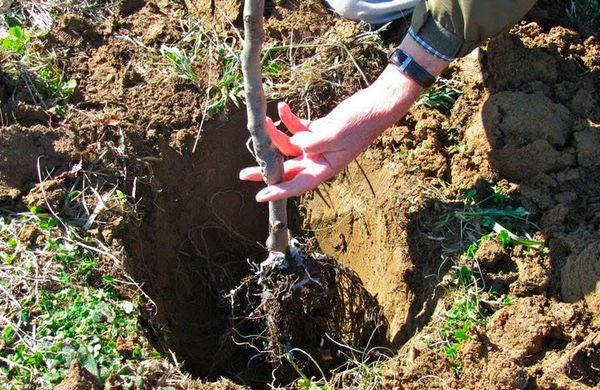
The planting hole should be at least 50 centimeters wide and deep. A larger hole will allow the roots to develop promptly and provide the young plant with all the necessary micronutrients.
Timing of planting operations
Regular seedlings are planted in early spring. For container-grown seedlings, planting time is not as critical, as they are already established. With careful transplanting, these plants experience little stress and recover quickly.
Seedling planting technology
The spreading crown of the Dessert Frost Cherry requires a lot of free space, so seedlings are planted no closer than one and a half meters from each other.
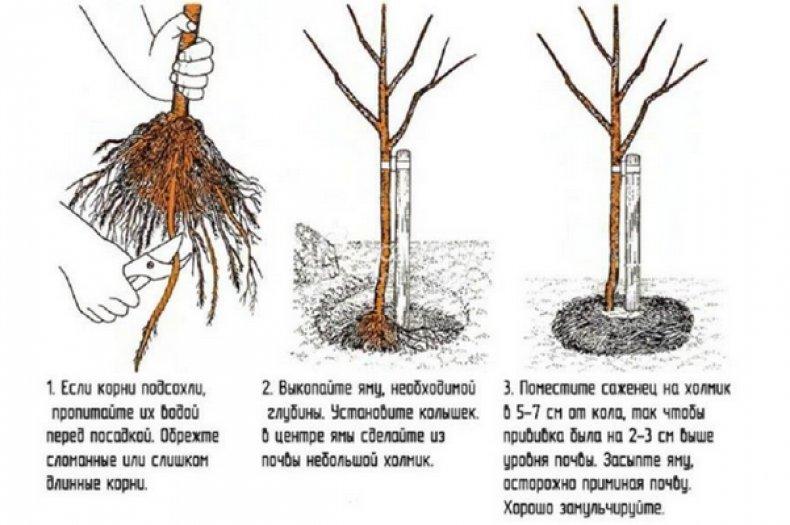
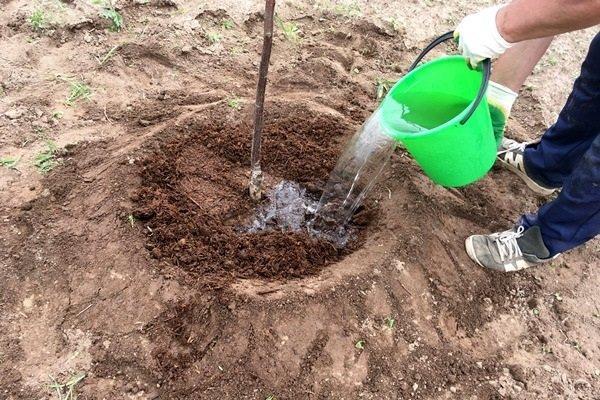
Partially fill the planting hole with fertilized soil to form a small mound. Carefully place the seedling in the hole, cover with the remaining soil, lightly compact, and water with warm water. Each seedling will require at least three buckets of water. To conserve moisture, you can mulch the root zone.
The intricacies of cherry tree care
Dessert cherries don't require much attention. With minimal input and favorable weather conditions, they will delight you with abundant harvests of delicious berries every year.
Watering
Guaranteed high yields can be obtained with intensive watering at least four times per season during the following cycles:
- flowering;
- formation of ovaries;
- after picking berries;
- late autumn – before hibernation.
During the ripening period, the tree is generally not watered. Excessive moisture can cause the berries to crack.
Fertilizer
Ammonia fertilizers promote good growth. They are applied to the root zone in early spring. For enhanced flowering, the tree requires phosphorus. During fruit ripening, cherries are fed with potassium fertilizers.
Caring for the soil and tree trunk area
Soil maintenance consists of regularly loosening the soil around the trunk. Loosening the soil ensures a fresh air supply and reduces moisture loss. Young root shoots emerge annually around the trunk of a mature tree, requiring mowing. Mulching the trunk area with readily available materials will eliminate the need for regular soil loosening and weeding.
Crown formation
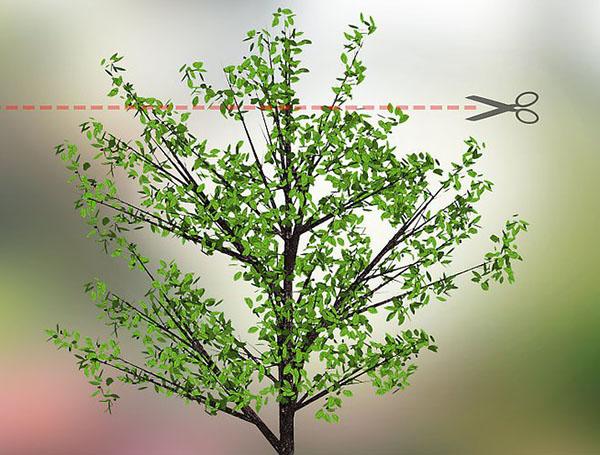
Like any other variety, the Dessert Cherry requires periodic pruning. In early spring, remove all frozen, dried, damaged, and bare branches. If the crown becomes very dense, thin it out.
Getting ready for winter
Fertilizing with potassium and phosphorus fertilizers will help the tree survive the winter cold. After fertilizing in dry autumn conditions, water the tree to saturate the root system. Whitewashing mature cherry trees in the fall will prevent pests from overwintering under the bark and will also prevent cracking due to frost. A young sapling covered with agrofibre will better withstand winter frosts and thaws.
The main types of diseases and methods of combating them
Morozova's dessert cherry is virtually disease-free. The exception is commicosis, to which the variety has moderate resistance. If the disease occurs, the tree is treated with fungicides.
The Morozova Dessert Cherry is an excellent choice for inexperienced gardeners growing in their gardens. It produces good early harvests of berries with improved flavor.
Related posts:
 Description and pollinators of the Vladimirskaya cherry variety, planting and care
 Description of the 25 best cherry varieties for the Urals and Siberia, planting and care in open ground
 Description and varieties of cherry variety Shpanka, planting and care
 Characteristics and description of the Shokoladnitsa cherry variety, pollinators and fruiting
 Description and characteristics of the miracle cherry hybrid, planting and care of the variety
 Description and characteristics of 17 dwarf cherry varieties, planting and care
 Description and propagation of the Bessey cherry variety, planting and care rules
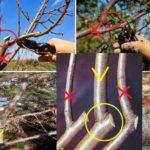 When and how to prune cherry trees correctly, and tree shaping schemes for a good harvest