
- Description and characteristics of the insect
- The main reasons for the appearance
- Signs of appearance
- Methods of struggle
- Chemical
- Biological
- Traditional methods and remedies
- Agrotechnical measures
- Mechanical
- Spraying schedule
- Spring prevention
- Summer work
- Autumn time
- Preventive measures
- Tips from experienced gardeners
Almost everyone grows fruit trees, berries, and other orchards in their garden. The most popular trees are peach, apple, pear, cherry, sweet cherry, and apricot. During flowering and fruiting, trees are susceptible to attack by harmful insects. Many gardeners wonder how to treat aphids on peach trees. At the first sign of pest infestation, they must be eliminated immediately. Aphids prevent buds from opening, causing fruit to fall, young shoots to die, and leaves to curl and turn yellow.
Description and characteristics of the insect
Aphids are considered small insects that live in colonies. Aphids are classified as:
- large peach;
- green;
- bloody;
- black.
First, you should determine the type of pest and become familiar with its characteristics.
The large peach aphid attacks peach trees. The active phase of infestation begins in July and August. During this period, the pest begins to form colonies, which are immediately visible upon inspection of the tree. The aphid's habitat is the inner leaf surface.
The aphid releases its waste products, which attract other insects. The parasite chooses the tree trunk bark for overwintering.
The main danger of green aphids is the spread of viruses to young seedlings. This type of aphid feeds on tree sap, causing it to dry out. Damaged plants are susceptible to fungal diseases and wood-boring beetles.
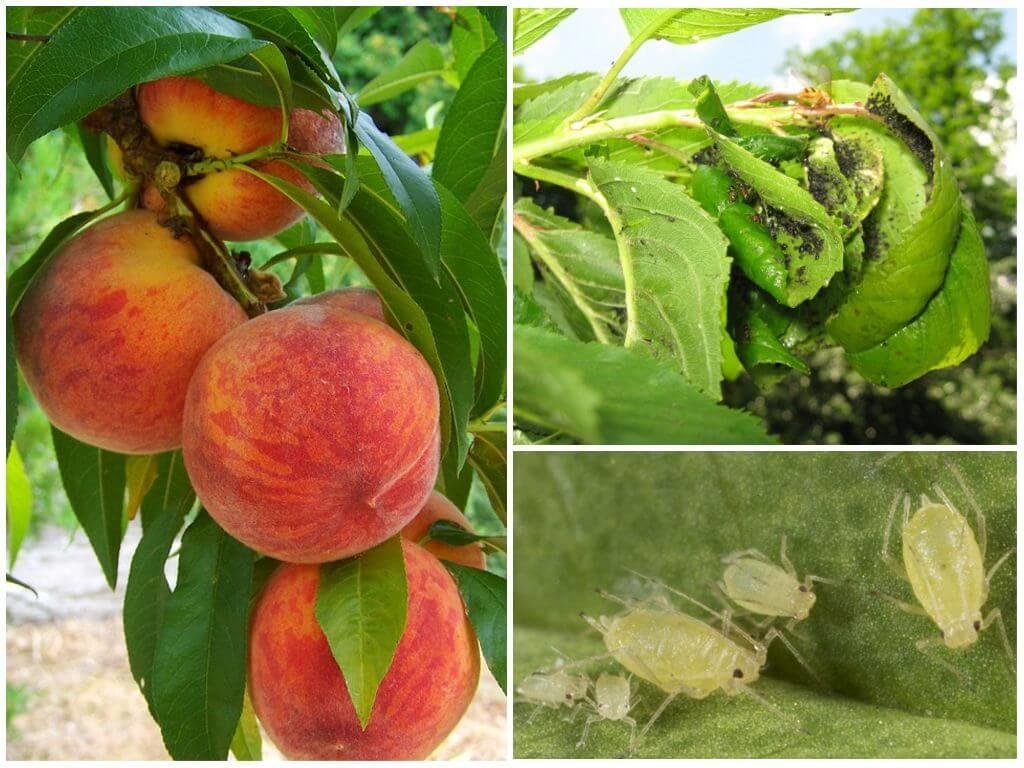
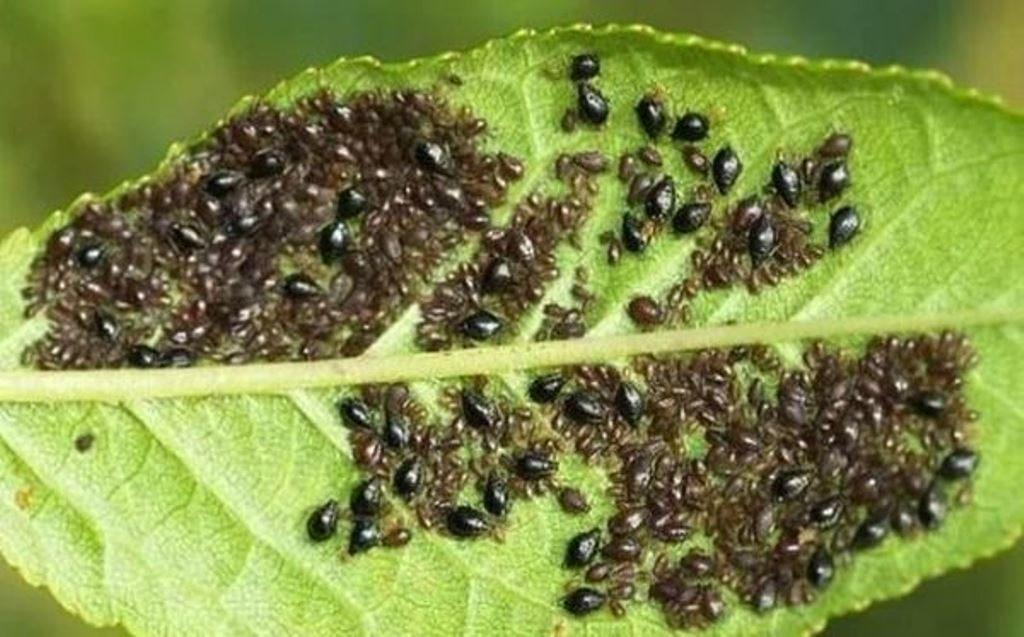
When infested with blood aphids, the tree loses sap and dries up. The aphids form large clusters on the undersides of leaves. Blood aphids are slightly shaggy, and when crushed, they begin to secrete a red liquid resembling blood.
Without treatment, the peach tree becomes deformed, ulcers appear on the shoots, and fruiting decreases.
Black aphids prefer the inside of leaves and young, weakened seedlings. They coat peach buds and flowers with a sticky liquid, causing shoots and foliage to curl, buds to dry out, and fruiting to decline. Sooty mold and powdery mildew often develop after an aphid infestation.
The main reasons for the appearance
The large peach aphid can also be found on almonds, plums, apricots, and cherry plums. Aphid development occurs in early June and July. Flying from tree to tree, they form large colonies. The active phase of the insect's development begins in late June and early August, when the aphids cling to large branches.
Peaches are also susceptible to green aphids, which also feed on vegetables and flowers. Aphids often appear due to weed infestations, which provide optimal conditions for pest development. Weeds are considered a source of food for aphids.
Colonies can be prevented from spreading by timely weeding and removing weeds. It's also important to remove loose bark from the tree trunk and branches.
Signs of appearance
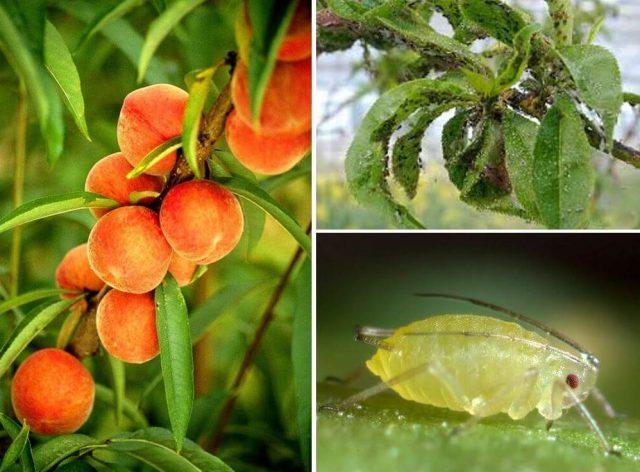
You can identify aphids by the following symptoms:
- colonies are located on the inner parts of the leaves;
- a slimy liquid is visible on the buds, leaves, and flowers;
- the tops of the shoots begin to die off;
- Due to the absorption of tree sap by aphids, the leaves begin to curl and turn yellow;
- the growth and development of the plant ceases;
- there is a decrease or cessation of fruiting.
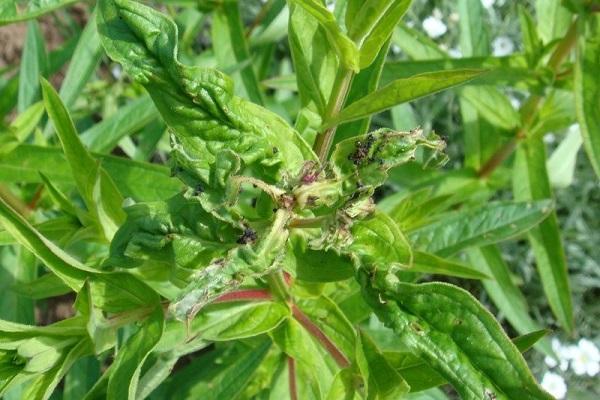
If a tree is attacked by bloodworms, greenflies, or large peach aphids, immediate treatment is necessary. Infestations can cause stunted growth and development, disease, and crop failure.
Methods of struggle
At the first sign of aphids, they must be eliminated immediately, as the insects spread rapidly. To protect the tree, treat it 3-4 times per season. There are several ways to get rid of the pests:
- chemical;
- mechanical;
- biological;
- agrotechnical.
Many agronomists use folk remedies against aphids in the form of spraying peaches decoctions and tinctures.
Chemical
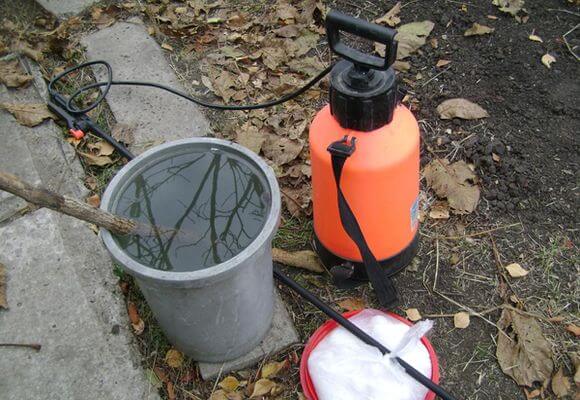
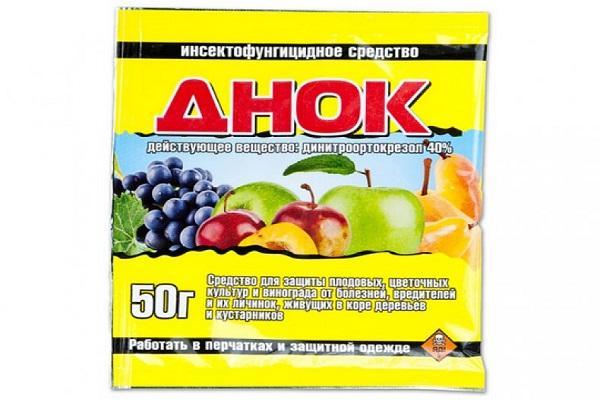
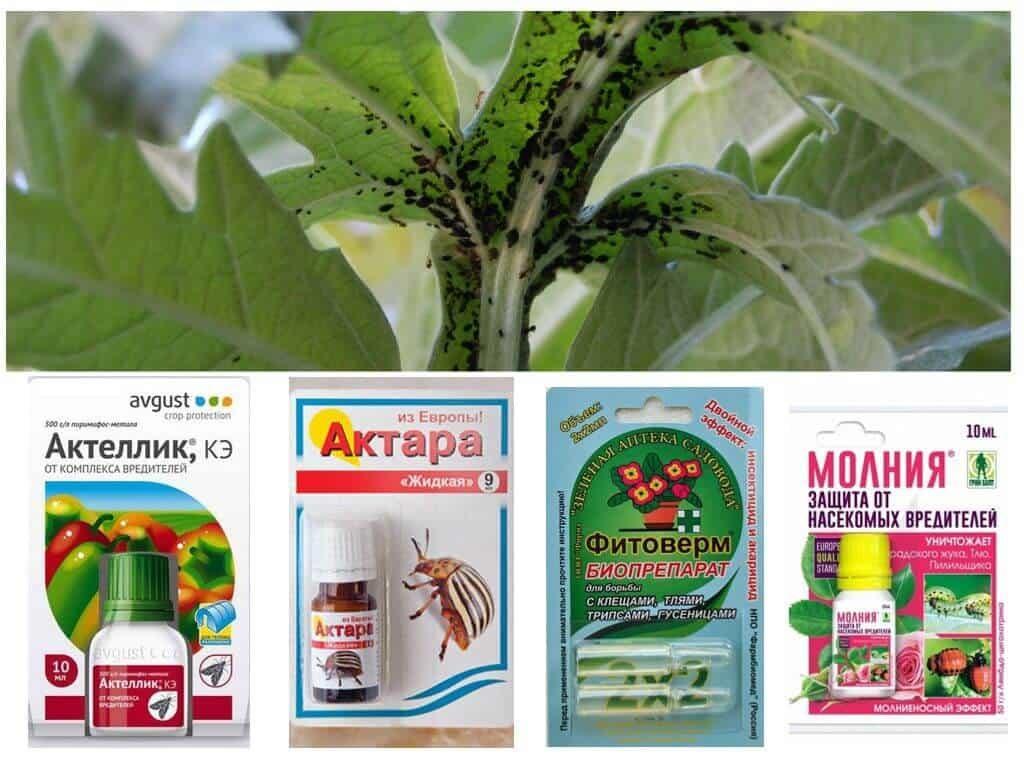
Chemicals should be used with caution. Strictly adhere to the dosage indicated on the packaging, otherwise there is a risk of chemical burn on the tree. To kill aphids, use products such as:
- "Aktars";
- "DNOC";
- Confidora;
- "Karbofos";
- "Tanreka";
- "Actellica".
Chemicals are potent, paralyzing aphids and killing them within 2-3 days. With effective spraying, the effect can be seen within 7-8 days.
Biological
Living organisms are used to create biological drugs:
- antagonist fungi;
- bacteria;
- bacterial viruses;
- beneficial insects (enomophages, acariphages).
Biological agents are divided into several classes, including fungicides, insecticides, and insectofungicides. The most common aphid sprays used on peach trees include:
- "Aktofita";
- "Arrows";
- Intavira;
- Fitoverma;
- 3D Plus;
- "Sparks Bio".
All of the above medications require high temperatures (at least 15°C) for their effectiveness. Therefore, peach trees are treated with chemicals, followed by spraying during bud formation.
Traditional methods and remedies
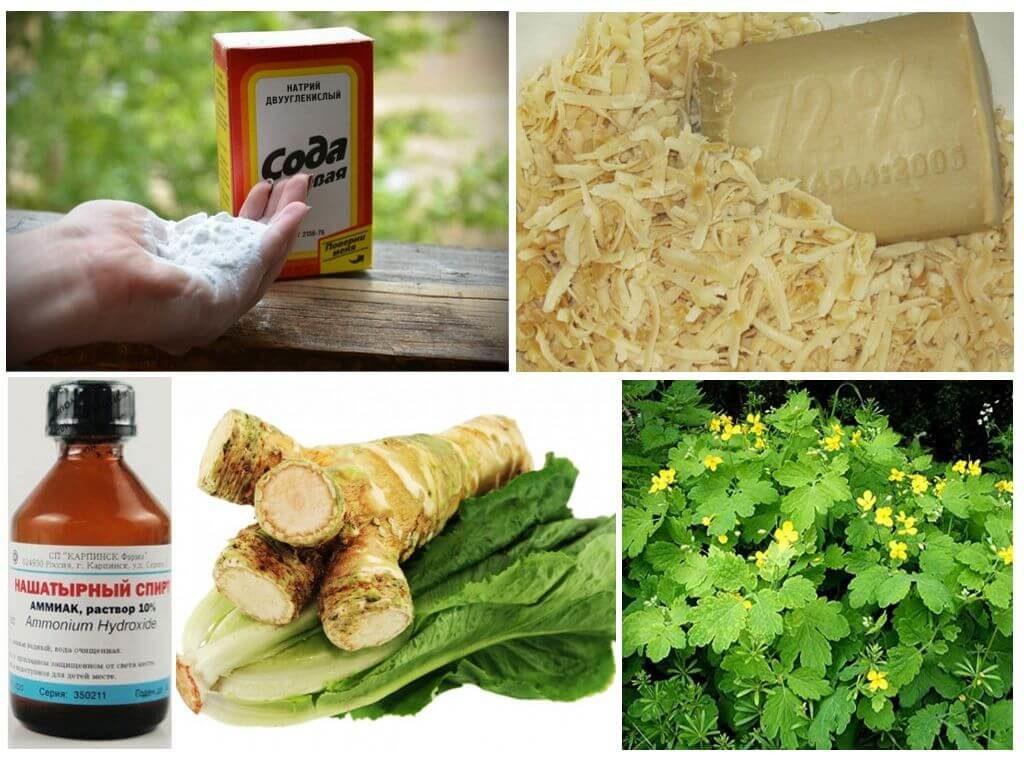
Experienced agronomists, in addition to specialized medications, use traditional remedies. This treatment is environmentally friendly, requires no additional costs, and is carried out during the formation and ripening of the peach tree. Traditional methods include:
- Dandelion infusion. For the infusion, use 300-400 g of dandelion leaves, 250 g of dandelion rhizomes, and a bucket of water. Mix the ingredients, let it steep for 3-4 hours, and then spray the plant.
- Garlic infusion. To prepare, you'll need 250-300 g of pressed garlic and 1-1.5 liters of water. Mix everything together, let it steep for 1 day, and then the infusion is ready.
- Onion peels. Add water to the peels in a 1:4 ratio and simmer for half an hour. Cover the pot and let it steep for about a week. Strain the mixture and pour it into a spray bottle or mister.
- Tomato top infusion. After collecting 4-5 kg of tomato leaves, pour a bucket of water over them and boil them in an iron bucket for half an hour. The strained infusion is ready for use.
- Tobacco infusion. You'll need 10 liters of water and 1 cup of tobacco. Mix the ingredients, add water, and let steep for 3-4 days. Optionally, add a bar of laundry soap to the mixture, strain, and infuse the peach.
- Ammonia. Pour 2-3 tablespoons of ammonia and 1 tablespoon of dishwashing liquid into a bucket of water. After thoroughly mixing, spray the peach with the mixture.
- Baking soda. Aphids can be eliminated with a baking soda solution made from a bucket of water and 4-5 tablespoons of baking soda. Apply at sunset, and 2-4 applications are required, spaced 4-5 days apart.
- Milk and iodine. Before flowering, peach trees are sprayed with a milk-iodine solution. This will require 2 liters of milk, 8 liters of water, and 7-8 drops of iodine.
- Coca-Cola. This is a rather unusual, yet effective, remedy against aphids. The phosphoric acid in cola can kill harmful aphids. The drink's effectiveness is enhanced by its high sugar concentration, which helps stick the pests to the branch, immobilizing them.
- Vinegar. Vinegar can quickly eliminate pests, as they are repelled by strong odors. Mix 1 teaspoon of acetic acid in 1 liter of water and spray it on the tree.
- Celandine. To make the solution, cut the bush down to the roots, wash, and chop. Pour 10 liters of water over the plant and let it steep for 2-3 days. The infusion is ready when it reaches a rich brown color.
- Vodka. Inexpensive vodka can be used to treat wood. Spray the branches with it in its pure form.
- Green soap. You can kill parasites using grated laundry soap (300 g), water (1 bucket), and ash (300 g). Mix all ingredients, boil in an iron bucket for half an hour, and use after cooling. You can also mix a solution of green soap, which is sold at gardening stores, with water.
- Birch tar. To prepare the solution, dissolve 1 tablespoon of tar in a bucket of water, adding 50-60 grams of grated laundry soap. After stirring, the solution is ready for use.
- Boric acid. Spray with a solution of 2-3 g of boric acid and 0.5 liters of hot water. Mix all ingredients with a bucket of warm water.
- A trapping belt. You can prevent the spread and reproduction of aphids with a trapping belt. It requires a special base. The trapping belt is made from resin or tar, rosin, and petroleum jelly. All ingredients are mixed and boiled until they become a paste. The resulting mixture is then applied to the aphid's habitat. The pests will be attracted by the scent and become firmly attached.
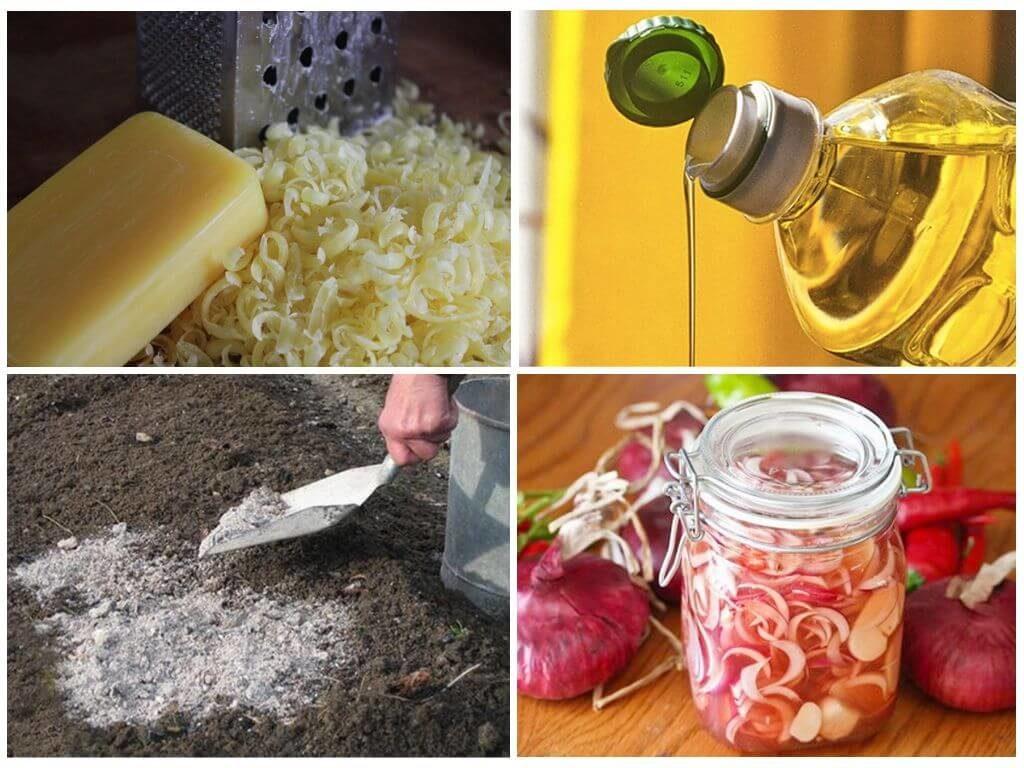 You can avoid treating aphids with aggressive preparations by taking preventative measures to protect your peach tree.
Agrotechnical measures
Aphids often spread to peach trees from neighboring trees, flowers, or shrubs. Pest control is more effective with cultural practices such as removing nearby weeds, which will prevent the insects from migrating. Planting plants such as the following near peach trees is beneficial:
- Luke;
- garlic;
- celandine;
- chamomile;
- wormwood;
- marigolds;
- coriander;
- yarrow;
- tansy;
- calendula;
- dill;
- mint.
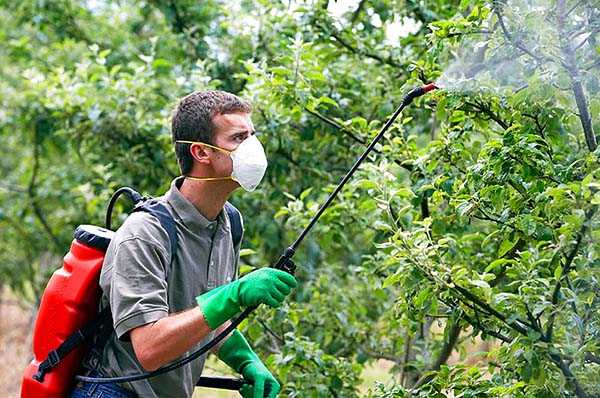 It is important not to forget about removing old bark, mechanically cleaning the trunk, and weeding.
Mechanical
Aphids can be eliminated using the following mechanical measures:
- Wash away the insects with a powerful jet of water. First, remove excess grass around the tree and remove old bark from the trunk and branches. Then, rinse the peach tree with a powerful jet of water until the aphids disappear.
- Planting herbs and fragrant plants around peach trees. Aphids cannot tolerate the strong scents of flowers, vegetables, and plants.
- Knocking off aphids using improvised tools, such as a broom or brush. This method is more suitable for low-growing trees.
- Timely removal of crowns and bark. Dried and diseased trees should be burned.
- Creating a trapping belt. This not only protects the tree from aphids but also repels ants and wasps.
Before the autumn cold sets in, the tree trunk area is sprinkled with ash and doused with boiling water. When the ash dissolves, it releases a bitter and pungent odor that aphids dislike. Boiling water kills the larvae and eggs laid in the inner bark.
Spraying schedule
The quality of peach tree fruit production depends on proper care. A spraying schedule requires several applications per season.
Spring prevention
Several sprayings will be required in the spring. The first treatment is done before bud break. This is necessary to kill aphids that overwinter under the bark of the trunk and branches. Spraying is carried out using fungicides such as copper sulfate and Bordeaux mixture. A common option is to use diesel fuel—it forms an oily film on the peach tree, blocking oxygen for the aphids.
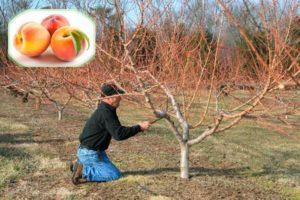
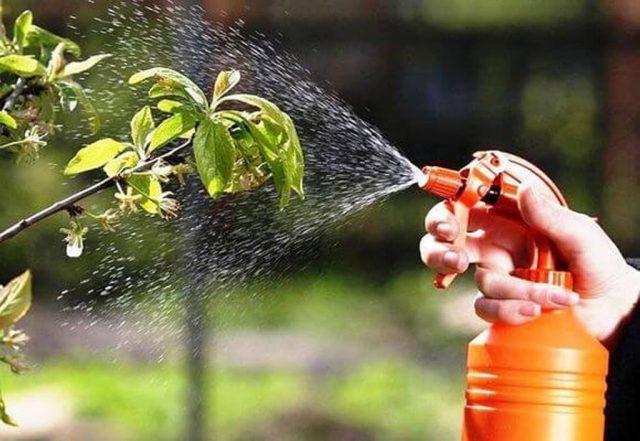
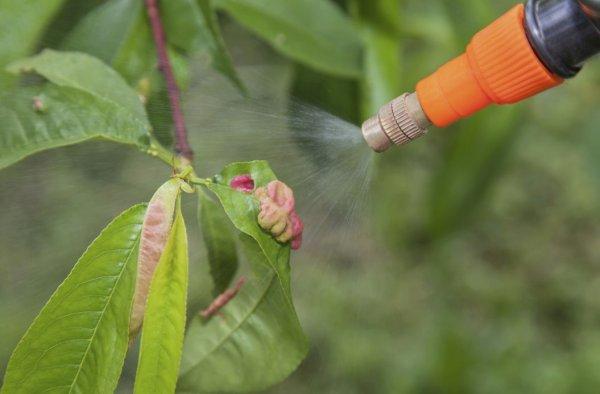
It's important to spray the tree to prevent leaf curl. The infection begins to spread early in the tree's growth and development. The fungal pathogens inhabit the bud scales, causing the leaves to take on a reddish tint as they grow, curl, and fall off.
It's important to combat the disease before foliage appears and buds form. Spray the trunk, branches, and green cone. Treatments are carried out with products such as "Delan" or "Horus."
Next, spray the rosebuds—this will strengthen the plant's immune system and prevent powdery mildew, scab, and moniliosis. This procedure is carried out using Bordeaux mixture or Topsin.
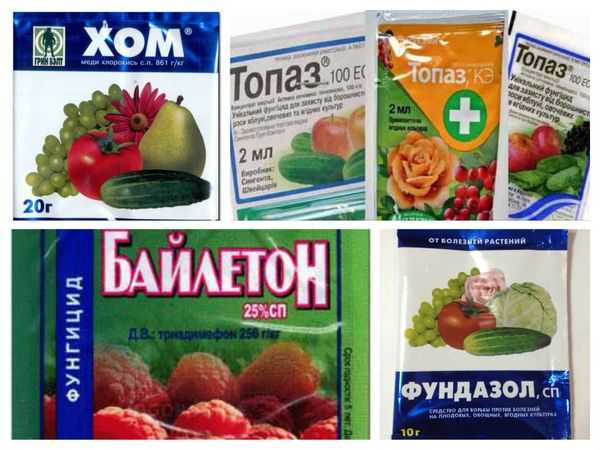
The final spring spraying of the peach tree is done after it has finished blooming. This treatment is carried out with regular urea—it will kill aphids and nourish the tree.
Summer work
Summer spraying is carried out using urea, the most popular modern fungicide. The product acts like an acid, burning all harmful insects.
When diluting the solution, you must strictly adhere to the dosage so as not to burn the peach.
Young trees should be sprayed carefully; traditional methods, rather than chemicals, are recommended. Garlic, tobacco, onion, and lavender infusions are effective.
Autumn time
The purpose of autumn spraying is to kill the fungus that causes it. During autumn, when air humidity is high, fungi actively proliferate. Treatment is carried out using copper sulfate and Bordeaux mixture.
Preventive measures
You can prevent an aphid invasion with timely prevention:
- Before the onset of frost, dry leaves, weeds, and grass are removed from around the peach trees;
- the land must be dug over;
- the peach is sprinkled twice with Bordeaux mixture;
- Before frost, the trunk is whitewashed with a lime solution.
Deformed bark is treated with copper sulfate and garden pitch.
Tips from experienced gardeners
Experts note that if you have a peach tree growing in your garden, you should carefully inspect nearby flowers and vegetables for aphids. Strong-smelling plants such as dill, fennel, parsley, and mint should be planted near peach trees. These scents will attract hoverflies and earwigs—aphids' sworn enemies. The main thing to remember is that prevention is much easier than control.
Related posts:
 How to treat peppers for aphids, how to fight them with folk and chemical remedies
 How to properly grow a peach tree from a seed at home, planting and care
 Description of the unusual Peach tomato and the growing features of the variety
 How to control aphids on carrots using medications and folk remedies
 How to control aphids on grapes using chemicals and folk remedies
 How to control aphids on raspberries during flowering and fruiting, what to treat them with
 Treatment rules and 20 best remedies for dealing with aphids on apple trees
 How to get rid of aphids on cherry trees and what is the best treatment after flowering?