- Description and Features
- History of selection
- Main characteristics
- Drought and frost resistance
- Pollinators
- May Flower
- Redhaven
- Greensboro
- Favorite Moretini
- Velvety
- Productivity and fruiting
- Application of fruits
- Resistance to diseases and pests
- Pros and cons of the variety
- How to plant correctly
- Recommendations for the election of terms
- Site and soil requirements
- How to select and prepare planting material
- Planting diagram
- Care instructions
- Watering mode
- Top dressing
- Preventive spraying
- Thinning
- Caring for the tree trunk circle
- Protection from diseases and pests
- Preparing for winter
- Methods of reproduction
- Harvesting and storage
- Tips from experienced gardeners
The Kyivskiy Ranniy peach variety has been cultivated for over 80 years. Over this long period, this hybrid form of the fruit tree has remained popular and is grown both commercially and in private gardens. This high-yielding peach variety adapts well to a wide range of climates and weather conditions. This unique characteristic makes it suitable for growing not only in southern regions but also in temperate climates.
Description and Features
To grow a healthy and fruitful peach tree, it's important to understand the characteristics and features of the fruit tree. These include:
- Mature trees grow from 3 to 5 m, with a spreading crown in the shape of an irregular ball, which is finally formed in the 3rd year of growth in open ground.
- Young plants produce many shoots during the growing season, but shoot formation decreases with age.
- The leaf blades are elongated, with serrated edges, and dark green in color.
- During the flowering period, large, pink flowers appear on the branches.
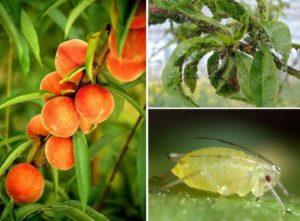
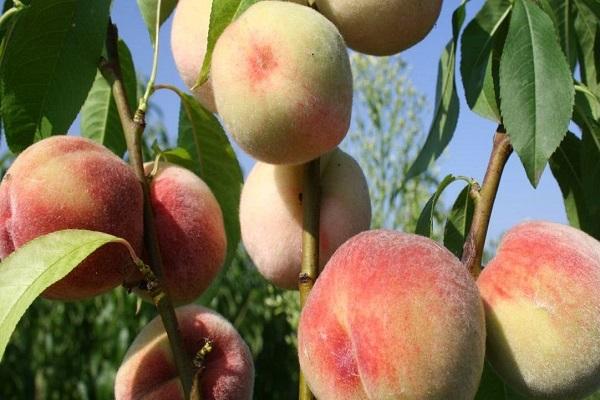
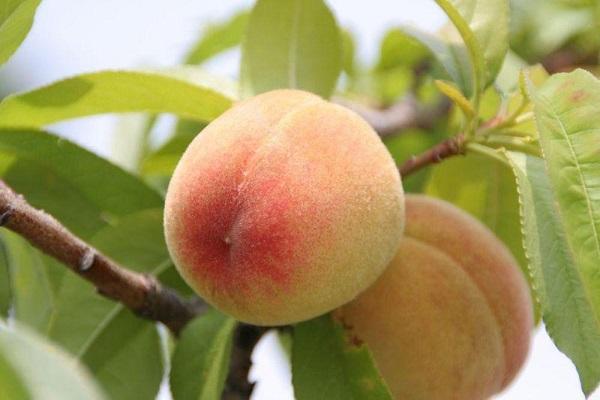
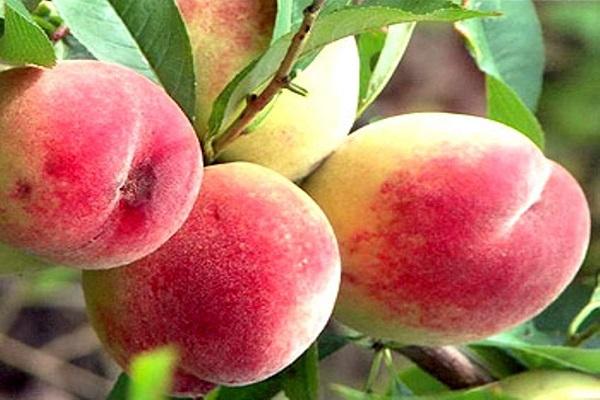
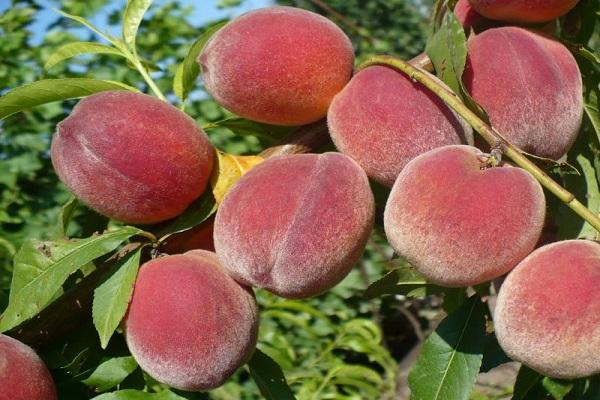
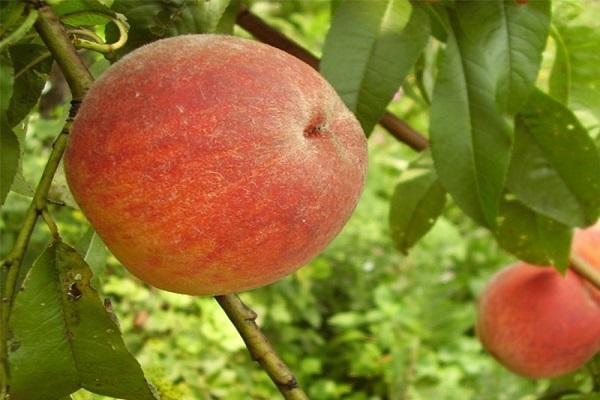
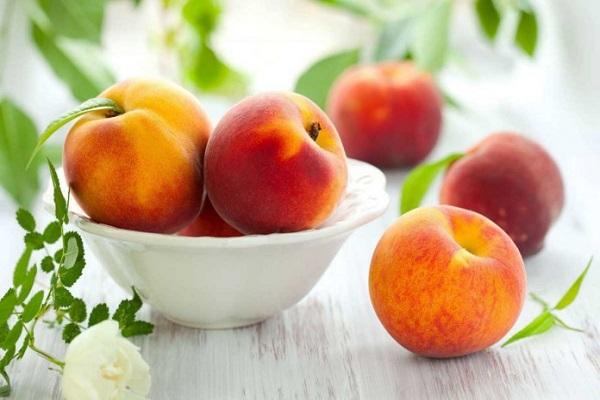
- Ripe fruits are round in shape, reaching a weight of 90 to 110 g, with a thin, fuzzy yellow skin and a bright crimson or reddish side on the sunny side of the fruit.
- The flesh is sweet and juicy, with a distinctive peach aroma and a large pit in the center. The flesh is whitish with a green tint.
Important! Peaches contain a huge amount of vitamins and minerals that promote health and proper functioning of the entire body.
History of selection
The hybrid peach variety Kyivskiy Ranniy was developed in the late 1930s by Ukrainian scientists. The Gross Mignon and Kashchenko-208 fruit varieties were used for breeding.
The goal of the scientists' development was to obtain a new fruit crop resistant to sudden temperature changes and frost.
As a result of the experiments, a peach variety, Kievskiy Ranniy, was obtained, capable of growing and bearing fruit in the northern and western regions of Russia.
Main characteristics
The main advantage of this varietal crop is its ability to adapt to different climatic zones, which allows it to be grown even in northern regions.
The variety also has good natural immunity to diseases and pests, making tree care easier.
Drought and frost resistance
Even a short-term drought has a negative impact on the growth, development, fruiting and yield of the hybrid crop.
However, the Kyivsky peach exhibits frost resistance that is unheard of for a southern plant. Trees easily tolerate temperatures down to -27 degrees Celsius.
Important! Even if trees do freeze, they quickly recover in the spring and begin to bear fruit..
Pollinators
Hybrid peach trees are capable of self-pollination, but to increase yield and improve the taste of the fruit, it is recommended to plant varieties with the same or similar flowering periods nearby.
May Flower
An American hybrid that exhibits resistance to low temperatures and various diseases. The fruits ripen in mid-summer. The yellow-skinned fruits weigh up to 130 g, with a juicy, sweet flesh and a peach aroma.
Redhaven
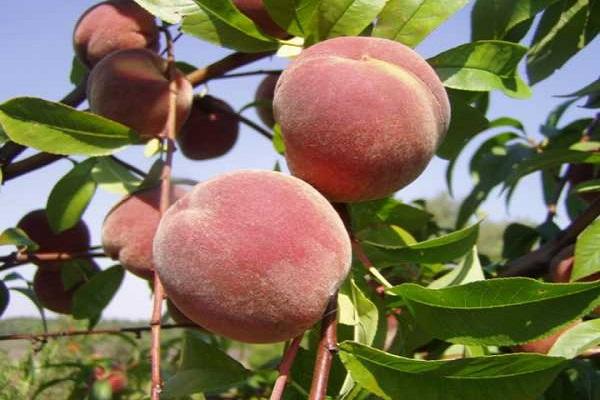
This variety was developed by American breeders in the early 1940s and is still cultivated commercially. This hybrid fruit tolerates temperatures down to -25 degrees Celsius and is rarely affected by diseases and pests. The fruits are large, weighing up to 250 grams, and a single tree can yield up to 100 kg of ripe fruit.
Greensboro
The variety was developed by American breeders. The plant tolerates spring temperature fluctuations and winter frosts well, and has natural immunity to some diseases and pests. The fruits are medium-sized, weighing 100 to 120 grams, with pronounced hairiness and reddish-green skin.
Favorite Moretini
Perhaps the earliest fruit variety, ripening in mid-June. The plant is rarely affected by pests and diseases, but is not resistant to severe frosts. The fruits are large, weighing up to 150 grams, with bright pink skin and juicy, very sweet flesh. A single tree yields 30 to 40 kg of ripe fruit.
Velvety
This variety is resistant to spring frosts and winter frosts and boasts high yields. A single tree produces up to 60 kg of ripe fruit. The fruits are large, weighing up to 150 g, with a vibrant yellow-pink, slightly fuzzy skin.
Productivity and fruiting
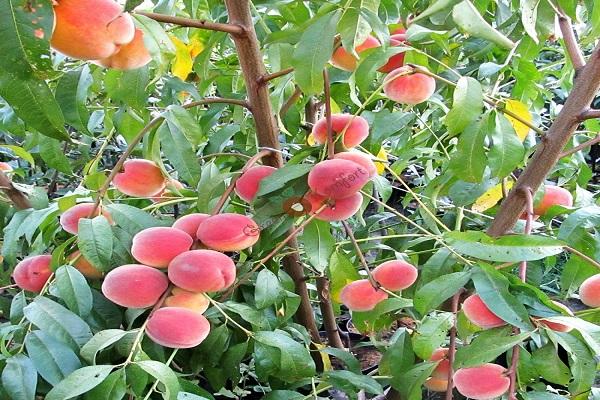
Fruiting begins in the third or fourth year of outdoor growth. Flowering begins in late April and lasts 10 to 14 days, until the first leaves appear. The fruit ripens in mid-summer. A single fruit tree produces up to 50 kg of ripe, healthy fruit.
Interesting! During the flowering season, the trees display large, bright pink flowers, which are compared to the Japanese cherry blossoms.
Application of fruits
Kyivskie rannie peaches are recommended for both commercial and private consumption fresh. They are also used to make juices, nectars, jams, preserves, and preserves. They are also used for canning, drying, adding to desserts and baked goods, and freezing.
Peaches are often used in the production of dairy products and baby food.
Resistance to diseases and pests
Thanks to the breeders who developed this unique hybrid, the Kyivskiy Ranny (Kyiv Early) tree is rarely affected by fungal, viral, and bacterial diseases. The trees are also not subject to widespread pest attacks.
Pros and cons of the variety
Each hybrid form of peach always has both advantages and minor disadvantages that must be taken into account when growing the fruit crop.
Advantages of the variety:
- Easily tolerates temperature changes and frost.
- Recovers quickly after cold winters.
- It has high yield rates.
- Dessert fruit flavor.
- The small size of the fruit trees makes them easy to care for and harvest.
- Natural immunity to some fungal and viral infections.
Trees begin to bear fruit already in the 3rd year of growth, which is also considered an advantage of the variety.
The disadvantages of this fruit crop include low resistance to heat and drought and a tendency for leaf blades to curl.
How to plant correctly
To grow the Kyivskiy Ranniy peach, it is necessary to consider the plant's need for good sunlight and its intolerance to strong winds and drafts.
Recommendations for the election of terms
In regions with mild, warm winters, autumn planting of peaches is permissible. However, after planting, the young tree must be carefully insulated.
It is best to plant the Kyivskiy ranniy peach in early spring, so that the seedlings have enough time to take root and acclimatize in the new location.
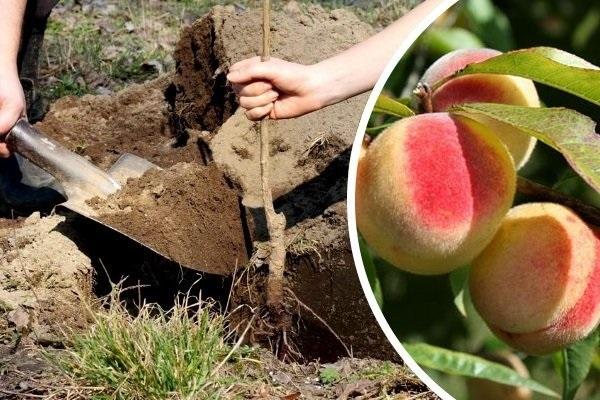
Site and soil requirements
Preparations for planting are carried out well in advance. If the work is planned for spring, the soil and planting holes are prepared in the fall.
Soil preparation:
- The site should be well-lit and protected from northern winds.
- The acceptable groundwater level should be at least 2 meters above ground level. Trees do not thrive in lowlands or marshy areas.
- The plant is not demanding regarding soil composition, but shows best growth and yield in loose, fertile soil with neutral acidity and moisture levels.
- The selected area is dug to a depth of 60-70 cm, and debris and weeds are removed.
- The soil is mixed with humus, organic and mineral substances, and thoroughly loosened.
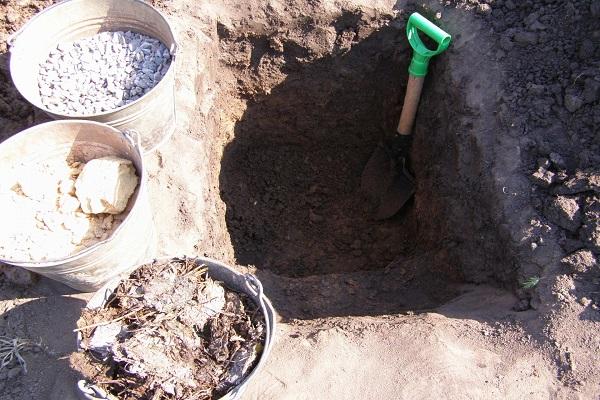
- On the prepared area, planting holes are dug deep and 60 to 80 cm wide.
- The distance between trees is 1.5 to 2 m, and between rows 3-4 m.
- A drainage layer of small stones and sand is placed at the bottom of the hole, fertile soil is poured on top and filled with plenty of water.
Important! Preparing the soil and planting holes in advance will prevent seedlings from being pulled deep into the soil.
How to select and prepare planting material
To ensure that the seedlings are of high quality and healthy, it is recommended to purchase trees from reputable nurseries or specialized stores.
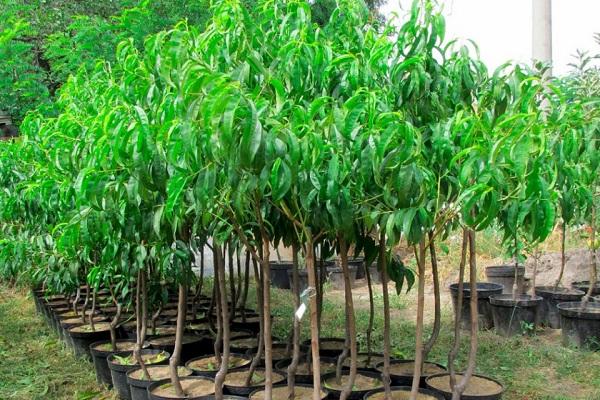
The plant is inspected for damage or disease or insect infestation, and the presence of buds or green leaves is essential. The rhizomes should be developed, free of rot and broken parts. Trees that are 1-2 years old take root best.
Tip! The day before planting, soak the seedlings in a clay-water slurry, then treat the roots with a manganese solution and a growth stimulant.
Planting diagram
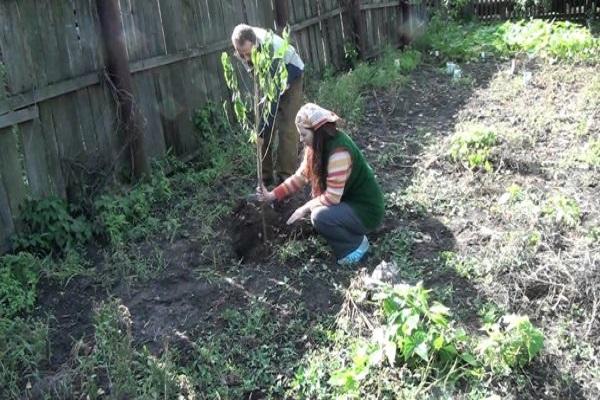
On the day of transplanting the trees to the site, the roots are trimmed slightly, leaving only long, well-developed branches. Then, plant them as follows:
- A small mound of soil is made in the planting hole.
- To support the young plant, a support stake is driven in.
- A tree is placed on top of the mound, carefully straightening out the rhizomes.
- The roots are covered with a fertile mixture, leaving no voids in the soil.
- The soil on top is compacted and generously moistened.
Important! When planting, the root collar of the seedling should be buried a maximum of 4-5 cm into the soil; the graft mark of the fruit crop remains above ground level.
Care instructions
Only with proper and timely care does the Kyivskiy ranniy peach show high yields.
Watering mode
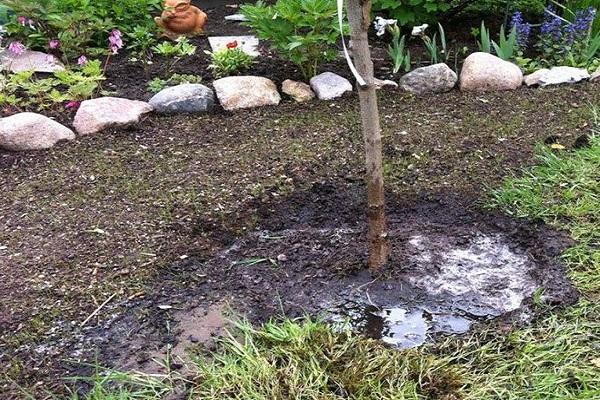
For watering, a drainage ditch is dug around the tree, into which settled water is poured.
Fruit trees are watered 4-5 times per season. The first watering is done two weeks before flowering, and the last before winter dormancy, applying up to 80 liters of water under each tree.
In arid regions, the amount of irrigation work is increasing.
Top dressing
If the soil was prepared according to all the rules when planting a fruit crop, fertilizing the peach tree begins from the 3rd year of growth in open ground.
The Kyivskiy Ranniy peach hybrid responds well to additional fertilizers and dressings:
- In early spring, chicken manure or cow dung diluted with water is added to the soil.
- Before flowering and during the period of fruit formation, trees are fed with a mineral complex.
- In late autumn, humus, organic fertilizers and balanced mineral fertilizers are added to the soil.
Tip! Sometimes, plants in particularly depleted soil require additional feeding.
Preventive spraying
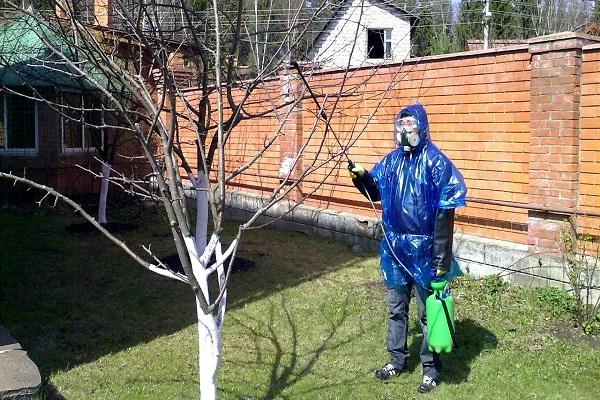
To prevent problems such as diseases and harmful insects, the Kyivskiy Ranniy peach requires preventative spraying and treatment. These treatments are carried out in the spring, before the growing season begins, and in the fall, as the trees prepare for winter dormancy.
Thinning
The peach tree grows and develops rapidly. Therefore, the plant requires thinning and sanitary pruning in the spring and fall. All deformed, broken, damaged, and frost-damaged branches and shoots are trimmed.
Caring for the tree trunk circle
Proper care of the tree trunk area reduces the risk of fungal infections and the spread of pests.
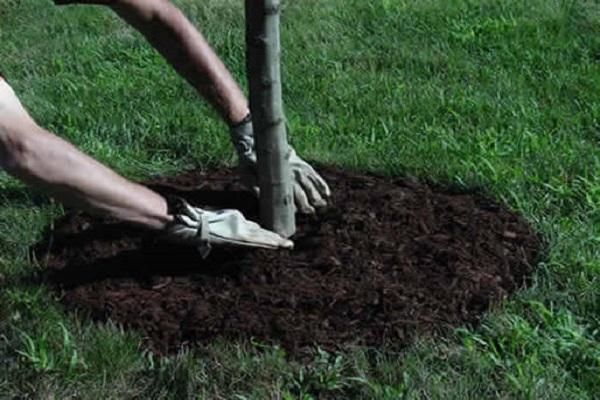
Work on caring for the tree trunk circle is combined with watering and feeding peach Tree. The soil is thoroughly loosened, weeds and debris are removed, and the top is mulched with humus or peat mixed with wet sawdust.
Protection from diseases and pests
To prevent and treat fungal, viral, and bacterial infections, chemical fungicides or biological pesticides are used. Insecticides and folk remedies are used to control pests.
Preparing for winter
Before wintering, trees are generously watered, the trunk circle is mulched with a thick layer of humus, and the lower part of the trunk and branches are treated with whitewash.
In regions with cold climates, the tree trunk is additionally insulated with burlap and spruce branches, and when the first snow falls, a high snowdrift is raked under the tree.
Methods of reproduction
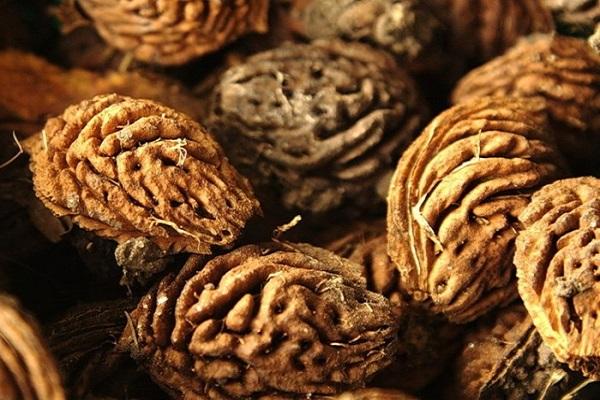
Peach trees are propagated by seed and vegetative methods.
The easiest way to propagate the hybrid form is by cuttings. Grafting cuttings onto old rootstocks and air layering are also used.
Important! When propagating hybrid fruit crops by seed, characteristic varietal properties and characteristics are lost.
Harvesting and storage
Full ripening of peaches depends on the climate of the growing region. In the south, Kyivskie rannie peaches are harvested in mid-July. In the temperate climate of the central zone, the fruit is ready for consumption in early August.
When stored in a refrigerator, the fruit remains fresh and maintains its appearance for up to a week. In industrial storage chambers, peaches retain their appearance and flavor for much longer, allowing for long-distance transportation.
Tips from experienced gardeners
Based on reviews and advice from experienced gardeners, the most important requirements for growing the Kyivskiy Ranniy peach variety are proper agricultural practices, protecting plants from cold, northern winds, and carefully covering the trees from frost.
Related posts:
 Description and characteristics of 14 varieties of the Bere pear variety, planting and care
 Description of the 10 best black cherry varieties, planting and care in open ground
 Description and characteristics of the Valery Chkalov cherry variety, planting and care
 Description and characteristics of the Rizamat grape variety, planting and care
 Description and characteristics of the Kharitonovskaya cherry variety, planting and care
 Description and characteristics of 17 dwarf cherry varieties, planting and care
 Description and characteristics of the Bull's Heart cherry variety, planting and care
 Description of the Ovstuzhenka cherry variety, planting and care instructions