
When landscaping their gardens, many gardeners rely on this fragrant shrub. They often fail to consider how barberry plant diseases can ruin its appearance and negatively impact its future growth. To prevent this, gardeners should become more familiar with this shrub and understand the potential problems it can suffer from.
Why does barberry get sick?
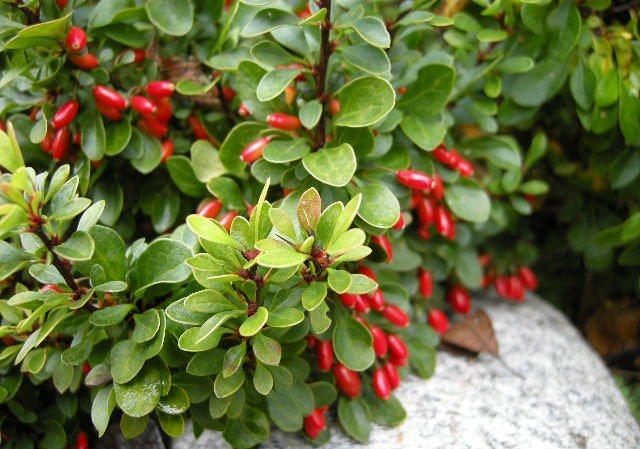
Barberry is an evergreen or semi-evergreen berry bush, comparable to a small tree. It requires little care, but is susceptible to various pests and diseases, especially if the plant doesn't receive sufficient moisture, which often occurs during dry, hot summers.
The first signs of bush damage
To recognize a particular shrub disease early on, it's important to know the signs that indicate it. These include:
- dry branches and brittle shoots;
- spots and swellings on the bush;
- cobwebs on the back of leaves;
- poor harvest;
- slow growth of culture.
These signs indicate that the barberry is starting to get sick.
Common diseases and treatments
Such a useful shrub as barberry, crowned with red berries, is often susceptible to various fungal and even cancerous diseases. These diseases significantly deplete the plant, thereby negatively affecting the quality of the harvest and reducing its quantity.
Cancer diseases
When a healthy plant's immunity is weakened for certain reasons, it can become infected with cancer cells. Peculiar growths begin to form on barberry branches. The bark cracks, some areas rot, and the yield significantly declines.
To help the shrub, trim away any diseased areas and then clean it up. To do this, coat the cuts with copper sulfate, and treat the entire bush with Fundazol.
Bacteriosis
Bacterial blight manifests itself on barberries as noticeable dark spots. The disease itself is caused by cancer cells produced by a dangerous bacterium called Pseudomonas. The black spots affect not only the crown but also the shoots.
The greatest danger is the dieback of large areas. Swellings appear on the branches, which ultimately lead to the death of the plant. To eliminate this disease, the affected shoots should be removed and burned.
Drying of stems
It manifests itself through dried bark on branches and the crown of the bush. Leaves wilt, fruit fails to form, and the plant gradually dies. To stop the spread of this disease, it is necessary to prune the affected areas.
Necrotic lesion of the cortex
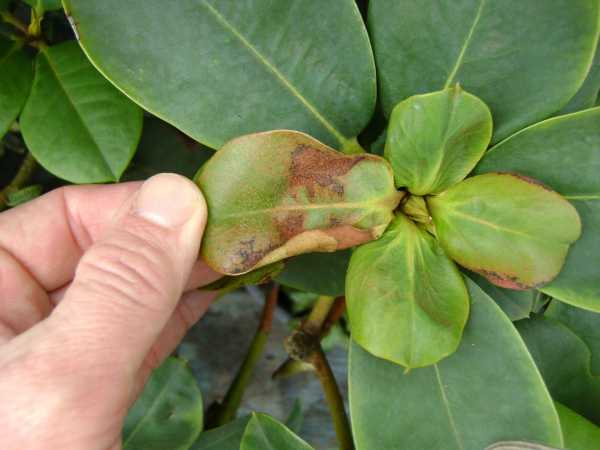
This disease is classified as fungal. It manifests itself as dead areas of the affected plant. Affecting the bark surface, necrosis causes cracks and unsightly bumps to form, where fungal spores thrive.
To cure such a shrub, you need to cut back the affected shoots approximately fifteen centimeters from where the disease first manifested itself. All cuts should be coated with garden pitch. Then, treat the entire shrub with copper sulfate.
Leaf spot
The barberry bush is susceptible to several types of spotting. These are:
- black;
- brown;
- brown;
- white.
Each of these disease types is caused by a specific parasite that attacks the crop. If barberry is affected by spotting, it dries up. Its branches and leaves stop receiving beneficial micronutrients. However, this problem can be combated. Spray the bush with copper-containing products. This is best done a month before harvesting.
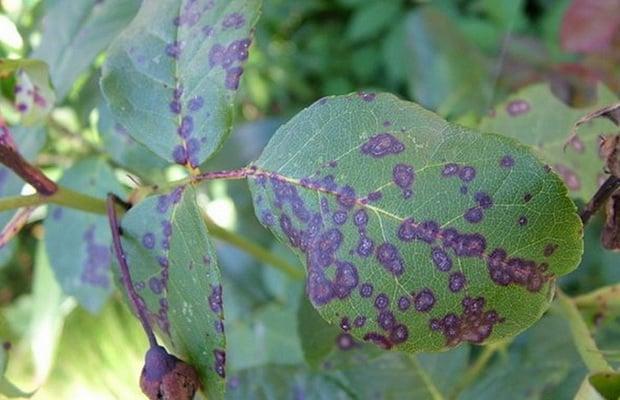
Leaf rust
Leaf rust, which causes curling and drying, most often occurs in plants suffering from nutrient deficiencies. Therefore, if gardeners don't provide adequate nutrition to barberries, and the soil itself is poor and deficient in phosphorus or nitrogen, the plant's immune system is compromised, making it vulnerable to diseases such as rust.
The fungus itself appears as orange spots, which have already covered not only the leaves on the inside, but also the shoots.
When faced with this problem, gardeners wonder what to do. A sulfur-containing product can be helpful. This substance can kill fungal spores and protect the plant from rust. You can also spray the shrub with a solution based on Bordeaux mixture.
Take a look Also
Powdery mildew of leaves
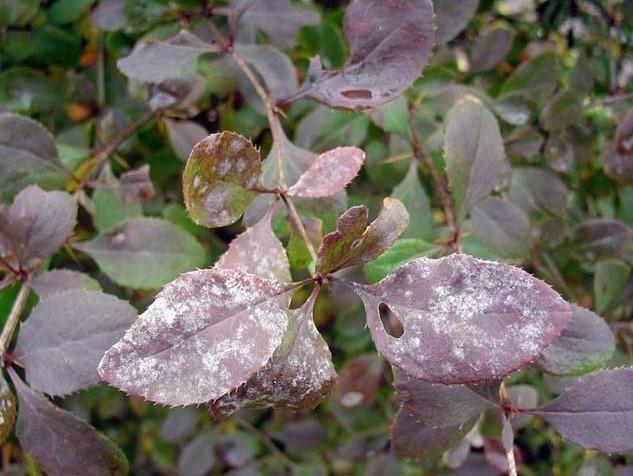
This disease most often affects ornamental varieties of this crop. In its initial stages, powdery mildew is difficult to diagnose. However, the fungal infection later manifests as a white coating affecting the plant's leaves. This causes the plant to dry out significantly, and the branches become covered in a sticky web. The leaves curl due to lack of moisture.
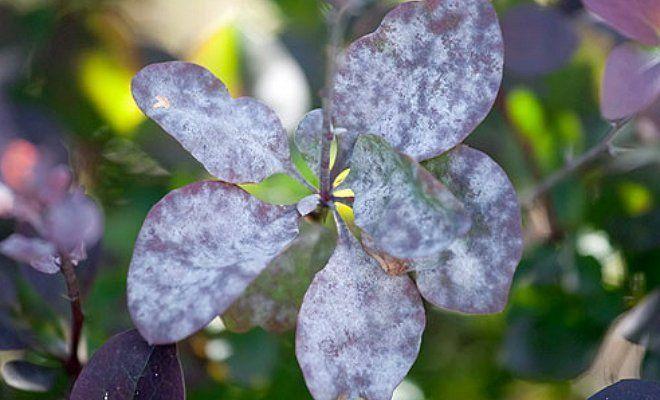
You can fight this disease in the following ways:
- collect the infected leaves, burn them, and treat the bush itself with colloidal sulfur or Vectra;
- in autumn, spray the branches of the bush with Fitosporin;
- treat the plant with a solution prepared from grated laundry soap and soda.
All these recipes will help you effectively combat powdery mildew.
What pests affect crops: control measures
Fruiting barberry has a pleasant aroma that attracts insects. Therefore, this shrub is often attacked by pests. As a result, it begins to wilt, the leaves become limp, and the branches weaken. Fruiting may cease completely, the cuttings become damaged, and the leaves fall off.
Caterpillars
Many insects lay their larvae on the leaves of this crop. Feeding on the sap of the tasty plant, they cause serious damage. The leaves become curled, and the shoots dry out. If appropriate measures are not taken promptly, the bush may dry out completely.
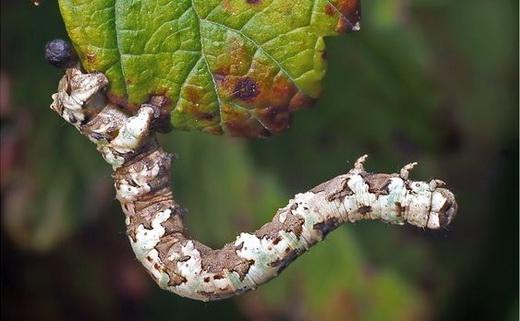
To get rid of caterpillars, spray the bush with a solution of Decis or Chlorophos three weeks before harvesting. You can also treat the plant with a wormwood decoction or fumigate it with smoke.
Ticks
Mites are dangerous pests for barberry bushes. These insects reproduce rapidly, attacking neighboring crops as well. Their presence can be recognized by swellings that form on shoots, giving them an unusual shape. Leaves become retracted.
Ticks should be dealt with as early as possible. Effective treatments include:
- Fitoverm;
- Talstar.
Fitoverm works in several ways, controlling various types of mites. It is available in ampoules. Talstar is available as a powder or liquid. Finally, it is recommended to treat the shrub with an alcohol solution.


Aphid
Aphids, an insect that attacks the underside of leaves, cause the bush to lose strength, and the leaves to take on an unhealthy appearance. These pests can be controlled with potato, tobacco, or garlic decoctions. The bush can also be treated with a sulfur-containing solution.
Preventive measures
To protect barberry from diseases and pests, it's important to properly care for it. Preventative measures include:
- removal of brittle shoots and dry leaves;
- planting bushes at a distance of one and a half meters from each other;
- application of nitrogen fertilizer to the soil;
- covering young bushes before winter;
- spraying the crop during the growing season;
- regular sanitary pruning.
By following these simple recommendations, you can be sure that your barberry will be healthy and will delight you with its pleasant aroma and magnificent fruits.
Related posts:
 Description of the 20 best varieties and types of barberry, planting and care rules
 Planting and caring for barberry bushes in open ground
 Description and characteristics of the 30 best hazelnut varieties, cultivation
 Planting and caring for black elderberry in open ground, propagation methods
 When is the best time to harvest barberries, how to dry them, and storage rules
 Description and propagation of the Bessey cherry variety, planting and care rules
 Useful properties and contraindications of barberry fruits, rules of application
 Description of the Barberry tomato, its characteristics and care