
After a long winter, rhubarb is one of the first crops to appear in the garden. The plant's beneficial properties have long been known in both traditional and folk medicine and are successfully used to treat ailments. The reason for rhubarb's popularity lies in its balanced chemical composition and minimal contraindications and side effects.
Description of rhubarb
This useful crop belongs to the Buckwheat family and has a centuries-old history. The first recorded mentions of this plant date back to 3000 BC. Rhubarb was known in Asian countries, and in China, its medicinal properties were used in traditional medicine recipes.
Today, science knows more than 20 species of this herbaceous plant, some of which are used as food, while others are used by official medicine and pharmaceuticals in the creation of medicinal products.
The description of rhubarb can be characterized as follows:
- Herbaceous perennial (can grow and develop in one place for about 5-7 years).
- The height reaches 2.5 meters, however, 1.5-meter specimens are more common.
- The rhizome is powerful, branched, and vertically located.
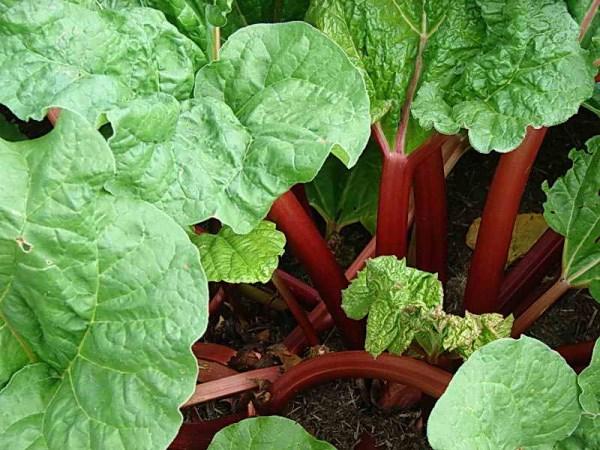
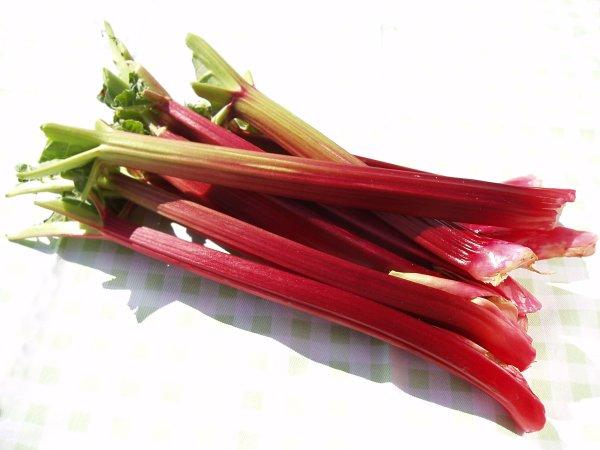
- The stems are fast-growing, straight, and have reddish longitudinal stripes.
- It blooms with small white flowers, which are collected in panicles.
- The rhubarb fruit is a reddish-brown, triangular nut.
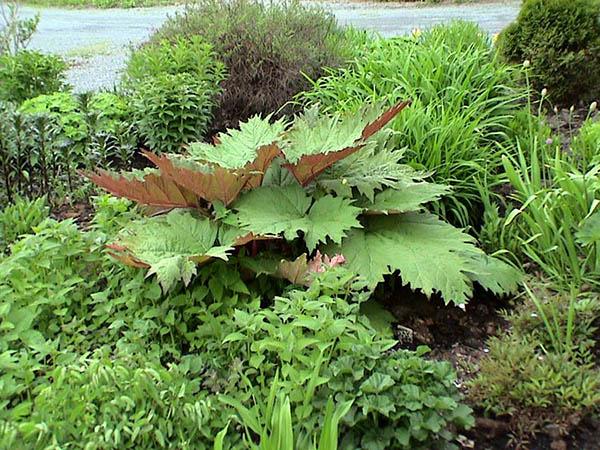
- The leaves in the root zone are fleshy, rich green in color, and very juicy.
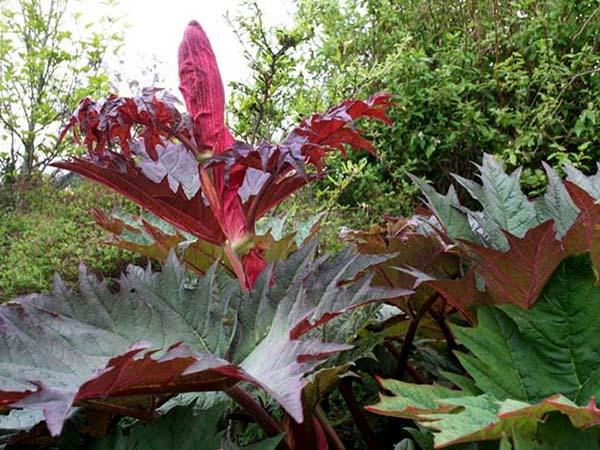 Young petioles are used for food; they have a specific smell and taste with a slight bitterness and hints of astringency. The plant's roots and rhizomes, harvested in the fall, are used medicinally. Rhubarb blooms in mid-July, and all above-ground parts die off during the winter.
The plant is especially popular in the United States and Western Europe. There, it is cultivated in garden plots and used as a raw material for jams and compotes, as well as for filling pies and buns.
Beneficial properties
The pharmacological properties of rhubarb are determined by its chemical composition, which contains the following substances:
- tannoglycosides;
- chrysophanic acid;
- resinous substances;
- sodium;
- calcium;
- iron;
- ash;
- dietary fiber;
- phosphorus;
- manganese;
- copper.
The plant also has a leading content of ascorbic acid, and also contains vitamins B4, B2, B1, A, K, and E.
Low calorie content (only 20 kcal per 100 grams) allows rhubarb to be consumed by overweight people and those on a diet.
The following can be attributed to the beneficial and medicinal properties of the culture:
- Laxative and stimulant of intestinal peristalsis.
- Astringent and antiseptic.
- Anti-inflammatory and keratolytic.
- Vasoconstrictor.
- Appetite stimulant and choleretic.
- General tonic and immunomodulatory.
All these characteristics of the plant will be fully manifested if you follow the rules of use and possible contraindications for use.
Indications for use
Doctors often recommend rhubarb as part of a comprehensive treatment for constipation and intestinal atony, as a choleretic and laxative. The ingredients in the rhubarb help soften stool and facilitate easier bowel movements, which is especially helpful for hemorrhoids.
Plant-based products are also widely used in dermatology to treat skin conditions, particularly psoriasis. Chrysarobin, a component of rhubarb, helps achieve lasting remission of the condition and reduce discomfort and symptoms.
Also, preparations containing the plant root are prescribed for general strengthening of the body in cases of tuberculosis, iron deficiency anemia, and diseases of the digestive system.
Interestingly, the ancient Greeks were the first in Europe to use the medicinal properties of rhubarb; in Russia, the crop only became widespread in the mid-18th century.
Ways to Use Rhubarb
The uses of this perennial herb are not limited to culinary use; modern pharmacology offers many preparations containing rhubarb. The most commonly used medicinal forms of the plant include:
- Rhubarb extract. This is a coarse, yellowish powder with a slightly bitter taste. Use 1-2 grams to treat constipation.
- Tablets. Round, brownish-yellow in color, prescribed in a dosage of 1-2 tablets for the treatment of chronic constipation. Take the medication once at night, after meals.
- An alcohol tincture made from the rhizome. Prescribed only for adults, it has a bitter taste and a distinctive odor.
- For children, doctors recommend using rhubarb in syrup form; it helps with intestinal disorders, flatulence, and constipation.
Take a look Also
Before deciding to use a particular dosage form, it is worth consulting a doctor for advice and calculating the correct dosage.
Contraindications
Certain illnesses and conditions strictly contraindicate the use of the plant. These include:
- cholecystitis;
- acute peritonitis and appendicitis;
- pregnancy and breastfeeding;
- ulcer perforation and gastric bleeding.
If you ignore these contraindications, you can worsen your health and aggravate the course of the disease.

Traditional medicine recipes
To use the plant to treat illnesses, you don't need to buy pharmaceuticals. You can also prepare a healing remedy at home:
- Decoction. Take 1 tablespoon of crushed rhizome and pour 250 ml of boiling water over it. Steep in a water bath for 15 minutes, cool, and strain. Take 10 ml before bed for a week. This remedy helps relieve chronic constipation and flatulence.
- Tincture. Prepare 200 ml of 70% rubbing alcohol. Take 20 grams each of rhubarb root and calamus root, and add the same amount of dried gentian. Pour the alcohol over the herbal ingredients and let sit for 10 days. Strain and consume 1 tablespoon daily after meals to relieve constipation.
No matter how beneficial rhubarb may be, it will only be beneficial if its use is agreed upon with your doctor.
Related posts:
 20 Best Rhubarb Recipes for Winter
 Growing and caring for rhubarb in open ground, how to plant and propagate
 Simple recipes for making rhubarb compote with and without sterilization for the winter
 Causes and symptoms of rhubarb insect pests and control measures
 Is it possible to freeze rhubarb at home for the winter and how to prepare and store it?
 A step-by-step recipe for making rhubarb and banana jam for the winter
 11 Best Rhubarb and Orange Jam Recipes for the Winter
 The medicinal properties and contraindications of rosemary for health, its benefits and harms
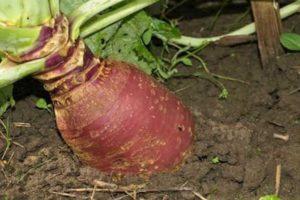
I fed the rhubarb with this product BioGrow – a plant growth bioactivator. It started growing so well! I didn't even expect such an effect. Now I don't know what to do with it. I'll be making a tincture from now on.