
- General information about the plant
- Popular varieties of the crop
- The intricacies of planting parsnips
- Sowing dates
- Where is the best place to plant?
- Soil requirements
- Good and bad predecessors
- Sowing scheme
- Further care of parsnips
- Weeding and loosening
- How to water
- Top dressing
- Pests and diseases
- Diseases
- Septoria
- Cercospora leaf spot
- Bacterial soft rot
- Alternaria
- Sclerotinia
- Pests
- Caraway moth
- Striped shield bug
- Field bug
- Aphid
- When to harvest and how to store
Growing parsnips requires little effort or special conditions. The plant is easy to grow and responds well to agricultural practices such as crop rotation and the creation of nutritious, loose soil. For its flavor, it is used in cooking—boiled, fried, and raw. The roots retain their juicy, aromatic flesh for a long time when stored properly.
General information about the plant
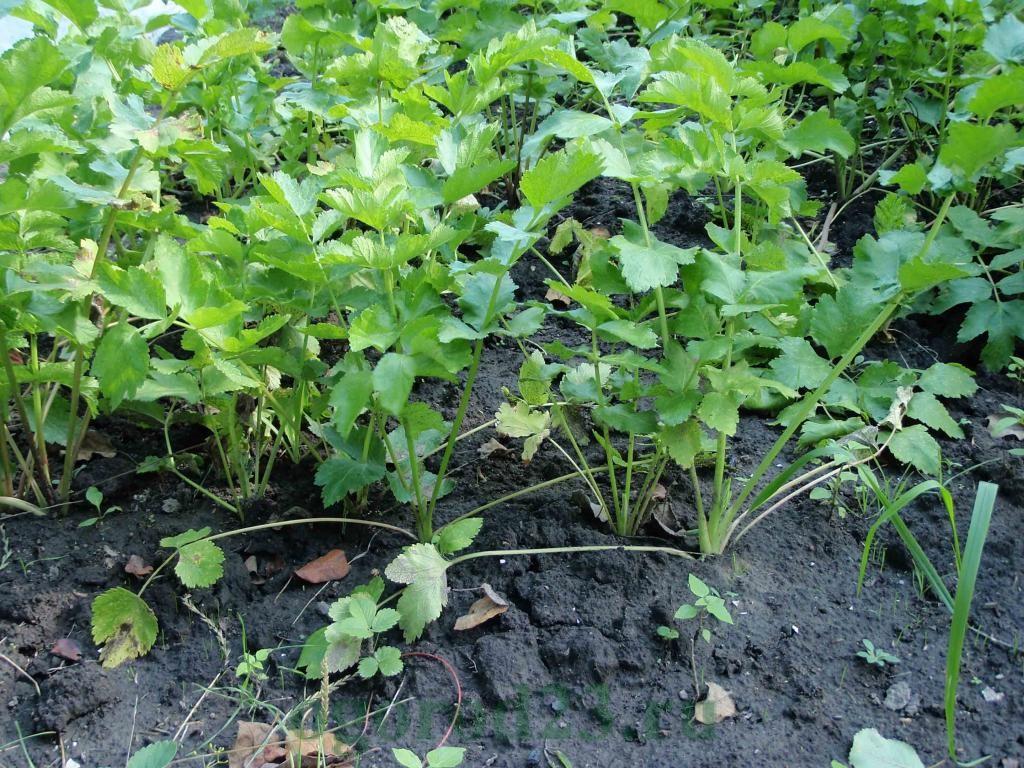
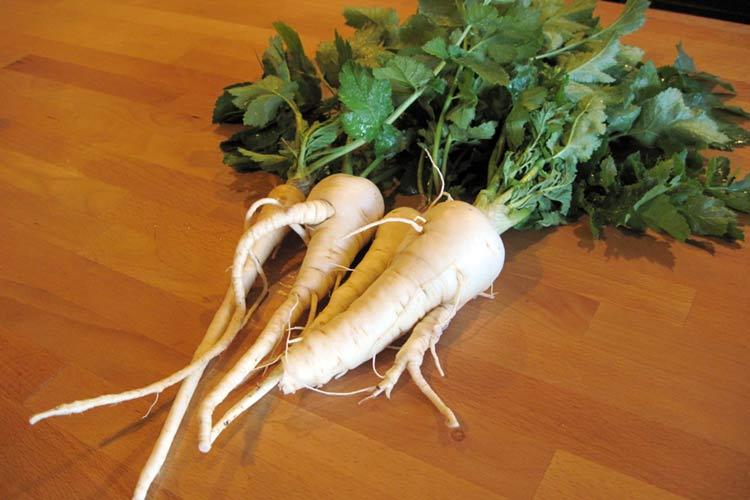
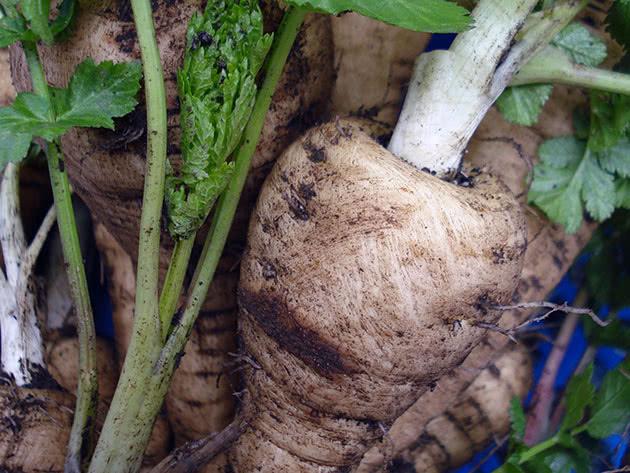
The vegetable crop forms an umbrella-shaped inflorescence, and the shape of the root vegetable resembles a carrot. Parsnip belongs to the Umbelliferae family and is related to dill, parsley, and celery.But its carved leaf, reminiscent of parsley, is larger and not as richly colored.
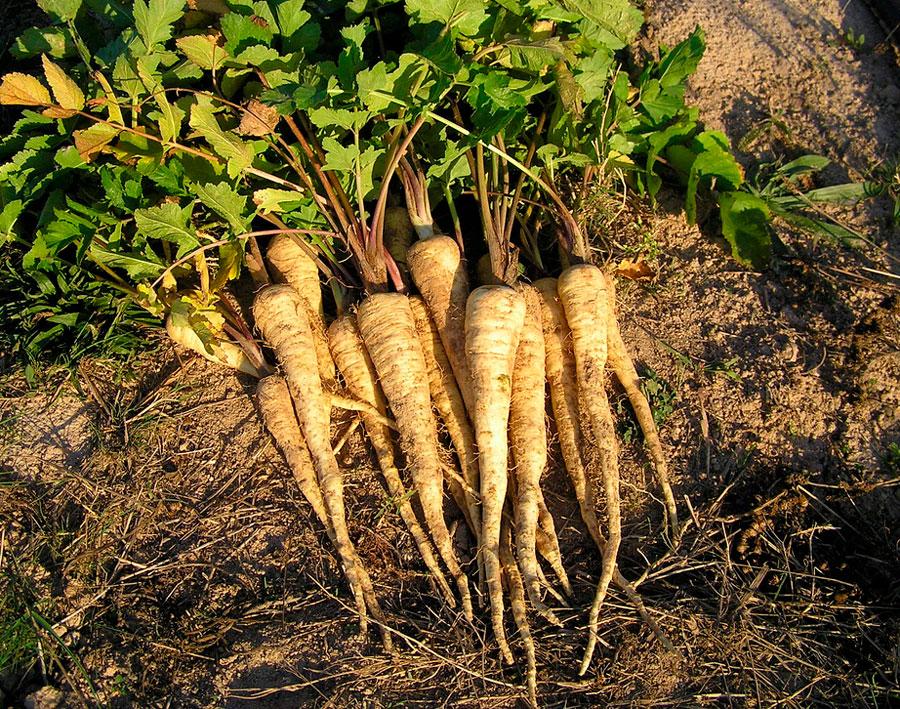
The height of the above-ground stems and the size of the root depend on the variety and growing conditions: from 0.3 meters to 2 meters for the leaves, and 20-40 centimeters for the underground part. Parsnips come in a variety of colors and shapes: white carrots or white radishes. They are grown as annuals (for food) or biennials (for seeds).
Culinary uses:
- soup ingredient;
- second course;
- seasoning for the main dish.
Can be eaten raw or canned.
Popular varieties of the crop
Varietal differences lie in ripening time, shape and weight of the root crop.
Types of parsnip:
- Hormone. An early variety resembling carrots. Growing season is less than three months. Size: 20 centimeters, weight: up to 150 grams. Suitable as a main course and seasoning.
- Guernsey. Mid-early. Carrot shape.
- A delicacy. Mid-early. Weight – up to 350 grams. Shape – radish.
- Round. Unpretentious, early variety. Root weight is 150 grams. Can be sown in heavy soils.
- The best of all. In the southern regions, it ripens in two months, in the central zone – in three. Conical shape, weight – 150 grams. Keeps well.
- White Stork. White carrots weigh an average of 100 grams. They ripen in four months and store well.
- Gladiator. From sowing to harvest – 5 months. The fruits are large and used in cooking.
- Gavrish. A cold-hardy variety, it continues to grow at temperatures as low as +5°C and can withstand frosts down to -8°C. It's ready for consumption in three months.
- Student. Ripens in 5 months. Carrot size is 30 centimeters. Tolerates low moisture.
The intricacies of planting parsnips
Parsnips are grown by sowing directly into the ground or from seedlings. Parsnip seeds retain their viability for the first two years. In the second year, viability drops by 50-70% due to a decrease in essential oil content. Seeds from the previous year have the best germination rate. To stimulate sprouting, soak the seeds in water for 24 hours, changing the water periodically. Then, place them in a damp cloth for 72 hours, preventing them from drying out.
After 3 days, the seeds are washed and their quality is determined: those that have become unusable become moldy.
Viable seeds are again placed in a moist environment (wet cloth) and kept for 10 days until roots appear. Before planting, they are hardened in the refrigerator at a temperature of 6-8 degrees Celsius. When sowing seedlings, use peat pots filled with loose soil. Two seeds are placed in each, 1 centimeter deep, spaced apart. The strongest seedling is left, and the leaves of the weaker ones are removed. Pricking out is not necessary.
Take a look Also
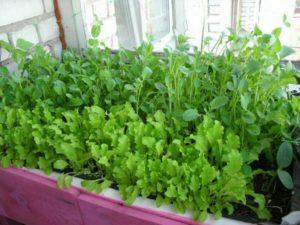
Until the seedlings emerge, the soil is constantly moistened, preventing the top layer from drying out. Growing seedlings requires watering without overwatering and adequate lighting, including undergrowth. The seedlings are ready for planting outdoors in a month.
Sowing dates
Parsnips are characterized by a wide range of planting times. This cold-hardy crop can be sown starting in February. This depends on weather conditions, the growing region, and the variety's intended use.
The sowing time for late varieties is determined by counting back 5 months from the planned harvest month: if it is October, then sowing should be at the end of May.
Where is the best place to plant?
Parsnips require sunny, cool weather. When grown in hot summers, a site with partial shade or afternoon shade is ideal. When sowing seeds in the fall, choose a raised site to avoid overwatering.
Soil requirements
The soil in the garden bed is dug over in the fall and fertilized with well-rotted manure or a complete mineral fertilizer, depending on the soil condition. The soil must be loose for root formation. Manure, dolomite flour, or sand will soften the soil.
Good and bad predecessors
Parsnips should be grown in a new location each year, returning to the same bed after four years. The best predecessors for them are onions, potatoes, cucumbers, and cabbage. The worst are carrots and celery.
Sowing scheme
In open ground, the planting method depends on whether the parsnips will be grown from seeds or seedlings. In the former case, make furrows 4 centimeters deep in the bed. Regardless of the soil type, add a layer of loose, nutritious soil (up to 1 centimeter) to the bottom.
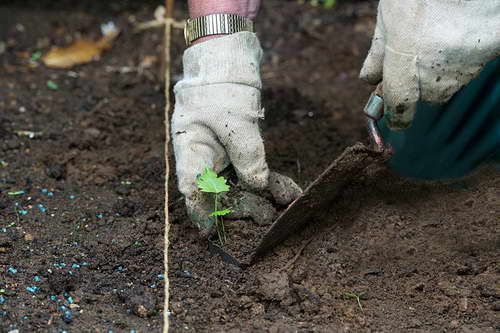
Plant the sprouted seeds 10-12 centimeters apart, one seed at a time. They can be spaced 6 centimeters apart, but thinning will be necessary later. Sow more densely in the fall, as the seeds must be dry; not all will germinate in the spring. Place the seedlings, along with their peat pots, in the prepared holes, at the same distance as when planting the seeds. In both cases, row spacing is 40-50 centimeters.
Further care of parsnips
Vegetable crops require attention at the beginning of the growing season, while the seedlings are still young. During this period, weeds can choke them, and improper cultivation practices can cause seedlings to die due to a lack of moisture and oxygen. Once the plants are established, care is minimal.
Weeding and loosening
During the first few weeks, it's important to keep the soil loose by removing any weeds that are growing faster than the parsnips. The parsnips will become stronger and spread their leaves, preventing weeds from growing nearby. However, it's important to continue loosening the spaces between the rows to ensure aeration.
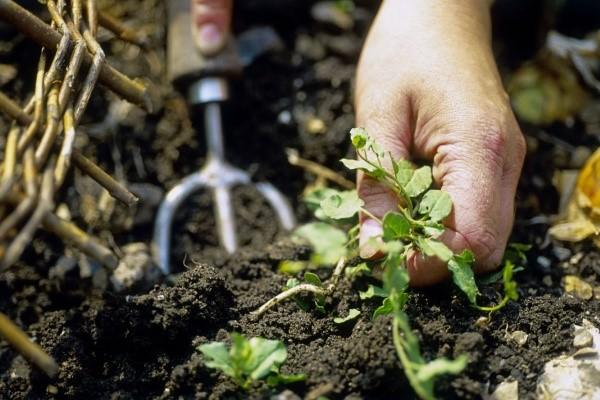
In the sun, parsnip leaves release essential oils that have a detrimental effect on weeds and can cause skin burns or allergies.
How to water
Watering should be done before the onset of hot weather: in the morning or evening. While the seedlings are weak, ensure the soil does not dry out. After a month, water as needed. In the final weeks, stop watering to prevent cracking of the roots.
Top dressing
Top dressing with diluted mullein and watering is done if the soil lacks nutrients. This is done during the first half of the growing season. Otherwise, a single foliar feeding in June (watering the plant at the root) is sufficient.
Pests and diseases
Parsnips are not a popular food item, but there is always a risk of pathogenic contamination.
Diseases
The main causes of fungal and bacterial damage to parsnips are weather conditions, crop rotation violations, and plant debris in the beds.
Septoria
Rainy, cool weather creates favorable conditions for the development of fungal infections. Fungal spores thrive in the tops and roots left in the garden beds and are carried by the wind. Spots form on affected parsnip leaves, where the spores develop. Over time, the leaves turn yellow and dry out. Control methods include ventilation and fungicide treatment.
Cercospora leaf spot
A type of fungal infection that affects umbelliferous plants. In high-humidity conditions, brown spots appear on the leaves. Affected plants experience stunted growth, and the leaves turn yellow and dry out.
Bacterial soft rot
The pathogen attacks the root crop if the soil is very waterlogged or if the storage area has high humidity. Infection begins on the underside of the parsnip, appearing as small dark spots. Over time, these spots become necrotic. A foul-smelling mucus begins to ooze from the bacteria's locations.
Alternaria
Bacterial contamination appears during storage. Small black spots spread into the parsnip flesh, destroying it. The parsnip is black when cut.
Sclerotinia
Warm, humid weather poses a risk for parsnips due to root infection. A gray coating on the surface of white carrots turns them into a soft, inedible mass.
Pests
There are no pests that specifically target parsnips. The plant shares common enemies with all umbelliferous crops. However, since it is the most resistant to pests due to the presence of essential oils in its leaves and roots, pests rarely appear on parsnips. This is often due to the close proximity of an affected vegetable crop.
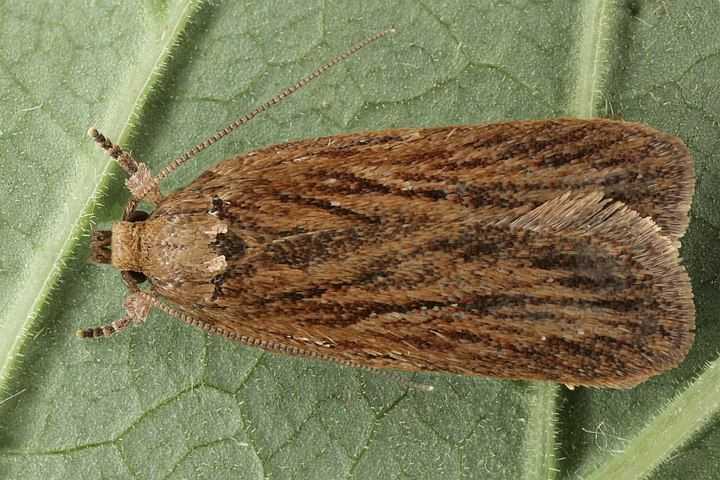
Caraway moth
Parsnip moth larvae and caterpillars feed on the leaves, roots, and flowers of parsnips. One effective method is spraying with an infusion of tomato tops. Tomato side shoots are steeped in boiling water at a ratio of 1:2 and left for 48 hours. Solanine, found in tomato leaves and stems, acts as an insecticide against the caterpillars.
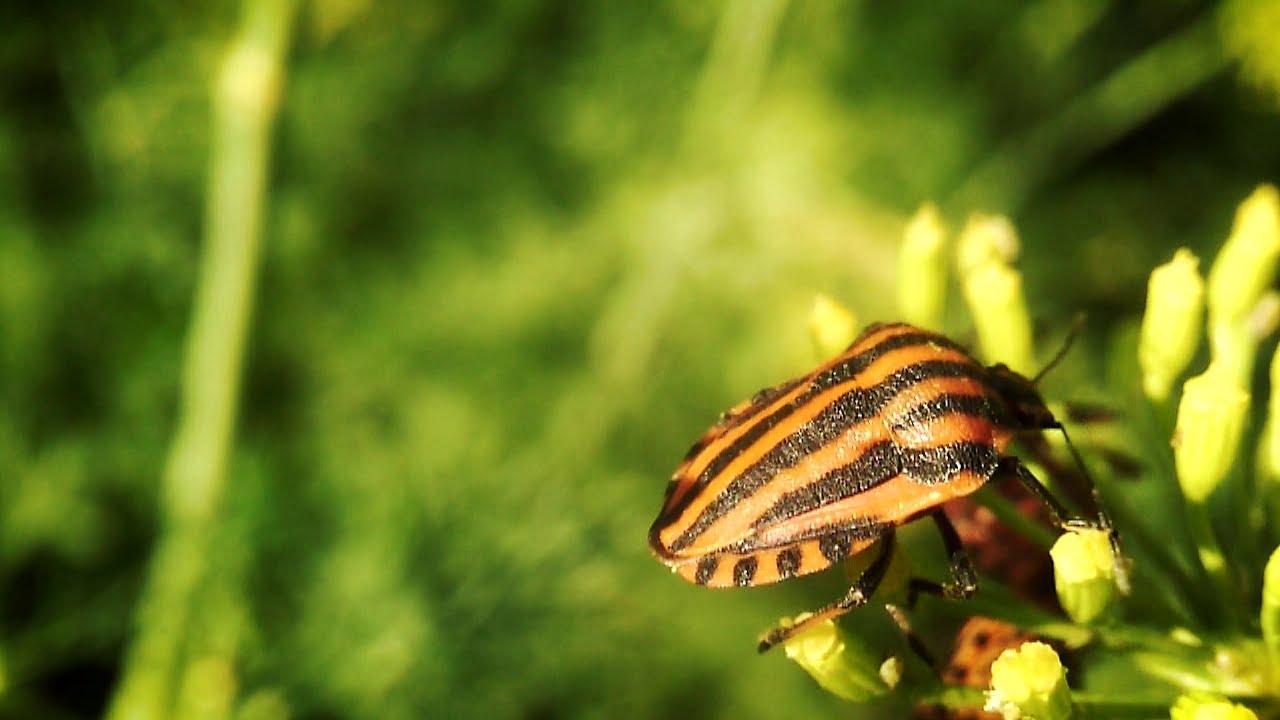
Striped shield bug
This bug, with a bright red back and black stripes, feeds on the juices of plants growing in gardens and vegetable patches. It particularly favors members of the Apiaceae family, including parsnips. No birds will touch this poisonous insect. It is collected by hand, without any pesticide treatment.
Field bug
The gray-green insect lays eggs in the leaves and stems of parsnips. The caterpillars feed on the sap of the above-ground parts of the plant, leading to depletion and reduced yields. The bug's saliva is toxic to the vegetable, causing seed sterility. Treatment is carried out with organophosphorus insecticides.
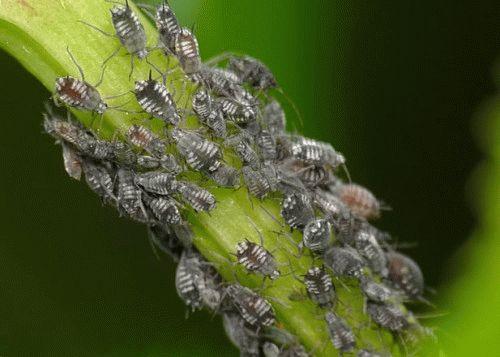
Aphid
Aphids can attack both leaves and roots. This pest is called a root aphid. Ants disperse aphids, but the insects themselves are capable of traveling long distances in search of food. This also applies to root pests.
In search of food, they come to the surface and, having found a new prey, retreat back into the soil. Root crops infested with aphids become vulnerable to fungi, bacteria, and viruses.
To combat aphids, you should primarily follow crop rotation guidelines and remove plant debris from the garden beds. Biological products are effective against the pest. Pesticides are used only in extreme cases, as they can accumulate in root crops.
When to harvest and how to store
Dig up the roots with a pitchfork, wearing gloves to avoid contact with the leaves. The flavor of parsnips will improve if harvested after a light frost. You can leave the vegetables in the ground, digging them up from the bed as needed.
Storage temperatures must be maintained between 0 and 2 degrees Celsius, with humidity no higher than 60%. Higher temperatures will cause parsnips to lose their juiciness, creating favorable conditions for the growth of viruses, fungi, and bacteria.
Related posts:
 The best eggplant varieties for growing in a polycarbonate greenhouse: planting and care
 Methods for planting and propagating cherries at home
 Growing and caring for hazelnuts in open ground, rules for planting hazelnuts
 The best grape varieties for growing in the Urals, planting and care rules in summer
 Rules for planting and caring for pears in open ground, how to grow them correctly
 Is it possible to soak treated cucumber seeds before planting and how to do it correctly?
 Technology for growing corn in open ground and greenhouses, planting and care
 How to properly plant peas in a greenhouse and open ground