
Fresh sorrel for cooking can be harvested not only in the spring and fall but also in winter, grown on a windowsill. Sorrel is a perennial, undemanding plant that was once considered a weed, but is now widely grown and consumed for its beneficial properties. Both homeowners and apartment dwellers can grow it from seeds or rhizomes on a windowsill.
Necessary conditions for growing
A perennial plant belonging to the genus Sorrel, family Buckwheat, it is considered a vegetable crop and is commonly known as "sorrel." Various varieties are used not only for cooking but also as animal feed, a dye, a raw material for leather tanning, and in cosmetology and folk medicine.
Sorrel is easy to grow and care for., but some conditions must still be met:
- Every 3-4 years the plant should be replanted or re-sown to prevent the bushes from becoming too dense.
- A sunny location with partial shade and consistently moist soil, near artificial ponds or water containers. Ensure the soil is well-drained before planting.
- No weeds.
- Loosening the soil around the plant.
- Regular watering.
- The soil is loamy or sandy loam, slightly acidic or neutral.
Indoors, sorrel requires deep containers and a window on the south or southeast side.
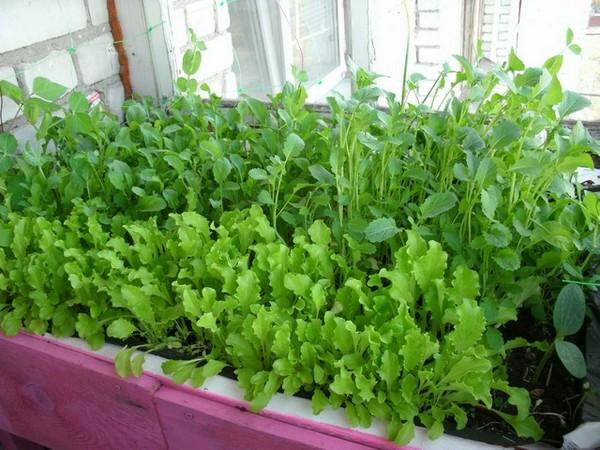
How to choose a container for planting
The sorrel root system goes deep into the soil, grows strongly with lateral roots and becomes woody, so it requires a deep container, a box or pot, or a plastic 5-10-liter bottle with the neck cut off.
It is necessary to make holes in the bottom of the container and lay out a drainage layer, and sprinkle a layer of soil mixture (soil, sawdust, ash, sand, peat) or peat mixture for flowers on top.
The prepared soil mixture must be steamed in the oven to get rid of possible pests and diseases.
Preparing and planting seeds
Seeds can be collected by hand or purchased pre-packaged. They can be stratified for a month in the refrigerator before sowing, or they can be soaked in boiling water for 1-2 minutes:
- The seeds, stratified in the refrigerator, are placed on gauze and covered with warm water.
- 2-3 days after awakening, the seeds are planted in prepared containers.
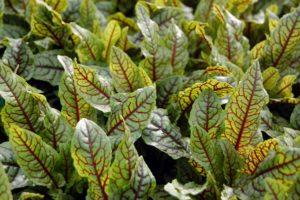
Water the soil with warm water and make shallow furrows up to 1 cm deep with a thin stick. Scatter the seeds into these furrows, cover with light soil, and cover with glass or plastic film. Leave a distance of 7-15 cm between rows. After 2-3 days, water the soil with a growth stimulant and cover again. When the first shoots appear during the day, open the glass and ventilate the container, gradually acclimating the plants to the outdoor conditions. After 4-6 days, remove the cover completely.
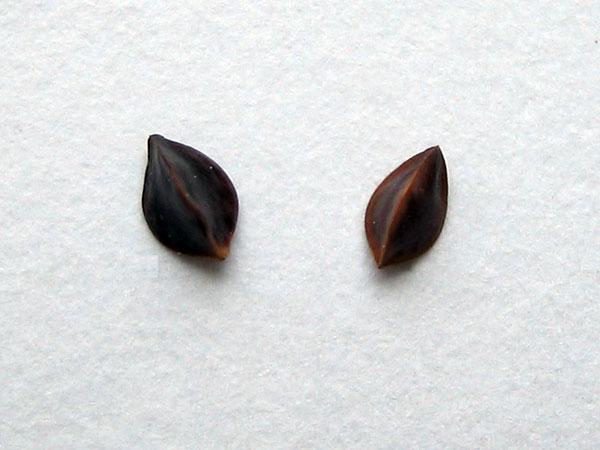
Growing sorrel from seeds
You can also grow sorrel at home without much effort; a balcony loggia or window is ideal. However, when growing the plant on a window, place it closer to the glass than to a radiator, as the radiator will dry out the soil, which sorrel doesn't like.
This plant thrives on long days, so for a bountiful harvest of bright green leaves, choose locations with direct sunlight on the south, east, southeast, or northeast sides. Varieties suitable for indoor cultivation include: Broadleaf, Odessa, Bloody Mary, Maykop, Altai, Belvilsky, and Emerald Snow.
Forcing from rhizomes
To force a plant from rhizomes, it needs to be 2-4 years old. In the fall, dig up the root, remove any weeds and soil, rinse under running water, and soak it in a pale pink potassium permanganate solution for 15-20 minutes, then let it drain for 2-3 minutes. Choose a root with several renewal buds, and trim off any old leaves. If the root is very dense, divide it into several pieces. Place expanded clay in the bottom of a prepared container and fill it halfway with soil. Place the root in the container and cover it with soil on all sides. Leave 1-2 cm from the rim of the container to allow for easy watering and loosening of the soil.
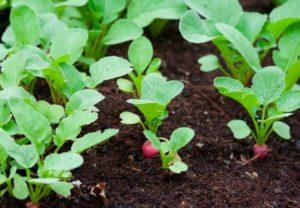
Caring for sorrel at home
Even indoors, the unpretentious sorrel requires care. Primarily, it requires regular watering every 3-4 days, but avoiding overwatering to avoid rot or disease. Dry soil will reduce the growth of green mass and encourage the release of flowering stems containing seeds.
Loosening the soil, especially if it is very heavy and forms a lump after watering, the plant also needs air for active growth.
To feed the grass, especially if the site is on the western side, you can use folk remedies: tea leaves, eggshells, or buy a product from the store - potassium salt, superphosphate, saltpeter.
If weeds appear in the sorrel pot, they should be removed immediately to prevent them from growing and clogging the plant's roots.
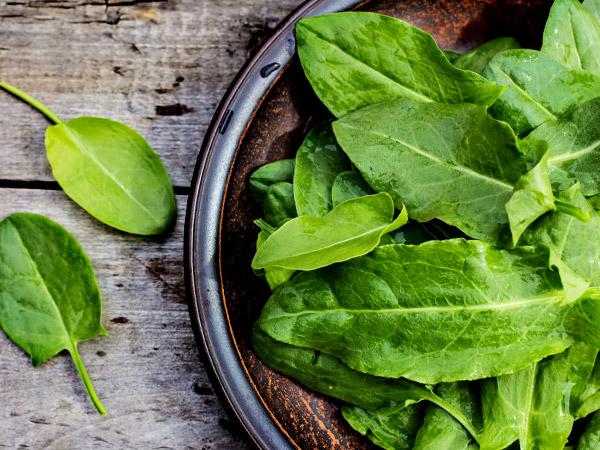
Harvesting the first harvest
On average, the first harvest can be collected within 1.5 to 2 months, depending on the variety planted and growing conditions. Sometimes, a lack of beneficial micronutrients in the soil can delay plant development, in which case harvesting will begin later, after 2 to 3 months.
Important! When 1-2 leaves appear on the bush, allow them to grow fully without picking them.
The leaves are cut off when the plant has 4-5 leaves, using a sharp knife or scissors. First, the side leaves are cut off from each plant, allowing it time to grow new young leaves.
Sorrel is a healthy food that promotes digestion, cleanses the intestines, and prevents cardiovascular diseases and acute respiratory viral infections. It is also a dietary supplement for vegetarians. Due to its high content of vitamins A and C, as well as oxalic and folate, it is recommended for pregnant women, children, and those who frequently work on computers. Excessive consumption of the plant during the summer can cause kidney or bladder stones.
Related posts:
 TOP 10 recipes for the best way to freeze sorrel for winter soup, choosing herbs, and storing them
 Planting and caring for sorrel in open ground, how to feed it and when to sow it
 Description of the best sorrel varieties with photos for growing in open ground and greenhouses
 How to treat sorrel for pests, causes and control
 The best recipes for canned sorrel at home for the winter
 Carrot care guidelines for outdoor cultivation to ensure a good harvest
 Corn sowing rules and regulations, how to plant and prepare seeds
 How to grow thyme from seeds and cuttings at home in a pot, and care for the plant on a windowsill
I wouldn't recommend pouring boiling water over the seeds for 1-2 minutes. Even if the water isn't too hot, say 80-90 degrees Celsius, you'll only get a decoction of sorrel seeds, not actual sowing material.