
There are over 30 known infectious diseases of soybean seeds, seedlings, and sprouts. These diseases can be caused by dangerous bacteria, fungi, viruses, or insect pests. The speed with which the pathogen is identified determines the treatment method and the effectiveness of disease control. Timely prevention and proper soybean care from pre-planting to harvest are the key to healthy plant growth and a bountiful harvest.
The main diseases of soybeans and methods of their treatment
An infection affecting soybean beds can be treated using folk remedies or various pesticides. The choice of method depends on the severity of the infestation and the type of pathogen. Regular inspection of the plants allows for early detection of diseases and prompt treatment.
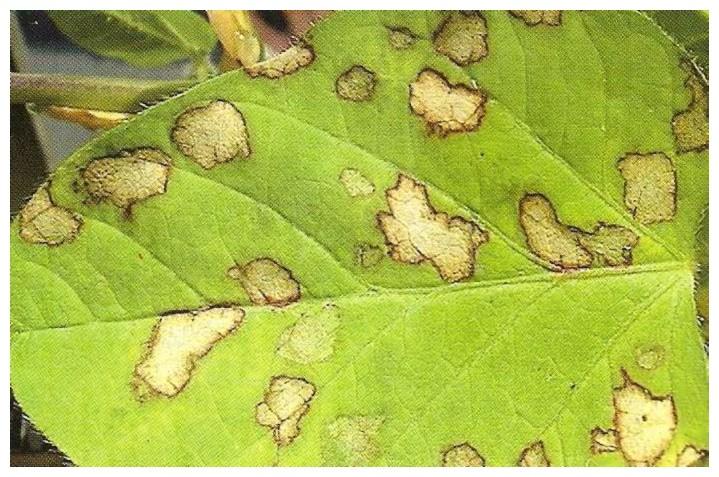
Ascochytosis
This fungal disease, which can affect plants at various stages of growth, persists in the soil, and can completely destroy a crop. Signs of the disease include:
- Formation of grey spots on leaves with a distinct yellow border.
- As the fungus develops, the infected part of the leaf falls off, but the brown border remains.
- The disease spreads to the fruits and stems, which rot.
- The pathogen can affect seeds, and the infection progresses most rapidly during the flowering and fruiting stages.
Note: This unpleasant disease can be controlled by preventatively treating the seed and disinfecting the soil before planting. During the soybean growth period, treat the plants with fungicides or Bordeaux mixture.
Rust
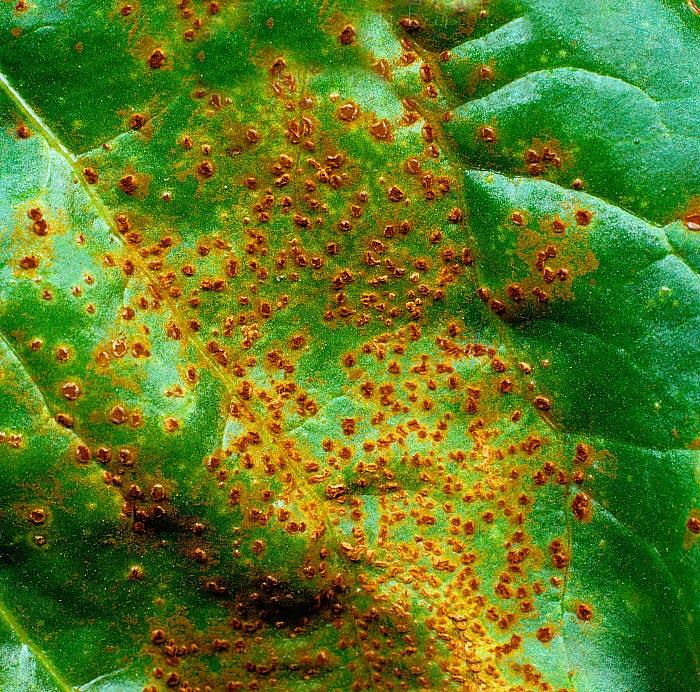
The disease is caused by the fungus Uromyces sojae Syd. The infection primarily affects the plant's leaves, then spreads to the stems and fruits. The main symptom is the formation of brown, raised spots that eventually turn yellow and fall off.
The beans in the pods are weak and small. The yield is significantly reduced, and the quality of the seed material deteriorates.
Breeders have developed soybean varieties resistant to rust. If outbreaks of the disease have been observed in a plot, these varieties should be preferred for cultivation. The fungus can accumulate in soil and plant debris, which must be removed from the beds. Fungicides are used against rust, and the soil is disinfected with a solution of potassium permanganate.

Pink mold
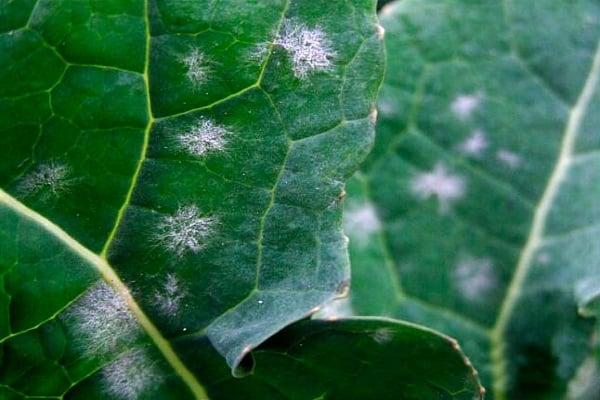
A fungal disease that occurs during prolonged periods of cool, damp weather. It manifests as a distinctive velvety coating on the leaves and fruits of plants. Initially, the fungus forms white hairs that eventually turn pink.
To protect crops from disease outbreaks, seeds are treated with an antiseptic before planting and fungicides are used against powdery mildew. These products are effective against pink mold.
Rust spot
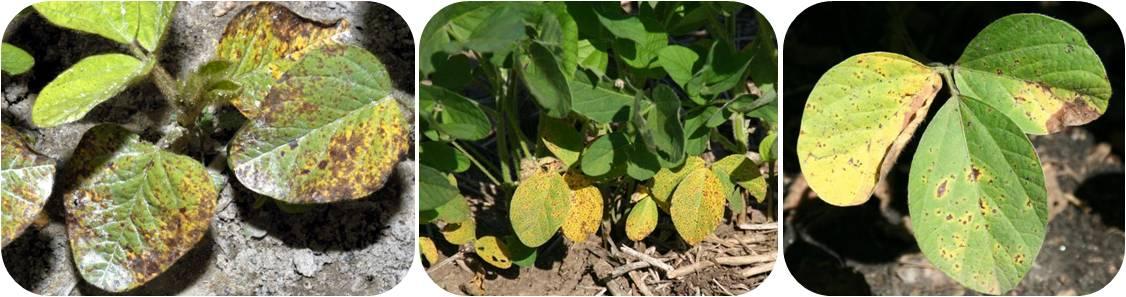
Another name for the disease is septoria leaf spot. It is caused by the fungus Septoria glycines. The disease begins in early summer and then progresses rapidly during the season of prolonged summer rains and heavy dew. Soybean leaves become covered with small spots, initially bright yellow, which later turn brown. The spots merge, and the leaf blade dies.
The development of the disease can be prevented by observing crop rotation, seed treatment, soil disinfection, and timely use of fungicides.
Powdery mildew
A white coating on soybean leaves indicates the onset of a serious disease: powdery mildew. The infection develops rapidly, quickly spreading to neighboring plants. The coating resembles spider webs, then thickens, and the leaf turns black and dies. The disease is classified as a viral infection.
Powdery mildew can be controlled with fungicides. Fundazol is used for seed treatment. Topaz is a proven, low-toxicity preventative and curative treatment against powdery mildew.
Peronosporosis
Downy mildew. It is common throughout Russia. It occurs in two forms: localized and systemic. It develops rapidly in high humidity conditions. The disease begins with chlorotic spots on the outer surface of the leaf blade, which enlarge over time.
A gray coating forms on the underside of the leaf, gradually darkening and thickening. The plant loses leaves.
Downy mildew is a destructive disease with a high rate of infection. It begins during bud formation. In severe cases, fungicides are used.
Take a look Also
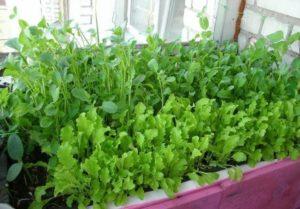
Cercospora leaf spot
A fungal disease affecting leaves. The infection is most common in Primorye. Small ulcers begin to form on plants during the germination period. A characteristic gray coating develops on the spots. Soybean pods are also affected by the disease, causing the fruit to become smaller. The infection is often transmitted to cultivated soybeans from wild soybean weeds.
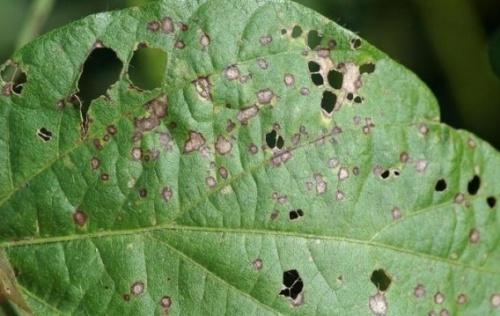
Triazole fungicides are used to control the disease. Crop rotation and sanitary removal of plant debris are essential preventative measures.
Fusarium
A fungal disease that affects all parts of the plant. Soybean seedlings die within the first few days after germination. The fungus is most active during flowering and bud formation. Leaves turn yellow, curl up, and fall off. The root collar develops a black ring, and the plant wilts completely.
The use of combined fungicides (Rakurs, Spirit) helps to cope with the disease in the shortest possible time.
Insect pests of soybeans and measures to control them
Soybeans are a legume crop susceptible to insect attacks. Insects often migrate from other plants to cultivated soybeans. To preserve the harvest, preventative insecticide treatments are used.
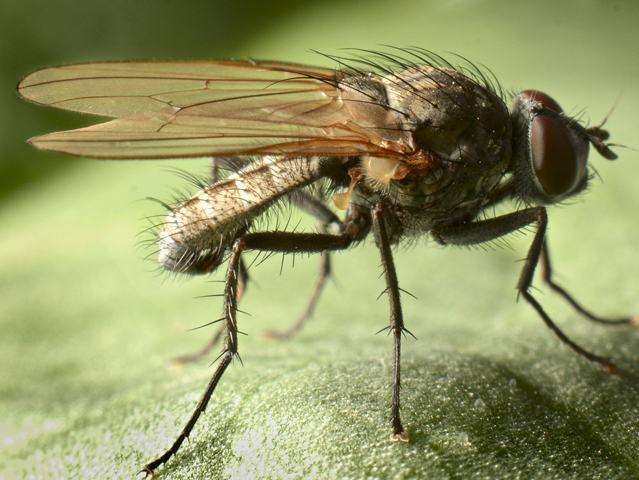
Sprout fly
The greatest danger comes from the larvae that feed on the tasty soybeans intended for sowing. The parasites migrate to young seedlings immediately after germination, causing the plants to slow down and become distorted. To prevent infection, seeds are treated with a seed dressing, and Hexachlorane is added to the soil along with the fertilizer before sowing.
Soybean leaf beetle
Larvae can completely destroy young seedlings. The leaf beetle penetrates the cotyledons and burrows into them, feeding on plant sap. Outbreaks are observed in areas bordering forests. In severe cases, soybeans are treated with insecticides and seedlings are dusted with wood ash or mustard powder.
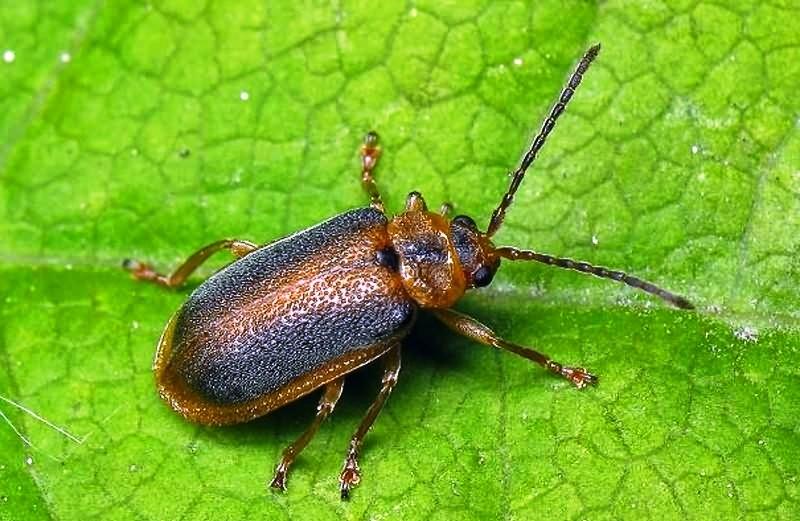
Soybean black-striped flea beetle
Small bugs damage soybean seeds and leaves. The beetles twist leaf blades into tubes. This disease is dangerous for young plants. The larvae overwinter in the soil. Plants can be protected from pests by following crop rotation rules, carefully selecting adjacent crops, and using antiseptic treatments for the soil and seed.
Take a look Also
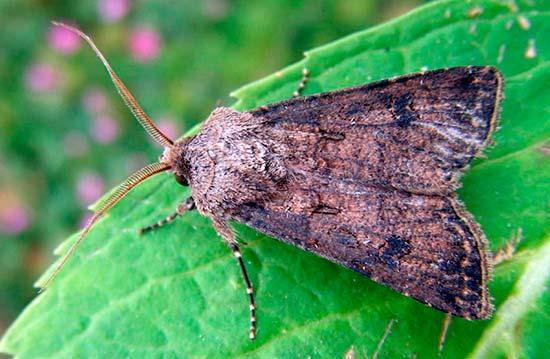
owl
The caterpillars, which destroy young seedlings, can reach 6 centimeters in size. Typically, the insect migrates to soybean crops from neighboring tobacco, beet, or sunflower beds. Treating the plants with insecticides, mustard powder, and hand-collecting the larvae allows for quick control of the pest.
Spider mite
A parasite that feeds on plant sap, it attacks leaves and stems. Its activity peaks during hot weather. Spider mites can be controlled with insecticidal and acaricidal agents. The product "Aktarofit K" has proven effective in controlling spider mites.
Preventive measures
Any disease is easier to prevent than to treat. A comprehensive set of preventative measures to prevent disease and protect soybeans includes:
- Seed treatment.
- Antiseptic treatment of soil.
- Compliance with the rules of care and crop rotation.
- Correct selection of neighboring crops.
- Preventive spraying of soybeans with a solution of potassium permanganate or brilliant green.
- Removing plant debris from the site in late autumn.
In cases of severe stages of plant damage, timely use of fungicides and insecticides is necessary.
The sooner you begin treatment, the less damage infections and insects will cause to the future harvest.
Related posts:
 Description and treatment of potato diseases, methods of control using folk and chemical means
 Causes and treatment of eggplant pests and diseases, how to combat them at home
 How to grow soybeans in an open-ground garden, planting and care features, harvesting times, and fertilizing
 Causes and treatment of cherry diseases, methods of pest control
 Pests and diseases of gooseberries and their control using chemical and folk remedies
 Causes of powdery mildew on zucchini and methods of disease control
 Description and types of diseases and pests of grapes, treatment and control
 Symptoms and treatment of blueberry diseases, pest control methods