
Soybeans are not a popular crop for growing in Russian dachas, but those gardeners who have taken the risk unanimously swear by their benefits. Soybeans have been cultivated since ancient times, making them one of the oldest crops cultivated by humans. The advantage of planting soybeans in a dacha is that they make a good green manure crop and a tasty dish rich in nutrients.
Description of the plant
Glycine (soybean) is an annual, herbaceous, flowering plant of the legume family.
There are 2 types: annual and perennial, annuals include:
- Cultivated soybean.
- Common soybean.
There are more than 26 species of perennials, most of which grow exclusively in the conditions of the Australian continent.
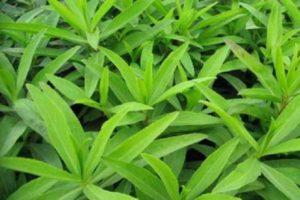
The soybean plant is very similar in appearance to the bean. The leaves are trifoliate, green, and pubescent.
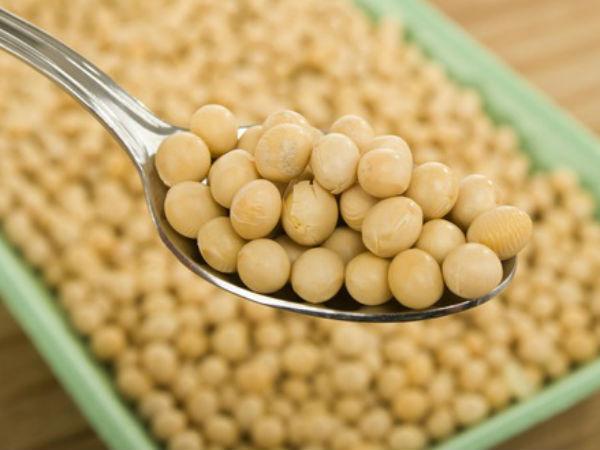
The stem is erect, branched, and ranges from 15 cm to 2 m in height, depending on the variety. The taproot, with branched, fine roots, extends deep into the soil to a depth of 1.5 m.
The inflorescences are collected in racemes of up to 20 axillary flowers, pubescent, purple or white. The fruit is a curved pod, green when unripe and yellow-brown when mature. The pod contains 1-8 oblong, convex beans (seeds).
Tips for growing soybeans
Soybean cultivation is primarily practiced by large farms rather than individual gardeners, as it's a profitable venture with good returns and quick self-sufficiency. For a single garden plot, planting a few seeds is enough to feed a family.
The advantages of growing soybeans are:
- high yield;
- a healthy product with a lot of protein and other beneficial properties;
- The peculiarity of soybeans is that they are a natural green manure and weed remover;
- simple and effortless growing process.
Choosing the right site is crucial for growing soybeans in the garden. It should be sunny, draft-free, and have a low groundwater table. The soil should be sandy or loamy, with a neutral pH, light, and breathable.

The best predecessors for soybeans in the garden are cereals, potatoes, corn, and beets. You can rotate crops every two years to ensure a bountiful harvest each year. Avoid planting soybeans after legumes, legumes, sunflowers, rapeseed, and cabbage. Before planting indoors, prepare the soil and beans, apply fertilizer starting in the fall, and dig and loosen the soil in the spring to create an airy, light soil.
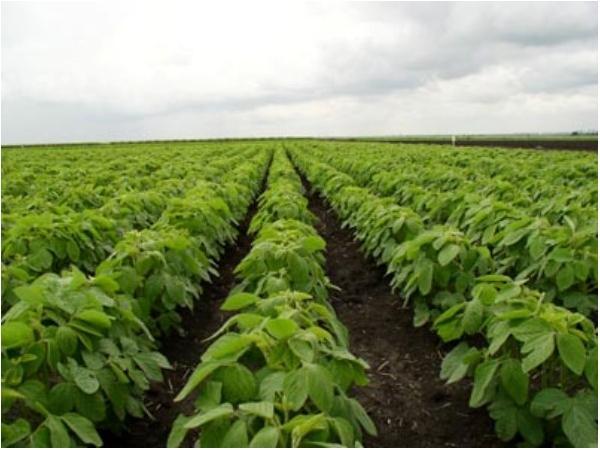
Planting soybeans in open ground
Soybeans are sown in April-May, depending on the region, the following condition must be met: the soil must warm up to +10 °C…+12 °C, and the threat of short-term frosts on the soil must pass.
In the fall, organic fertilizers, sand, and turf soil should be added to the soil so that the organic matter rots over the winter months and saturates the soil with nutrients, while the sand and turf soil make it light.
In spring, the plot is dug over, leveled with a rake, and divided into zones for sowing. The seeds are prepared by calibrating, cleaning, and treating them with the inoculant "Nitragin" three weeks before planting. Beans should be sown with wide row spacings of 40 cm to 70 cm. Plant the seeds no more than 3-5 cm deep into the soil, otherwise the plant may not sprout. Leave a distance of 10-20 cm between the seeds.
It is important to keep the soil moist to avoid reducing yield and seed germination, which occurs within 5-10 days. When the first shoots appear, the soil around them should be mulched with organic or other available means.
Features of soybean care
Soybean care requires careful attention to proper weeding and soil aeration, which is done immediately after emergence. Weather also influences plant growth: sunny, warm conditions allow the beans to grow quickly and form buds. Rainy, cloudy, and cool weather prolongs the plant's growing season, negatively impacting the future harvest.
Fertilizing soybeans
Soybean roots are home to nitrogen-fixing bacteria, which require rich soil rich in boron and molybdenum. If the seeds weren't treated with inoculants, the beans require a complex fertilizer containing nitrogen, potassium, phosphorus, and calcium. During the active growth phase, urea, which contains over 45% nitrogen, should be added.
Foliar feeding is also very important, otherwise the leaves will turn pale green with a yellow tint. Foliar feeding is done with Kas or Nitrafoska, diluting 50 g in 10 liters of water; this improves chlorophyll synthesis in the plant. Foliar feeding is done before planting beans, using nitrate or ammonium sulfate, which the plant needs for vigorous growth.
How to tie?
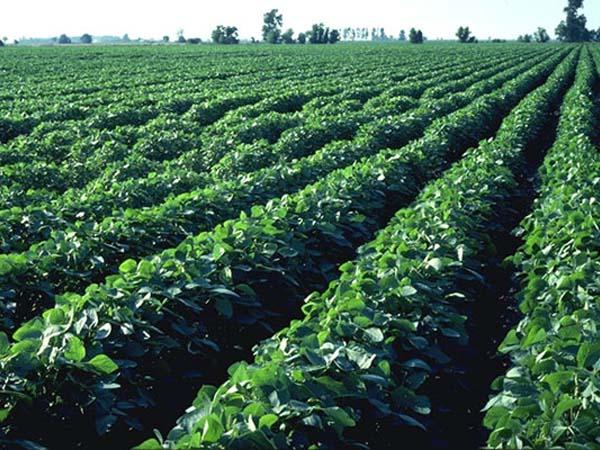
For tying, you can use the same principle as for cucumbers or other legumes. Install sturdy stakes (supports) at the beginning and end of the row, stretch several rows of rope between them, and, as the plants grow, tie them to them with soft cords, bandages, or plastic strips.
Soybean watering rules
Like any other legume, frequent and abundant watering is necessary for growth and seed formation, especially during bud formation and flowering. In dry, hot weather, water daily in the evening. Insufficient watering can negatively impact fruit formation or even cause fruit failure. In rainy weather, ensure the beds are not overly flooded; otherwise, drainage ditches should be installed to channel excess water away from the planting site.
How to treat soybeans?
The optimal time to treat soybean beds for weeds is before flower formation. Weed control in soybean beds can be very difficult, so it's important to use non-selective or selective herbicides to eliminate existing weeds and prevent new ones from quickly growing and spreading. Herbicides such as Zenkor, Harness, Prima, and Tornado are suitable. Avoid using them during soybean flowering and pod formation.
It is often attacked by pests such as aphids, mole crickets, cutworms, thrips, spider mites, and scaly-winged lice, which can destroy crops or cause significant damage. If seedling care is not followed, diseases such as fusarium wilt, spotting, and bacterial wilt may appear, often completely killing the entire crop. To combat pests and diseases, either preventively or to eliminate the problem, use copper sulfate, soap solution, wormwood decoction, and products such as Zolon, Damber, and Dragun.
How to harvest soybeans
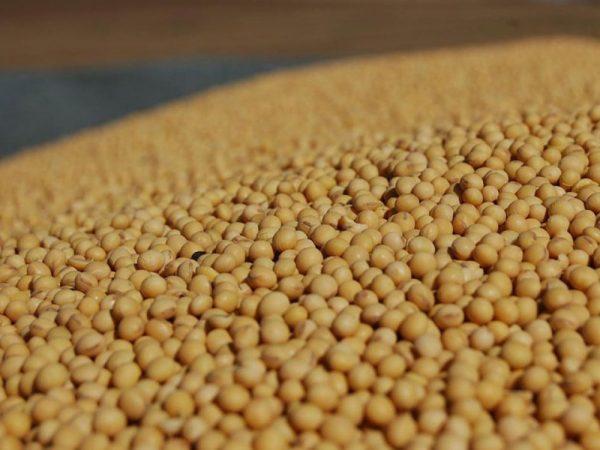
Ripening of beans and their period The harvesting period depends on the variety planted: early varieties start at 85 days, mid-season varieties at 110-130 days, and late varieties at up to 145 days. Harvesting takes place from mid-July to the end of September, allowing time for seed ripening and determining the intended use of the beans, as well as the weather conditions in the growing region.
On large farms, harvesting is done using specialized machines or a combine. For a garden plot, threshing the beans is the best option. To do this, mow the bushes as soon as the leaves begin to fall and the pods turn grayish. The roots remain in the soil and are dug up in the fall, enriching it with nutrients. The bushes are placed in small bundles, tied, and hung in a dry, ventilated area. After 3-5 days, they are threshed and stored in special containers.
The plant has become widely believed to be genetically modified, but a look at the statistics for other crops reveals the same. There are soybean varieties with altered genes, but these are often used for industrial-scale cultivation. Otherwise, it's a myth spread by marketing.
Related posts:
 Causes and symptoms of soybean diseases, pests and methods of control
 The best grape varieties for growing in the Urals, planting and care rules in summer
 How to propagate and grow peas, cultivation technology, and care in open ground
 Carrot care guidelines for outdoor cultivation to ensure a good harvest
 Methods for planting and propagating cherries at home
 TOP 40 New Year's 2020 Meat Recipes Using Pork, Beef, Chicken, and Lamb
 Rules for planting and caring for cinquefoil in open ground, growing and pruning
 How to properly plant peas in a greenhouse and open ground