
- Brief description of tarragon
- Popular varieties of tarragon
- How to grow the crop correctly
- Environmental requirements
- Soil preparation
- The process of sowing seeds
- Is it possible to grow tarragon at home on a windowsill?
- Further care of tarragon
- Watering
- Top dressing
- Transfer
- Preparing for the winter period
- Protecting tarragon from diseases and pests
- Reproduction methods
- Cuttings
- Layering
- Seeds
- Rhizome
- Harvesting and storing crops
To grow tarragon in your garden, you need to know the proper planting guidelines and care for it. This way, you can enrich your kitchen with salads featuring fresh, savory greens, add a Mediterranean flavor to hot dishes, and add a piquant touch to preserves. The plant's frost resistance and low maintenance make it easy to grow in your garden or even on a windowsill.
Brief description of tarragon
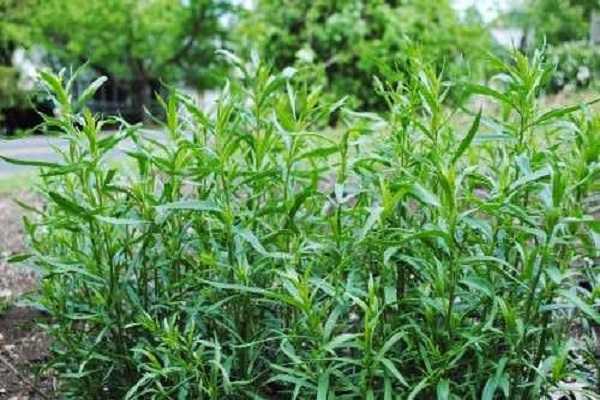
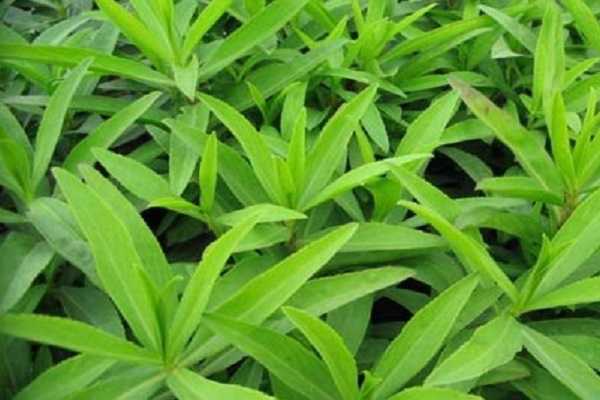
Tarragon is a perennial plant native to Eastern Siberia and Mongolia. Cultivated for centuries almost everywhere, today it grows wild in fields in southern Russia as a weed. Tarragon is related to wormwood and bears some resemblance to it in appearance.
The plant is also known as tarragon, tarragon, and dragon's tongue. Its small, elongated leaves can fork at the tip, resembling a snake's or dragon's tongue, giving it the nickname dragon's tongue. It's possible the plant got its name from its woody rhizomes, which resemble a sleeping dragon.
Tarragon is most often used in cooking, adding fresh leaves to salads, side dishes, and also as a seasoning, since the spice has a characteristic taste and aroma. Tarragon is a good preservative, so it's used in preserves, pickled cucumbers, salted tomatoes, and sauerkraut. In medicine, tarragon is used as a vitamin-rich, restorative, and tonic.
Popular varieties of tarragon
Tarragon comes in both scented and scentless varieties, with the scented variety preferred for culinary purposes. Various varieties can be planted in the garden, but it's best to purchase seeds from specialist stores to avoid counterfeits. The following varieties are popular.
- Aztec. This variety's name refers to its Mexican origins. The bush grows to a height of one and a half meters above ground level. This spicy herb has a strong aroma with aniseed notes.
- Goodwin. The shoots reach up to a meter in length, and a large amount of greenery is harvested from the bush. The flavor is distinguished by notes of bitterness.
- Monarch. It is a bush up to 150 centimeters tall with numerous stems. The greens are used in salads and refreshing drinks.
- Valkovsky. This variety is distinguished by its cold tolerance and increased disease resistance. It is used in cooking and perfumery due to the essential oil contained in its flowers.
- Gribovsky. The bushes of this variety are distinguished by their increased frost tolerance. The plant can be cultivated in the same location for up to 15 years without losing its properties.
- The king of herbs. Its aroma contains aniseed notes. It is used for preserving and medicinal purposes.
- Smaragd. Bushes up to 80 cm tall are used not only for their spicy seasoning but also for ornamental purposes.
- Zhulebinsky Semko. A sweetish spice used in baking.
How to grow the crop correctly
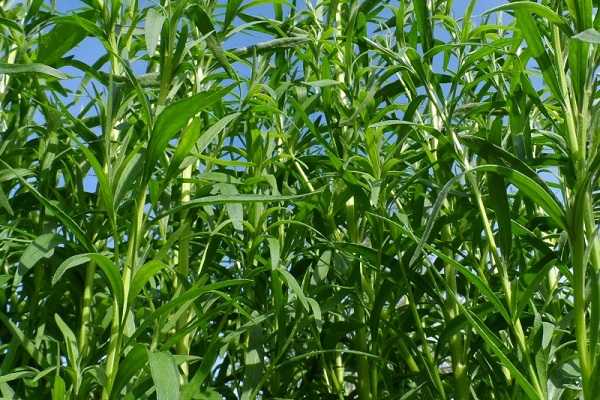
The primary goal of tarragon cultivation is to ensure high tarragon yields with minimal effort. When planting tarragon, the plant's preferences are taken into account first and foremost, ensuring the most flavorful, abundant greens.
Environmental requirements
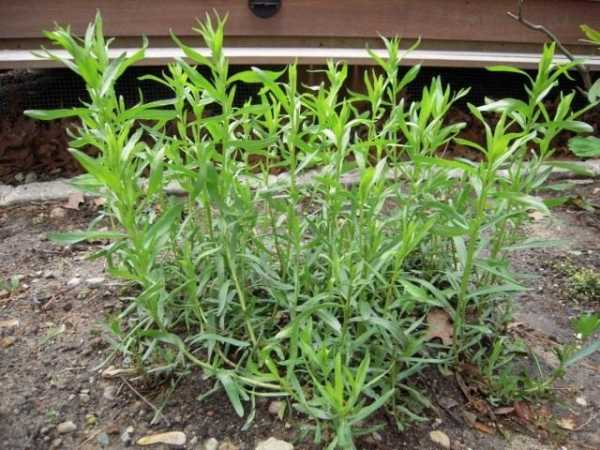
Tarragon is easy to grow in the garden, as the plant isn't particularly demanding when it comes to growing conditions. It prefers sunny beds; in shaded areas, the herb is less aromatic. The soil should be well-drained. Tarragon tolerates Russian winters well, surviving temperatures down to 30 degrees below zero, even in winters with little snow. The plant thrives in light, sandy loam soil.

Soil preparation
The beds are dug over and the rhizomes of perennial weeds are removed before planting tarragon. If the soil is too acidic, it should be neutralized with dolomite flour or other means. At the end of the summer, a fertilizer containing phosphorus and potassium, along with organic matter, is added to the future beds. In the spring, ammonium nitrate is applied before planting.
The process of sowing seeds
In early spring, seeds are sown in open ground or seedling trays. It is not recommended to plant the seeds directly in open ground for several reasons. Firstly, despite the frost resistance of mature tarragon, the seeds will not germinate in climates that are not warm enough, such as those found in the Moscow region. Secondly, even if the temperature is sufficient for germination, the soil in open soil dries out quickly and lacks moisture for germination, resulting in sparse seedlings.
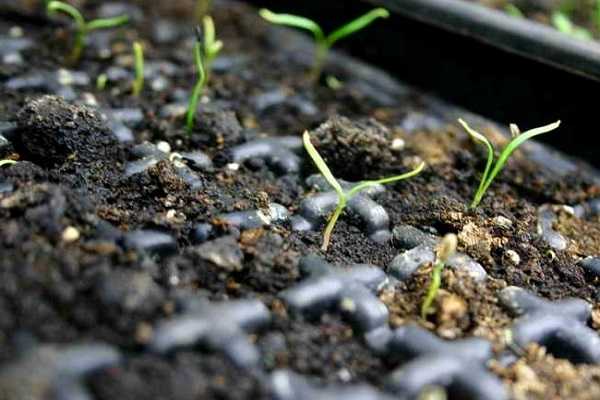
Seeds should not be planted deeper than 0.5 cm. To ensure even distribution, you can pre-mix fine seedlings with sand. After sowing, moisten the bed with a spray bottle to prevent seeds from shifting. Water the planting containers by adding water to the tray.
Thin the seedlings when they develop two leaves, leaving the strongest plants 6-8 cm apart. The seedlings are transplanted to the ground in early summer. Each hole can accommodate up to two seedlings, spaced 70 cm apart with 30 cm between rows.
Is it possible to grow tarragon at home on a windowsill?
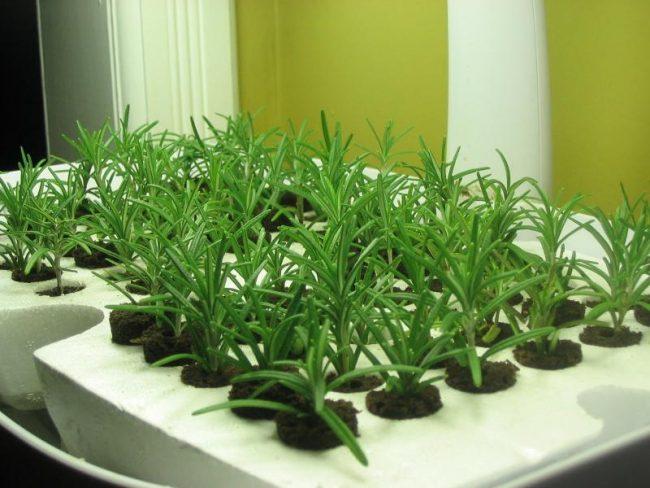
You can enjoy this herb year-round, growing it in your garden in the summer and on a windowsill in the winter. Its root system doesn't require much space, so it thrives in a container, although it will be shorter in a confined space. Tarragon should be planted in loose, moderately fertile soil; a mixture of turf, humus, and sand in a 1:1 ratio is best.
In winter, the plant requires additional lighting.
Further care of tarragon
Tarragon requires little care; just water it a few times a season, fertilize it, and replant it to refresh the planting. Only the seedlings need to be weeded. Mature plants grow and crowd out weeds from the garden bed.

Watering
Tarragon doesn't need frequent or excessive watering; in fact, excess and stagnant moisture are contraindicated. Depending on weather conditions, the soil should be moistened 2-3 times a month. Young tarragon seedlings should be watered using a spray bottle to avoid damaging the tender shoots or displacing them.
Top dressing
Before planting tarragon, add phosphorus-potassium fertilizers, humus, or compost to the soil. Mature tarragon plants are typically fed in early spring, before the foliage appears.
Most often, the soil is fertilized with wood ash, nitrophoska, compost, humus, and nitrogen fertilizers.
Excess nitrogen causes abundant growth of green mass, but this negatively affects the properties of tarragon, as it becomes less aromatic.
Transfer
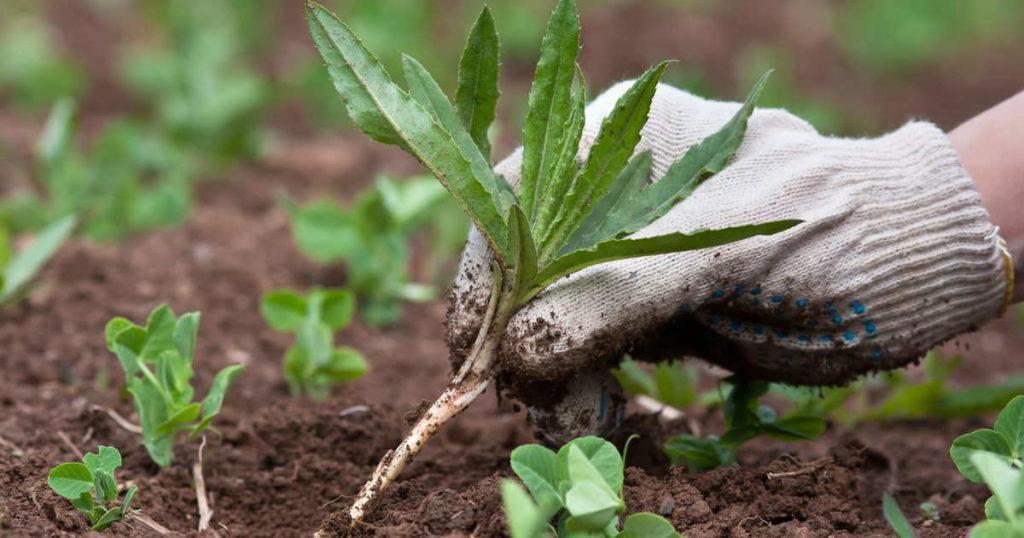
Tarragon can live in a single bed for up to 10 years, but the aroma diminishes after 3-4 years, so the planting should be regularly refreshed and the plants replanted. Any method of vegetative propagation can be used, including cuttings, layering, or rhizome division.
Preparing for the winter period
In the fall, tarragon bushes should be dug around, but this should be done very carefully to avoid damaging the root system. To allow the rhizome to accumulate nutrients for the winter, stop cutting the greens from August.
When the tarragon leaves dry out in the fall, the shoots are cut to a height of 5 centimeters from the ground level.
Small stumps are left to trap snow. The bush is fed with phosphorus-potassium fertilizers, and peat or humus is scattered around it.
Protecting tarragon from diseases and pests
Tarragon is resistant to most diseases. The plant can be affected by rust, which manifests itself as brown spots on the leaves. To protect tarragon from fungal diseases, avoid dense plantings and overuse nitrogen fertilizers.
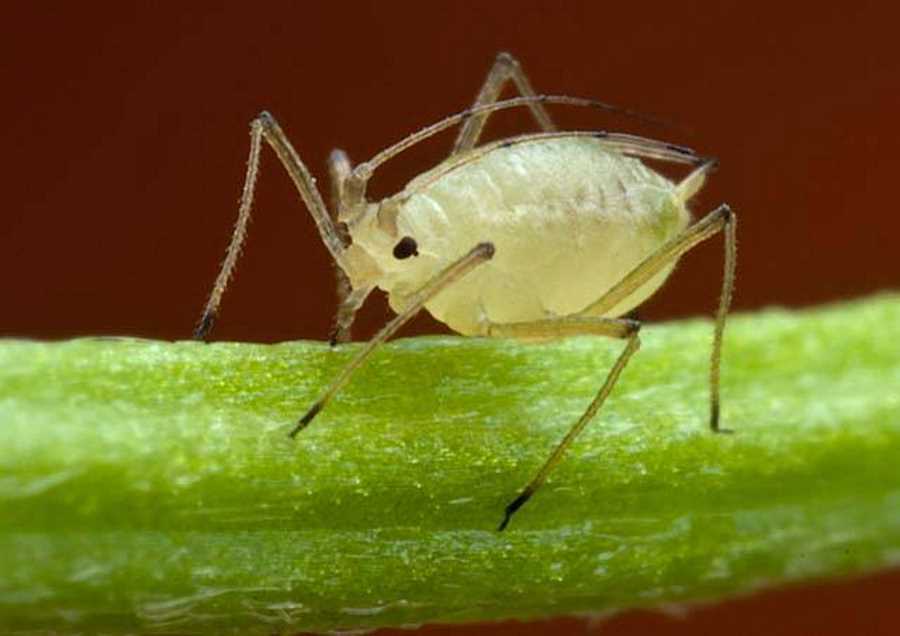
Tarragon suffers most from pests such as wireworms and aphids. To protect tarragon from wireworms, which damage its roots, it's necessary to regularly loosen the soil, apply lime to the beds at the end of the season, and plant insect-repellent green manure.
Aphids can be controlled by spraying plants with folk remedies, such as an infusion of onion peels, garlic, or tobacco dust. Store-bought chemicals are effective, but their use is not recommended, as the herb is used as a food product.
Reproduction methods
Tarragon can be propagated by division, layering, cuttings, and seeds. Not all varieties of the plant produce seeds. There are varieties of tarragon that have good taste characteristics, but do not form seeds; such varieties are propagated by dividing the bush and cuttings of shoots.

Cuttings
Tarragon cuttings are harvested in late spring, using shoots approximately 15 centimeters long. The cut is made about 3 centimeters below the leaf at an acute angle. To root, the tarragon cutting is placed under plastic or in a greenhouse, slightly buried. To promote root formation, you can pre-treat it with Kornevin. A sufficient root system for planting will develop in about a month.
Take a look Also
Layering
To propagate the bush by layering, pin the plant shoot to the ground in the spring, lightly cover it with soil, and make several cuts at the point of contact. Maintain adequate moisture throughout the season. After a year, the tarragon shoot will have developed enough additional roots, and it can be separated from the parent plant and planted in its permanent location.
Seeds
Tarragon seeds are planted in late fall, just before snow falls, or in early spring. Tarragon can be planted in open ground or seedlings can be grown from seeds in containers. The plant blooms beginning in the second year after sowing.
Rhizome
To propagate tarragon by rhizome division, take a 4-5-year-old plant and divide the root into several parts with a sharp knife, removing any diseased, old, or deformed roots. Each tarragon rhizome part, containing several vegetative buds, is replanted in a new location.
Harvesting and storing crops
To preserve tarragon for the winter, the greens should be cut in late summer during the first year after planting. Subsequently, the herb can be harvested several times during the season. The shoots are cut 10 centimeters above the ground. Harvest tarragon in dry weather, in the morning or evening.
Tarragon is prepared and stored in several ways:
- Drying. The herbs should be gathered into bunches, hung in a place protected from the sun with the cut sides facing up, and stored in tightly sealed containers.
- Freezing. The cut tarragon is washed, dried, then portioned into plastic bags or wrapped in plastic wrap and placed in the freezer.
- Brining. The tarragon is washed, dried, chopped, and placed in jars, mixed with salt in a ratio of 5 to 1.
- Oil immersion. The herbs are chopped, washed and dried, then lightly salted and immersed in vegetable oil. Store the container tightly in a cool place.
Tarragon, also known as tarragon, is widely known for the bright green, invigorating drink made from its extract. But you can also grow this herb yourself in your garden or on your windowsill, following simple planting and care guidelines.
Related posts:
 Harvesting tarragon for the winter at home: dry, frozen, syrup, and jam
 Description and characteristics of tarragon varieties and types, planting and care rules
 Pickled cucumbers with tarragon for the winter, a simple recipe for pickling for the winter
 The best eggplant varieties for growing in a polycarbonate greenhouse: planting and care
 Growing and caring for hazelnuts in open ground, rules for planting hazelnuts
 Methods for planting and propagating cherries at home
 Rules for planting and caring for pears in open ground, how to grow them correctly
 Carrot care guidelines for outdoor cultivation to ensure a good harvest